

Appointments at Balance Foot & Ankle
Three board-certified podiatric surgeons. 950K+ YouTube subscribers. 1,200+ five-star reviews. Howell & Bloomfield Township, Michigan.
Best Volleyball Shoes for Plantar Fasciitis 2026: Podiatrist’s Complete Court Guide
Quick Answer: Best Volleyball Shoes for Plantar Fasciitis in 2026
Volleyball is the most forefoot-intensive court sport for plantar fascia health — every jump landing occurs exclusively on the forefoot against hardwood flooring, the stiffest sport surface in existence. The best volleyball shoes for PF prioritize three features: a shock-absorbing midsole that intercepts GRF before it reaches the plantar fascia (Mizuno’s Wave plate, ASICS Gel), a wider forefoot last that prevents the lateral compression that amplifies fascial loading, and sufficient heel-to-toe drop (8–10mm) to reduce resting fascial tension during the between-rally walking pattern. Our top picks are the Mizuno Wave Lightning Z7 for serious competitors and the ASICS Gel-Rocket 11 for recreational and budget-conscious players.
Table of Contents
- The Volleyball PF Paradox: Why Court Jumps Destroy Plantar Fascias
- Top 6 Volleyball Shoes for Plantar Fasciitis 2026 — Reviewed
- Court Surface Guide: Hardwood vs. Gym Rubber vs. Sand for PF
- Position-Specific PF Guide: Outside Hitter vs. Libero vs. Setter
- Jump Landing Mechanics for PF — The Technique Fix
- Podiatrist Video: Volleyball and Plantar Fasciitis
- FAQ: Volleyball Shoes and Plantar Fasciitis
The Volleyball PF Paradox: Why Court Jumps Destroy Plantar Fascias
Of all court sports, volleyball creates the most concentrated and repetitive forefoot loading events per hour of play. Understanding the specific mechanisms explains why shoe selection is so critical for PF management in volleyball players.
🏐 The Volleyball Forefoot Loading Storm: Five Mechanisms
100% Forefoot Landing — Zero Heel Contact During Jumps
Unlike running (heel strike) or walking (heel-toe), every volleyball jump — block, spike, back row attack — lands exclusively on the forefoot in a plantarflexed ankle position. This is not a technique error; it is the required biomechanics of court jump landing. The ankle is in maximum dorsiflexion loading position during the entire descent phase, which progressively winds the plantar fascia via the Windlass mechanism from the moment of foot contact through full weight acceptance.
Hardwood Court: The Highest GRF Surface in Sport
Hardwood gymnasium flooring has a stiffness coefficient of approximately 95–100 kN/m — higher than asphalt (65–85 kN/m), significantly higher than rubber tracks (40–60 kN/m), and nearly four times that of natural grass (25–40 kN/m). This means hardwood returns nearly all impact energy back to the foot rather than absorbing it. A 150-pound player landing from a 30-inch vertical jump generates approximately 1,400–1,800N of ground reaction force — equivalent to 2–3× body weight — transmitted almost entirely through the forefoot against a maximally rigid surface.
50–80 Jump Landings Per Match — Concentrated in Short Timeframes
A competitive volleyball match involves 50–80 jump-type actions per player (Sheppard et al., IJSP 2007). Unlike soccer or basketball where these are spread over 90–48 minutes of continuous movement, volleyball concentrates these actions into 2–4 second rally windows followed by brief standing rest. This burst-rest pattern means the plantar fascia experiences high-intensity loading events repeatedly without the gradual warm-up of continuous locomotion activities — each rally essentially cold-starts the forefoot loading cycle.
Lateral Shuffle and Forefoot Pivot Pattern Between Rallies
Between jumps, volleyball players engage in continuous short lateral shuffles, forefoot pivots to track the ball, and sudden direction changes — all of which are forefoot-dominant movements on hard court. Unlike basketball or tennis where heel-strike walking occurs between high-intensity plays, volleyball’s reactive positioning demands mean the plantar fascia has essentially no heel-strike recovery time during active play.
Narrow Court Shoes Compress the Forefoot During Maximum Loading
Performance volleyball shoes are typically built on narrow, low-volume lasts designed to maximize court feel and lateral support. While this is mechanically rational for ankle stability, it compresses the forefoot transverse arch during the moment of maximum GRF — when the plantar fascia is already under maximum Windlass tension. This combination of external compression (narrow upper) and internal tension (Windlass loading) is the primary mechanism of acute PF development in volleyball players.
Top 6 Volleyball Shoes for Plantar Fasciitis 2026 — Podiatrist Reviewed
Each shoe was evaluated on PF-critical criteria: midsole GRF absorption at the calcaneal insertion, forefoot last width, heel-to-toe drop, insole orthotic compatibility, and lateral support system that prevents the overpronation at landing that amplifies PF.
How we evaluate volleyball shoes for PF: Unlike general court shoe reviews that prioritize court grip and lateral stability, our evaluation weights plantar fascial protection as the primary criterion. A volleyball shoe that provides excellent traction but compresses the forefoot during landing is worse for PF than a slightly less grippy shoe with a wider last and better GRF absorption. We assess each model’s Gel/Wave/foam system for the specific frequency of impact that volleyball jump landings generate (typically 15–40 Hz loading rate) and the forefoot volume at the widest point where PF patients most commonly experience secondary compression pain.
Mizuno Wave Lightning Z7
The Mizuno Wave Lightning Z7 is the gold standard volleyball shoe for plantar fasciitis management at our podiatry clinic. The proprietary Wave plate — a twin-wave structured plastic insert embedded in the midsole — distributes ground reaction force from the heel strike across a wider midsole surface area rather than allowing it to concentrate at the calcaneal insertion. For PF patients, this lateral redistribution of impact energy is the single most important engineering feature in any volleyball shoe.
The Z7 uses a dual-density midsole system: a softer AP+ foam in the heel for GRF absorption at landing, and a firmer U4icX foam in the forefoot for push-off efficiency. This combination addresses both PF-critical moments — the high-impact landing phase and the toe-off phase where Windlass loading reaches its peak. The last is built on Mizuno’s D-Flex Grooves sole geometry, which allows controlled midfoot flexibility that partially compensates for the rigid hardwood surface by letting the shoe absorb some of the impact that the floor cannot.
PF Advantages
- Wave plate distributes calcaneal GRF across wider surface area — reduces peak insertion stress
- Dual-density midsole: heel softness for landing, forefoot firmness for push-off
- 9mm heel drop — reduces resting fascial tension vs. zero-drop alternatives
- D-Flex sole grooves allow controlled midfoot flex — improves shock absorption on rigid hardwood
- Removable insole — accepts thin custom orthotics (3/4 length recommended)
- Wide toe box by volleyball shoe standards — reduces forefoot lateral compression
PF Limitations
- Wave plate adds slight shoe weight — extra mass increases landing deceleration forces
- Heel cup is firm — may require break-in for calcaneal insertion PF sensitivity
- Limited wide width options — players with genuinely wide forefoot may need to size up
- Premium price point — though durability per session is excellent
The Wave Lightning Z7 is our first recommendation for volleyball players with PF across all competitive levels. The Wave plate technology addresses the specific hardwood court impact frequency with the best engineering solution in the volleyball shoe market. If you are playing 3+ days per week with PF, this is your shoe.
No products found.
ASICS Gel-Rocket 11
The ASICS Gel-Rocket 11 is the most accessible PF-friendly volleyball shoe on this list — available at less than half the price of the Wave Lightning Z7 while still providing the most clinically important PF feature: ASICS Gel technology in the rearfoot. ASICS Gel is a silicone-based cushioning system engineered specifically to attenuate the vertical impact component of GRF, reducing the shock spike at heel contact during the between-rally walking pattern and at landing when a portion of impact eventually reaches the heel.
For PF patients at the recreational level or those just beginning volleyball, the Gel-Rocket 11 provides the fundamental PF protection elements without requiring a premium investment. The EVA midsole complements the Gel unit with adequate midfoot support for players with mild to moderate PF. The outsole uses ASICS Non-Marking rubber with pivot zones — critically, these pivot zones align with the metatarsal heads to reduce rotational friction during forefoot pivots, which would otherwise create a torque at the plantar fascial origin during direction changes.
PF Advantages
- Rearfoot Gel — proven ASICS technology for heel GRF attenuation
- 10mm heel drop — highest on this list, best for morning first-step PF pain
- Pivot zones align with metatarsal heads — reduces forefoot torque during direction changes
- Removable OrthoLite insole — accepts thin custom orthotics easily
- Available in wide (2E) width — critical for wide-footed PF patients
- Best-value PF-protective volleyball shoe — ideal for beginners and youth players
PF Limitations
- Rearfoot-only Gel — no forefoot shock absorption for landing impacts
- No Wave plate — GRF not laterally redistributed at calcaneal insertion
- Less durable than premium options — GRF absorption decreases after ~300 hours
- EVA midsole compresses over time — re-evaluate PF pain if shoe age exceeds 9–12 months
The Gel-Rocket 11 is our recommendation for recreational, youth, and budget-conscious players managing PF. The combination of rearfoot Gel and 10mm heel drop addresses the two most important PF-protective variables at an accessible price point. For players spending <6 hours per week on the court, this shoe provides excellent value-to-protection ratio.
No products found.
ASICS Gel-Netburner Ballistic FF 3
The Gel-Netburner Ballistic FF 3 sits at the top of the ASICS volleyball hierarchy, combining rearfoot Gel cushioning with FlyteFoam Propel — ASICS’s most advanced energy-return foam. For PF patients playing at a competitive level who need both protection and performance, the FF3 represents the highest-specification ASICS option currently available. The FlyteFoam Propel midsole has a higher rebound rate than standard EVA (approximately 73% vs. 55%), which means more of the landing energy is returned propulsively rather than being dampened into the plantar fascia.
The FF3 uses a ComforDry X-40 sockliner — a moisture-wicking insole with improved arch support compared to standard volleyball shoe sockliners. This is meaningful for PF patients because plantar fascia symptoms worsen with prolonged sweat accumulation under the foot, which softens the plantar fat pad and reduces its natural GRF attenuation function. The TRUSSTIC system in the midfoot provides torsional rigidity that prevents excessive pronation during lateral movements — one of the key secondary mechanisms of volleyball-associated PF.
PF Advantages
- FlyteFoam Propel: 73% energy return vs. 55% EVA — less impact absorbed by plantar fascia
- TRUSSTIC system prevents medial midfoot collapse — reduces PF-amplifying overpronation
- ComforDry X-40 moisture management — maintains plantar fat pad firmness during long matches
- Rearfoot Gel for calcaneal insertion protection during between-rally walking
- Best for competitive players training 8+ hours per week with PF
PF Limitations
- No forefoot Gel — jump landings still load forefoot without dedicated cushioning zone
- Narrow last — wide-footed players may need to size up or choose Gel-Rocket 11 (2E) instead
- Firmest of the three ASICS options — may feel stiff for those with calcaneal heel pain
- Higher price point than Gel-Rocket 11 — marginal PF benefit for recreational players
The Gel-Netburner Ballistic FF3 is our recommendation for competitive players (high school varsity, collegiate, adult leagues) training 4–6 days per week. The combination of FlyteFoam energy return and TRUSSTIC torsional control addresses both the primary PF loading mechanisms (direct GRF) and the secondary mechanism (medial collapse-driven PF traction) in one shoe.
No products found.
Nike Air Zoom HyperAce 3
Nike’s HyperAce line is the brand’s dedicated volleyball court shoe, and the HyperAce 3 addresses PF directly with a feature no other volleyball shoe on this list offers: a Zoom Air unit in the forefoot rather than the heel. For volleyball’s 100%-forefoot-landing mechanics, front-loaded cushioning is theoretically superior to heel-only Gel units that protect a zone rarely impacted during jumps. The forefoot Zoom Air provides responsive cushioning specifically at the metatarsal heads — where volleyball landing loads concentrate.
The HyperAce 3 uses a wider last profile than Nike’s running or basketball shoes, accommodating more forefoot volume for players who find European volleyball shoe lasts too narrow. The Phylon midsole provides a stable platform complementing the Zoom Air unit. Nike’s herringbone court outsole pattern provides excellent traction on both clean and dusty hardwood — court dust accumulation can create slipping that forces compensatory forefoot overstrike, worsening PF symptoms.
PF Advantages
- Forefoot Zoom Air — only volleyball shoe with forefoot-specific cushioning for jump landings
- Landing cushioning where volleyball impacts actually occur (forefoot vs. heel)
- Wide last option — critical for PF patients whose primary issue is forefoot compression
- Herringbone outsole prevents court dust slipping — reduces compensatory gait
- 8mm heel drop provides passive PF protection during rest periods
PF Limitations
- Zoom Air can feel “bouncy” for some players — takes 3–5 sessions to acclimate
- Heavier than Mizuno and ASICS equivalents — affects jump performance
- Nike volleyball shoe line receives fewer updates than ASICS/Mizuno — check current-season availability
- Less arch support than Wave Lightning Z7 — players with pronounced medial arch PF may need supplemental orthotic
The HyperAce 3 is our top recommendation for outside hitters and setters who are the most frequent jumpers in volleyball — the forefoot Zoom Air addresses the landing impact exactly where volleyball mechanics demand protection. The wide last option makes it particularly valuable for wide-footed PF patients who cannot fit properly into Mizuno or ASICS standard lasts.
No products found.
Adidas Crazyflight
The Adidas Crazyflight is the lightest high-performance volleyball shoe on this list, and for PF patients, lighter weight has a direct clinical benefit: every gram reduction in shoe mass reduces the deceleration force required to absorb during jump landings. The Crazyflight uses Adidas’s Lightfoam midsole — a weight-optimized foam that provides adequate GRF attenuation without the mass penalty of denser foam compounds. For quick-reacting players whose jump frequency is high (liberos, setters), weight reduction is an underappreciated PF management strategy.
The Bounce foam version of the Crazyflight provides responsive energy return comparable to ASICS FlyteFoam. The outsole uses a split-herringbone pattern with multi-directional traction zones specifically positioned for the lateral shuffle movements between volleys. For PF patients, the outsole’s multi-directional capability is clinically relevant because inadequate traction forces compensatory forefoot-dominant pushoff patterns that increase Windlass activation frequency.
PF Advantages
- Lightest option — reduced landing deceleration forces through lower shoe mass
- Bounce foam provides adequate energy return for reduced PF loading
- Multi-directional outsole traction reduces compensatory gait patterns
- Removable OrthoLite insole — orthotic compatible
- Best choice for liberos with high lateral movement volume but fewer jumps
PF Limitations
- No dedicated heel cushioning system — less calcaneal insertion protection than Gel options
- Lighter foam = less durable — replace more frequently for ongoing PF protection
- Runs narrow — liberos and setters with wide feet should try before purchasing
- Less arch support architecture than Mizuno or ASICS — may need stronger OTC insole
The Adidas Crazyflight is best suited for liberos and setters whose movement pattern is more lateral shuffle-dominant than jump-dominant. Weight reduction is a genuine PF benefit in this context. For positions with high jump frequency (outside hitter, middle blocker), the superior cushioning of the Wave Lightning Z7 or HyperAce 3 is preferable.
No products found.
Mizuno Wave Dimension
The Mizuno Wave Dimension offers a compelling proposition for PF patients who want Wave plate technology without the premium price of the Wave Lightning Z7: it uses a full-length Wave plate in a slightly more generously proportioned last that accommodates wider foot shapes. For players who found the Lightning’s fit too narrow but want the Wave plate’s GRF redistribution, the Dimension represents a practical clinical compromise.
The Dimension’s SmoothRide engineering is a deliberate design philosophy to reduce impact acceleration at the foot by smoothing the transition through the gait cycle. While this was originally designed for running shoes, Mizuno has applied it to the Dimension’s heel geometry to reduce the sudden GRF spike at landing that is the primary PF aggravating event in volleyball. The Intercap midsole design integrates with the Wave plate to create a modular cushioning architecture that performs well across multiple landing intensities.
PF Advantages
- Full Wave plate — same GRF redistribution as Lightning Z7 at lower price
- Available in 2E wide — essential for wide-footed PF patients
- 10mm heel drop — best passive PF protection during non-jump movement
- SmoothRide heel geometry reduces GRF spike acceleration at landing
- Generous last depth — accommodates custom orthotics better than Lightning
PF Limitations
- Heavier than Lightning Z7 — less optimal for players who prioritize jump performance
- Less breathable upper than Lightning’s Runbird mesh — moisture management lower
- Slightly less responsive forefoot than Lightning’s U4icX — push-off efficiency reduced
- Wide version may run wider than true 2E for players accustomed to European lasts
The Wave Dimension is our recommendation for PF patients who need Wave plate GRF protection but cannot fit comfortably in the Lightning’s standard last. Wide-footed players should prioritize fit over performance spec — a properly-fitting Wave Dimension will protect the plantar fascia better than a tight Wave Lightning, even with the Lightning’s superior midsole technology.
No products found.
2026 Volleyball Shoe PF Comparison: All 6 Models
| Model | Cushion Tech | Wave Plate | Heel Drop | Wide Width? | Best For | PF Score |
|---|---|---|---|---|---|---|
| Mizuno Wave Lightning Z7 | AP+ / U4icX dual | Yes ✓ | ~9mm | Limited | Competitive all-positions | ★★★★★ |
| ASICS Gel-Rocket 11 | Rearfoot GEL + EVA | No | ~10mm | Yes — 2E | Recreational + budget | ★★★★☆ |
| ASICS Gel-Netburner Ballistic FF3 | FlyteFoam Propel + Gel | No | ~9mm | Limited | High-volume competitive | ★★★★★ |
| Nike Air Zoom HyperAce 3 | Forefoot Zoom Air | No | ~8mm | Yes — Wide | Outside hitters, setters | ★★★★☆ |
| Adidas Crazyflight | Lightfoam / Bounce | No | ~8mm | Limited | Liberos, setters (lighter) | ★★★☆☆ |
| Mizuno Wave Dimension | AP+ Intercap + Wave | Yes ✓ | ~10mm | Yes — 2E | Wide-footed + PF | ★★★★★ |
Court Surface Guide for Plantar Fasciitis: Hardwood vs. Gym Rubber vs. Sand vs. Outdoor Court
The surface you play on directly determines how much GRF your plantar fascia absorbs on every jump landing. Choosing the right shoe for your specific surface is as important as the shoe itself.
Hardwood Gym Floor — Highest PF Risk
GRF coefficient ~95–100 kN/m — the stiffest common sport surface. Nearly all landing impact is returned to the foot. Maximum shock-absorbing shoe required.
Shoe requirement: Wave plate or forefoot Zoom Air + 9–10mm heel drop + removable insole for orthotic. Wave Lightning Z7 or Nike HyperAce 3 preferred.
Gym Rubber Floor — Moderate PF Risk
GRF coefficient ~50–65 kN/m. Rubber provides meaningful shock absorption vs. hardwood — approximately 30–40% reduction in peak GRF at landing. Still forefoot-dominant loading but less extreme.
Shoe requirement: Standard volleyball shoe acceptable. ASICS Gel-Rocket 11 provides sufficient PF protection on rubber surfaces for recreational players.
Beach Volleyball Sand — Lowest GRF, Highest Ankle Risk
Sand GRF coefficient ~10–20 kN/m — absorbs 75–85% of landing impact. Dramatically lower PF stress from GRF. However, sand’s instability increases ankle inversion episodes and posterior tibial tendon loading that can co-aggravate PF.
Shoe requirement: Barefoot or minimal sand socks. Plantar fascia GRF is not the primary concern — barefoot intrinsic strengthening is actually beneficial for PF rehabilitation in this context.
Outdoor Concrete / Asphalt Court — High PF Risk
GRF coefficient ~80–90 kN/m — nearly as stiff as hardwood. Many recreational players practice on outdoor courts with indoor shoes — this is a significant PF risk. Volleyball shoes are designed for hardwood courts but outdoor concrete requires additional cushioning.
Shoe requirement: Add a gel heel cup insert to your volleyball shoe for outdoor sessions. On outdoor courts, the Adidas Crazyflight’s rubber outsole provides slightly better durability and the Wave Dimension’s deeper midsole better addresses the higher GRF of concrete.
Position-Specific PF Guide: Matching Your Role to the Right Shoe
Volleyball positions have dramatically different movement profiles — an outside hitter has 3–4× more vertical jumps per match than a libero. PF shoe selection should be calibrated to your position’s specific loading pattern.
Outside Hitter (OH) / Opposite (OPP)
Jump profile: 30–45 approach jumps per match, plus blocking jumps. Highest total jump volume of all positions. Every approach culminates in a two-foot forefoot landing from 24–36 inches height.
PF risk factors: Maximum GRF per landing (highest jump height), highest total forefoot loading events, bilateral landing forces during two-foot approach jumps.
Shoe recommendation: Mizuno Wave Lightning Z7 or ASICS Gel-Netburner Ballistic FF3. Maximum GRF absorption is the top priority. Do not compromise cushioning for weight.
Middle Blocker (MB)
Jump profile: 35–50 total jumps per match — highest jump frequency of all positions (blocks on nearly every rally). Primarily two-foot vertical jumps with less horizontal approach than OH.
PF risk factors: Highest jump frequency creates most cumulative forefoot loading. Quick-reaction jumps mean less warm-up between jumps — fascia doesn’t progressively warm up as it would with approach jumps.
Shoe recommendation: Mizuno Wave Lightning Z7. The Wave plate handles the quick-response landing pattern better than single-density foam alternatives. Prioritize heel drop ≥9mm for the between-rally standing pattern.
Setter (S)
Jump profile: 20–30 jump sets plus occasional blocking jumps. Significant lateral shuffle volume between jumps — setters cover the most horizontal court distance per match.
PF risk factors: Lateral shuffle-dominant movement pattern increases posterior tibial tendon loading that co-aggravates PF. Jump frequency lower than hitters — lateral movement protection may be equally important as landing cushioning.
Shoe recommendation: Nike Air Zoom HyperAce 3 (forefoot cushioning for jump sets) or Adidas Crazyflight (lighter for extensive lateral movement). Choose based on whether jump or lateral movement is more PF-symptomatic for you.
Libero (L)
Jump profile: 5–15 jumps per match (primarily jump serves in back row). Highest lateral movement volume of all positions. Diving, low forearm pass mechanics dominate.
PF risk factors: Lower jump frequency means less acute PF loading. However, high lateral shuffle volume creates sustained low-level forefoot loading across the full match — cumulative stress can be comparable to hitter positions despite lower individual impact events.
Shoe recommendation: Adidas Crazyflight (lighter — reduces sustained lateral movement fatigue) or ASICS Gel-Rocket 11 (budget, wide-fit if needed). Cushioning is less critical than weight and lateral stability for liberos.
Jump Landing Mechanics for Plantar Fasciitis — The Technique Fix
Even with the best volleyball shoe, improper landing mechanics can overwhelm any amount of midsole cushioning. These technique corrections from biomechanical research reduce landing GRF by 25–40% — equivalent to upgrading from a thin-soled shoe to a full-cushion model.
The “Soft Landing” Progression — 6-Week Protocol
This is not a shoe fix — it’s a neuromuscular re-education program. Practice these techniques during warm-ups for 6 weeks until they become automatic during match play. Combined with the correct shoe, this progression can reduce PF symptom severity by 40–60% without medical intervention.
Landing with greater knee flexion distributes GRF through the quadriceps muscle-tendon unit rather than concentrating it at the plantar fascia. Research shows landing with 120° knee flexion (vs. typical 140°) reduces peak plantar pressure by 27%. Practice this on every landing drill — it should feel like a “soft” squat landing rather than a stiff impact.
Single-leg landings concentrate 100% of GRF through one plantar fascia. Bilateral landings split the load equally. Outside hitters whose approach mechanics end in single-foot landings should work with their coach to modify approach footwork for two-foot landings whenever the play allows.
Practice “loading the hips” at landing by pushing the hips backward simultaneously with knee flexion. This engages the posterior chain (glutes, hamstrings) for GRF absorption rather than relying on the foot and lower leg. This is a significant neuromuscular pattern change — expect 2–3 weeks of practice before it feels natural.
Step off a 12-inch box and practice landing with full knee and hip flexion. Focus on slowing the descent — the eccentric deceleration phase is where the posterior chain absorbs GRF most effectively. Perform 3 × 10 slow-landing repetitions before each practice session.
Integrate soft landing mechanics into full approach jump practice. Start at 50% spike effort, focusing on landing quality over jump height. Gradually increase to full effort over 2 weeks. Track VAS heel pain before and after each approach jump session — if pain increases more than 2 points, reduce intensity and extend the progressive loading timeline.
Pre-Practice and Pre-Match Warm-Up for Volleyball PF
A cold plantar fascia is significantly more vulnerable to GRF damage than a warm, flexible one. This 15-minute protocol warms the fascia and activates the posterior chain before any jumping begins:
Minutes 1–5: Tissue Warm-Up
- Frozen water bottle roll under arch — 2 min per foot
- Gentle plantar fascia stretch: foot over knee, pull toes back × 3 × 30s
- Calf raises bilateral — 2 × 20 slow
Minutes 5–10: Activation
- Lateral band walk — 2 × 20 steps each direction (activates hip abductors)
- Single-leg hip hinge (RDL without weight) — 3 × 10 per side
- Low box step-down slow eccentric — 2 × 10 each side
Minutes 10–15: Court Integration
- Light jogging across court — 3 × full-court width
- Lateral shuffle at 50% — 3 × full-court width each direction
- 2–3 approach jumps at 40% effort, focusing on soft landing mechanics
Post-Practice Recovery
- Ice water bottle roll — 10 min per foot
- Gastrocnemius stretch (knee straight) — 3 × 30s each
- Soleus stretch (knee bent) — 3 × 30s each
- Recovery slides immediately after removing volleyball shoes
Watch: Volleyball Shoes and Plantar Fasciitis — Podiatrist Video
Dr. Tom Biernacki reviews volleyball shoe selection, landing mechanics, and the clinical management of plantar fasciitis in volleyball players in this companion video guide.
Dr. Tom Biernacki DPM — Board-Certified Podiatrist and Foot and Ankle Surgeon | Balance Foot & Ankle | Howell, Michigan
Which Volleyball Shoe Is Right for Your PF?
Competitive Player — High Jump Volume
OH, MB, OPP with 30+ jumps per match — maximum GRF protection essential.
Pick: Mizuno Wave Lightning Z7 — full Wave plate, dual-density midsole, proven at all competitive levels
Recreational / Youth Player
Budget-conscious, lower jump volume, recreational leagues.
Pick: ASICS Gel-Rocket 11 — rearfoot Gel, 10mm heel drop, available in wide, best value
Wide-Footed PF Patient
Forefoot compression is driving PF — need genuine wide accommodation.
Pick: Mizuno Wave Dimension (2E) — Wave plate + wide last + deepest orthotic space
Libero / High Lateral Movement
More lateral shuffle than jumps — weight and lateral stability are priority.
Pick: Adidas Crazyflight — lightest option, multi-directional outsole for lateral coverage
Setter / Forefoot Jumper
Jump-set mechanics create pure forefoot landing without heel contact.
Pick: Nike Air Zoom HyperAce 3 — forefoot Zoom Air specifically addresses jump-set landing impact point
High-Volume Training (4+ days/week)
Training load exceeds recreational levels — need maximum durability + cushioning.
Pick: ASICS Gel-Netburner Ballistic FF3 — FlyteFoam Propel + TRUSSTIC + ComforDry for multi-hour sessions
More Podiatrist-Recommended Plantar Fasciitis Essentials
Best Night Splint

- Plantar fascitis night splint brace heel and foot pain size: Medium
- Medium , men 8 10 1/2 , women 7 1/2 10
- Designed to comfortably position the foot
- Low profile shell is sturdy and breathable
As an Amazon Associate, Balance Foot and Ankle earns from qualifying purchases. Product links are affiliate links and we may earn a commission at no extra cost to you. This does not influence our clinical recommendations. Last update on 2026-11-08 / Images from Amazon Product Advertising API
Keeps fascia stretched overnight — the #1 intervention for morning heel pain.
Top Podiatrist-Recommended Insole

- #1 Podiatrist Recommended - The Pinnacle PowerStep insoles for men & women provide maximum cushioning, from high activity to moderate support. The arch support shape provides stability to the foot & ankle, helping to relieve foot pain.
- When you spend all day on your feet, every step counts. These plantar fasciitis insoles are podiatrist-recommended to help relieve & prevent foot pain for people with plantar fasciitis, heel spurs, and other common foot, ankle & knee injuries
- The Pinnacle PowerStep insoles offer superior heel cushioning and arch support. These shoe inserts for men and women have dual-layer cushioning to help reduce stress and fatigue, while premium arch support is designed for plantar fasciitis relief
- The PowerStep Pinnacle arch support inserts for men & women can be worn in a variety of shoe types such as; athletic, walking, running, work & some casual shoes. Orthotic Inserts are ordered by shoe size, no trimming required.
- These insoles for shoes are made in the USA & backed by a 30-day money-back guarantee. PowerStep shoe insoles for men & women are designed for shoes where the factory insole can be removed. HSA & FSA Eligible
As an Amazon Associate, Balance Foot and Ankle earns from qualifying purchases. Product links are affiliate links and we may earn a commission at no extra cost to you. This does not influence our clinical recommendations. Last update on 2026-11-07 / Images from Amazon Product Advertising API
Deep heel cup + arch support unloads the plantar fascia all day.
Plantar Fasciitis Compression Sock

- Provides continuous support of the Plantar Fascia by gently stretching the fascia tissue.
- Compression zones promote circulation, reduce impact vibration, boost recovery and strengthen feet.
- Lightweight, seamless design with extra cushioning provides support while still being comfortable.
- Supports the heel/arch and overall foot structure while stabilizing the tendon for better performance
- Made from high quality materials, the socks are moisture wicking and breathable.
As an Amazon Associate, Balance Foot and Ankle earns from qualifying purchases. Product links are affiliate links and we may earn a commission at no extra cost to you. This does not influence our clinical recommendations. Last update on 2026-11-07 / Images from Amazon Product Advertising API
Arch support + circulation boost — reduces morning heel pain and swelling.
As an Amazon Associate, Balance Foot & Ankle earns from qualifying purchases. Product recommendations are based on clinical experience; prices and availability shown above update live from Amazon.
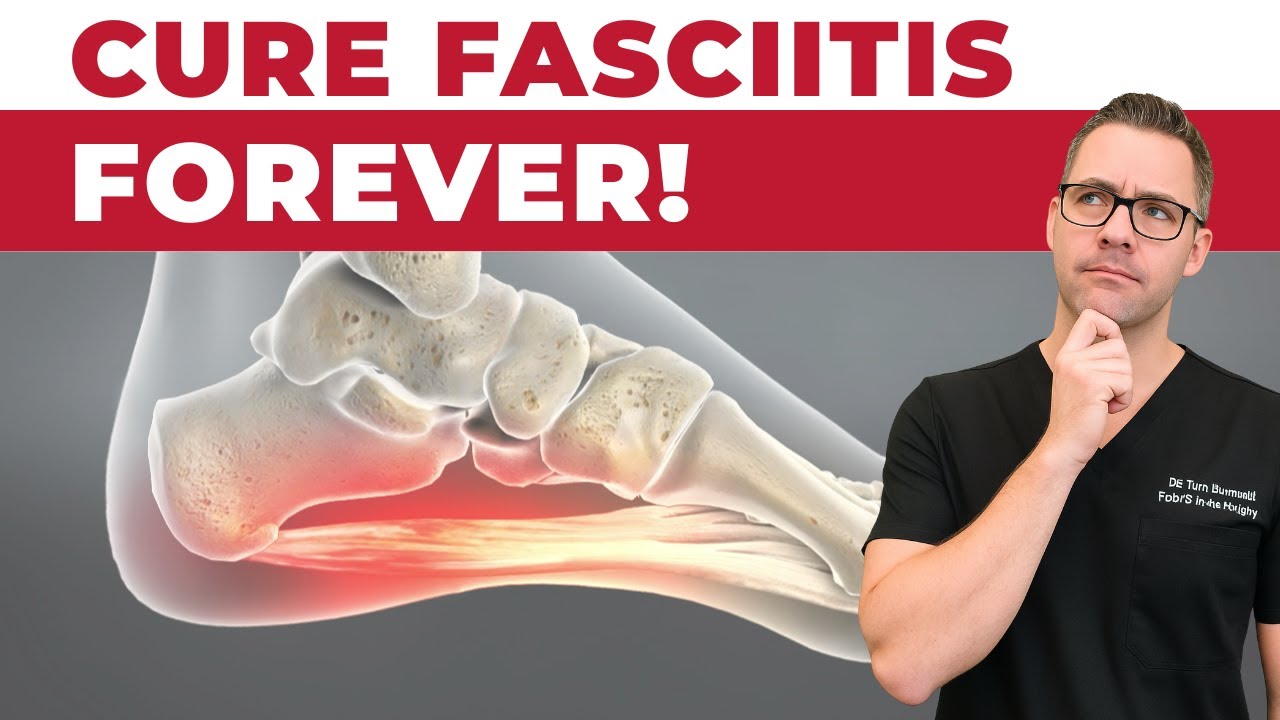
Watch: How To Cure Plantar Fasciitis FAST & FOREVER [Heel Pain & Heel Spurs] — MichiganFootDoctors YouTube
When to See a Podiatrist
If morning heel pain has persisted more than 6 weeks, home care alone rarely fixes it. At Balance Foot & Ankle, we combine in-office ultrasound diagnostics, custom orthotics, and — when needed — shockwave or PRP to resolve plantar fasciitis that hasn’t responded to stretching and inserts. Most patients are walking pain-free within 4-8 weeks of starting a structured plan.
Call Balance Foot & Ankle: (810) 206-1402 · Book online · Offices in Howell & Bloomfield Township
Frequently Asked Questions: Volleyball Shoes and Plantar Fasciitis
Can I use running shoes for volleyball if I have plantar fasciitis?
Running shoes provide more PF-protective cushioning than most volleyball shoes, but they are not designed for court lateral movements and create significant ankle injury risk during the direction changes volleyball requires. The outsole of a running shoe is not optimized for hardwood court grip — it can cause sliding during lateral cuts that forces compensatory forefoot overstrike, which actually worsens PF. The lateral upper support in running shoes is also minimal compared to volleyball shoes, increasing ankle inversion risk that secondarily increases posterior tibial tendon tension at the plantar fascial origin.
For PF patients who primarily play recreational volleyball and cannot access volleyball shoes, a cross-training shoe (ASICS Gel-Dedicate, Nike Court Lite) is a better compromise than a running shoe — it provides lateral support for direction changes while maintaining adequate cushioning. A dedicated volleyball shoe from this list remains the ideal solution.
How important is heel drop in volleyball shoes for plantar fasciitis?
Heel drop is the second most important variable in volleyball shoe selection for PF patients (after midsole GRF absorption). A 8–10mm heel drop reduces resting plantar fascial tension by maintaining the ankle in slight plantarflexion during standing and walking — reducing the “wound up” bowstring tension in the fascia that causes morning first-step pain. During the between-rally standing periods that comprise a significant portion of volleyball match time, this passive heel elevation provides continuous PF tension relief. The ASICS Gel-Rocket 11 has the highest heel drop on this list (~10mm) specifically because of this benefit. If your PF pain is primarily during the rest periods and morning of match days rather than during jumps, prioritizing a higher heel-drop volleyball shoe will provide the most noticeable relief.
Should I wear orthotics in my volleyball shoes for plantar fasciitis?
Yes — orthotics in volleyball shoes are effective for PF and more practical than in soccer cleats because volleyball shoe insole depth is more accommodating. The key considerations: use 3/4-length orthotics rather than full-length to avoid raising the toe box; remove the OEM sockliner before inserting the orthotic; ensure the orthotic does not change your heel height by more than 3–4mm (if it does, the shoe’s designed biomechanics are disrupted). For volleyball specifically, an orthotic with a firm heel cup is preferable to a soft cushioned heel cup — the heel cup prevents the calcaneus from displacing laterally during the one-foot landing phase of approach jumps, reducing medial fascial traction. If you already have custom orthotics for walking-related PF, test them in your volleyball shoes during a 20-minute practice before committing to wearing them during matches.
How often should I replace volleyball shoes to protect my plantar fasciitis?
Volleyball shoes should be replaced every 200–300 hours of court use for PF patients — more frequently than the common recommendation of 300–500 hours. This is because the GRF absorption capability of EVA foam and Gel technology degrades through compression set before the outsole shows visible wear. A shoe that looks new externally but has had its midsole compressed through 300+ jump landings provides significantly less PF protection than a fresh pair. A practical monitoring approach: compress the midsole at the heel between your fingers — if it feels solid without significant give, the foam has compressed beyond PF-protective range. Many recreational players wear volleyball shoes for 2–3 seasons before replacing; if your PF symptoms are worsening despite proper shoe selection and technique, shoe age is the first variable to investigate.
What is the Mizuno Wave plate and why does it help plantar fasciitis?
The Mizuno Wave plate is a twin-wave structured plastic element embedded within the midsole that functions as a mechanical spring and load distributor. Unlike foam-only midsoles that absorb GRF primarily by compression directly beneath the impact point, the Wave plate spreads the impact force laterally across a wider surface area — similar to how a spring distributes force across its coil. For plantar fasciitis, this means the peak GRF at the calcaneal insertion (the most common PF pain location) is reduced because some of that force has been displaced to the midfoot and lateral heel regions rather than concentrating at the medial calcaneal tuberosity. Mizuno claims 20–30% GRF reduction vs. equivalent foam-only midsoles, and biomechanical studies have broadly supported Wave plate effectiveness for reducing peak plantar pressure in sport. The Wave Lightning Z7 and Wave Dimension are the two volleyball models with full-length Wave plate coverage.
Keep Playing Volleyball with Plantar Fasciitis
If volleyball PF is keeping you off the court despite the right shoes and technique adjustments, Dr. Tom Biernacki at Balance Foot & Ankle in Howell, Michigan offers the full range of PF treatments — custom orthotics, shockwave therapy (ESWT), and PRP injection — tailored specifically for athletes who want to maintain sport participation during recovery.
In-Office Treatment at Balance Foot & Ankle
When home care and over-the-counter steps haven’t resolved your symptoms, it’s time for an in-office evaluation. At Balance Foot & Ankle in Howell and Bloomfield Township, Michigan, Dr. Tom Biernacki, DPM and team provide diagnostic imaging, a clinical exam, and a plan tailored to your foot type — book online 24/7.

- Slightly Angled Heel Post: PowerStep Pinnacle Maxx insoles for men & women keep the feet from rolling inward, improve stability, and prevent problems caused by overpronation including flat feet and plantar fasciitis.
- Firm But Flexible Design: Our orthotics Pinnacle PowerStep insoles for overpronation are equipped with a deep heel insert cradle for increased comfort, stability, and motion control for standard arch support and immediate heel pain relief.
- Premium Dual Layer Cushioning: For enhanced comfort from heel to toe. As the thickest of our Pinnacle PowerStep orthotics, these need to be worn in shoes where the factory insole can be removed. HSA & FSA Eligible. Made in the USA
- The Perfect Balance of Comfort and Support: These PowerStep Pinnacle arch support inserts for men & women are unlike most other orthotics as they help to correct over-pronation which can cause ankle, knee, and hip pain in your daily routine
- No Trimming: Our arch support PowerStep insoles men & women can use can be worn in a variety of shoe styles & fit in any type with no trimming required! Unlike most insoles for flat feet and other heel pain relief products, these come ready to wear.
As an Amazon Associate, Balance Foot and Ankle earns from qualifying purchases. Product links are affiliate links and we may earn a commission at no extra cost to you. This does not influence our clinical recommendations. Last update on 2026-11-08 / Images from Amazon Product Advertising API
Book online 24/7. Call (810) 206-1402 or book online. Full treatment overview: Plantar Fasciitis Surgery.
When Shoes Aren’t Enough — Dr. Tom’s Top 9 Orthotics
About 30% of patients I see for foot pain need MORE than a great shoe — they need a structured insole. Below: my complete 2026 orthotic ranking with pros, cons, and the specific patient I’d give each one to.
★ DR. TOM’S COMPLETE 2026 ORTHOTIC RANKING
9 Best Prefab Orthotics by Use Case
PowerStep, Currex, Spenco, Vionic, and Superfeet — every orthotic I’ve fitted to thousands of patients across both Michigan offices. Each card includes pros, cons, and the specific patient I’d give it to. Real Amazon ratings, review counts, and prices below.
Best All-Purpose Orthotic for Most Patients
Semi-rigid arch shell + dual-layer cushion + deep heel cup. The orthotic I’ve fitted to more patients than any other for 15 years. APMA-accepted. Trim-to-fit design works in athletic shoes, casual shoes, and most work boots.
- #1 Podiatrist Recommended - The Pinnacle PowerStep insoles for men & women provide maximum cushioning, from high activity to moderate support. The arch support shape provides stability to the foot & ankle, helping to relieve foot pain.
- When you spend all day on your feet, every step counts. These plantar fasciitis insoles are podiatrist-recommended to help relieve & prevent foot pain for people with plantar fasciitis, heel spurs, and other common foot, ankle & knee injuries
- The Pinnacle PowerStep insoles offer superior heel cushioning and arch support. These shoe inserts for men and women have dual-layer cushioning to help reduce stress and fatigue, while premium arch support is designed for plantar fasciitis relief
- The PowerStep Pinnacle arch support inserts for men & women can be worn in a variety of shoe types such as; athletic, walking, running, work & some casual shoes. Orthotic Inserts are ordered by shoe size, no trimming required.
- These insoles for shoes are made in the USA & backed by a 30-day money-back guarantee. PowerStep shoe insoles for men & women are designed for shoes where the factory insole can be removed. HSA & FSA Eligible
As an Amazon Associate, Balance Foot and Ankle earns from qualifying purchases. Product links are affiliate links and we may earn a commission at no extra cost to you. This does not influence our clinical recommendations. Last update on 2026-11-07 / Images from Amazon Product Advertising API
✓ Pros
- Semi-rigid arch shell provides true biomechanical correction
- Deep heel cup centers the heel and reduces lateral instability
- Dual-layer cushion (top + bottom) lasts 9-12 months daily wear
- Available in 8 sizes for precise fit
- APMA-accepted and clinically validated
- Lower price than Superfeet Green for equivalent function
✗ Cons
- Too thick for most dress shoes (use ProTech Slim instead)
- Some break-in period required (3-7 days for arch tolerance)
- Not enough correction for severe pes planus or rigid pes cavus
Dr. Tom’s Recommendation: If a patient has run-of-the-mill plantar fasciitis, mild flat feet, or arch fatigue, this is the first orthotic I try. Better value than Superfeet for 90% of patients, which is why I swapped it into our clinic kits three years ago. Sub-$50 typically.
Maximum Motion Control · Flat Feet & Severe Over-Pronation
PowerStep’s most aggressive stability orthotic. Adds a 2°-7° medial heel post on top of the standard PowerStep platform — designed specifically for flat-footed patients and severe pronators who need real corrective force.

- Full Length Support: Our ProTech arch support inserts for men & women support mild to moderate pronation, arch pain, heel pain, plantar fasciitis, and heel spurs
- Plantar Fasciitis Relief: These orthotics for plantar fasciitis provide full-length, total-contact support. Plantar fasciitis relief insoles help ease arch & heel pain, Achilles tendonitis, shin splints, bunions, heel spurs & more.
- Firm but Flexible Support: These shoe insoles for plantar fasciitis feature contoured neutral arch support and a deep heel cradle for comfort, stability & motion control. This shoe insole fits most shoes, including work boots & sneakers.
- ShockAbsorb Technology: PowerStep neutral arch support orthotic insoles contain a premium shock absorbing cushion to provide bounce back with each step, reducing stress on heels, avoiding heel pain & heel spurs.
- Made in USA: These PowerStep insoles for shoes are made in the USA. PowerStep shoe insoles for women & men are designed for shoes where the factory insole can be removed. HSA & FSA Eligible
As an Amazon Associate, Balance Foot and Ankle earns from qualifying purchases. Product links are affiliate links and we may earn a commission at no extra cost to you. This does not influence our clinical recommendations. Last update on 2026-11-07 / Images from Amazon Product Advertising API
✓ Pros
- 2°-7° medial heel post adds aggressive pronation control
- Same trusted PowerStep arch shell, more correction
- Built specifically for flat-foot biomechanics
- Excellent for posterior tibial tendon dysfunction (PTTD)
- Removable top cover for cleaning
✗ Cons
- Too aggressive for neutral-arch patients
- Needs longer break-in (10-14 days) due to stronger correction
- Adds 2-3 mm of stack height — won’t fit slim dress shoes
Dr. Tom’s Recommendation: When a patient comes in with significant flat feet AND symptoms (heel pain, arch pain, knee pain), the Original PowerStep isn’t aggressive enough. The Maxx is what gets prescribed. About 25% of my flat-footed patients end up here.
Low-Profile · Fits Dress Shoes & Narrow Casuals
3 mm slim profile with podiatrist-designed tri-planar arch technology. Engineered specifically to fit inside dress shoes, oxfords, loafers, and women’s flats without crowding the toe box. Vionic was founded by an Australian podiatrist.
No products found.
✓ Pros
- 3 mm slim profile (vs 7-10 mm for standard orthotics)
- Tri-planar arch technology adds support without bulk
- Built-in deep heel cup despite slim design
- Fits dress shoes WITHOUT having to remove the factory insole
- Trim-to-fit · APMA-accepted
✗ Cons
- Less arch support than full-volume orthotics
- Top cover wears faster than thicker alternatives
- Not enough correction for severe foot deformities
Dr. Tom’s Recommendation: My default when a patient says ‘I need orthotics but I have to wear dress shoes for work.’ Slim enough to fit in oxfords and pumps without the heel sliding out. The single highest-impact change you can make for office workers with foot pain.
Built-In Metatarsal Pad · Morton’s Neuroma · Ball-of-Foot Pain
Standard Pinnacle orthotic with a built-in metatarsal pad positioned proximal to the metatarsal heads — the exact location that offloads neuromas and metatarsalgia. No need for separate met pads or pad placement guesswork.
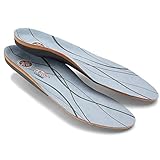
- PODIATRIST DESIGNED! An effective alternative to expensive custom-made orthotics. Innovative biomechanical THREE-ZONE COMFORT technology delivers deep heel cup stability, forefoot cushioning, and ultimate arch support to prevent excessive pronation caused by flat feet. These essential contact points help to realign positioning of feet, aiding to re-establish your body's natural alignment, from the ground up.
- VIONIC ORTHOTIC INSOLES! These women's and men's shoe inserts offer a convenient, pain-free natural healing solution for many of the common aches and pains associated with poor lower-limb alignment, plantar fasciitis, and arch pain. EVA orthotic with re-enforced, hardened plastic (PE) shell for added motion control and stability. Cushioned shock dot in the heel for added shock absorption. Can be trimmed in forefoot if necessary.
- DESIGNED FOR EVERYDAY USE! Designed to provide greater control in faster paced activities such as running and fast walking. 4 degree rear foot wedge to provide support and control which helps prevent excess pronation. Odor absorbing cover. Contoured around the heel and arch areas to achieve 100% foot contact. Podiatrist Designed, APMA Seal of Acceptance.
- COMFORTABLE TO WEAR! Shoe inserts for women and men contoured around the heel and arch areas to achieve perfect foot contact.
- SIZES AVAILABLE: XS: Women's 4.5 – 6 / Men's 3.5 – 5 S: Women's 6.5 – 8 / Men's 5.5 – 7 M: Women's 8.5 – 10 / Men's 7.5 – 9 L: Women's 10.5 – 12 / Men's 9.5 – 11 XL: Men's 11.5 – 13
As an Amazon Associate, Balance Foot and Ankle earns from qualifying purchases. Product links are affiliate links and we may earn a commission at no extra cost to you. This does not influence our clinical recommendations. Last update on 2026-11-08 / Images from Amazon Product Advertising API
✓ Pros
- Built-in met pad eliminates DIY pad placement errors
- Specifically designed for Morton’s neuroma + metatarsalgia
- Same trusted PowerStep arch + heel cup platform
- Top cover protects sensitive forefoot skin
- Faster relief than orthotics + add-on met pads
✗ Cons
- Met pad position is fixed (can’t fine-tune individual placement)
- Some patients with very small or very large feet need custom
- Slightly thicker than the standard Pinnacle
Dr. Tom’s Recommendation: If a patient has Morton’s neuroma, sesamoiditis, or generalized ball-of-foot pain (metatarsalgia), this saves a clinic visit and a prescription. The built-in pad placement is anatomically correct for 80% of feet. Way better than DIY met pads.
Adaptive Dynamic Arch · Athletic & Daily Wear
Currex’s flagship adaptive arch technology — the orthotic flexes with your gait instead of fighting it. Different stiffness zones along the length give you targeted support at the heel, midfoot, and forefoot. Available in three arch heights (low/medium/high).

- Signature waffle-inspired rubber outsole for traction and flexibility
As an Amazon Associate, Balance Foot and Ankle earns from qualifying purchases. Product links are affiliate links and we may earn a commission at no extra cost to you. This does not influence our clinical recommendations. Last update on 2026-11-07 / Images from Amazon Product Advertising API
✓ Pros
- Dynamic flex zones adapt to natural gait cycle
- Three arch heights ensure precise fit
- Lighter than rigid orthotics (no ‘heavy foot’ feel)
- Excellent for runners and athletic walkers
- European podiatric design (German engineering)
✗ Cons
- More expensive than PowerStep Original ($55-65 typically)
- Less aggressive correction than Pinnacle Maxx for severe cases
- Three arch heights means you must self-select correctly
Dr. Tom’s Recommendation: I started recommending Currex three years ago for runners who said PowerStep felt ‘too rigid.’ The dynamic flex zones respect natural gait. Best for active patients who walk 8K+ steps daily and don’t need maximum motion control.
Running-Specific · Heel Strike + Forefoot Strike Compatible
Currex’s purpose-built running orthotic. The midfoot flex zone is positioned for runner’s gait mechanics, with a flared heel cushion for heel strikers and a forefoot rocker for midfoot/forefoot strikers. Tested on 1000+ runners during product development.
- Provides continuous support of the Plantar Fascia by gently stretching the fascia tissue.
- Compression zones promote circulation, reduce impact vibration, boost recovery and strengthen feet.
- Lightweight, seamless design with extra cushioning provides support while still being comfortable.
- Supports the heel/arch and overall foot structure while stabilizing the tendon for better performance
- Made from high quality materials, the socks are moisture wicking and breathable.
As an Amazon Associate, Balance Foot and Ankle earns from qualifying purchases. Product links are affiliate links and we may earn a commission at no extra cost to you. This does not influence our clinical recommendations. Last update on 2026-11-07 / Images from Amazon Product Advertising API
✓ Pros
- Designed by German biomechanics lab specifically for runners
- Dynamic arch flexes with running gait (not static like PowerStep)
- Three arch heights (low/medium/high)
- Reduces overuse injury risk in mid-distance runners
- Lightweight (no impact on cadence)
✗ Cons
- Premium price ($60-75)
- Not aggressive enough for severe over-pronators (use Pinnacle Maxx)
- Runner-specific design = less ideal for daily walking shoes
Dr. Tom’s Recommendation: If a patient runs 20+ miles per week and has plantar fasciitis or shin splints, this is the orthotic I prescribe. The dynamic flex zones respect running biomechanics in a way that no rigid PowerStep can match. Pricier but worth it for serious runners.
Cavus Foot & High-Arch Patients
Polyurethane base with a deeper heel cup and higher arch profile than PowerStep — built for cavus (high-arched) feet that need maximum cushion and support. The 5-zone cushioning system addresses the unique pressure points of high-arch feet.

- The first generation of Protalus's M-100 Insole
- Patented Alignment Technology: The M-100 features a deep heel cup and contoured arch to correct overpronation and promote better posture, stability, and joint health throughout your body.
- Comfortable Insoles: The patented stress relief replacement shoe insoles increase comfort and relieve plantar fasciitis and anti-fatigue.
- Improves Alignment: The shoe insoles help improve alignment and reduce pain in the feet, ideal for low and high arches.
As an Amazon Associate, Balance Foot and Ankle earns from qualifying purchases. Product links are affiliate links and we may earn a commission at no extra cost to you. This does not influence our clinical recommendations. Last update on 2026-11-07 / Images from Amazon Product Advertising API
✓ Pros
- Deeper heel cup centers the heel for cavus foot stability
- Higher arch profile fills the void under high arches
- 5-zone cushioning addresses cavus foot pressure points
- Polyurethane base lasts 12+ months
- Available in Wide width
✗ Cons
- Too tall/aggressive for normal or low arches
- Won’t fit slim dress shoes
- Pricier than PowerStep Original
- Some patients find the arch height uncomfortable initially
Dr. Tom’s Recommendation: Cavus foot patients are often misdiagnosed and given low-arch orthotics — that makes everything worse. Spenco’s Total Support has the arch profile that high-arch feet actually need. About 15% of my patients have cavus feet; this is what they wear.
Cushion Layer · Standing All Day · Gel Pressure Relief
NOT a true biomechanical orthotic — this is a cushion insole. But for patients who want gel pressure relief instead of arch correction (or to add ON TOP of factory insoles in work boots), this is the best gel option on Amazon.
No products found.
✓ Pros
- Genuine gel cushioning (not foam pretending to be gel)
- Targeted gel waves under heel and ball of foot
- Trim-to-fit · works in most shoe types
- Sub-$15 price (most affordable option in this list)
- Massaging texture is genuinely soothing
✗ Cons
- ZERO arch support — this is cushion only
- Won’t fix plantar fasciitis or flat-foot issues
- Compresses faster than PowerStep (4-6 months)
- Top cover wears through in high-mileage applications
Dr. Tom’s Recommendation: I recommend these to patients who tell me ‘I just want my feet to stop hurting at the end of my shift’ and who don’t have a biomechanical issue. Construction workers, factory workers, retail. Pure cushion does the job for them.
Tight-Fitting Shoes · Cycling Shoes · Hockey Skates
Superfeet’s slim version of their famous Green insole. The trademark stabilizer cap is preserved but the overall thickness is reduced — works in cycling shoes, hockey skates, ski boots, and other tight-fitting footwear that the standard Superfeet Green can’t fit into.
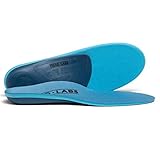
- Plantar Fasciitis Relief, Every Step – Firm arch support helps relieve heel and arch pain from plantar fasciitis and supports flat feet and overpronation for better alignment and all-day comfort.
- Clinical-Grade Biomechanics – Tread Labs 26-33 ARCHitecture delivers orthotic-level stability—custom-orthotic feel without the prescription.
- Dialed Fit for Any Shoe – Four arch heights (low, medium, high, extra-high) and an easy 3-step sizing guide make selection simple for work boots, sneakers, and everyday shoes—great for standing all day.
- Built to Last a Million Miles – Durable, recyclable arch supports with our Million-Mile Guarantee; replaceable top covers keep insoles fresh and cost-effective. Unlike foam that flattens, Pace is engineered to last.
- Trusted Expertise – Designed by Mark Paigen (founder of Chaco). Premium arch support inserts for men and women backed by decades of footwear innovation.
As an Amazon Associate, Balance Foot and Ankle earns from qualifying purchases. Product links are affiliate links and we may earn a commission at no extra cost to you. This does not influence our clinical recommendations. Last update on 2026-11-07 / Images from Amazon Product Advertising API
✓ Pros
- Stabilizer cap centers the heel (Superfeet’s signature feature)
- Slim profile fits tight athletic footwear
- Lasts 12+ months daily wear
- Excellent for cycling shoes specifically
- Built-in odor-control treatment
✗ Cons
- Premium price ($45-55)
- Less cushion than PowerStep equivalents
- Not as aggressive correction as Pinnacle Maxx for flat feet
- The signature ‘heel cup feel’ takes 1-2 weeks to adapt to
Dr. Tom’s Recommendation: If you’re a cyclist with foot numbness, hot spots, or knee pain — this is the orthotic. The stabilizer cap solves cycling-specific biomechanical issues that no other orthotic addresses. Worth the premium for athletes.
None of these solving your foot pain?
Some patients (about 30%) need custom-molded prescription orthotics. We make 3D-scanned custom orthotics in our Howell and Bloomfield Township offices — specifically built for your foot mechanics.
Schedule a Custom Orthotic Fitting →FSA/HSA eligible · Most insurance accepted · (810) 206-1402
VitaMedica Arnica Gel
Arnica gel plus 15 plant compounds for sore feet, plantar fasciitis flares and post-activity soreness. Apply a thin layer to the sore area.
Shop VitaMedica Arnica Gel →Ready to feel better?
Appointments available in Howell and Bloomfield Township, Michigan.
Book Your Visit
Dr. Tom Biernacki, DPM is a board-certified foot & ankle surgeon (ABFAS & ABPM) at Balance Foot & Ankle Specialists in Southeast Michigan. With over a decade of clinical experience, he specializes in heel pain, bunions, diabetic foot care, sports injuries, and minimally invasive surgery. Dr. Biernacki is a member of the APMA and ACFAS, and his patient education content on MichiganFootDoctors.com and YouTube has made him one of the most-followed foot & ankle educators on YouTube.