
Medically reviewed by Dr. Tom Biernacki, DPM
Board-certified podiatric surgeon | Balance Foot & Ankle, Howell & Bloomfield Township, MI
Last reviewed: May 2026

| Work Boot Pain Problem | Root Cause | Fix | Timeline |
|---|---|---|---|
| Heel blisters (new boot) | Stiff heel counter rubbing during break-in | Leukotape; wool socks; heel slip padding; leather conditioner | Resolves after 2–4 weeks break-in |
| Arch pain (mid-shift) | Flat OEM insole; no medial support | Replace with Superfeet Green or custom orthotic | Immediate improvement with new insole |
| Ball of foot pain (metatarsalgia) | Stiff sole prevents toe roll; forefoot load | Metatarsal pad insole; flexible work boot option | 1–2 weeks to see improvement |
| Achilles collar irritation | High ankle cut rubbing AT insertion | Heel lift; collar padding; break-in progression | Resolves after break-in; persistent = different boot style |
| Steel toe pressure on toenails | Toe box too shallow; nail length | Trim nails short; size up; composite toe boot (more depth) | Immediate with correct boot size |
| Overall fatigue and heaviness | Boot weight; concrete floor vibration | Composite toe boot (lighter); anti-fatigue insole; anti-fatigue mat | Switch boots for immediate relief |
| Work Boot Insole | Arch Support | Thickness (mm) | Foot Health Rating | Best For |
|---|---|---|---|---|
| Superfeet Green | High (firm medial) | 6mm at arch | ⭐⭐⭐⭐⭐ | All-day standing; plantar fasciitis; flat feet |
| Tread Labs Stride | High (4 arch heights) | 5–7mm | ⭐⭐⭐⭐⭐ | Custom arch height matching; precise fit |
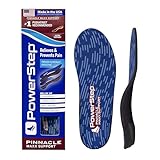
| Powerstep Pinnacle | High | 7–9mm | ⭐⭐⭐⭐ | Wider boots; good cushion + support combo |
| Spenco Total Support | Moderate | 6–8mm | ⭐⭐⭐ | Light-moderate arch needs; good cushioning |
| OEM (stock) insole | None–Minimal | 3–5mm | ⭐ — replace immediately | Do not use for occupational standing |
| Custom prescription orthotics | Maximum (individualized) | 4–6mm (carbon fiber shell) | ⭐⭐⭐⭐⭐ | Failed OTC insoles; structural deformity; severe PF |
Quick answer: Foot Pain From Work Boots has multiple potential causes including mechanical, neurological, vascular, and inflammatory. The most common causes we identify are overuse, ill-fitting shoes, and biomechanical imbalance. Red flags requiring urgent evaluation: warmth/redness (infection), inability to bear weight (fracture), and unilateral swelling without injury (DVT). Call (810) 206-1402.
Medically Reviewed | Dr. Tom Biernacki, DPM | Board-Certified Podiatrist | Balance Foot & Ankle, Michigan

Watch: How to Cure Plantar Fasciitis in One Week? [FAST Heel Pain Relief!] — MichiganFootDoctors YouTube
Foot Pain From Work Boots: Quick Answer
Work boots cause foot pain in many workers – the heavy weight, rigid construction, and prolonged wear stress feet uniquely. We help dozens of workers yearly at Balance Foot and Ankle. Here is the comprehensive work boot foot pain guide.
Why Work Boots Cause Foot Pain
Work boot demands: Heavy construction; ankle support requirements; tight lacing for safety; long shifts (8-12 hours); often required by employer; varied work surfaces; weather protection demands; safety features (steel toe, puncture resistance) add weight; break-in period needed. Different from athletic shoes: built for protection over comfort generally.
Most Common Work Boot Foot Issues
1. Plantar fasciitis: From boot weight and standing. 2. Achilles tendinitis: From boot back pressure. 3. Foot fatigue: From boot weight. 4. Bunion irritation: Boot pressure. 5. Hammertoe pain: Toe deformities. 6. Foot fungus: Sweaty conditions. 7. Pressure points: Specific areas of pain. 8. Heel pain: From standing. 9. Numbness: Over-tight lacing. 10. Calf cramps: From boot demands.
Best Work Boot Brands
Top brands for foot health: Red Wing (premium); Wolverine; Carhartt; Timberland Pro; KEEN Utility; Carolina; Caterpillar; Thorogood; Danner. Match boot to job: Construction (steel/composite toe); landscaping (waterproof important); industrial (chemical-resistant if needed); cold weather (insulated). Replace regularly: Every 6-12 months for daily wearers; sooner if visible damage.
Custom Orthotics for Work Boots
Work boot orthotic considerations: Must fit in work boot space; provide arch support for prolonged standing; reduce foot fatigue; address pre-existing conditions; durable for heavy daily use. Many workers benefit: Especially with chronic plantar fasciitis; flat feet; high arches; chronic foot pain. Often workers comp covered: For diagnosed work-related conditions.
Lace Bite and Pressure Point Solutions
Common pressure issues: Top of foot from lacing; ankle bones; specific bone prominences. Solutions: Proper lacing technique (skip eyelets where pain occurs); lace bite pads; gel pads for pressure points; boot stretching at boot shop; padded boot collar; sometimes need different boot brand. Persistent issues: indicate fit problem requiring professional boot evaluation.
Boot Sizing and Fit
Work boot fitting: Allow for foot expansion during shift (especially in heat); typically 1/2 size larger than dress shoes; consider wider widths if needed; heel must lock properly; toes shouldnt touch front; adequate room for thick work socks. Common error: Boots too small (causes injuries). Recommendation: Get fitted at quality work boot shop; bring work socks for fitting.
Multi-Boot Strategy
Rotation between boots: Allows boots to dry; extends boot life; reduces fungal risk. Multi-boot strategy: Have 2 pairs of work boots; alternate days; each pair lasts longer; feet drier and healthier. For different conditions: Summer boots (more breathable); winter boots (insulated); rain boots (waterproof); sometimes specialty boots for specific tasks.
Sock Selection for Work Boots
Work boot socks: Critical for comfort and foot health. Best: Merino wool (Darn Tough, Smartwool); blend (cotton/synthetic); moisture-wicking; appropriate cushion level for boot. Avoid: 100% cotton (causes blisters, fungus); too tight socks (restrict circulation); too loose (bunching, blisters). Sock change: mid-shift if very sweaty; clean dry socks daily.
Foot Care Routine for Work Boot Wearers
Pre-work: Clean dry feet; antifungal powder; quality sock fit; orthotics in boots; clean dry boots. End-of-shift: Boot removal; air out boots; sock removal; foot wash; moisturizer; address developing issues. Boot care: Alternate boots; clean regularly; address damaged boots; replace before they cause foot problems.
When to See a Podiatrist
See us if: work boot foot pain persists despite boot adjustments; suspected plantar fasciitis; bunion or hammertoe progression from boots; recurring foot fungus; need orthotic evaluation; chronic conditions worsening; workers comp evaluation needed; need different boot recommendation; toe cap pressure causing chronic pain. Appointments at Balance Foot and Ankle. Schedule online.
Podiatrist-Recommended Products


Frequently Asked Questions About Foot Pain From Work Boots
Why do work boots hurt my feet?
Heavy construction; ankle support requirements; tight lacing for safety; long shifts (8-12 hours); often required by employer; safety features add weight; break-in period needed. Built for protection over comfort generally.
What work boots are best for foot pain?
Top brands: Red Wing (premium); Wolverine; Carhartt; Timberland Pro; KEEN Utility; Carolina; Caterpillar; Thorogood; Danner. Match boot to job. Replace every 6-12 months for daily wearers.
How should work boots fit?
Allow for foot expansion during shift; typically 1/2 size larger than dress shoes; consider wider widths if needed; heel must lock properly; toes shouldnt touch front; adequate room for thick work socks. Common error: boots too small.
Can I wear orthotics in work boots?
YES with work boot-appropriate orthotics. Must fit in work boot space; provide arch support for prolonged standing; reduce foot fatigue; durable for heavy daily use. Often workers comp covered for diagnosed conditions.
Should I have multiple pairs of work boots?
YES – rotation between boots allows boots to dry; extends boot life; reduces fungal risk. Have 2 pairs; alternate days; each lasts longer; feet drier and healthier. Different boots for different conditions sometimes.
What socks should I wear with work boots?
Merino wool (Darn Tough, Smartwool); blend; moisture-wicking; appropriate cushion level. Avoid 100% cotton (blisters, fungus); too tight (restrict circulation); too loose (bunching, blisters). Mid-shift change if very sweaty.
When should I see a podiatrist about work boot foot pain?
Pain persists despite boot adjustments; suspected plantar fasciitis; bunion/hammertoe progression; recurring foot fungus; need orthotic evaluation; chronic conditions worsening; workers comp evaluation needed; need different boot recommendation.
Related Resources from Balance Foot & Ankle
Still Dealing With Foot Pain From Work Boots?
Appointments at Balance Foot & Ankle in Howell & Bloomfield Township, MI.
Book Your Appointment⚕ Doctor Recommended
Doctor Hoy’s Natural Pain ReliefTopical relief for foot & ankle pain
View Product →Frequently Asked Questions
Podiatrist-Recommended Products
These are the products Dr. Tom recommends most often in his clinic at Balance Foot & Ankle for lasting foot pain relief:
- PowerStep Pinnacle Arch Support Insoles — #1 clinic recommendation for arch support and heel pain relief
- Doctor Hoy’s Natural Pain Relief Gel — Fast-acting topical relief used and trusted by podiatrists
- CURREX RunPro Insoles — Dynamic arch profile for active patients and runners
As an Amazon Associate, Balance Foot & Ankle earns from qualifying purchases. These recommendations reflect genuine clinical use.
In-Office Treatment at Balance Foot & Ankle
If home treatment isn’t providing relief for your foot and ankle conditions, our podiatry team at Balance Foot & Ankle can help with expert evaluations and advanced in-office care.
APMA: Safety & Work Boot Selection Standards
Ready to Get Relief?
Appointments available in Howell & Bloomfield Township, MI
4.9★ | 1,123 Reviews | 3,000+ Surgeries
Or call: (810) 206-1402

Dr. Tom Biernacki, DPM is a board-certified foot & ankle surgeon (ABFAS & ABPM) at Balance Foot & Ankle Specialists in Southeast Michigan. With over a decade of clinical experience, he specializes in heel pain, bunions, diabetic foot care, sports injuries, and minimally invasive surgery. Dr. Biernacki is a member of the APMA and ACFAS, and his patient education content on MichiganFootDoctors.com and YouTube has made him one of the most-followed foot & ankle educators on YouTube.