
Dr. Tom’s Top Toenail Fungus Picks (2026)
Affiliate disclosure: As an Amazon Associate, Balance Foot & Ankle earns from qualifying purchases.
Medically reviewed by Dr. Tom Biernacki, DPM · Board-Certified Podiatric Surgeon · Last reviewed: April 2026 · Editorial Policy
Quick Answer
How Does Toenail Fungus Spread? Prevention Guide relates to toenail conditions — typically caused by fungal infection or trauma. Most patients improve in 6-12 months for nail regrowth with conservative care. Same-week appointments in Howell + Bloomfield Township: (810) 206-1402.
Quick Answer
Toenail fungus (onychomycosis) is a dermatophyte infection causing yellow-brown discolouration, thickening, and brittleness. It will not resolve without treatment. OTC options work only for very early cases — established infection needs oral terbinafine or laser therapy.
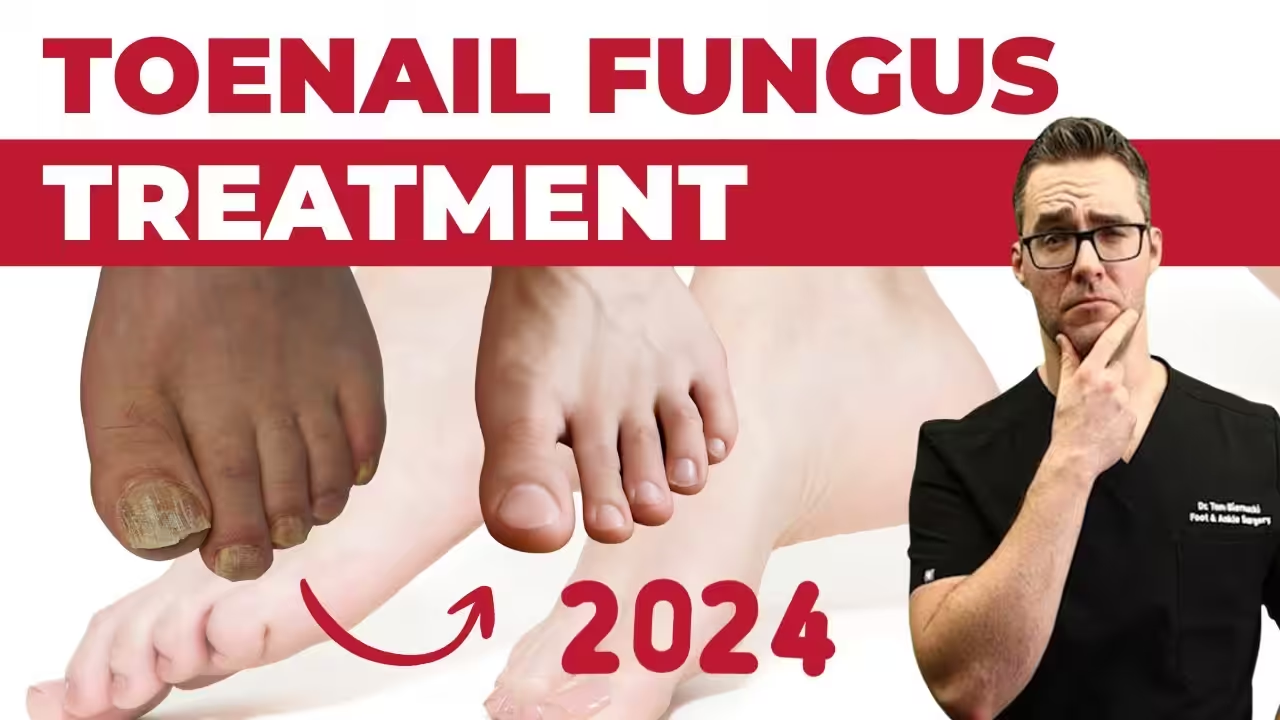
Watch: Dr. Tom Biernacki, DPM
In This Article
- Quick Answer
- How Toenail Fungus Spreads
- The Athlete’s Foot Connection
- High-Risk Environments
- Spreading Between Nails
- Person-to-Person Transmission
- Who’s Most at Risk?
- How to Prevent Toenail Fungus
- Podiatrist-Recommended Products
- In-Office Treatment at Balance Foot & Ankle
- Podiatrist-Recommended Products
- Differential Diagnosis: What Else Could It Be? Several conditions share symptoms with Toenail Fungus and are commonly misdiagnosed in the first office visit. Considering these alternatives is part of every Balance Foot & Ankle exam: Nail psoriasis. Pitting, oil-drop spots, salmon patches — responds to topical steroid, not antifungal. Nail trauma (runner’s nail). Subungual hematoma from repetitive impact — shoe fit fix, not antifungal. Onychogryphosis. Thickened, ram’s-horn nail of the elderly — debridement, not pills. If your symptoms don’t fit the textbook pattern, ask your podiatrist which differentials they ruled out — that conversation often shortcuts months of trial-and-error treatment. In Our Clinic In our clinic, the toenail fungus patient has usually already tried OTC topical antifungals for months with no improvement. We confirm the diagnosis with a PAS stain or fungal culture — because about 30 % of thickened, discolored nails are actually NOT fungal (they’re trauma, nail psoriasis, or keratin granulation from polish). For true dermatophyte onychomycosis, oral terbinafine (Lamisil) remains the most effective treatment with ~70 % cure rate and manageable safety monitoring. Nail laser and topical efinaconazole are options for patients who can’t take oral medication. The nail grows back clear over 9–12 months, not overnight. Most Common Mistake We See
- Warning Signs That Need Same-Day Care
Understanding how toenail fungus spreads is the first step toward stopping it. If you’re trying to prevent your first infection, keep an existing infection from worsening, or protect your family members — knowing the transmission pathways empowers you to take targeted action. At Balance Foot & Ankle, we educate every toenail fungus patient about prevention because treatment without prevention is a losing battle against reinfection.
How Toenail Fungus Spreads
Toenail fungus (onychomycosis) is caused primarily by dermatophyte fungi — microscopic organisms that feed on keratin, the protein that makes up nails, skin, and hair. These fungi produce spores that can survive on surfaces for months, waiting for contact with a susceptible host. Infection occurs when fungal spores enter the nail through tiny cracks, cuts, or the space between the nail plate and nail bed.
The fungus doesn’t spread through the air — it requires direct or indirect contact. You pick up fungal spores from contaminated surfaces (floors, shared towels, shoes) or from your own infected skin. Once established under the toenail, the fungus creates a biofilm that protects it from your immune system and topical treatments, which is why toenail fungus is so difficult to treat.
The Athlete’s Foot Connection
The most common pathway for toenail fungus is from athlete’s foot (tinea pedis) to the toenail. Both conditions are caused by the same dermatophyte fungi — the infection simply moves from the skin to the nail. Studies show that approximately 30–40% of patients with athlete’s foot eventually develop toenail fungus if the skin infection isn’t treated.
Athlete’s foot typically starts as itchy, scaly, cracked skin between the toes or on the sole. From there, the fungus migrates to the nail fold (the skin surrounding the nail) and enters the nail plate. This is why treating athlete’s foot immediately is one of the most effective ways to prevent toenail fungus — and why treating nail fungus without addressing concurrent athlete’s foot almost guarantees reinfection.
High-Risk Environments
Dermatophyte fungi thrive in warm, moist, humid environments. The highest-risk locations for fungal exposure include gym and health club locker rooms and showers, public swimming pool decks, communal showers (dormitories, military barracks, hotels), nail salons that don’t properly sterilize equipment, and the inside of your own shoes (where warmth and moisture create an ideal fungal habitat).
A 2024 study in Mycoses found viable dermatophyte fungi on 63% of locker room floors sampled, with the highest concentrations near shower areas. The fungi can survive on surfaces for 12–20 months, meaning you don’t need to step directly on an infected person’s skin — you just need to walk barefoot in an area where someone with a fungal infection has walked before you.
Spreading Between Nails
Once one toenail is infected, the fungus can spread to adjacent nails on the same foot and even to the opposite foot. This happens through direct contact between toes, shared nail instruments (clippers, files), and inside your shoes where infected nail debris accumulates. The big toenail and the little toenail are most commonly affected initially because they’re most exposed to shoe friction.
To prevent nail-to-nail spread, disinfect your nail tools after each use (rubbing alcohol or diluted bleach), clip the infected nails last, wash your hands between clipping infected and healthy nails, and apply antifungal powder or spray inside your shoes daily.
Person-to-Person Transmission
Toenail fungus can spread between family members through shared bathrooms, bath mats, towels, nail clippers, and socks. Partners who share a bed may transmit infection through shared sheets. Household transmission is common — a study in the Journal of the American Academy of Dermatology found that 22% of households with one member having onychomycosis had at least one other infected family member.
To protect your family, each person should use their own towels, nail tools, and socks. Disinfect shared showers and bathtubs with a bleach-based cleaner weekly. Don’t share shoes. And if you have toenail fungus, wear socks or slippers at home rather than walking barefoot on shared floors.
Who’s Most at Risk?
- Adults over 60: Reduced circulation, slower nail growth, and decades of fungal exposure increase susceptibility
- Diabetics: Impaired immune response and reduced blood flow to extremities make fungal infections more common and harder to clear
- Athletes: Sweaty feet in tight shoes, shared locker rooms, and nail trauma create ideal conditions
- People with peripheral vascular disease: Reduced circulation impairs immune defense in the feet
- Immunocompromised individuals: HIV, organ transplant recipients, and patients on immunosuppressive therapy
- People with a history of athlete’s foot: The strongest predictor of toenail fungus
- Family history: Genetic susceptibility to dermatophyte infections runs in families
How to Prevent Toenail Fungus
- Wear shower shoes in all public wet areas — gym showers, pool decks, hotel bathrooms, locker rooms
- Keep feet dry: Dry feet thoroughly after bathing (especially between toes), use moisture-wicking socks, change socks when damp
- Rotate shoes: Allow at least 24 hours between wearings for shoes to dry completely
- Treat inside shoes: Use antifungal spray or UV shoe sanitizer to kill fungi inside footwear
- Trim nails properly: Keep nails short and straight across; don’t share clippers
- Treat athlete’s foot immediately: Don’t ignore itching or scaling between toes — apply antifungal cream for 2–4 weeks, even after symptoms resolve
- Disinfect nail tools: Soak clippers in rubbing alcohol for 10 minutes after each use
- Choose reputable nail salons: Ensure they autoclave metal tools and use fresh disposable files and buffers for each client
- Apply antifungal powder: Daily antifungal powder to feet and inside shoes creates a hostile environment for fungi
- Replace old shoes: Shoes that harbored a fungal infection retain spores — replace them after completing treatment
Podiatrist-Recommended Products
These products are recommended by our podiatrists at Balance Foot & Ankle based on clinical experience.
- SteriShoe UV Shoe Sanitizer — Clinically proven to kill 99.9% of fungi inside shoes in 45 minutes
- Copper-Infused Moisture-Wicking Socks — Keep feet dry while inhibiting fungal growth
- 100% Pure Tea Tree Oil — Prophylactic daily application to healthy nails in high-risk individuals
- Fungi-Nail Antifungal Solution — OTC treatment for early-stage infections
Affiliate disclosure: We may earn a commission at no extra cost to you. Every product listed is tested or recommended in our clinic.
In-Office Treatment at Balance Foot & Ankle
If home care isn’t resolving your toenail fungus, a visit with a board-certified podiatrist is the fastest path to accurate diagnosis and a personalized plan. At Balance Foot & Ankle Specialists, Dr. Tom Biernacki, Dr. Carl Jay, and Dr. Daria Gutkin offer same-week appointments at both our Howell and Bloomfield Township offices. We perform on-site diagnostic ultrasound, digital X-ray, conservative care, advanced regenerative treatments, and minimally invasive surgery when indicated.
Call (810) 206-1402 or request an appointment online. Most insurance plans accepted, including Medicare, Blue Cross Blue Shield, Aetna, Cigna, and United Healthcare.
Frequently Asked Questions
Can toenail fungus spread in a swimming pool?
The chlorinated water itself doesn’t spread fungus effectively, but the warm, wet surfaces around the pool (deck, locker rooms, showers) are prime transmission zones. Fungi thrive in these consistently moist environments. Always wear waterproof sandals when walking around pool areas and dry your feet thoroughly after swimming.
Can I spread toenail fungus to my fingernails?
Yes, though it’s uncommon. The same dermatophyte fungi that cause toenail infections can infect fingernails if you frequently touch or scratch your infected toenails without washing your hands. Wash your hands after treating or handling infected toenails, and never use the same clippers for fingernails and infected toenails without disinfecting them first.
Is toenail fungus contagious in bed?
Toenail fungus can potentially spread between bed partners through shared sheets, especially if fungal debris from infected nails is present. The risk is relatively low compared to shared bathroom exposure, but wearing socks to bed and washing sheets in hot water weekly reduces transmission risk. If one partner has toenail fungus, both should check their feet regularly and treat athlete’s foot promptly.
How long is toenail fungus contagious?
Toenail fungus remains contagious as long as the infection is active — meaning as long as the nail shows visible signs of infection (discoloration, thickening, crumbling). Even during treatment, the fungus can shed spores. You remain contagious until the nail has fully cleared and grown out healthy, which can take 9–18 months. Maintain preventive hygiene throughout the entire treatment course.
The Bottom Line
Toenail fungus spreads through contact with contaminated surfaces and from person to person — but it’s highly preventable. The most important steps are wearing shower shoes in public wet areas, keeping feet dry, treating athlete’s foot promptly, disinfecting shoes and nail tools, and not sharing footwear or towels. If you already have toenail fungus, professional treatment combined with these prevention measures gives you the best chance of clearing the infection and preventing recurrence.
Podiatrist-Recommended Products
🏆 Doctor Hoy’s Natural Pain Relief Gel — Top recommendation for topical skin/nail care.
Fungi-Nail Antifungal Solution — FDA-approved formula for fungal infections.
PowerStep Pinnacle Orthotic Insoles — Reduces pressure on nail conditions.
Frequently Asked Questions
Can toenail fungus go away on its own?
Almost never. Once a fungal infection establishes in the nail matrix, it rarely self-resolves. The nail acts as a physical barrier protecting the fungus from both topical treatments and the immune system. OTC treatments like Vicks VapoRub and tea tree oil show limited evidence for mild cases, but clinical cure rates are under 20%. Prescription treatment — topical ciclopirox, oral terbinafine, or laser therapy — is typically required for meaningful improvement.
What’s the most effective treatment for toenail fungus?
Oral terbinafine (Lamisil) remains the gold standard with 70–80% clinical cure rates over 12 weeks. Topical treatments (efinaconazole, tavaborole) cure 18–55% but avoid the systemic drug exposure. Laser therapy in our office shows 60–75% improvement rates and is a good option for patients who can’t tolerate oral medication. Combination therapy — laser plus topical — produces better outcomes than either alone. Cure is defined as a fully clear nail, which takes 9–12 months even after the infection is eliminated.
Can toenail fungus spread to other nails or to family members?
Yes to both. Toenail fungus spreads readily via shared surfaces — floors, bath mats, showers, socks. Within the same foot, it typically spreads from nail to nail if left untreated. Family transmission is common in shared showers and from shared nail tools. During treatment, disinfect shower floors weekly, avoid sharing towels or nail clippers, wear flip-flops in shared shower areas, and wash socks in hot water. Treating the shoes is also important — antifungal spray applied inside shoes during treatment prevents reinfection.
Why isn’t my over-the-counter toenail fungus treatment working?
Three common reasons: (1) The infection is in the nail matrix, too deep for topical penetration. (2) The nail is too thick for medication to reach the fungus. (3) What looks like fungus may be nail psoriasis, nail trauma, or a secondary bacterial infection — which don’t respond to antifungals. A nail sample for culture confirms the diagnosis and identifies the specific fungal species, which guides treatment selection. We see patients weekly who’ve spent hundreds of dollars on OTC products without a confirmed diagnosis.
Is toenail fungus dangerous?
In healthy individuals, toenail fungus is primarily a cosmetic and quality-of-life issue. In diabetic patients, patients with peripheral vascular disease, or immunocompromised individuals, it’s a genuine safety risk — the thickened nail causes pressure sores, the infected nail provides an entry point for bacterial infection, and tinea pedis (foot fungus) associated with nail fungus can cause skin breakdown. For these patients, aggressive treatment is medically indicated, not optional.
How long does treatment take?
This is the most important thing to understand about toenail fungus: even after successful treatment kills the fungus, the nail takes 9–12 months to grow out completely. Oral terbinafine is taken for 12 weeks; the fungus is eliminated within that period, but patients expect to see a clear nail immediately and feel the treatment failed. Improvement at 3 months looks like a clear nail growing from the base. Full cosmetic clearance at 12 months. Patience with the process is essential.
Can toenail fungus cause other health problems?
In high-risk patients — yes. The most important association is athlete’s foot (tinea pedis), which frequently co-occurs with nail fungus and can cause skin fissuring that allows bacterial entry. For diabetic patients especially, treating foot fungus is part of diabetic foot care. Severe nail deformity from long-standing fungus can also cause subungual pressure sores, ingrown nails, and difficulty fitting footwear. What starts cosmetic can become functional.
Does insurance cover toenail fungus treatment?
Oral terbinafine is inexpensive and usually covered by insurance with a copay under $30 for a full course. Prescription topical treatments (efinaconazole) are often not covered and cost $400–600 out of pocket. Laser therapy is not covered by insurance but typically costs $400–700 per course of 3 treatments in our office. We’ll discuss what’s appropriate for your case and what your out-of-pocket costs will be before prescribing. Call (810) 206-1402 to check your specific coverage.
What’s the difference between toenail fungus and nail psoriasis?
Both cause nail thickening, discoloration, and deformity — they can look identical to the naked eye. Key differences: psoriasis often causes ‘pitting’ (small dimples in the nail surface), oil-drop spots, and is associated with skin psoriasis elsewhere on the body. Fungus causes more uniform thickening and yellowing. The only definitive differentiation is a nail sample sent for PAS staining and fungal culture. Misdiagnosis is extremely common — we’ve seen patients treat ‘fungus’ for years when they actually had nail psoriasis.
How do I prevent toenail fungus from coming back?
The three most evidence-supported prevention strategies: (1) Antifungal spray or powder in shoes daily — the shoe environment harbors fungal spores even after treatment. (2) Replace old shoes after completing treatment; they may be recontaminating you. (3) Flip-flops in all shared showers, pools, locker rooms. Beyond that: keep nails trimmed short, dry feet thoroughly after bathing (especially between toes), and wear moisture-wicking socks. Recurrence rates are 25–30% at 1 year even with good hygiene.
Related Conditions
Ready to Finally Treat Your Toenail Fungus?
Same-week appointments in Howell & Bloomfield Township, MI. Three board-certified podiatrists.
4.9★ | 1,100+ Reviews | 3,000+ Surgeries
Or call: (810) 206-1402
Insurance Accepted
BCBS · Medicare · Aetna · Cigna · United Healthcare · HAP · Priority Health · Humana · View All →
Howell Office
4330 E Grand River Ave
Howell, MI 48843
Get Directions →
Bloomfield Township Office
43494 Woodward Ave, #208
Bloomfield Township, MI 48302
Get Directions →
Your Board-Certified Podiatrists



Ready to Get Back on Your Feet?
Same-week appointments available at both locations.
Book Your AppointmentDifferential Diagnosis: What Else Could It Be?
Several conditions share symptoms with Toenail Fungus and are commonly misdiagnosed in the first office visit. Considering these alternatives is part of every Balance Foot & Ankle exam:
- Nail psoriasis. Pitting, oil-drop spots, salmon patches — responds to topical steroid, not antifungal.
- Nail trauma (runner’s nail). Subungual hematoma from repetitive impact — shoe fit fix, not antifungal.
- Onychogryphosis. Thickened, ram’s-horn nail of the elderly — debridement, not pills.
If your symptoms don’t fit the textbook pattern, ask your podiatrist which differentials they ruled out — that conversation often shortcuts months of trial-and-error treatment.
In Our Clinic
In our clinic, the toenail fungus patient has usually already tried OTC topical antifungals for months with no improvement. We confirm the diagnosis with a PAS stain or fungal culture — because about 30 % of thickened, discolored nails are actually NOT fungal (they’re trauma, nail psoriasis, or keratin granulation from polish). For true dermatophyte onychomycosis, oral terbinafine (Lamisil) remains the most effective treatment with ~70 % cure rate and manageable safety monitoring. Nail laser and topical efinaconazole are options for patients who can’t take oral medication. The nail grows back clear over 9–12 months, not overnight.
Most Common Mistake We See
The most common mistake we see is: Applying OTC antifungal cream onto a lifted or thickened nail where it can’t penetrate. Fix: oral terbinafine or laser therapy for anything beyond early-stage surface discolouration.
Warning Signs That Need Same-Day Care
Seek immediate evaluation at Balance Foot & Ankle if you experience any of the following:
- Spreading redness or warmth around the nail
- Nail fully lifting from the nail bed
- Diabetes or poor circulation (urgent)
- Odour or purulent discharge
Call (810) 206-1402 — same-week appointments at our Howell and Bloomfield Township offices.
Pros & Cons of Conservative Care for toenail conditions
Advantages
- ✓ Most cases resolve at home
- ✓ Same-week appointments available
- ✓ Permanent fix exists
Considerations
- ✗ Recurrence common without prevention
- ✗ Diabetics need professional care
Dr. Tom’s Recommended Products for toenail conditions
Affiliate disclosure: As an Amazon Associate, Balance Foot & Ankle earns from qualifying purchases. We only recommend products we use with patients.
Tolcylen Antifungal Solution Dr. Tom’s Pick
Best for: Most effective topical for fungus
Ready to Get Back on Your Feet?
Same-week appointments in Howell + Bloomfield Township. Most insurance accepted. Dr. Tom Biernacki, DPM & team.
Book Today — Same-Week Appointments Available
Call Now: (810) 206-1402
About Your Care Team at Balance Foot & Ankle
Dr. Tom Biernacki, DPM · Board-Certified Foot & Ankle Surgeon. Specializes in conservative-first care, minimally invasive bunion surgery, and complex reconstruction.
Dr. Carl Jay, DPM · Accepting new patients. Specializes in sports medicine, athletic injuries, and routine podiatric care.
Dr. Daria Gutkin, DPM, AACFAS · Accepting new patients. Specializes in surgical reconstruction and pediatric podiatry.
Locations: 4330 E Grand River Ave, Howell, MI 48843 · 43494 Woodward Ave Suite 208, Bloomfield Township, MI 48302
Hours: Mon–Fri 8:00 AM – 5:00 PM · (810) 206-1402
Ready to feel better?
Same-week appointments available in Howell and Bloomfield Township, Michigan.
Book Your Visit
Dr. Tom Biernacki, DPM is a board-certified foot & ankle surgeon (ABFAS & ABPM) at Balance Foot & Ankle Specialists in Southeast Michigan. With over a decade of clinical experience, he specializes in heel pain, bunions, diabetic foot care, sports injuries, and minimally invasive surgery. Dr. Biernacki is a member of the APMA and ACFAS, and his patient education content on MichiganFootDoctors.com and YouTube has made him one of the most-followed foot & ankle educators on YouTube.
More questions patients ask
What is the best treatment for toenail fungus?
The most effective treatments combine approaches: oral antifungal medication (terbinafine) has a 70-80% cure rate, while laser therapy and topical treatments can be effective for milder cases. Dr. Biernacki develops individualized treatment plans based on severity, number of nails affected, and patient health history. Treatment typically takes 3-6 months due to slow nail growth. Call 810-206-1402 for evaluation.
How do I know if I have toenail fungus?
Signs of toenail fungus include yellowing or whitening of the nail, thickening, crumbling edges, separation from the nail bed, and a foul odor. It can be confused with nail psoriasis, trauma, or other conditions, so professional diagnosis is recommended. Dr. Biernacki can confirm the diagnosis and rule out other conditions during an in-office evaluation.
Still have a question about coverage or cost? Book online and we will check your benefits before your visit: Book in Howell · Book in Bloomfield Township. Prefer to talk it through first? Call (810) 206-1402.