
Medically reviewed by Dr. Tom Biernacki, DPM
Board-certified podiatric surgeon | Balance Foot & Ankle, Howell & Bloomfield Township, MI
Last reviewed: May 2026

| Stage | Deformity | Heel Rise | Too-Many-Toes Sign | Treatment |
|---|---|---|---|---|
| Stage I | Tendinopathy; no deformity | Normal single-leg heel rise | Negative | PT, orthotics, boot; 70–80% success |
| Stage IIa | Flexible flatfoot; mild forefoot abduction | Painful; may complete | Positive (1–2 toes) | UCBL orthotic; PT; consider FDL transfer + MDCO |
| Stage IIb | Flexible flatfoot; moderate forefoot abduction (>30% talonavicular uncoverage) | Weak; difficult | Positive (2–3 toes) | FDL transfer + MDCO + lateral column lengthening |
| Stage III | Rigid hindfoot valgus; subtalar arthritis | Unable | Positive (3+ toes) | Subtalar or triple arthrodesis |
| Stage IV | Stage III + ankle valgus; deltoid insufficiency | Unable | Positive; ankle tilted | Triple arthrodesis + deltoid reconstruction or TAR |
| Surgical Procedure | Stage | Purpose | Recovery | Success |
|---|---|---|---|---|
| FDL Tendon Transfer | II | Transfers FDL to navicular; augments/replaces dysfunctional PTT | 6–8 weeks NWB; 4–6 months full | 85–90% combined with osteotomy |
| Medializing Calcaneal Osteotomy (MDCO) | IIa–IIb | Shifts calcaneal tuberosity medially; corrects valgus; reduces PTT load | 6–8 weeks NWB; 4–6 months | 80–85% at 5 years |
| Lateral Column Lengthening | IIb | Evans calcaneal osteotomy; corrects forefoot abduction | 6–8 weeks NWB; 4–6 months | Good; often combined with MDCO |
| Gastrocnemius Recession | I–II (if equinus) | Restores dorsiflexion; reduces arch loading | 3–4 weeks NWB; adjunct | Reduces recurrence rate |
| Triple Arthrodesis | III–IV | Fuses subtalar, talonavicular, calcaneocuboid joints | 6–8 weeks NWB; 3–6 months full | 80–85% satisfaction; eliminates hindfoot motion |
Medically Reviewed | Dr. Tom Biernacki, DPM | Board-Certified Podiatric Surgeon | Balance Foot & Ankle, Michigan

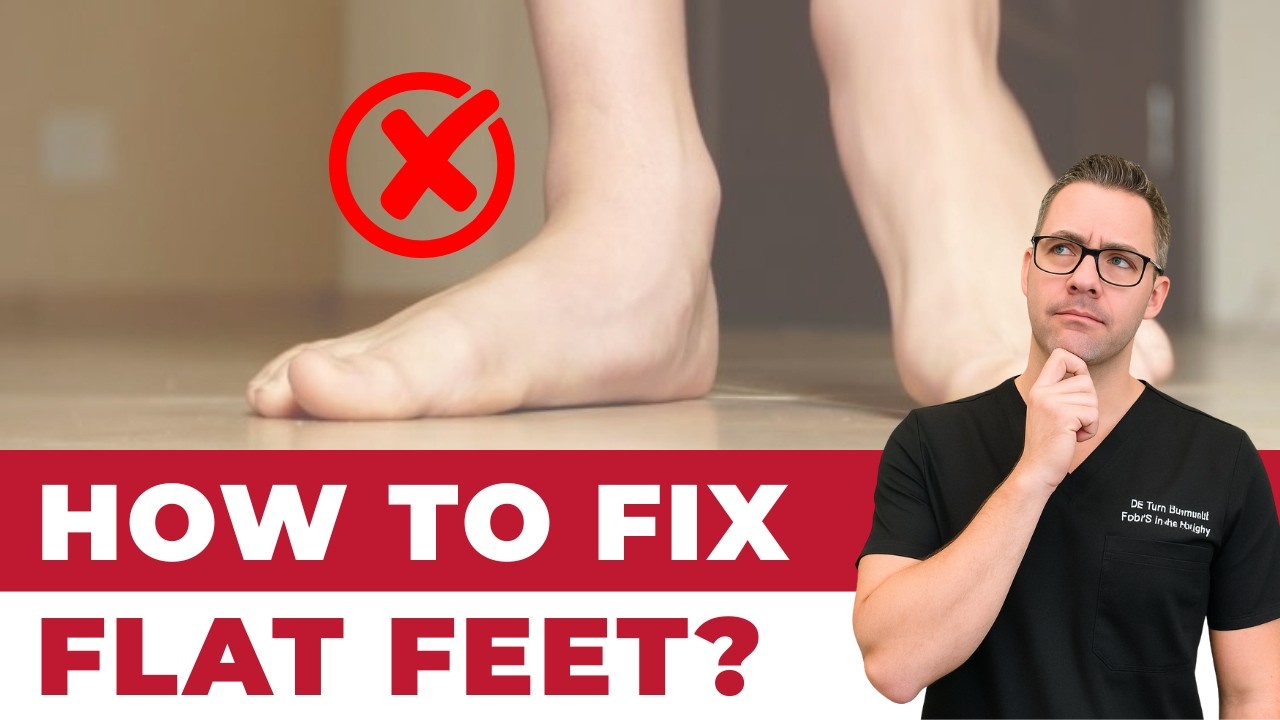
Watch: How to Fix Flat Feet? [Collapsing Arch Pain & Flat Foot Correction!] — MichiganFootDoctors YouTube
Posterior tibial tendon dysfunction (PTTD) is one of the most underdiagnosed causes of foot and ankle pain in adults. The posterior tibial tendon — which runs from the calf down behind the inner ankle and into the arch — is responsible for supporting the arch and helping you push off when you walk. When this tendon becomes inflamed, partially torn, or completely ruptured, the entire foot architecture begins to collapse.
PTTD is the #1 cause of adult-acquired flatfoot deformity. Left untreated, it progresses through four stages, each requiring increasingly complex treatment. Early intervention dramatically changes outcomes.
The 4 Stages of PTTD
Stage I: The tendon is inflamed and painful but intact. The arch is still normal. The patient can perform a single-leg heel rise. Treated with rest, anti-inflammatories, orthotics, and physical therapy.
Stage II: The tendon is partially torn. The arch begins to collapse and the foot starts rolling inward (pronation). The patient struggles or fails single-leg heel rise. Still a flexible deformity — orthotics and bracing can help, but surgery may be needed if conservative care fails.
Stage III: The arch has fully collapsed and the deformity is now rigid (fixed). The subtalar joint below the ankle is arthritic. Surgery is almost always required — typically a triple arthrodesis (fusion of three joints).
Stage IV: The ankle joint itself has become involved, with the talus tipping sideways. This is the most severe stage and requires complex reconstruction including possible ankle replacement or fusion.
Symptoms of Posterior Tibial Tendon Dysfunction
PTTD symptoms are often gradual and can be dismissed as “just arch pain.” Key warning signs include pain and swelling along the inside of the ankle and foot, pain that worsens with activity, difficulty walking long distances, a visible change in foot shape (the arch drops or the heel shifts outward), and difficulty rising up onto the toes of one foot.
One classic test: stand facing a wall, lift one foot, and rise up on your toes on the other. Patients with PTTD cannot perform this on the affected side, or it causes significant pain. If you notice this, see a podiatrist promptly.
Conservative Treatment for Stages I and II
For early-stage PTTD, non-surgical management is the first line. Custom orthotics with a deep heel cup and medial arch support offload the tendon and slow arch collapse. An Arizona-style ankle-foot orthosis (AFO) or UCBL brace provides stronger support for Stage II. Physical therapy focuses on strengthening the posterior tibialis, improving proprioception, and reducing tendon strain. Anti-inflammatory medications, ice, and activity modification reduce pain during the acute phase.
Most Stage I patients respond well to conservative care when caught early. Stage II outcomes vary — roughly 50% require surgery if conservative care fails after 3–6 months.
Surgical Options for Advanced PTTD
When conservative measures fail or the deformity is advanced, surgery is the path to long-term relief. Stage II reconstructive procedures often combine: FDL (flexor digitorum longus) tendon transfer to augment the posterior tibial tendon, calcaneal osteotomy (realigning the heel bone), and medial column fusion to stabilize the arch. Stage III–IV cases typically require triple arthrodesis or pan-talar fusion.
Recovery from reconstructive PTTD surgery is significant — typically 8–12 weeks non-weight-bearing, followed by progressive rehabilitation over 6–12 months. However, the results for appropriately selected patients are excellent, with dramatic reduction in pain and restoration of function.
PTTD in Michigan: What Dr. Biernacki Recommends
At Balance Foot & Ankle in Michigan, we see PTTD at every stage. The key message: do not wait. A Stage I PTTD caught early can often be managed entirely with orthotics and therapy. A Stage III case requiring triple arthrodesis has a long road to recovery. If you have inner ankle pain, a flattening arch, or difficulty with single-leg heel rise, schedule an evaluation now — weight-bearing X-rays will confirm the stage and guide the right treatment plan.
Dr. Tom's Product Recommendations

PowerStep Pinnacle Maxx Orthotic
⭐ Highly Rated
Maximum-support orthotic with rigid shell and deep heel cup — ideal for Stage I–II PTTD and daily arch support.
Stage I–II PTTD, pronation control, long work days
Stage III–IV PTTD (requires custom AFO), narrow shoes
Disclosure: We earn a commission at no extra cost to you.

PowerStep Pinnacle GREEN Insole
⭐ Highly Rated
High-arch biomechanical insole with firm support cap — reduces posterior tibial tendon strain in active patients.
Active patients, trail runners, standing jobs with early PTTD
Severe flatfoot or Stage II+ PTTD without additional bracing
Disclosure: We earn a commission at no extra cost to you.
✅ Pros / Benefits
- <
- !
- –
- –
- w
- p
- :
- l
- i
- s
- t
- –
- –
- >
- <
- u
- l
- >
- <
- l
- i
- >
- P
- T
- T
- D
- c
- a
- u
- g
- h
- t
- a
- t
- S
- t
- a
- g
- e
- I
- –
- I
- I
- i
- s
- h
- i
- g
- h
- l
- y
- t
- r
- e
- a
- t
- a
- b
- l
- e
- w
- i
- t
- h
- o
- u
- t
- s
- u
- r
- g
- e
- r
- y
- <
- /
- l
- i
- >
- <
- l
- i
- >
- C
- u
- s
- t
- o
- m
- o
- r
- t
- h
- o
- t
- i
- c
- s
- a
- n
- d
- b
- r
- a
- c
- i
- n
- g
- c
- a
- n
- h
- a
- l
- t
- p
- r
- o
- g
- r
- e
- s
- s
- i
- o
- n
- f
- o
- r
- y
- e
- a
- r
- s
- <
- /
- l
- i
- >
- <
- l
- i
- >
- S
- u
- r
- g
- i
- c
- a
- l
- r
- e
- c
- o
- n
- s
- t
- r
- u
- c
- t
- i
- o
- n
- a
- t
- S
- t
- a
- g
- e
- I
- I
- y
- i
- e
- l
- d
- s
- e
- x
- c
- e
- l
- l
- e
- n
- t
- o
- u
- t
- c
- o
- m
- e
- s
- w
- i
- t
- h
- p
- r
- o
- p
- e
- r
- r
- e
- h
- a
- b
- <
- /
- l
- i
- >
- <
- l
- i
- >
- W
- e
- i
- g
- h
- t
- –
- b
- e
- a
- r
- i
- n
- g
- X
- –
- r
- a
- y
- s
- g
- i
- v
- e
- d
- e
- f
- i
- n
- i
- t
- i
- v
- e
- s
- t
- a
- g
- i
- n
- g
- i
- n
- o
- n
- e
- v
- i
- s
- i
- t
- <
- /
- l
- i
- >
- <
- /
- u
- l
- >
- <
- !
- –
- –
- /
- w
- p
- :
- l
- i
- s
- t
- –
- –
- >
❌ Cons / Risks
- <
- !
- –
- –
- w
- p
- :
- l
- i
- s
- t
- –
- –
- >
- <
- u
- l
- >
- <
- l
- i
- >
- S
- t
- a
- g
- e
- I
- I
- I
- –
- I
- V
- d
- e
- f
- o
- r
- m
- i
- t
- y
- r
- e
- q
- u
- i
- r
- e
- s
- m
- a
- j
- o
- r
- r
- e
- c
- o
- n
- s
- t
- r
- u
- c
- t
- i
- v
- e
- s
- u
- r
- g
- e
- r
- y
- w
- i
- t
- h
- l
- o
- n
- g
- r
- e
- c
- o
- v
- e
- r
- y
- <
- /
- l
- i
- >
- <
- l
- i
- >
- I
- n
- s
- u
- r
- a
- n
- c
- e
- c
- o
- v
- e
- r
- a
- g
- e
- f
- o
- r
- c
- u
- s
- t
- o
- m
- A
- F
- O
- a
- n
- d
- o
- r
- t
- h
- o
- t
- i
- c
- s
- v
- a
- r
- i
- e
- s
- —
- p
- r
- e
- –
- a
- u
- t
- h
- o
- r
- i
- z
- a
- t
- i
- o
- n
- o
- f
- t
- e
- n
- n
- e
- e
- d
- e
- d
- <
- /
- l
- i
- >
- <
- l
- i
- >
- P
- T
- T
- D
- p
- r
- o
- g
- r
- e
- s
- s
- e
- s
- s
- i
- l
- e
- n
- t
- l
- y
- ;
- m
- a
- n
- y
- p
- a
- t
- i
- e
- n
- t
- s
- p
- r
- e
- s
- e
- n
- t
- l
- a
- t
- e
- <
- /
- l
- i
- >
- <
- l
- i
- >
- R
- e
- c
- o
- v
- e
- r
- y
- f
- r
- o
- m
- r
- e
- c
- o
- n
- s
- t
- r
- u
- c
- t
- i
- v
- e
- s
- u
- r
- g
- e
- r
- y
- i
- s
- 9
- –
- 1
- 2
- +
- m
- o
- n
- t
- h
- s
- <
- /
- l
- i
- >
- <
- /
- u
- l
- >
- <
- !
- –
- –
- /
- w
- p
- :
- l
- i
- s
- t
- –
- –
- >
Dr. Tom Biernacki’s Recommendation
PTTD is the condition I worry most about when patients ignore inner ankle pain. I’ve seen patients go from Stage I to Stage III in two years because they kept putting off an appointment. A single visit, a weight-bearing X-ray, and a good orthotic can sometimes prevent a major surgery. Don’t wait — your arch is worth protecting.
— Dr. Tom Biernacki, DPM | Board-Certified Podiatric Surgeon | Balance Foot & Ankle
Frequently Asked Questions
Can PTTD heal on its own?
Stage I PTTD with rest and orthotics can stabilize, but the tendon damage rarely reverses completely without treatment. Without intervention, most cases progress to higher stages.
How is PTTD diagnosed?
Diagnosis combines clinical exam (single-leg heel rise test, arch assessment, tendon palpation) with weight-bearing X-rays and MRI to assess tendon integrity and joint involvement.
Is custom orthotics or an OTC insert enough for PTTD?
Stage I patients may do well with a high-quality OTC support like PowerStep Pinnacle or PowerStep Maxx. Stage II patients typically need custom orthotics or an AFO for adequate control.
What happens if PTTD is left untreated?
Untreated PTTD progresses from a flexible flatfoot (Stage II) to a rigid deformity with arthritis (Stage III–IV), requiring complex fusion surgery.
Is PTTD more common in women?
Yes — PTTD is significantly more common in middle-aged women, though it affects men as well, particularly those with high activity levels or prior ankle injuries.
Michigan Foot Pain? See Dr. Biernacki In Person
4.9★ rated | 1,200+ Reviews | 3,000+ Surgeries
Book online 24/7 · Howell & Bloomfield Township
📞 (810) 206-1402 Book Online →⚕ Doctor Recommended
VitaMedica Arnica GelFragrance-free, non-greasy relief for foot & ankle soreness
View Product →In-Office Treatment at Balance Foot & Ankle
If home treatment isn’t providing relief for your posterior tibial tendon dysfunction pttd adult acquired flatfoot, our podiatry team at Balance Foot & Ankle can help with expert evaluations and advanced in-office care.
OrthoInfo – AAOS: Posterior Tibial Tendon Dysfunction
Ready to Get Relief?
Book online 24/7 in Howell & Bloomfield Township, MI
4.9★ | 1,200+ Reviews | 3,000+ Surgeries
Or call: (810) 206-1402

Dr. Tom Biernacki, DPM is a board-certified foot & ankle surgeon (ABFAS & ABPM) at Balance Foot & Ankle Specialists in Southeast Michigan. With over a decade of clinical experience, he specializes in heel pain, bunions, diabetic foot care, sports injuries, and minimally invasive surgery. Dr. Biernacki is a member of the APMA and ACFAS, and his patient education content on MichiganFootDoctors.com and YouTube has made him one of the most-followed foot & ankle educators on YouTube.