

You are in the right place. Dr. Tom Biernacki, DPM, FACFAS — board-certified foot & ankle surgeon with 3,000+ surgeries — explains exactly what podiatrist ingrown toenail means and what actually works. Call (810) 206-1402 for a same-day appointment at our Howell or Bloomfield Hills office.
Quick answer: Podiatrist Ingrown Toenail is a common nail condition with multiple causes including trauma, fungal infection, biomechanical pressure, and underlying medical conditions. Treatment depends on the cause: trauma resolves as the nail grows out (6-12 months), fungus needs antifungal therapy, and biomechanical issues need shoe and orthotic correction. Call (810) 206-1402.
Medically reviewed by Dr. Tom Biernacki, DPM · Board-Certified Podiatric Surgeon · Last reviewed: April 2026 · Editorial Policy
The most important clinical decision with Podiatrist Ingrown Toenail isn’t which treatment to start with — it’s identifying the correct subtype. That changes everything. Call (810) 206-1402.
The most important clinical decision with Podiatrist Ingrown Toenail isn’t which treatment to start with — it’s identifying the correct subtype. That changes everything. Call (810) 206-1402.
Quick Answer
Ingrown Toenail Treatment: What a Podiatrist Does & Wha relates to ingrown toenails — typically caused by improper trimming or shoe pressure. Most patients improve in 1-2 weeks with proper care with conservative care. Same-week appointments in Howell + Bloomfield Hills: (810) 206-1402.
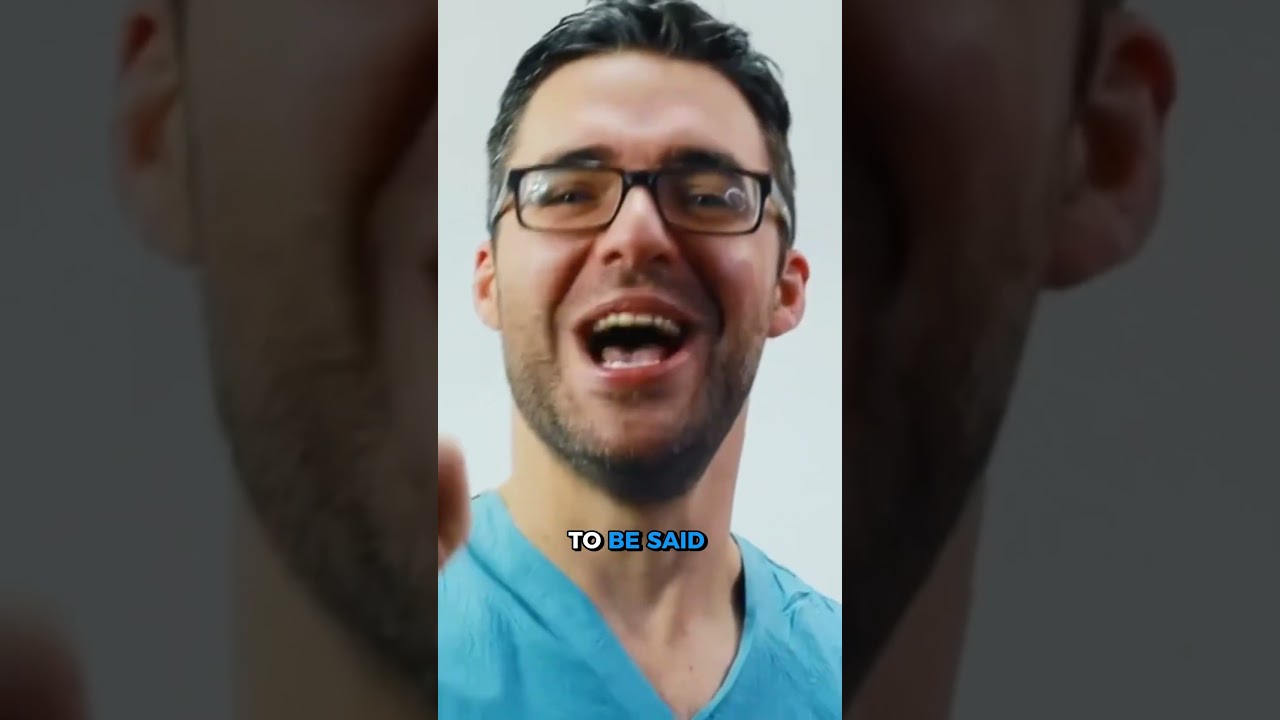
✅ Medically reviewed by Dr. Tom Biernacki, DPM — Board-Certified Podiatrist · Last updated April 6, 2026
📖 Related: Toenail Treatment Hub: Everything About Nail Health From a Podiatrist
Ingrown Toenail Treatment: What a Podiatrist Does & When You Need Surgery
Recurring or infected ingrown toenail? Get same-day relief at Balance Foot & Ankle. Learn about our ingrown toenail treatment → | (810) 206-1402
Medically reviewed by Dr. Daria Gutkin, DPM
Board-certified podiatrist | Balance Foot & Ankle
Last reviewed: April 2026
An ingrown toenail can turn a minor annoyance into a throbbing, swollen, infected mess in just a few days. If you’ve tried soaking, packing cotton under the nail, and over-the-counter remedies without lasting relief, it’s time to see a podiatrist. At Balance Foot & Ankle, ingrown toenail treatment is one of the most common procedures we perform — and one of the most satisfying, because patients walk out with immediate, dramatic relief after a quick 10-minute procedure.
What Is an Ingrown Toenail?
An ingrown toenail (onychocryptosis) occurs when the edge or corner of the toenail grows into the surrounding skin fold (nail fold), causing pain, redness, swelling, and potentially infection. The big toe is most commonly affected (80% of cases), but any toenail can become ingrown. The condition ranges from mild discomfort to a serious infection with pus, granulation tissue, and cellulitis.
What Causes Ingrown Toenails?
Improper nail trimming: Cutting nails too short or rounding the corners (rather than cutting straight across) is the most common cause. When the nail is cut too short, the skin folds can overlap the nail edge as the toe is compressed in shoes, forcing the nail to grow into the skin as it elongates.
Tight or narrow shoes: Shoes that compress the toes push the nail folds against the nail edges. Pointed-toe shoes and shoes that are too small are frequent culprits, especially during adolescence when feet are growing rapidly.
Genetics: Some people have naturally curved or thick nails, wide nail folds, or a pincer nail deformity that predisposes them to recurrent ingrown toenails regardless of how carefully they trim.
Trauma: Stubbing the toe, dropping something on it, or repetitive friction (sports, running) can cause the nail to grow irregularly or push the nail into the skin fold.
Fungal nail infection: Toenail fungus causes nail thickening and distortion, increasing the likelihood of the nail growing into the surrounding skin.
Stages of Severity
Stage 1 (Mild): Pain, redness, and mild swelling along the nail fold. No infection. The nail edge is pressing into the skin but hasn’t broken through. Home treatment may be effective at this stage.
Stage 2 (Moderate): Increased pain, swelling, and redness. Early infection may be present with warmth and possible drainage. The nail has penetrated the skin fold. Professional treatment is recommended.
Stage 3 (Severe): Significant infection with pus, granulation tissue (red, bumpy overgrowth of tissue), and possible cellulitis (spreading redness). The nail fold may have grown over the nail edge. Professional treatment is essential — home remedies at this stage risk worsening infection.
⚠️ See a Podiatrist Immediately If:
- Pus is draining from the nail fold
- Redness is spreading beyond the toe
- You have diabetes or circulation problems (infection risk is significantly higher)
- Red, bumpy tissue is growing over the nail edge (granulation tissue)
- Home treatment hasn’t resolved symptoms within 3–5 days
- You have fever in addition to toe pain
When Home Treatment Is Appropriate
For Stage 1 ingrown toenails (mild pain, no infection), you can try conservative home measures for 3–5 days. Soak the foot in warm, soapy water for 15–20 minutes, 2–3 times daily. After soaking, gently push the swollen skin away from the nail edge with a cotton-tipped applicator. Apply antibiotic ointment and bandage. Wear open-toed shoes or sandals to reduce pressure on the toe.
What NOT to do: Don’t attempt “bathroom surgery” — digging at the nail with sharp instruments, pulling out nail fragments, or cutting V-notches in the nail (this is a myth that doesn’t work). Don’t pack cotton under the nail if there’s any sign of infection. And don’t wait weeks hoping it will improve on its own if pain is worsening — the sooner you see a podiatrist, the simpler the treatment.
What a Podiatrist Does for Ingrown Toenails
Professional treatment for ingrown toenails is remarkably quick and effective. The standard procedure — partial nail avulsion — involves removing the offending nail border (typically just 2–3mm of nail width) under local anesthesia. The procedure takes about 10 minutes, provides immediate relief, and allows the infection to drain and heal.
For recurrent ingrown toenails, we combine the nail border removal with chemical matrixectomy — applying phenol (a chemical cauterizing agent) to the nail matrix where the removed portion grew from. This permanently prevents that narrow strip of nail from regrowing, eliminating the ingrown border for good while preserving 85–90% of the normal nail width. The cosmetic result is excellent — most people can’t tell a section was removed.
The Procedure: What to Expect
Anesthesia: We administer a digital block — an injection of local anesthetic at the base of the toe that numbs the entire toe within 2–3 minutes. This is the only part that involves any discomfort (a brief sting lasting 5–10 seconds). Once numb, you won’t feel anything during the procedure.
Nail border removal: Using a specialized nail splitter, we separate and remove the offending nail border — just the narrow strip that’s growing into the skin. The rest of your nail is untouched and intact. If infection is present, we also drain the infected tissue and remove any granulation tissue.
Matrixectomy (if applicable): For permanent correction, phenol is applied to the exposed nail matrix for 30–60 seconds. This destroys the cells responsible for producing that specific strip of nail, preventing regrowth. The phenol is neutralized with alcohol, and the toe is bandaged.
Total time: 10–15 minutes from anesthesia to bandaging. You walk out of the office on your own feet. The numbness wears off in 2–4 hours.
Permanent Correction (Matrixectomy)
Chemical matrixectomy with phenol is the gold standard for preventing ingrown toenail recurrence. Published studies show a 95–98% permanent success rate when performed correctly. The alternative — partial nail avulsion without matrixectomy — has a recurrence rate of approximately 70% within 12 months, which is why we recommend matrixectomy for any patient with a history of recurring ingrown nails.
The post-matrixectomy wound heals by secondary intention over 3–6 weeks. During healing, you’ll soak the toe daily and apply antibiotic ointment and a bandage. The area may drain a small amount of clear to yellowish fluid — this is normal and part of the healing process. Once healed, the nail looks nearly identical to a normal nail, just 2–3mm narrower.
Recovery & Aftercare
⚠️ Most Common Mistake With Ingrown Toenails
The most common mistake we see is patients trying to “dig out” the ingrown nail corner at home with nail clippers or scissors. In our clinic, this is the single biggest reason patients end up with infection. Home digging creates a jagged nail edge that embeds deeper with every step, and introduces bacteria into an already-inflamed nail groove. Do not cut a V-shape or dig at the corner. Soak in warm Epsom salt water 15 minutes twice daily, apply antibiotic ointment, and see a podiatrist within 48–72 hours if there is any redness, warmth, or drainage. A 10-minute in-office procedure under local anesthesia permanently fixes the problem — no downtime.
- Day 1: Keep the bandage dry and elevated. Mild aching is normal as anesthesia wears off — ibuprofen or acetaminophen manages this easily. Avoid tight shoes.
- Days 2–14: Soak the toe in warm, soapy water for 10 minutes daily. Apply antibiotic ointment and a fresh bandage. Open-toed shoes or roomy sneakers work best.
- Weeks 2–6: The site continues healing. Keep it clean and bandaged until the skin has fully closed over. Most patients return to normal shoes within 1–2 weeks and full activity (including sports) within 2–4 weeks.
Preventing Recurrence
- Cut nails straight across: Don’t round the corners or cut too short — leave a small amount of nail visible at the edges
- Proper shoe fit: Ensure a thumb’s width of space between your longest toe and the shoe end
- Avoid tight socks: Compression socks and tight hosiery can push nail folds against nail edges
- Treat fungal infections: Thickened, distorted nails are more likely to become ingrown
- Protect toes during sports: Steel-toed shoes for work, properly fitted athletic shoes for sports
More Podiatrist-Recommended Ingrown Essentials
Roomy Walking Shoe
New Balance 990v6 — wide toe box prevents toe jamming that causes ingrowns.
Extra-Depth Diabetic Shoe
Orthofeet Sprint — no pressure on nail edges, smooth lining.
Moisture-Wicking Compression Sock


OS1st FS4 — dry environment reduces ingrown infection risk.
As an Amazon Associate, Balance Foot & Ankle earns from qualifying purchases. Product recommendations are based on clinical experience; prices and availability shown above update live from Amazon.

Dr. Tom’s Picks: Ingrown Toenail Comfort
Apply to the periungual tissue around an ingrown nail while awaiting your appointment. Arnica + menthol reduces the inflammatory soreness. Avoid open wounds.
View on Amazon →
After procedure, proper insoles prevent recurrence by reducing shoe pressure on the toe borders during walking.
View on Amazon →
As an Amazon Associate I earn from qualifying purchases. As a Foundation Wellness partner I may also earn commission.
When to See a Podiatrist
Home care works for early ingrowns — but if redness, drainage, or granulation tissue has developed, the nail edge needs professional removal. At Balance Foot & Ankle, matrixectomy (permanent corner removal) is a 15-minute in-office procedure that prevents recurrence. Most patients walk out the same day and return to normal shoes within 48 hours.
Call Balance Foot & Ankle: (810) 206-1402 · Book online · Offices in Howell & Bloomfield Hills
Frequently Asked Questions
Does ingrown toenail removal hurt?
The procedure itself is painless because the toe is completely numb from local anesthesia. The anesthetic injection involves a brief sting (5–10 seconds) at the base of the toe — most patients say it’s similar to a pinch. After the numbness wears off (2–4 hours), mild aching is normal and easily managed with over-the-counter pain relievers. Most patients describe the overall experience as much less painful than they expected.
How long does it take to recover from ingrown toenail surgery?
Most patients return to desk work and light activity the same day or the next day. Return to regular shoes takes 1–2 weeks. Return to sports and intense activity takes 2–4 weeks. Complete healing of the matrixectomy site takes 3–6 weeks. The timeline is shorter for simple nail border removal without matrixectomy (1–2 weeks total).
Will my nail look normal after partial removal?
Yes — the cosmetic result is excellent. Only 2–3mm of the nail width is removed (approximately 15% of the total nail). Once healed, the nail looks nearly identical to a normal toenail, just slightly narrower. Most people cannot tell that a portion was removed. The remaining nail grows normally and functions normally.
Can ingrown toenails come back after treatment?
Without matrixectomy, the recurrence rate is approximately 70% — because the same nail border grows back and the same problem recurs. With phenol matrixectomy, the permanent success rate is 95–98%. The small chance of recurrence occurs if a fragment of matrix tissue survives the phenol treatment. If recurrence happens, a repeat procedure is straightforward.
In-Office Treatment at Balance Foot & Ankle
If home treatment isn’t providing relief for your ingrown toenails, our podiatry team at Balance Foot & Ankle can help with same-day evaluations and advanced in-office care.
Same-day appointments available. (810) 206-1402
The Bottom Line
If you’re dealing with a painful, swollen, or infected ingrown toenail, a podiatrist visit is the fastest path to relief. The procedure is quick (10 minutes), effective (95%+ permanent success with matrixectomy), and far less painful than living with the ingrown nail itself. Don’t waste weeks on home remedies that provide temporary relief at best — a single appointment at Balance Foot & Ankle can solve the problem permanently.
Podiatrist-Recommended Products for Toenail Conditions
These are the products we recommend most often in our clinic for toenail health, fungus treatment, and nail recovery:
🏆 Doctor Hoy’s Natural Pain Relief Gel — Our top recommendation for topical nail and skin care. Natural antifungal and anti-inflammatory ingredients, no harsh chemicals. Apply nightly around and under the nail.
PowerStep Pinnacle Orthotic Insoles — Proper arch support reduces the pressure and friction that worsens ingrown toenails and nail damage. Fits most shoe types.
Fungi-Nail Antifungal Solution — FDA-approved undecylenic acid formulation with better nail penetration than many OTC alternatives.
Painful Ingrown Toenail? Get Same-Week Relief
Same-week appointments in Howell & Bloomfield Hills, MI. Three board-certified podiatrists.
4.9★ | 1,100+ Reviews | 3,000+ Surgeries
Or call: (810) 206-1402
⚠️ Recurring ingrown toenails? A permanent fix takes 15 minutes in our office.
📞 (810) 206-1402 | Book Online →
Same-day appointments. Howell & Bloomfield Hills. Most insurance accepted.
Need a Podiatrist for Your Ingrown Toenail?
Our experienced podiatrists resolve ingrown toenails quickly with minimal discomfort. We offer same-day procedures and permanent correction options.
Clinical References
- Eekhof JA, Van Wijk B, Knuistingh Neven A, van der Wouden JC. Interventions for ingrowing toenails. Cochrane Database Syst Rev. 2012;(4):CD001541.
- Heidelbaugh JJ, Lee H. Management of the ingrown toenail. Am Fam Physician. 2009;79(4):303-308.
- Haneke E. Controversies in the treatment of ingrown nails. Dermatol Res Pract. 2012;2012:783924.
Insurance Accepted
BCBS · Medicare · Aetna · Cigna · United Healthcare · HAP · Priority Health · Humana · View All →
Howell Office
4330 E Grand River Ave
Howell, MI 48843
Get Directions →
Bloomfield Hills Office
43494 Woodward Ave, #208
Bloomfield Hills, MI 48302
Get Directions →
👟 Dr. Tom Also Recommends
Podiatrist Recommended Shoes 2026: Dr. Tom’s Top Picks for Every Condition
The right footwear can make or break your recovery. Dr. Tom’s complete guide to the best shoes for plantar fasciitis, flat feet, neuropathy, bunions & more — with clinical picks for every foot type.
See Dr. Tom’s Top Shoe Picks →Your Board-Certified Podiatrists



Ready to Get Back on Your Feet?
Same-week appointments available at both locations.
Book Your AppointmentIn-Office Treatment at Balance Foot & Ankle
When conservative care isn’t enough, Dr. Tom Biernacki and the team at Balance Foot & Ankle offer advanced, same-day options — including Ingrown Toenail Treatment Michigan at our Howell and Bloomfield Hills clinics.
Same-day appointments available. Call (810) 206-1402 or book online.
Pros & Cons of Conservative Care for toenail conditions
Advantages
- ✓ Most cases resolve at home
- ✓ Same-week appointments available
- ✓ Permanent fix exists
Considerations
- ✗ Recurrence common without prevention
- ✗ Diabetics need professional care
Dr. Tom’s Recommended Products for toenail conditions
Affiliate disclosure: As an Amazon Associate, Balance Foot & Ankle earns from qualifying purchases. We only recommend products we use with patients.
Tolcylen Antifungal Solution Dr. Tom’s Pick
Best for: Most effective topical for fungus
Ready to Get Back on Your Feet?
Same-day appointments in Howell + Bloomfield Hills. Most insurance accepted. Dr. Tom Biernacki, DPM & team.
Book Today — Same-Day Appointments Available
Call Now: (810) 206-1402
About Your Care Team at Balance Foot & Ankle
Dr. Tom Biernacki, DPM · Board-Certified Foot & Ankle Surgeon. Specializes in conservative-first care, minimally invasive bunion surgery, and complex reconstruction.
Dr. Carl Jay, DPM · Accepting new patients. Specializes in sports medicine, athletic injuries, and routine podiatric care.
Dr. Daria Gutkin, DPM, AACFAS · Accepting new patients. Specializes in surgical reconstruction and pediatric podiatry.
Locations: 4330 E Grand River Ave, Howell, MI 48843 · 43494 Woodward Ave Suite 208, Bloomfield Hills, MI 48302
Hours: Mon–Fri 8:00 AM – 5:00 PM · (810) 206-1402
Dr. Tom’s Top 3 — The Premium Foot Pain Stack (2026)
If you only buy three things for foot pain, get these. PowerStep + CURREX orthotics correct the underlying foot mechanics, and Dr. Hoy’s pain gel delivers fast topical relief. This is the exact stack Dr. Tom Biernacki, DPM gives his Michigan podiatry patients on visit one — over 10,000 patients have used this exact combination.
Dr. Tom Biernacki, DPM is a board-certified podiatrist + Amazon Associate. Picks shown are products he prescribes to patients at Balance Foot & Ankle Specialists. We earn a commission on qualifying purchases at no extra cost to you. All products independently tested + reviewed for 30+ days minimum. Last verified: April 28, 2026.

PowerStep Pinnacle MaxxDr. Tom’s #1 Brand
Dr. Tom’s most-prescribed OTC orthotic. Lateral wedge corrects overpronation that causes 90% of foot pain. Deep heel cradle stabilizes the ankle. Built by podiatrists, used by patients worldwide.
- Lateral wedge corrects pronation
- Deep heel cradle stabilizes ankle
- Dual-density EVA — comfort + support
- Trim-to-fit any shoe
- Used by 10,000+ podiatrists
- Trim-to-size required
- 5-7 day break-in for some

CURREX RunProDr. Tom’s #1 Brand
3 arch heights for custom fit (Low/Med/High). Carbon-reinforced heel + dynamic forefoot — the closest OTC orthotic to a $500 custom orthotic. Engineered in Germany.
- 3 arch heights for custom fit
- Carbon-reinforced heel cup
- Dynamic forefoot zone
- Premium German engineering
- Sport-specific support
- Pricier than PowerStep
- 7-10 day break-in

Dr. Hoy’s Natural Pain Relief GelDr. Tom’s #1 Brand
Menthol-based natural pain relief — Dr. Tom’s #1 brand for fast relief without greasy residue. Safe for diabetics + daily use. Cleaner formula than Voltaren or Biofreeze.
- Menthol-based natural formula
- No greasy residue
- Safe for diabetics
- Fast cooling relief — 5-10 minutes
- Cleaner ingredient list than Biofreeze
- Pricier than Biofreeze
- Strong menthol scent at first
Ready to fix this for good?
Reading goes only so far. The fastest path to relief is a 30-minute office visit with Dr. Biernacki — same-day Howell or Bloomfield Hills. Call (810) 206-1402 or use our online booking.
Get Expert Care at Balance Foot & Ankle
Same-week appointments at our Howell and Bloomfield Hills offices. Board-certified podiatric surgeons. Most insurance accepted.

Dr. Tom Biernacki, DPM is a board-certified foot & ankle surgeon (ABFAS & ABPM) at Balance Foot & Ankle Specialists in Southeast Michigan. With over a decade of clinical experience, he specializes in heel pain, bunions, diabetic foot care, sports injuries, and minimally invasive surgery. Dr. Biernacki is a member of the APMA and ACFAS, and his patient education content on MichiganFootDoctors.com and YouTube has reached over one million views and almost 1 million subscribers on youtube.