
Quick answer: Ingrown toenail removal is a quick in-office procedure: a podiatrist numbs the toe and removes the offending nail border, and a permanent version uses a chemical that stops that edge from regrowing to prevent recurrence. Most people walk out the same day with minimal downtime and fast relief from the pain and infection.
In This Article
- What Is an Ingrown Toenail — Anatomy and Mechanism
- Heifetz Classification — Staging Ingrown Toenails
- Causes and Risk Factors
- Symptoms and Clinical Presentation
- Diagnosis
- Ingrown Toenail vs. Similar Conditions
- Treatment: Conservative to Surgical
- Special Considerations: Ingrown Toenails in Diabetic Patients
- Most Common Mistakes Patients Make
- Red Flags — When to See a Podiatrist Immediately
- In-Office Ingrown Toenail Treatment at Balance Foot & Ankle
- Frequently Asked Questions
An ingrown toenail occurs when the nail edge pierces and grows into the surrounding soft tissue, causing pain, swelling, and often infection. Stage I (redness, swelling) responds to conservative care; Stage II (drainage, early infection) requires a partial nail avulsion; Stage III (granulation tissue, severe infection) needs partial or total avulsion plus phenolization or Winograd procedure for permanent correction. In diabetic patients, any ingrown toenail requires same-day podiatric evaluation. A 10-minute in-office procedure under local anesthesia resolves most cases; most patients walk out pain-free. Call (810) 206-1402.
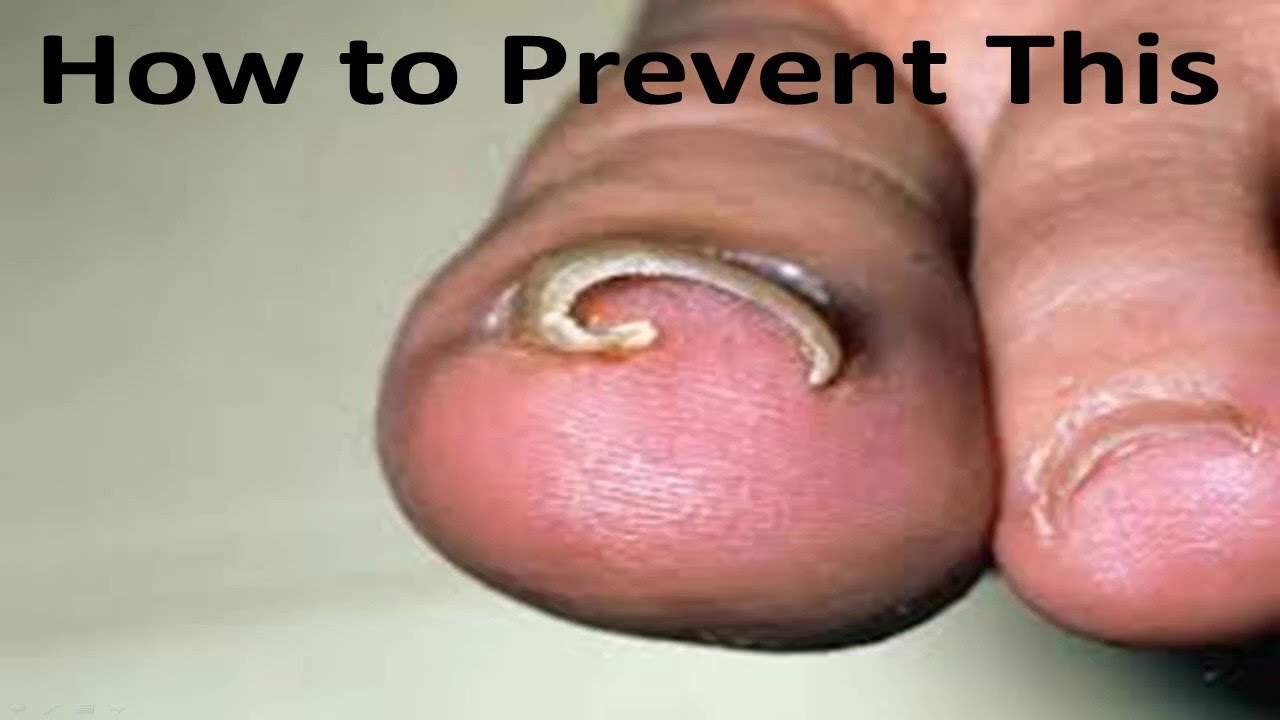
Table of Contents
- What Is an Ingrown Toenail — Anatomy and Mechanism
- Heifetz Classification — Staging Ingrown Toenails
- Causes and Risk Factors
- Symptoms and Clinical Presentation
- Diagnosis
- Ingrown Toenail vs. Similar Conditions
- Treatment: Conservative to Surgical
- Special Considerations: Diabetic Patients
- Most Common Mistakes
- Red Flags
- In-Office Treatment at Balance Foot & Ankle
- Frequently Asked Questions
What Is an Ingrown Toenail — Anatomy and Mechanism
An ingrown toenail (onychocryptosis) occurs when the lateral or medial edge of the nail plate penetrates the adjacent nail fold (the soft tissue on either side of the nail), creating a foreign body reaction. The most commonly affected nail is the hallux (great toe), and most commonly the lateral nail border.
The mechanism involves a mismatch between nail plate width and the soft tissue boundaries of the nail sulcus. When the nail edge is sharp (from improper trimming), the nail plate is excessively curved (involuted), or the sulcal soft tissue is enlarged (from footwear pressure or trauma), the nail edge acts as a penetrating foreign body. The initial injury triggers an inflammatory response (redness, swelling), which then enlarges the sulcal tissue further — compressing it against the same nail edge — creating a self-perpetuating cycle that worsens until the nail edge is removed or the tissue recedes.
As the inflammation progresses, secondary bacterial colonization occurs (most commonly Staphylococcus aureus, Pseudomonas aeruginosa, and mixed anaerobes), converting the sterile foreign body reaction into a genuine soft tissue infection with purulent drainage. In the most advanced stage, the body produces exuberant granulation tissue (hypergranulation) — a pink, friable, moist overgrowth of tissue around the nail edge that bleeds easily and is often mistaken for tumor.
Heifetz Classification — Staging Ingrown Toenails

The Heifetz classification (1937, still widely used) divides ingrown toenails into three stages based on clinical severity. Stage assignment determines treatment:
Stage I — Inflammation Without Infection
The nail fold is red, swollen, and tender along the affected nail border. There is no drainage, no purulence, and no granulation tissue. The nail edge has penetrated or is pressing on the lateral fold tissue but has not created a true wound. The skin remains intact.
Treatment: Conservative measures are appropriate and effective at Stage I when applied correctly. See Treatment section below.
Stage II — Infection With Drainage
The nail edge has pierced the skin of the nail fold. There is active purulent or seropurulent drainage from the sulcus. The periungual tissue is more swollen, erythematous, and tender. Stage II represents an early soft tissue infection — the nail fold has become an infected wound with a retained foreign body (the nail edge).
Treatment: Conservative measures are unlikely to succeed because the infecting nail edge cannot be adequately accessed at home. In-office partial nail avulsion under local anesthesia is the standard of care. Antibiotics alone without nail removal do not resolve Stage II ingrown toenails.
Stage III — Granulation Tissue and Chronic Infection
The nail fold is now hypertrophied with exuberant granulation tissue that partially or fully overrides the nail plate. There may be continued drainage, chronic pain, and recurrent infection. The nail may grow into or under the granulation tissue. Stage III typically represents a chronic, longstanding ingrown nail with permanent structural change to the periungual tissue.
Treatment: Partial or total nail avulsion plus definitive matrixectomy (phenolization or Winograd procedure) to prevent recurrence. Granulation tissue debridement is performed concurrently.
Causes and Risk Factors
- Improper nail trimming: The most common cause. Rounding the nail corners or cutting the nail too short allows the nail edge to be buried in the sulcal tissue and grow into it. Correct technique: trim straight across, leaving the corners visible above the nail fold level.
- Involuted nail plate: An excessively curved nail plate — whether congenital or from chronic pressure — creates a permanently narrowed sulcus that is prone to ingrowth. Patients with naturally “pincer” nail morphology are predisposed.
- Footwear: Narrow toe boxes compress the digit laterally, pushing soft tissue against the nail edge. High heels amplify this by loading the forefoot. Tight athletic shoes during running increase the incidence of lateral hallux ingrown nails among runners.
- Trauma: Direct nail injuries, repetitive microtrauma (sports), and nail avulsion injuries can alter nail growth direction toward the sulcus.
- Onychomycosis (nail fungus): Fungal infection thickens and deforms the nail plate, creating irregular nail edges and increased sulcal pressure.
- Hyperhidrosis: Excessive foot sweating softens periungual skin and reduces its resistance to nail penetration.
- Medications: Retinoids (isotretinoin, acitretin) and certain chemotherapy agents (EGFR inhibitors such as cetuximab, erlotinib) are associated with periungual inflammation and ingrown nails as side effects.
- Diabetes mellitus: Neuropathy reduces sensory feedback, allowing nail problems to advance without recognized pain; peripheral arterial disease impairs healing.
Symptoms and Clinical Presentation
Stage I: Unilateral or bilateral nail fold pain, redness, swelling. Often worse with footwear. The patient can typically identify the lateral or medial edge as the point of pain. No discharge.
Stage II: All Stage I findings plus discharge from the sulcus (clear, purulent, or bloody). The pain has escalated significantly. The toe is often too painful to wear closed-toe shoes comfortably.
Stage III: The nail fold has transformed — moist, friable pink granulation tissue overrides the nail edge. The tissue bleeds easily with minor contact. Chronic low-grade drainage. Many patients at Stage III have had the problem for months to years and have tried repeated home treatments without success.
Diagnosis
Ingrown toenail is a clinical diagnosis based on inspection and palpation. No imaging is routinely required. However:
- X-ray is indicated if there is concern for osteomyelitis (underlying bone infection) — particularly in diabetic patients with longstanding Stage II–III ingrown nails with spreading cellulitis. Probing the sulcus and testing whether a sterile probe contacts bone (“probe to bone” test positive) is a bedside indicator of osteomyelitis risk.
- Wound culture is indicated before antibiotic prescribing in Stage II–III to guide organism-specific therapy, particularly if MRSA is suspected (history of MRSA, failed first-line antibiotics, institutional exposure).
- In diabetic patients, ABI (ankle-brachial index) or transcutaneous oxygen pressure measurement is obtained before surgical intervention to confirm adequate perfusion for healing.
Ingrown Toenail vs. Similar Conditions
- Paronychia (non-ingrown-nail type): Infection of the nail fold from a different cause — bacteria entering through a hangnail, nail biting, or cuticle manipulation. Presents similarly to Stage II ingrown nail but without a palpable nail edge penetrating the fold. Treatment: incision and drainage of the paronychia pocket ± antibiotics, without nail avulsion.
- Periungual wart (verruca): HPV infection around the nail fold — presents as a rough, keratotic growth adjacent to or under the nail. May mimic granulation tissue of Stage III ingrown nail. Clinical distinction: warts have a roughened, hyperkeratotic surface; thrombosed capillaries visible as black dots; disrupt skin ridges. Periungual warts require wart-specific treatment (cryotherapy, Swift) not nail procedures.
- Subungual exostosis: Bony outgrowth from the distal phalanx that pushes up through the nail plate or pushes the nail edge into the fold. Mimics recurrent ingrown nail. Diagnosed on X-ray. Treatment is surgical excision of the exostosis — phenolization alone will not resolve this cause.
- Periungual melanoma: Any dark discoloration or irregular pigmented lesion around the nail fold in an adult warrants biopsy to exclude melanoma before any nail procedure.
Treatment: Conservative to Surgical

Conservative Measures (Stage I)
Warm water soaks: 10–15 minutes twice daily in warm (not hot) water softens the periungual tissue and reduces inflammatory edema. Adding Epsom salt has a mild antiseptic effect but the primary benefit is tissue softening.
Cotton wisp or dental floss technique: After soaking, gently lift the nail edge and place a small wisp of cotton or a piece of dental floss under the nail corner to provide a buffer between the nail edge and the fold. This redirects nail growth away from the fold as it grows out. Requires daily replacement. Effective for Stage I when the nail edge is accessible.
Nail bracing (conservative orthodontic correction): Small adhesive or clip-based braces applied to the nail surface gradually flatten nail curvature over 2–3 months. Most effective for the involuted/pincer nail subtype. Not effective once there is active infection.
Footwear modification: Wide toe box shoes that do not compress the nail folds. Open-toed sandals may be necessary during the acute phase.
Antibiotics: Oral antibiotics alone are NOT effective as primary treatment for ingrown toenail with infection. The nail edge is a retained foreign body — the infection will not resolve until it is removed, regardless of antibiotic coverage. Antibiotics have a role as adjuncts when there is spreading cellulitis beyond the toe, in immunocompromised patients, or when Stage II–III is treated surgically in a patient with systemic signs of infection.
For an early-stage (Stage I) ingrown toenail you can try managing at home—see our ingrown toenail home-care guide.
Partial Nail Avulsion — Standard In-Office Procedure (Stage II–III)
Partial nail avulsion (PNA) is the gold-standard treatment for Stage II and III ingrown toenails. It is performed in-office under digital block anesthesia (local injection at the base of the toe — typically 2–4 minutes to full anesthesia). The procedure:
- A digital tourniquet (Penrose drain) is applied to provide a bloodless field and maintain anesthetic concentration
- The offending nail border — typically 3–5mm of nail width — is separated from the nail bed using a nail elevator
- The freed nail strip is pulled distally with a straight hemostat
- Any granulation tissue is debrided with a curette or silver nitrate cauterization
- Without matrixectomy: the nail border will regrow. If permanent correction is desired, phenolization follows immediately
Patients walk out of the procedure with a bandaged toe and return to normal footwear within 1–2 days. The wound heals over 3–4 weeks.
Phenolization — Preventing Recurrence (Chemical Matrixectomy)
Phenolization (chemical matrixectomy) is performed immediately after partial nail avulsion. Concentrated phenol (89%) is applied to the exposed nail matrix for 30 seconds, destroying the nail-growing cells at the root of the excised nail border. This permanently prevents regrowth of that nail border. A second 30-second application follows, then the phenol is neutralized with isopropyl alcohol.
Success rate: 95–98% for non-recurrence of ingrown nail on the treated border. The most widely used definitive procedure worldwide for ingrown toenails. The treated border will never regrow nail — the remaining nail is slightly narrower but cosmetically acceptable in the vast majority of patients. Healing takes 4–6 weeks (the phenol creates a chemical wound that must granulate closed).
Phenolization is not appropriate for: patients with peripheral arterial disease (healing is impaired), patients with known phenol allergy, or the rare patient with total nail avulsion required for very severe onychomycosis-related ingrown nails.
Winograd Procedure — Surgical Matrixectomy
The Winograd procedure is the surgical alternative to phenolization for permanent correction. Instead of chemical destruction of the matrix, the nail matrix tissue is excised under direct vision with a scalpel. This approach is preferred when:
- Phenolization has failed (1–5% phenol failure rate)
- The nail has a severely hypertrophied nail fold requiring direct tissue excision
- Total nail avulsion is planned and complete matrix ablation is needed
- Tissue biopsy is needed (suspected subungual pathology)
The Winograd produces a suture-closed wound with a slightly longer healing time (~4–6 weeks to full closure) but allows direct visualization and verification of complete matrix removal. Recurrence rate comparable to phenolization (<5%).
Total Nail Avulsion
Removal of the entire nail plate is indicated when: the entire nail is affected (bilateral ingrowth), the nail is severely deformed by onychomycosis or trauma, or a total phenolization/matrixectomy is planned. Total nail avulsion with total matrixectomy is reserved for patients who wish to never regrow a nail — resulting in a permanently nail-free, smooth epithelium over the distal phalanx. Rarely indicated but appropriate for patients with recurrent bilateral ingrowth, severe nail deformity, or inability to maintain nail care.
Special Considerations: Ingrown Toenails in Diabetic Patients
Ingrown toenails in patients with diabetes represent a high-risk wound scenario that requires prompt, expert management. The combination of peripheral neuropathy (blunting pain signals — the patient may not know how advanced the infection is), peripheral arterial disease (impairing healing and antimicrobial delivery), and impaired immune response creates conditions where a simple ingrown toenail can progress to osteomyelitis, spreading cellulitis, or require amputation if not managed aggressively and early.
Key principles for diabetic ingrown toenail management:
- Same-day evaluation for any diabetic patient with periungual erythema, swelling, or drainage — do not wait
- Vascular assessment before surgery: ABI, toe pressure, or transcutaneous oxygen measurement. An ABI below 0.5 or toe pressure below 30 mmHg indicates critical ischemia — elective nail procedure should be deferred until vascular surgery evaluation
- Broad-spectrum antibiotics started empirically at the time of procedure in diabetic patients with Stage II–III infection — do not wait for culture results; amoxicillin-clavulanate (Augmentin) or trimethoprim-sulfamethoxazole + metronidazole are common empiric regimens
- X-ray at initial visit to exclude subungual exostosis and to establish baseline for osteomyelitis screening — any lucency in the distal phalanx adjacent to a chronic ingrown nail infection warrants MRI
- Phenolization with caution: Chemical matrixectomy with phenol is acceptable in diabetic patients with adequate perfusion; it is contraindicated in ischemic limbs. Some providers prefer Winograd (surgical excision with direct visualization) in diabetic patients to minimize wound depth uncertainty
- Close post-procedural follow-up: 1-week and 2-week wound checks are mandatory in diabetic patients — early signs of wound breakdown or spreading infection must be caught before they escalate
Most Common Mistakes Patients Make
- Cutting a “notch” in the center of the nail (the “V-trick”): A widely circulated internet remedy claims that cutting a V-shape in the center of the toenail relieves tension on the nail edges. This has no anatomical or biomechanical basis — nail growth direction is determined by the matrix, not by cuts in the distal nail plate. It does not work and delays appropriate care while the infection advances.
- Expecting antibiotics alone to resolve an ingrown nail infection: Stage II–III ingrown toenail is fundamentally a retained foreign body problem. Antibiotics treat the secondary infection but cannot remove the nail edge — so the infection recurs the moment antibiotics are stopped. The nail must be removed. Repeated antibiotic courses without nail avulsion is the most common reason Stage II ingrown nails become Stage III.
Red Flags — When to See a Podiatrist Immediately
Seek Same-Day Podiatric Care If:
- You have diabetes, peripheral arterial disease, or peripheral neuropathy — any ingrown nail with these conditions requires professional evaluation today
- Red streaking up the foot or ankle from the infected toe (lymphangitis — a sign of spreading infection requiring urgent antibiotics)
- Fever, chills, or malaise associated with an infected toe
- The toe is hot, swollen, and the infection has spread beyond the nail fold to involve the whole distal toe or foot
- Dark discoloration or black/purple tissue near the toe (possible vascular compromise — this is an emergency)
- A wound that has not improved after 2 weeks of home care
Keep reading — your ingrown toenail questions, answered:
In-Office Ingrown Toenail Treatment at Balance Foot & Ankle
Dr. Tom Biernacki, Dr. Carl Jay, and Dr. Daria Gutkin perform partial nail avulsion and phenolization in-office — typically a 15-minute procedure with immediate pain relief. Most patients are back in regular shoes within 1–2 days. For Stage III and recurrent ingrown nails, we discuss Winograd surgical matrixectomy vs. phenolization and select the approach best suited to your nail anatomy and healing status. Diabetic patients receive vascular assessment at the first visit.
If you are searching for ingrown toenail removal near me in Livingston or Oakland County, both Balance Foot & Ankle offices offer same-week — and often same-day — ingrown toenail appointments. The Howell office on E Grand River Ave serves Brighton, Hartland, Fowlerville, and Pinckney patients in about a 15-minute drive; the Bloomfield Hills office on Woodward Ave serves Birmingham, Troy, West Bloomfield, and Royal Oak. No referral is needed in Michigan, and most procedures are completed in a single visit.
Ingrown Toenail Removal — Balance Foot & Ankle
- Howell: 4330 E Grand River Ave, Howell MI 48843
- Bloomfield Hills: 43494 Woodward Ave #208, Bloomfield Hills MI 48302
Frequently Asked Questions
Is ingrown toenail removal painful?
The procedure is performed under digital block anesthesia — local injection at the base of the toe. The injection itself is the only uncomfortable moment (usually a 5–10 second sting); the procedure is painless once anesthesia takes effect, typically within 2–5 minutes. Most patients are surprised by how comfortable the procedure is. Post-procedure soreness is mild and managed with over-the-counter pain relievers.
Will my toenail grow back after phenolization?
The treated nail border is permanently prevented from regrowing. The remaining nail plate will be slightly narrower but cosmetically normal. The overall nail shape and appearance are typically preserved; most patients are satisfied with the cosmetic result. Non-recurrence rate on the treated border is 95–98%.
How long is recovery after ingrown toenail removal?
With partial avulsion alone (without phenolization): heals in 1–2 weeks; the nail edge will regrow but the acute problem is resolved. With phenolization: the chemical wound heals over 4–6 weeks with daily soaking and bandage changes. Most patients wear normal shoes within 1–2 days of the procedure. No activity restrictions beyond avoiding prolonged tight shoe compression on the healing toe.
Can I treat an ingrown toenail at home?
Stage I ingrown toenails (redness, swelling, no drainage) can be managed conservatively at home with warm soaks and cotton-wisp technique. As soon as drainage appears (Stage II) or if you are diabetic, home treatment is no longer safe — see a podiatrist. Never cut into the nail corner at home trying to excavate the embedded nail edge; this introduces bacteria and typically makes the problem worse.
Does insurance cover ingrown toenail removal?
Partial nail avulsion and matrixectomy for symptomatic ingrown toenails are covered by Medicare and most commercial insurance plans as medically necessary procedures. Our team verifies benefits before treatment and provides transparent cost information.
Where can I get an ingrown toenail removed near me in Michigan?
Balance Foot & Ankle removes ingrown toenails at two Michigan offices: 4330 E Grand River Ave, Howell, MI 48843 (Livingston County) and 43494 Woodward Ave #208, Bloomfield Hills, MI 48302 (Oakland County). Same-day appointments are often available for painful or infected nails — call (810) 206-1402, no referral required.
Ingrown Toenail? Get Relief Today.
Dr. Tom Biernacki, Dr. Carl Jay, and Dr. Daria Gutkin — board-certified podiatrists serving Howell and Bloomfield Hills, MI.
Book Online (810) 206-1402Insurance Accepted
BCBS · Medicare · Aetna · Cigna · United Healthcare · HAP · Priority Health · Humana · View All →
Related Conditions & Resources
Related Treatments at Balance Foot & Ankle
Common conditions we treat in our Howell and Bloomfield Hills offices.