

Medically reviewed by Dr. Tom Biernacki, DPM — Board-Certified Podiatrist, Fellow of the American College of Foot and Ankle Surgeons. Updated April 2026.
What Is Diabetic Peripheral Neuropathy? For specialized treatment, see our neuropathy treatment Michigan.
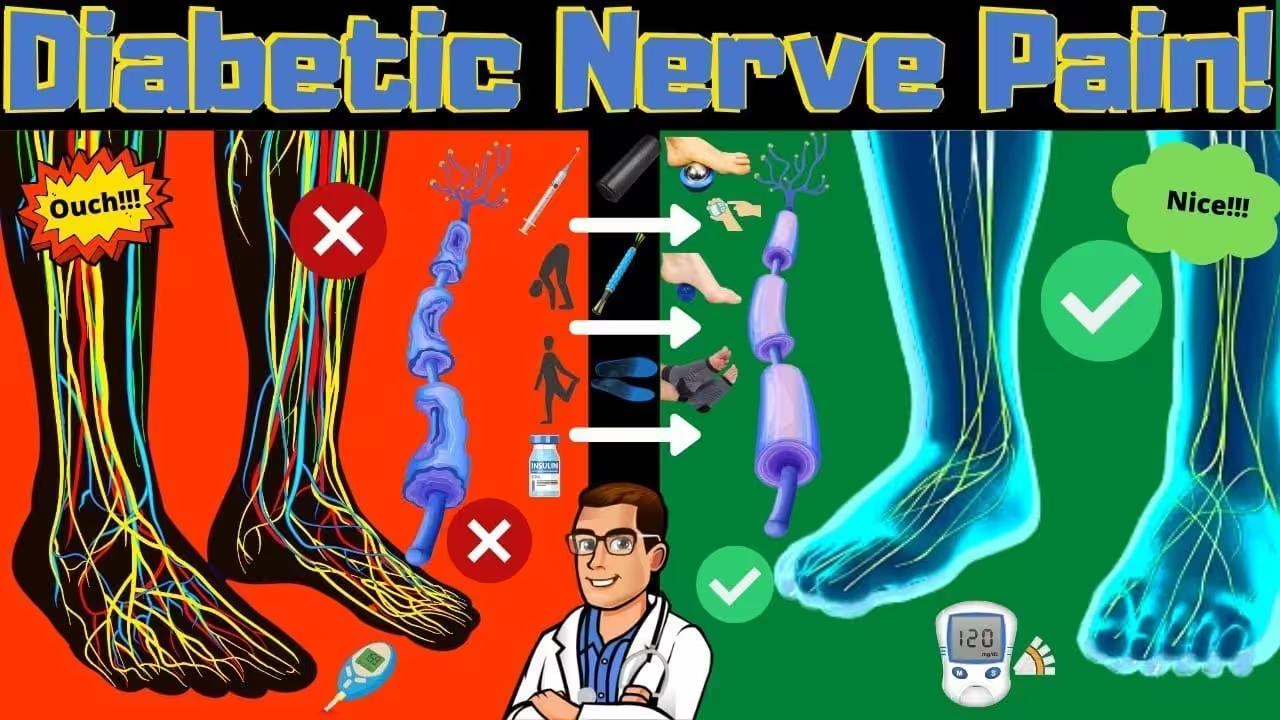
Diabetic peripheral neuropathy (DPN) is nerve damage caused by chronically elevated blood sugar levels. It is the most common complication of diabetes, affecting approximately 50% of people with type 2 diabetes and 20% of those with type 1 diabetes over their lifetime. The peripheral nerves—those supplying the feet, legs, and hands—are most vulnerable to diabetic damage. The feet are typically affected first and most severely, in a “stocking-glove” distribution that begins at the toes and progresses upward.
DPN is a major contributor to diabetic foot complications. The loss of protective sensation—the ability to feel pain, pressure, temperature, and position—eliminates the warning signals that normally prompt a person to remove a stone from their shoe, seek care for a blister, or recognize when water is too hot. Without these signals, minor foot injuries progress unnoticed to significant wounds, infections, and ultimately amputations. Diabetic neuropathy precedes approximately 85% of diabetes-related lower extremity amputations. This makes neuropathy assessment and management—through the podiatrist’s office—one of the most important health maintenance tasks for any person with diabetes.
Treatment at Balance Foot & Ankle: Diabetic Foot & Circulation Screening →
Symptoms of Diabetic Neuropathy in the Feet
Diabetic neuropathy is paradoxical: it can cause both painful symptoms and loss of sensation—sometimes simultaneously, sometimes sequentially. Early diabetic neuropathy often begins with positive symptoms: burning, tingling, electric or stabbing pain in the feet and toes, particularly at night. Hypersensitivity to touch (allodynia) may make even light bedsheet contact painful. As neuropathy progresses, sensation loss predominates—numbness, loss of temperature perception, loss of vibration and position sense, and ultimately loss of protective pain sensation. Many patients report that the burning and tingling improve over time and assume the neuropathy is getting better, when in fact sensation loss is simply completing what painful symptoms started.
Motor neuropathy (damage to motor nerves) causes weakness of intrinsic foot muscles, producing characteristic deformities: claw toes, hammertoes, and prominent metatarsal heads from the imbalance between intrinsic and extrinsic foot muscles. Autonomic neuropathy reduces sweating (causing dry, cracked skin prone to fissure and infection), increases blood flow (contributing to Charcot foot risk), and impairs skin healing. The combination of sensory, motor, and autonomic neuropathy creates the vulnerable diabetic foot.
Assessing Neuropathy: The Diabetic Foot Exam
Annual comprehensive diabetic foot examination by a podiatrist assesses neuropathy severity, vascular status, and structural foot problems. Neuropathy testing includes: 10-gram Semmes-Weinstein monofilament testing (identifies loss of protective sensation—the threshold below which foot ulcer risk is significantly elevated), vibration perception threshold testing with a 128 Hz tuning fork, and ankle reflex assessment. Vascular assessment includes palpation of pedal pulses, ankle-brachial index (ABI) when indicated, and skin color and temperature evaluation. These findings determine foot ulcer risk classification (low, moderate, high, very high), which guides the intensity of preventive care and surveillance frequency.
Protecting Your Feet When You Have Neuropathy
The management of established diabetic neuropathy focuses on preventing complications. Daily foot inspection—visually examining all foot surfaces for redness, blistering, callus, skin breakdown, or nail changes—must become a daily habit. Use a mirror or phone camera to inspect the sole and heel. Inspect inside shoes before wearing for foreign objects. Wear Medicare-approved therapeutic footwear with custom insoles that distribute plantar pressure and accommodate foot deformities. Never go barefoot, even indoors on safe flooring. Test water temperature with the elbow before bathing. See a podiatrist regularly for nail care, callus debridement, and foot surveillance—typically every 2-3 months for high-risk patients.
Blood sugar control is the most effective intervention for slowing neuropathy progression—achieving near-normal HbA1c significantly reduces the rate of neuropathy worsening in type 1 diabetes (DCCT trial) and has some benefit in type 2. Medications for painful neuropathy symptoms include duloxetine (Cymbalta), pregabalin (Lyrica), gabapentin, and tricyclic antidepressants—these address symptoms but not the underlying nerve damage. Topical treatments (capsaicin, lidocaine patches) provide local symptom relief. None of these treatments reverse existing nerve damage.
Frequently Asked Questions
Can diabetic neuropathy in the feet be reversed?
Significant diabetic neuropathy with established sensation loss cannot currently be reversed—damaged nerve fibers do not fully regenerate. However, progression can be slowed or halted with optimal blood sugar control, and some patients experience mild improvement in early neuropathy symptoms with aggressive glycemic management. The DCCT trial demonstrated that intensive blood sugar control in type 1 diabetes reduced the incidence of neuropathy by 60% over 6.5 years. For type 2 diabetes, blood sugar control has a less dramatic but still significant effect on neuropathy progression. Early intervention before significant nerve damage has occurred offers the best opportunity to preserve sensation. This is why regular diabetic foot exams and early neuropathy detection matter.
How do I know if I have diabetic neuropathy in my feet?
Symptoms suggesting neuropathy include: burning, tingling, or electric pain in the feet and toes (particularly at night), numbness or “dead” feeling in the feet, cold feet despite being in a warm environment, reduced ability to feel light touch or temperature differences, balance problems or falls related to loss of foot position sense, and weakness in the foot muscles producing toe deformities. Some patients have significant neuropathy without any symptoms—the only way to know your neuropathy status is through formal testing (monofilament, vibration) during an annual diabetic foot exam. If you have diabetes and haven’t had a foot exam in the past year, schedule one with a podiatrist.
How often should someone with diabetic neuropathy see a podiatrist?
The recommended frequency depends on neuropathy severity and foot risk classification. Low-risk patients (intact sensation, no deformity, good circulation) require annual foot exams. Moderate-risk patients (sensation loss or deformity or borderline circulation) should be seen every 3-6 months. High-risk patients (neuropathy plus deformity or compromised circulation) require visits every 2-3 months. Very high-risk patients (previous ulcer or amputation) need evaluation every 1-2 months. Medicare and most insurance plans cover these regular podiatry visits for qualifying diabetic patients. Consistent podiatric surveillance dramatically reduces the risk of undetected wounds and the amputations that result from delayed care.
Medical References & Sources
- PubMed Research — Diabetic Neuropathy and Amputation Prevention
- PubMed Research — Intensive Blood Sugar Control and Neuropathy (DCCT Trial)
- American Podiatric Medical Association — Diabetic Foot Care
Dr. Tom Biernacki, DPM is a board-certified podiatric surgeon at Balance Foot & Ankle in Howell and Bloomfield Hills, Michigan. He provides comprehensive diabetic foot care including neuropathy screening, annual foot exams, therapeutic footwear, and preventive wound care for patients with diabetes and peripheral neuropathy.
Dr. Tom’s Recommended Products for Diabetic Foot Care
📍 Located in Michigan?
Our board-certified podiatrists treat this condition at two convenient locations. Same-day appointments often available.
These are products I personally use and recommend to my patients at Balance Foot & Ankle.
- Dr. Comfort Men’s Paradise Diabetic Shoe — Medicare-covered diabetic shoe with seamless interior — eliminates pressure points that cause diabetic ulcers
- Foundation Wellness DASS Diabetic Socks — 30% commission (Levanta) — non-binding, seamless toe, moisture-wicking diabetic socks protecting neuropathic feet
- Derma Sciences Bordered Gauze Dressings — Non-adherent wound dressing ideal for diabetic foot wound management between podiatry visits
📧 Get Dr. Tom’s Free Lab Test Guide
Discover the 5 lab tests every person over 35 should ask their doctor about — explained in plain English by a board-certified physician.
Affiliate disclosure: As an Amazon Associate, Balance Foot & Ankle earns from qualifying purchases. We only recommend products we trust for our own patients.
Join 950,000+ Learning About Foot Health
Dr. Tom shares honest medical advice, supplement reviews, and treatment guides you won’t find anywhere else.
Subscribe on YouTube →Blister-Prevention Socks and Products
- Darn Tough Merino Wool Socks — Lifetime Guarantee
- Balega Hidden Comfort — Ultra-Padded Running Socks
- Body Glide Anti-Blister Balm — Friction Prevention
Amazon affiliate links — we may earn a small commission at no extra cost to you.
Medically Reviewed by: Dr. Tom Biernacki, DPM — Board-Certified Podiatrist, Balance Foot & Ankle Specialists
Living With Diabetic Neuropathy?
Diabetic peripheral neuropathy requires ongoing monitoring to prevent ulcers, infections, and amputations. Our podiatrists provide comprehensive diabetic foot care with regular nerve assessments.
Clinical References
- Pop-Busui R, et al. Diabetic Neuropathy: A Position Statement by the American Diabetes Association. Diabetes Care. 2017;40(1):136-154.
- Boulton AJ, et al. Comprehensive Foot Examination and Risk Assessment: A Report of the ADA Task Force. Diabetes Care. 2008;31(8):1679-1685.
- Tesfaye S, et al. Diabetic Neuropathies: Update on Definitions, Diagnostic Criteria, Estimation of Severity, and Treatments. Diabetes Care. 2010;33(10):2285-2293.
Insurance Accepted
BCBS · Medicare · Aetna · Cigna · United Healthcare · HAP · Priority Health · Humana · View All →
Howell Office
3980 E Grand River Ave, Suite 140
Howell, MI 48843
Get Directions →
Bloomfield Hills Office
43700 Woodward Ave, Suite 207
Bloomfield Hills, MI 48302
Get Directions →
Your Board-Certified Podiatrists



Ready to Get Back on Your Feet?
Same-week appointments available at both locations.
Book Your Appointment
Dr. Tom Biernacki, DPM is a double board-certified podiatrist and foot & ankle surgeon at Balance Foot & Ankle Specialists in Southeast Michigan. With over a decade of clinical experience, he specializes in heel pain, bunions, diabetic foot care, sports injuries, and minimally invasive surgery. Dr. Biernacki is a member of the APMA and ACFAS, and his patient education content on MichiganFootDoctors.com and YouTube has reached over one million views.
Frequently Asked Questions
Can a podiatrist help with neuropathy?
What does neuropathy in feet feel like?
Is foot neuropathy reversible?
Recommended Products from Dr. Tom