

| Treatment | Mechanism | Cure Rate | Sessions Needed | Pain Level | Best For |
|---|---|---|---|---|---|
| Salicylic acid (OTC 17–40%) | Keratolytic — destroys wart tissue daily | 60–70% at 12 weeks | Daily self-treatment | Low | First-line; small, non-clustered warts |
| Cryotherapy (liquid nitrogen) | Ice crystal formation → cellular death | 50–70% | 2–6 sessions (2–3 wks apart) | Moderate–high | Single stubborn warts; patient compliance issues with OTC |
| Cantharidin (Canthacur) | Blistering agent — separates epidermis from dermis | 60–80% | 1–3 sessions | Moderate (delayed) | Pediatric, multiple warts; office application only |
| Pulsed-dye laser (PDL) | Targets oxyhemoglobin in wart capillaries | 70–80% | 2–4 sessions | Moderate | Resistant warts; mosaic warts |
| CO2 laser ablation | Vaporizes wart tissue precisely | 75–85% | 1–2 sessions | High (under LA) | Large, deep, or clustered warts; fastest |
| Candida antigen immunotherapy | Intralesional injection stimulates systemic HPV immunity | 65–80% | 3–5 sessions (3–4 wks) | Moderate | Multiple warts; recurrent warts; immunotherapy |
| Surgical excision | Direct removal of wart + margin | High initial; 30–40% recurrence | 1 | High (under LA) | Large resistant warts; last resort (scar risk) |
| Wart Type | Appearance | Location | HPV Strain | Recommended Treatment |
|---|---|---|---|---|
| Common plantar wart (verruca plantaris) | Hyperkeratotic with black dots (thrombosed capillaries); disrupts skin lines | Weight-bearing sole areas | HPV 1, 2, 4 | Salicylic acid first; cryotherapy or cantharidin if OTC fails |
| Mosaic wart (cluster) | Multiple coalesced warts over large area | Forefoot/heel | HPV 2 | Immunotherapy (candida antigen); laser; avoid surgical excision |
| Endophytic wart (deep) | Minimal surface thickening; painful under pressure; “pushes in” | Plantar heel | HPV 1 | CO2 laser or cantharidin; requires deeper treatment |
| Periungual wart | Around nail folds; can extend under nail | Nail fold/subungual | HPV 2, 4 | Cryotherapy; immunotherapy; avoid aggressive excision (nail damage) |
The most important clinical decision with Plantar Wart Removal isn’t which treatment to start with — it’s identifying the correct subtype. That changes everything. Call (810) 206-1402.
Related Conditions
In This Article
- How are plantar warts removed?
- What Is a Plantar Wart — HPV Pathophysiology
- Endophytic vs. Mosaic Wart Patterns
- How to Identify a Plantar Wart
- At-Home Treatment Options
- In-Office Plantar Wart Removal Procedures
- Swift Microwave Therapy for Plantar Warts
- Advanced Treatments: Bleomycin, Immunotherapy, and Laser
- Plantar Wart vs. Corn vs. Callus — How to Tell the Difference
- Red Flags: When a “Wart” Needs Urgent Evaluation
- Preventing Plantar Warts
- In-Office Plantar Wart Removal at Balance Foot & Ankle
- Plantar Wart Won’t Go Away? We Can Help.
- Frequently Asked Questions About Plantar Wart Removal
- Sources
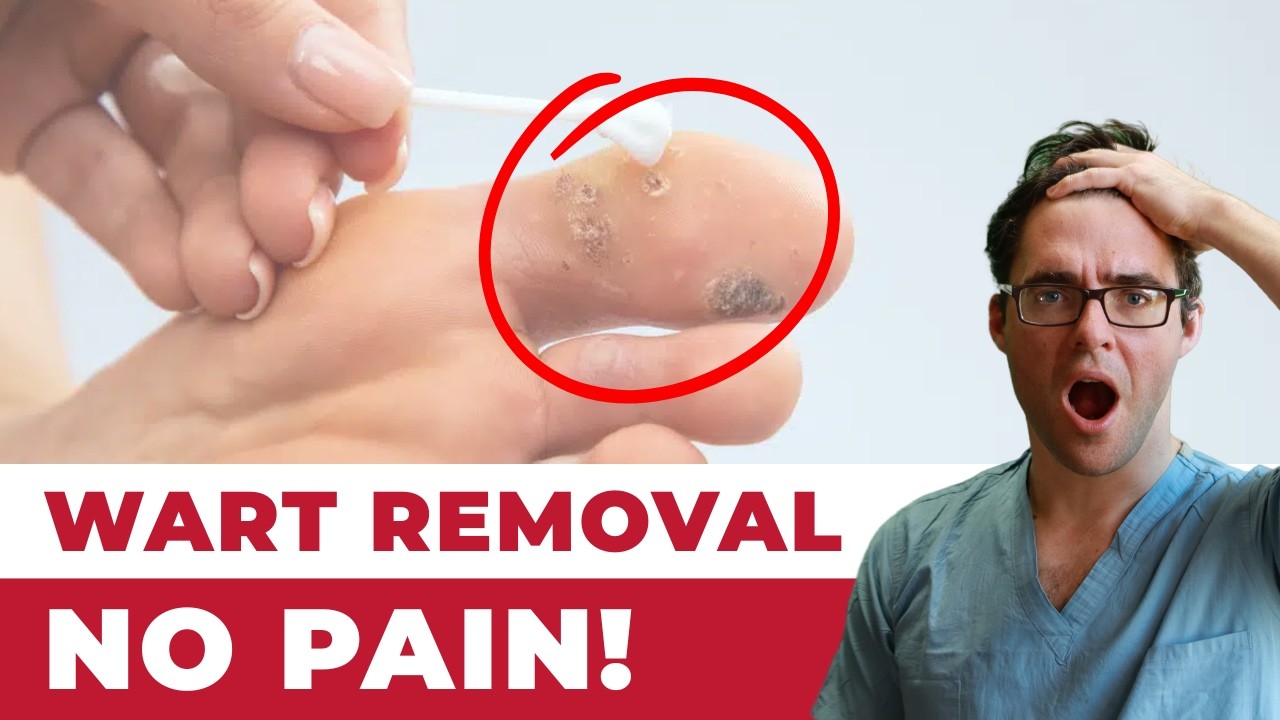
Watch: Plantar Wart Removal: How to Get Rid of a Foot Wart with No PAIN! — MichiganFootDoctors YouTube
Table of Contents
- What Is a Plantar Wart — HPV Pathophysiology
- Endophytic vs. Mosaic Warts
- How to Identify a Plantar Wart
- At-Home Treatment Options
- In-Office Removal Procedures
- Swift Microwave Therapy
- Advanced Treatments: Bleomycin, Immunotherapy, Laser
- Wart vs. Corn vs. Callus
- Red Flags
- Prevention
- In-Office Care at Balance Foot & Ankle
- Frequently Asked Questions
What Is a Plantar Wart — HPV Pathophysiology
A plantar wart (verruca plantaris) is a benign epithelial tumor of the plantar foot skin caused by infection with human papillomavirus (HPV). The most common strains responsible are HPV types 1, 2, 4, 27, and 57. HPV infects the basal keratinocytes (the deepest, actively dividing cells of the skin’s outer layer) through microabrasions, typically acquired on contaminated wet surfaces — pool decks, locker room floors, communal showers.
What makes plantar warts clinically distinct from warts elsewhere on the body is endophytic growth: the pressure of body weight forces the growing wart inward into the dermis rather than outward, creating a deep, callus-covered lesion that can make every step painful. The wart’s surface may look deceptively small while the deep viral tissue extends significantly into the dermis.
A key reason plantar warts are so persistent is HPV’s mechanism of immune evasion. Unlike most viruses, HPV does not cause cell lysis (cell death) during replication — it replicates quietly within keratinocytes without triggering the inflammatory signals that alert the immune system. The virus essentially “hides in plain sight.” This is why many treatments that kill surface wart cells fail to clear the infection — the deeper, immune-invisible HPV reservoir persists and repopulates the wart. The most effective modern treatments (Swift microwave, Candida antigen, bleomycin) work primarily by forcing an immune recognition event — making the immune system “see” and attack the HPV-infected tissue it has been ignoring.
Endophytic vs. Mosaic Wart Patterns
Single Endophytic Wart (Myrmecia)
The classic solitary plantar wart. A single deep, round lesion — most commonly on the heel or ball of the foot — covered with thick callus. The depth of the endophytic component correlates with pain and treatment difficulty. Heel warts, being over a high-pressure anatomical zone, are among the most painful. These warts respond reasonably well to aggressive cryotherapy and bleomycin injection.
Mosaic Warts
A mosaic wart is a large coalesced cluster of many small individual warts that fuse together into a plaque, most commonly across the forefoot. They can cover several square centimeters of the plantar surface. Mosaic warts are typically less painful per individual lesion (because they spread the viral load across many superficial lesions) but are dramatically harder to treat — cryotherapy cannot adequately penetrate the entire plaque, and surgical excision of a forefoot plaque would create an unacceptable scar on a weight-bearing surface. Swift microwave therapy and Candida antigen immunotherapy are specifically superior for mosaic patterns because they work systemically through immune activation rather than tissue destruction.
How to Identify a Plantar Wart
The classic plantar wart appears as a fleshy, rough-surfaced lesion on the sole of the foot, covered by a thick layer of callus. Its most distinctive features:
- Black dots: Small thrombosed (clotted) capillaries within wart tissue — pathognomonic for warts
- Interrupted skin ridges: Warts disrupt the dermatoglyphic (fingerprint-like) ridge pattern; corns and calluses do not
- Lateral pinch pain: Squeezing the wart from the sides is more painful than direct pressure — opposite of corns
- Pinpoint bleeding when pared: Shaving the surface with a scalpel produces multiple small bleeding points (thrombosed capillaries); calluses are avascular
At-Home Treatment Options
At-home treatment is appropriate for single, small warts in healthy, immunocompetent adults. Children, diabetics, and immunocompromised patients should see a podiatrist first.
Salicylic acid (OTC, 17–40%): First-line home treatment. The 40% salicylic acid pad (Compound W Pads, PowerStep Pinnacle’s) is the most effective OTC formulation. Protocol: soak in warm water 5–10 min, file softened skin, apply acid directly to wart, cover with tape, repeat daily for 6–12 weeks. Clearance ~60–70% with consistent use. Each person’s emery board should be for their use only.
OTC freeze sprays (dimethyl ether propane): Reach only −70°C vs. −196°C with in-office liquid nitrogen. Significantly less effective; appropriate for very small, superficial warts as an adjunct to salicylic acid. Clearance ~25–40%.
Duct tape occlusion (Focht method): Continuous occlusion, replaced every 6 days with soaking and filing during changes. Proposed mechanism: local irritation stimulates immune recognition. Evidence is mixed but it is safe and free — worth combining with salicylic acid.
In-Office Plantar Wart Removal Procedures
When home treatments fail after 8–12 weeks, or when warts are large, multiple, or in high-pressure locations, in-office removal provides significantly better clearance rates.
Liquid nitrogen cryotherapy (in-office): Liquid nitrogen (−196°C) applied via spray gun or cotton applicator for 10–20 seconds. Destroys HPV-infected cells and stimulates a local immune response. Sessions spaced 2–4 weeks apart; clearance ~50–70% per session; most warts clear after 2–4 sessions. Plantar skin requires longer freeze times than other body locations due to thickness. Best combined with salicylic acid between sessions.
Cantharidin (“beetle juice”): Applied in-office to the wart surface; washed off by patient 4–6 hours later. Creates a blister beneath the wart tissue, lifting it off the skin. The blister is then debrided at follow-up. Painless in-office (making it the preferred first-line in-office option for children). Clearance comparable to cryotherapy. Not FDA-approved but widely used in podiatric and dermatologic practice.
Swift Microwave Therapy for Plantar Warts
Swift delivers focused microwave energy (8 GHz) into the dermis, generating a localized heat response that activates heat shock proteins and triggers a targeted immune response against HPV — forcing the immune system to recognize and attack the virus it had been evading. This systemic immune activation can clear multiple warts simultaneously, including untreated distant lesions.
Treatment protocol: 3–4 sessions, 4 weeks apart. Each session takes 5–10 minutes. Published clearance rates exceed 80% after a full course — superior to cryotherapy for mosaic warts and long-standing refractory cases. No open wound; no anesthesia required for most patients. Main limitation: not appropriate for patients with pacemakers or implanted electronic devices. Cost not covered by all insurance plans.
Advanced Treatments: Bleomycin, Immunotherapy, and Laser
Bleomycin Intralesional Injection
Bleomycin is a chemotherapy agent that, when injected in small doses directly into wart tissue, is cytotoxic to the HPV-infected keratinocytes and disrupts the wart’s vasculature. Intralesional bleomycin (0.5–1.0 units/mL) achieves cure rates of 70–92% in published series — among the highest of any single plantar wart treatment. A 2019 meta-analysis in the Journal of the European Academy of Dermatology and Venereology found bleomycin superior to cryotherapy and salicylic acid for recalcitrant plantar warts. The procedure requires local anesthesia; side effects include local necrosis (expected), pain, and rarely Raynaud’s phenomenon. Not appropriate for pregnant patients or those with peripheral vascular disease. Best reserved for single, isolated, therapy-resistant warts.
Intralesional Candida Antigen Immunotherapy
Candida antigen — a common fungal antigen most adults have pre-existing immunity to — is injected directly into the wart to trigger a brisk local immune response that “wakes up” the immune system to the adjacent HPV infection. Published clearance rates: 74–84%, including clearance of distant untreated warts (the systemic immune response generalizes). Sessions every 3–4 weeks. Temporary flu-like symptoms (systemic immune activation) are possible after treatment. Particularly valuable for multiple-wart cases and mosaic clusters where local tissue destruction would be inadequate.
Pulsed Dye Laser and CO2 Laser
Pulsed dye laser (595nm) selectively destroys the blood vessels feeding the wart, cutting off its nutrient supply — with relatively low surrounding tissue damage. CO2 laser provides more aggressive direct ablation of the keratinized wart tissue and is used for large, isolated warts resistant to other methods. Clearance rates 70–90% reported. Both require local anesthesia; CO2 carries scar risk on the plantar surface and should be used judiciously over weight-bearing zones.
Surgical Excision — Last Resort
Excision requires local anesthesia, creates a plantar scar that can itself be painful on weight-bearing, and does not eliminate the HPV viral reservoir in surrounding tissue — recurrence within or adjacent to the scar is documented. Reserved for: tissue biopsy to rule out malignancy (any atypical lesion), or large isolated wart that has exhausted all other modalities. We rarely recommend surgical excision as primary plantar wart treatment.
Plantar Wart vs. Corn vs. Callus — How to Tell the Difference
| Feature | Plantar Wart | Corn (Heloma) | Callus (Tyloma) |
|---|---|---|---|
| Cause | HPV infection | Focal pressure/friction | Diffuse pressure |
| Black dots | Yes (thrombosed capillaries) | No | No |
| Skin ridges | Interrupted (displaced) | Intact | Intact |
| Bleeds when pared | Yes — pinpoint dots | No — hard central nucleus | No — uniform keratin |
| Pain pattern | Worse with lateral squeeze | Worse with direct pressure | Aching with prolonged walking |
| Contagious | Yes (HPV) | No | No |
Critical note: Acral lentiginous melanoma — the most common melanoma subtype in patients with darker skin tones — can present as a dark plantar lesion mimicking a wart. Any lesion with irregular dark pigmentation, asymmetric borders, or spontaneous bleeding must be biopsied before treatment.
Red Flags: When a “Wart” Needs Urgent Evaluation
See a Podiatrist Immediately If:
- Irregular dark pigmentation or uneven color — acral lentiginous melanoma can mimic a plantar wart
- Rapid growth or changing appearance within weeks — any wart-like lesion that grows fast requires biopsy
- Spontaneous bleeding without paring or trauma — not typical of benign verruca
- Diabetes or immunosuppression — wart treatment in these patients requires professional supervision; infection risk is significantly elevated
- Wart failing 3+ months of consistent home treatment — the viral load is too established for OTC agents; escalate to in-office care
- Child under 5 years — plantar warts are rare in this age group; evaluate for immune deficiency
Preventing Plantar Warts
HPV thrives in warm, wet environments. Prevention focuses on reducing skin-to-contaminated-surface contact and maintaining skin barrier integrity:
- Wear footwear on pool decks, in locker rooms, and in communal showers — never walk barefoot in these areas
- Keep feet clean and dry; HPV enters most easily through softened, macerated skin
- Change socks daily; avoid sharing towels, socks, or footwear with affected individuals
- Keep nails trimmed and avoid picking at skin around the toes — microtrauma creates viral entry points
- If you have had a plantar wart, apply topical antiviral foot spray in public areas and treat any new lesion aggressively within the first 4 weeks when it is smallest and most treatable
In-Office Plantar Wart Removal at Balance Foot & Ankle
Balance Foot & Ankle offers the full spectrum of plantar wart removal — from in-office cryotherapy and cantharidin to Swift microwave therapy, Candida antigen immunotherapy, and bleomycin injection for the most resistant cases. Every lesion is pared and inspected before treatment to confirm the diagnosis. Same-day appointments available for new patients with bothersome plantar growths.
Plantar Wart Won’t Go Away? We Can Help.
Same-day appointments · Howell & Bloomfield Hills MI · 4.9 Stars · 1,123 reviews
Book Your Appointment →Or call: (810) 206-1402
Frequently Asked Questions About Plantar Wart Removal
How do you remove a plantar wart permanently?
Permanent clearance requires eliminating the HPV viral reservoir in the deep dermis. In-office treatments with the highest long-term clearance rates are Swift microwave therapy (80%+), bleomycin injection (70–92%), and Candida antigen immunotherapy (74–84%). No treatment guarantees 100% non-recurrence — HPV can persist dormant in surrounding skin — but most patients achieve complete, lasting clearance with 2–4 in-office sessions using these modalities.
How long does it take for a plantar wart to go away?
With consistent daily salicylic acid, small warts clear in 6–12 weeks. In-office cryotherapy clears most warts after 2–4 sessions over 4–8 weeks. Swift clears most warts after 3 sessions over 8–12 weeks. Without treatment, plantar warts in healthy adults often resolve spontaneously over 1–2 years — though many persist indefinitely in immunocompromised patients.
Does liquid nitrogen remove plantar warts?
Yes — in-office liquid nitrogen (−196°C) is significantly more effective than OTC freeze sprays (−70°C). Clearance ~50–70% per session; most warts clear after 2–4 sessions spaced 2–3 weeks apart. Best combined with salicylic acid between sessions and adjunct debridement.
When should I see a podiatrist for a plantar wart?
See a podiatrist if your wart hasn’t responded to 8–12 weeks of OTC treatment; the lesion has atypical pigmentation, bleeds spontaneously, or is rapidly changing; you are diabetic or immunocompromised; or you have multiple warts or a large mosaic cluster. Call Balance Foot & Ankle at (810) 206-1402 for same-day evaluation.
Does insurance cover plantar wart removal?
In-office cryotherapy for painful plantar warts affecting ambulation is typically covered by Medicare and most commercial plans. Swift and bleomycin coverage varies by plan. Our team verifies benefits before treatment and discusses all costs transparently.
Sources
- Bruggink SC, et al. Cryotherapy with liquid nitrogen vs. topical salicylic acid for cutaneous warts in primary care. CMAJ. 2010;182(15):1624–1630.
- Wenner R, et al. Intralesional treatment of nongenital warts with Candida antigen. Arch Dermatol. 2005;141(5):589–594.
- Nofal A, et al. Intralesional bleomycin for the treatment of recalcitrant plantar warts. J Eur Acad Dermatol Venereol. 2019;33(12):2252-2259.
- Cockayne S, et al. Cryotherapy versus salicylic acid for plantar warts. BMJ. 2011;342:d3271.
- Kwok CS, et al. Topical treatments for cutaneous warts. Cochrane Database Syst Rev. 2012;(9):CD001781.
Related Conditions & Resources
Our podiatrists treat the underlying cause, not just the symptom. Same-week appointments at our Howell and Bloomfield Hills, Michigan offices.
In-Office Treatment at Balance Foot & Ankle
If home treatment isn’t providing relief for your plantar wart, our podiatry team at Balance Foot & Ankle can help with same-day evaluations and advanced in-office care.
Same-day appointments available. (810) 206-1402
Get Expert Care at Balance Foot & Ankle
Same-week appointments at our Howell and Bloomfield Hills offices. Board-certified podiatric surgeons. Most insurance accepted.
Same-Week Appointments in Howell & Bloomfield Hills
Three board-certified podiatric surgeons. 1,123+ five-star reviews. Most insurance accepted.

Dr. Tom Biernacki, DPM is a board-certified foot & ankle surgeon (ABFAS & ABPM) at Balance Foot & Ankle Specialists in Southeast Michigan. With over a decade of clinical experience, he specializes in heel pain, bunions, diabetic foot care, sports injuries, and minimally invasive surgery. Dr. Biernacki is a member of the APMA and ACFAS, and his patient education content on MichiganFootDoctors.com and YouTube has made him one of the most-followed foot & ankle educators on YouTube.