
Quick answer: Necrobiosis Lipoidica Diabeticorum Diabetes Symptoms Sign comes up often in our clinics. Effective treatment starts with a targeted diagnosis, conservative-first treatment, and escalation only when needed. We treat this regularly at our Howell and Bloomfield Township practices. Call (810) 206-1402.
Medically reviewed by Dr. Tom Biernacki, DPM · Board-Certified Podiatric Surgeon · Last reviewed: April 2026 · Editorial Policy
Quick Answer
Necrobiosis lipoidica is a skin condition associated with diabetes, appearing as shiny, reddish-brown patches usually on the shins. Lesions can ulcerate, so changes warrant assessment. Appointments in Howell + Bloomfield Township: (810) 206-1402.
✅ Medically reviewed by Dr. Tom Biernacki, DPM — Board-Certified Podiatrist · Last updated April 6, 2026
Necrobiosis Lipoidica Diabeticorum [Diabetes Symptoms & Sign]
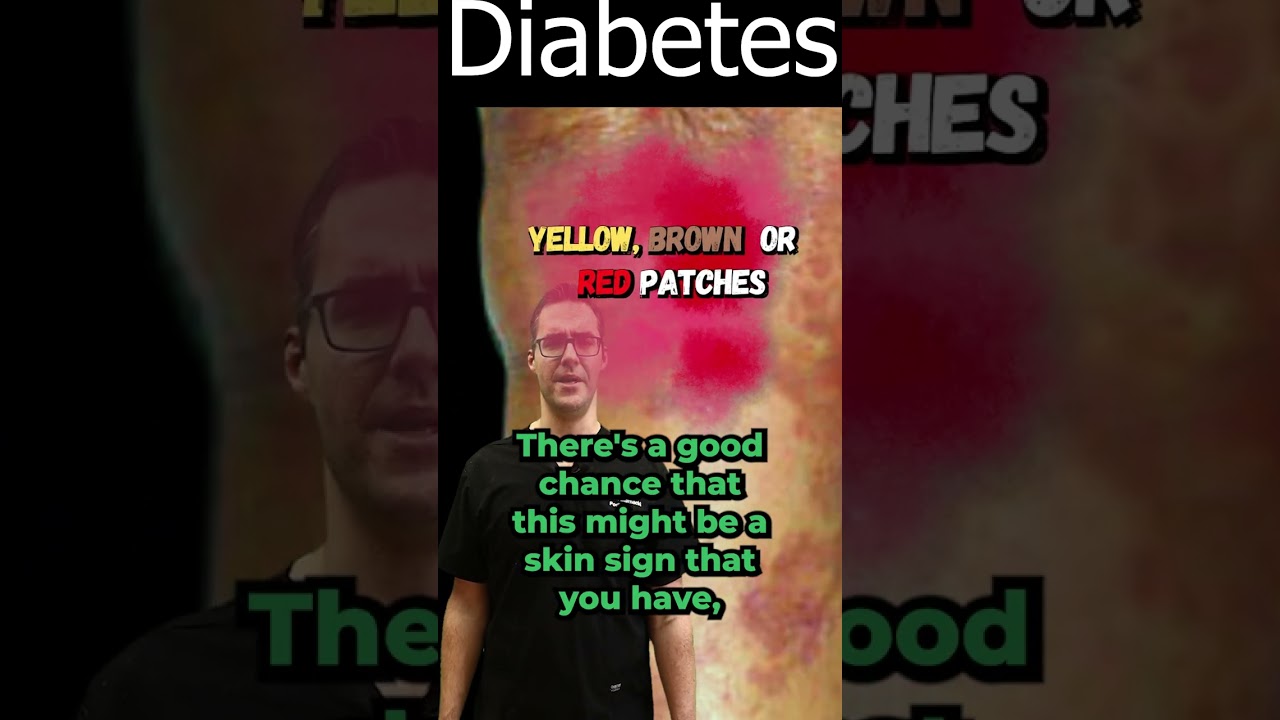 Necrobiosis Lipoidica Diabeticorum [Diabetes Symptoms & Sign]
🦶Necrobiosis lipoidica diabeticorum AKA lipoidica necrobiosis diabeticorum & diabeticorum necrobiosis lipoidica🦶
Type 2 Diabetes Treatment Videos:
Top 28 Diabetes Symptoms: https://youtu.be/8U9b36D43xI
10 Best Diabetic Vitamins: https://youtu.be/sPihveT3oc0
Best Diabetic Foods: https://youtu.be/jLID96VA7j0
How to know your heart is not well: https://youtu.be/qx4QAX2L4Fo
Vitamin D, Vitamin K2 & Magnesium: https://youtu.be/esTz-_Mpm4Q
Reverse Clogged Arteries: https://youtu.be/oNiZo0nO048
Diabetic Neuropathy [Peripheral Neuropathy]: https://youtu.be/E_0ALrqYUSM
Best Recommended Supplement Products in Video:
Best Supplements for Neuropathy 2026 | Podiatrist Guide👉 LINKS 👈 (With some links, we use affiliate links and may earn a commission. Check with your doctor before using any product. Thank you for being so supportive of this channel!) Best Diabetic Multivitamins: Top 10 Diabetic Supplements: https://youtu.be/sPihveT3oc0 Top rated: https://geni.us/n2gf7 (Amazon) For Men: https://geni.us/RWoSjh4 (Amazon) For Women: https://geni.us/BMlfmb2 (Amazon) Vitamin D3 & Vitamin K2 Supplements: Watch this Video: https://youtu.be/esTz-_Mpm4Q Vitamin K2 MK4 & MK7: https://geni.us/jqpi6 (Amazon) Vitamin D3 5,000 unit + Vitamin K2: https://geni.us/aNgo (Amazon) Best Magnesium Supplements: Watch this video for details: https://youtu.be/sOA1RPT8suw Magnesium Citrate Powder: https://geni.us/2B7h3c (Amazon) Magnesium sulfate (Epsom Salts): https://geni.us/NuMOQh (Amazon) Benfotiamine (Vitamin B1 Thiamine): Video: https://youtu.be/BFjwxefiBUY 300mg Benfotiamine: https://geni.us/jpbjR(Amazon) Vitamin B12: Video: https://youtu.be/s9xDeZyLb50 Best Seller Sublingual Vit B12: https://geni.us/CmtPD (Amazon) Acetyl-L-Carnitine: Best Rated: https://geni.us/gNnDMv (Amazon) High Dose: https://geni.us/MgMQ (Amazon) Alpha Lipoic Acid (Antioxidant beneficial in Neuropathic pain, Diabetes. Watch this for more: https://youtu.be/9SROQJl-a6I R-Alpha Lipoic Acid (Needs to Be R- not S-Alpha Lipoic Acid) Necrobiosis lipoidica diabeticorum (NLD) is a skin condition that can develop in people with diabetes. It typically appears as a red or yellowish-brown patch or bump on the skin, usually on the lower legs. The affected skin may be shiny, smooth, or slightly raised, and it may have visible blood vessels. The exact cause of NLD is not fully understood, but it is believed to be related to the changes in blood vessels and collagen that can occur in people with diabetes. NLD is more common in women than men, and it usually develops in people with poorly controlled diabetes. In some cases, NLD may be asymptomatic and require no treatment. However, in other cases, the affected skin may be itchy, painful, or ulcerated, and treatment may be necessary to prevent infection and promote healing. Treatment options for NLD may include topical corticosteroids, intralesional corticosteroid injections, and other medications such as tacrolimus or pimecrolimus. In some cases, laser therapy or surgical excision may be recommended to remove the affected skin. It’s important for people with diabetes to maintain good blood sugar control and practice good skin care to help prevent the development of NLD and other skin conditions. If you notice any changes in your skin, such as the appearance of NLD, it’s important to see a healthcare professional for a proper diagnosis and treatment plan. 👉 Shoes 👈 Best Shoes:
Podiatrist Recommended ShoesBest Products: https://www.michiganfootdoctors.com/recommended-foot-doctor-products/// 📢Come See Us in Detroit, Michigan, Berkley Michigan; Bloomfield Township, Michigan, Lansing Michigan; and Grand Blanc Michigan📢 If you are in Michigan, consider seeing us at our clinic: https://www.michiganfootdoctors.com/. https://g.page/r/CaxJ9b-O6o27EAE DISCLAIMER: Dr. Tomasz Biernacki received his Doctor of Podiatric Medicine degree from Kent State College of Podiatric Medicine in 2013; he completed his Surgical Reconstructive Foot Surgery & Podiatric Medicine Residency in 2017; he completed 2 separate traveling Fellowships in Diabetic Surgery, Skin Grafting & Nerve Surgery. He is double board certified in Podiatric Medicine and separately in Foot & Ankle Surgery. His use of “doctor” or “Dr.” about himself solely refers to that degree. Dr. Biernacki is a licensed podiatrist in Michigan. This video is for general informational purposes only. It should not be used to self-diagnose and is not a substitute for a medical exam, cure, treatment, diagnosis, prescription, or recommendation. It does not create a doctor-patient relationship between Dr. Biernacki and you. It would be best if you did not change your health regimen or diet before consulting a physician and obtaining a medical exam, diagnosis, and recommendation. Always seek the advice of a physician or other qualified health provider with any questions regarding a medical condition.
Michigan Podiatric Care at Balance Foot & Ankle: Expert Treatment for Every Foot Condition
Michigan patients with any foot or ankle concern — from acute injuries and chronic pain to preventive care and high-risk foot management — receive expert podiatric care at Balance Foot & Ankle. Our fellowship-trained podiatrists provide hands-on exam plus imaging when needed, accurate diagnosis, and evidence-based treatment that addresses root causes rather than simply managing symptoms. We are committed to transparent communication: patients always understand their diagnosis, their treatment options, and realistic expectations before any intervention is undertaken.
Related Treatment Guides
- Diabetic Foot Care & Neuropathy
- Plantar Fasciitis & Heel Pain Treatment
- Custom 3D Orthotics
- Sports Foot & Ankle Injury Treatment
Our Howell office (4330 E Grand River) serves Livingston County, and our Bloomfield Township office (43494 Woodward Ave #208) serves Oakland County. Both locations offer in-office X-ray, same-week new patient scheduling, and the full range of conservative and surgical podiatric services. We accept all major Michigan insurance plans and verify coverage before appointments — no insurance surprises at check-in. Michigan patients ready to take the next step toward better foot health can call Balance Foot & Ankle at (810) 206-1402 to schedule today.
Insurance Accepted
BCBS · Medicare · Aetna · Cigna · United Healthcare · HAP · Priority Health · Humana · View All →
Howell Office
4330 E Grand River Ave
Howell, MI 48843
Get Directions →
Bloomfield Township Office
43494 Woodward Ave, #208
Bloomfield Township, MI 48302
Get Directions →
Your Board-Certified Podiatrists



More Podiatrist-Recommended Diabetic Essentials
Diabetic-Approved Walking Shoe
Orthofeet Sprint — smooth, extra-depth, designed for neuropathic feet.
Seamless Diabetic Sock

OS1st FS4 — non-binding, moisture-wicking, protects fragile diabetic skin.
Recovery Slide for Indoor Wear
HOKA Ora 3 — protects diabetic feet from barefoot injury at home.
As an Amazon Associate, Balance Foot & Ankle earns from qualifying purchases. Product recommendations are based on clinical experience; prices and availability shown above update live from Amazon.

When to See a Podiatrist
One unnoticed blister on a neuropathic foot can become a limb-threatening ulcer in under 14 days. Medicare covers diabetic shoes (A5500) and comprehensive foot exams annually for most diabetic patients with neuropathy or circulation concerns. Balance Foot & Ankle runs a dedicated diabetic limb-preservation program — vascular screening, offloading, ulcer care, and shoe fitting — all in one visit. Schedule your annual diabetic foot exam today.
Call Balance Foot & Ankle: (810) 206-1402 · Book online · Offices in Howell & Bloomfield Township
Pros & Cons of Conservative Care for diabetic foot care
Advantages
- ✓ Daily inspection prevents amputation
- ✓ Most insurance covers DME
- ✓ Custom orthotics help
Considerations
- ✗ Daily commitment required
- ✗ Slow wound healing
- ✗ Charcot risk if neuropathy
Dr. Tom’s Recommended Products for diabetic foot care
Affiliate disclosure: As an Amazon Associate, Balance Foot & Ankle earns from qualifying purchases. We only recommend products we use with patients.

Drew Moonwalker Diabetic Shoe Dr. Tom’s Pick
Best for: Medicare-covered diabetic footwear

Diabetic Compression Socks Dr. Tom’s Pick
Best for: Daily protection + circulation


Ready to Get Back on Your Feet?
Appointments in Howell + Bloomfield Township. Most insurance accepted. Dr. Tom Biernacki, DPM & team.
Book Today — Online Booking 24/7 Available
Call Now: (810) 206-1402
About Your Care Team at Balance Foot & Ankle
Dr. Tom Biernacki, DPM · Board-Certified Foot & Ankle Surgeon. Specializes in conservative-first care, minimally invasive bunion surgery, and complex reconstruction.
Dr. Carl Jay, DPM · Accepting new patients. Specializes in sports medicine, athletic injuries, and routine podiatric care.
Dr. Daria Gutkin, DPM, AACFAS · Accepting new patients. Specializes in surgical reconstruction and pediatric podiatry.
Locations: 4330 E Grand River Ave, Howell, MI 48843 · 43494 Woodward Ave Suite 208, Bloomfield Township, MI 48302
Hours: Mon–Thu 9:00 AM – 4:30 PM, Fri 9:00 AM – 2:30 PM · (810) 206-1402
🩺 Dr. Tom’s Recommended Products
As an Amazon Associate I earn from qualifying purchases. These are products I personally use and recommend to patients.
The OTC orthotic I recommend most. Sub-$50 before custom orthotics.
View on Amazon →
Natural menthol + arnica topical. FSA-eligible — what I switched my family to from Doctor Hoy’s Natural Pain Relief Gel.
View on Amazon →
In-Office Treatment at Balance Foot & Ankle
If home treatment isn’t providing relief for your necrobiosis lipoidica diabeticorum diabetes symptoms sign, our podiatry team at Balance Foot & Ankle can help with expert evaluations and advanced in-office care.
Appointments available. (810) 206-1402

Dr. Tom Biernacki, DPM is a board-certified foot & ankle surgeon (ABFAS & ABPM) at Balance Foot & Ankle Specialists in Southeast Michigan. With over a decade of clinical experience, he specializes in heel pain, bunions, diabetic foot care, sports injuries, and minimally invasive surgery. Dr. Biernacki is a member of the APMA and ACFAS, and his patient education content on MichiganFootDoctors.com and YouTube has made him one of the most-followed foot & ankle educators on YouTube.
More questions patients ask
What is necrobiosis lipoidica diabeticorum and what does it look like?
Necrobiosis lipoidica diabeticorum (NLD) is a chronic inflammatory skin condition associated with diabetes, appearing as well-defined oval or irregular plaques on the lower legs and feet. Early lesions are reddish-brown or violet papules that gradually enlarge and develop a waxy, yellowish-orange center with prominent telangiectasias (dilated blood vessels visible through the thin skin). The borders remain red-brown while the center appears atrophic and shiny. Despite its name, NLD occurs in both diabetic and non-diabetic patients (30–40% of cases have no diabetes), but diabetes is present in 60–70% of cases. Ulceration can occur, especially after minor trauma. Balance Foot & Ankle (810) 206-1402 evaluates NLD in Howell and Bloomfield Township.
Is necrobiosis lipoidica dangerous and can it turn into an ulcer?
NLD is not directly life-threatening, but it creates significant complications, particularly when ulceration occurs. The atrophic, poorly vascularized skin of NLD plaques is very fragile — even minor trauma can cause non-healing ulcers. NLD ulcers in diabetic patients are particularly dangerous because: reduced healing capacity from diabetes, poor local circulation in the plaques, and potential for bacterial colonization and secondary infection. Active NLD ulcers require the same aggressive wound management as diabetic foot ulcers — including infection treatment, offloading, advanced wound dressings, and vascular assessment. Any NLD plaque that develops breakdown, especially in a diabetic patient, warrants immediate evaluation at Balance Foot & Ankle.
What treatments are available for necrobiosis lipoidica?
NLD treatment is challenging — no single therapy reliably clears all cases. Options include: potent topical corticosteroids (applied carefully given skin fragility), intralesional cortisone injections into active border areas, systemic treatments for widespread disease (pentoxifylline, hydroxychloroquine, cyclosporine, TNF-inhibitors for severe cases), wound management for ulcerated lesions, strict diabetes control (may slow progression but doesn't reliably clear established lesions), and for ulcerated NLD — compression therapy (if venous component present), skin grafting for non-healing wounds. Sun protection prevents further UV damage to fragile plaques. Referral to dermatology for advanced cases is appropriate. Balance Foot & Ankle coordinates comprehensive care for NLD affecting the lower extremities.
Does controlling blood sugar help necrobiosis lipoidica?
The relationship between glycemic control and NLD activity is complex. Poor blood sugar control is associated with worse NLD outcomes and increased ulceration risk. Improving HbA1c may stabilize active lesions and reduce ulceration risk. However, NLD frequently persists despite excellent blood sugar control, and may even develop in patients without diabetes. The mechanism involves inflammation and collagen degeneration in the mid-dermis that is not fully reversible once established. Despite this, optimal diabetes management — through dietary changes, exercise, and medications — remains important for NLD patients both to potentially improve skin disease and to prevent the diabetic complications that dramatically increase NLD-related ulceration risk.
When should NLD on the feet be evaluated urgently?
Urgent evaluation is needed for NLD when: a plaque shows breakdown or ulceration (any size), surrounding redness or warmth suggests secondary infection, the ulcer has an odor or discharge, in any diabetic patient with new or changed NLD — the combination of diabetes and NLD creates extreme ulceration risk. Even small ulcers in NLD plaques can be slow to heal and carry infection risk. Non-urgent but important: new plaques, rapidly expanding lesions, or NLD developing in a previously non-diabetic patient (screen for diabetes). For NLD affecting the feet and lower legs, Balance Foot & Ankle at 4330 E Grand River, Howell or 43494 Woodward Ave #208, Bloomfield Township provides evaluation and wound management. Call (810) 206-1402.
How often should diabetics check their feet?
Daily self-exams plus professional exams annually (or every 3-6 months for neuropathy/PAD patients). Dr. Biernacki provides comprehensive diabetic foot care programs.
Why do diabetics have foot problems?
Diabetes causes nerve damage, reduced blood flow, and impaired immunity. Injuries go unnoticed and heal slowly. ~15% of diabetics develop ulcers. Prevention through regular podiatric care is essential.
What are signs of diabetic neuropathy?
Tingling, burning, numbness starting in toes, sensitivity to touch, muscle weakness, balance problems. Schedule evaluation at 810-206-1402 for nerve testing and management.
Still have a question about coverage or cost? Book online and we will check your benefits before your visit: Book in Howell · Book in Bloomfield Township. Prefer to talk it through first? Call (810) 206-1402.