

Medically reviewed by Dr. Tom Biernacki, DPM, FACFAS
Board-certified podiatric foot and ankle surgeon | Balance Foot & Ankle, Howell & Bloomfield Township, MI
Last reviewed: May 2026 | About Dr. Biernacki
If your shoes wear out fastest along the inside of the heel, your arches collapse when you stand, and you’ve been told your “ankles roll inward,” you are an overpronator. In our Howell and Bloomfield Township clinics, overpronation is the single most common gait pattern we see — particularly in patients with plantar fasciitis, posterior tibial tendon dysfunction (PTTD), shin splints, and medial knee pain. It is also one of the most over-treated patterns: shoe stores reflexively put every customer with a low arch into a motion-control shoe, when many overpronators do better with a moderate stability shoe and the right insole. This guide walks through what overpronation actually is, how to tell if you have it, what’s driving it, and the conservative ladder we use before discussing custom orthotics or surgery.
The most important clinical decision with Overpronation isn’t which treatment to start with — it’s identifying the correct subtype. That changes everything. Call (810) 206-1402.
What is overpronation?
Overpronation is excessive inward rolling of the foot during the stance phase of walking and running. A small amount of pronation is normal and necessary — it absorbs shock at heel strike and lets the foot adapt to uneven ground. The problem is when the inward roll continues past the point where it should stop, the arch collapses, and the foot stays unlocked when it should be a rigid lever for push-off.
Anatomically, overpronators have one or more of: a low arch, a flexible flat foot, a valgus heel (tipped outward at rest), a long second metatarsal, or weakness in the posterior tibial tendon and intrinsic foot muscles. The hindfoot collapses inward, the navicular drops, the talus tips medially, and force travels up the kinetic chain to the medial knee and hip. In our clinic, the overpronator’s tell is uneven shoe wear under the medial heel, a footprint with the entire arch filled in, and a navicular that rolls visibly toward the floor when standing.
Key takeaway: Overpronation = excessive inward foot roll with arch collapse. Most overpronators have a low or flexible flat foot. They overload the medial column, the posterior tibial tendon, the plantar fascia, the medial knee, and the hip.
Overpronation vs. supination vs. neutral
Overpronation, neutral pronation, and supination are the three patterns the foot can take during gait. Confusing them — particularly mixing up overpronation and supination — is the most common reason patients end up in the wrong category of running shoe and pay for it in pain. Here is the comparison we use during gait analysis at Balance Foot & Ankle.
| Pattern | Foot type | Shoe wear pattern | Shoe category |
|---|---|---|---|
| Overpronation | Low arch / flat; flexible; valgus heel | Medial heel + medial forefoot worn through | Stability or motion-control |
| Neutral | Medium arch; flexible | Slight wear from lateral heel diagonally to mid-forefoot | Neutral |
| Supination (underpronation) |
High arch (cavus); rigid; varus heel | Lateral heel + outside forefoot worn through | Cushioned neutral (never motion-control) |
The take-home rule: if your wear pattern is on the inside of the shoe and your arch collapses when you stand, you are an overpronator. Stability and motion-control shoes are designed for you. If your arch is high and your wear is on the outside of the shoe, you are a supinator and stability shoes will make things worse. Read our companion guide on supination of the foot if your wear pattern is lateral.
Symptoms of overpronation
Symptoms of overpronation almost all stem from medial overload — the inside of the foot, ankle, knee, and hip take more load than they were designed for. Every patient is different, but in our clinic the four most common presentations are plantar fasciitis (heel pain), posterior tibial tendon dysfunction (medial ankle pain), medial shin splints, and patellofemoral knee pain in runners.
- Plantar fasciitis — first-step heel pain in the morning, classic of overpronators because the fascia stretches as the arch collapses.
- Posterior tibial tendonitis / PTTD — medial ankle pain, swelling behind the medial malleolus, eventual progressive flat foot.
- Medial shin splints (medial tibial stress syndrome) — diffuse aching along the inside of the shin, especially in runners.
- Bunion (hallux valgus) progression — overpronation accelerates first-MTPJ deformity by overloading the medial first ray.
- Patellofemoral pain / runner’s knee — internal tibial rotation from overpronation increases knee tracking issues.
- Medial knee pain and accelerated medial-compartment osteoarthritis.
- Hip pain and lower back pain from upstream malalignment.
- Foot fatigue and aching after standing — a hallmark of weak intrinsic foot muscles.
- Calluses under the great toe and second metatarsal, and big-toe push-off pain.
Differential diagnosis: when overpronation hides something else
Differential diagnosis matters because some adult overpronation is not just “flat feet” — it is the early stage of progressive deformity. Catching posterior tibial tendon dysfunction (PTTD) at stage I or II preserves the foot for life. Missing it until stage III or IV usually means a triple arthrodesis. Here are the eight conditions we rule in or out at the first visit.
| Condition | How it differs |
|---|---|
| Flexible flat foot | Most common cause of overpronation; arch reforms on tip-toe; usually congenital, often family history. |
| PTTD (adult-acquired flat foot) | Progressive collapse, medial ankle pain, single-leg heel-rise impossible; can’t go on tip-toe on the affected side. |
| Tarsal coalition | Rigid flat foot in adolescents; no arch reformation on tip-toe; CT shows bony bridge. |
| Charcot foot (diabetic) | Acute warm/red/swollen midfoot collapse in a diabetic; emergency referral. |
| Hypermobility / Ehlers-Danlos | Generalized joint laxity; flat foot is one feature of a systemic condition. |
| Accessory navicular syndrome | Pain over the medial navicular bump; visible accessory bone on X-ray. |
| Equinus / tight Achilles | Tight gastroc forces midfoot pronation as the only available path of dorsiflexion. |
| Spring ligament tear | Acute or progressive arch collapse with medial pain after trauma; MRI confirms. |
The most useful single screen for grown-ups is the single-leg heel rise. Have the patient stand on one foot and rise onto their toes. A normal foot inverts at the heel as the arch reconstitutes. A foot with PTTD cannot fully heel-rise, or rises with the heel staying in valgus. That single test, combined with the standing posture exam, sorts overpronation into “biomechanical pattern” or “early adult-acquired flat foot needing immediate intervention.”
What causes overpronation?
The cause of overpronation is multifactorial. In our clinic, the breakdown is roughly: 60-70% inherited flat foot or low arch, 15-20% adult-acquired (PTTD or spring ligament insufficiency), 10% from tight Achilles forcing midfoot collapse, and the remainder from systemic ligamentous laxity, post-traumatic causes, or rare developmental anomalies.
- Inherited flat foot — runs strongly in families; the most common cause.
- Posterior tibial tendon dysfunction — gradual stretching and tearing of the PTT, the main dynamic stabilizer of the medial arch.
- Equinus (tight Achilles / gastroc) — limits ankle dorsiflexion, so the midfoot has to provide the motion through pronation.
- Hypermobility — Ehlers-Danlos, benign hypermobility syndrome, and similar collagen disorders.
- Pregnancy and weight gain — hormones (relaxin) and load both promote arch collapse; many women remain a half-shoe-size larger after pregnancy.
- Aging — ligaments and tendons stiffen and weaken; PTTD peaks in women aged 40-60.
- Wearing unsupportive shoes for long hours — does not cause structural overpronation but accelerates symptoms.
- Old midfoot or hindfoot fracture — post-traumatic deformity sometimes presents as adult overpronation.
How podiatrists diagnose overpronation
Diagnosing overpronation is a 90-second clinical exam — gait, foot type, shoe wear, and the single-leg heel rise tell the story. The work happens in the differential: distinguishing benign flexible flat foot from early PTTD, tarsal coalition, or Charcot. Here is the workup we run at Balance Foot & Ankle.
- History. Lifelong vs. adult-acquired arch collapse, family history of flat feet, recent weight gain or pregnancy, ankle injuries, diabetes, autoimmune conditions, hypermobility.
- Standing posture from behind. “Too many toes” sign — if you can see more than the fifth toe peeking out from behind the heel, that’s a hindfoot in significant valgus.
- Wet foot test / arch height index. A footprint with the entire arch filled in confirms low arch.
- Single-leg heel rise test. The single most valuable test for distinguishing flexible flat foot from PTTD.
- Tip-toe arch reformation. Flexible flat feet reform the arch when you go up on tip-toe; rigid flat feet do not — that’s a coalition until proven otherwise.
- Silfverskiöld test. Checks for equinus contracture (tight Achilles) — a major contributor to medial overload.
- Gait observation. Watch for medial knee tracking, internal tibial rotation, and the “abductory twist” at toe-off.
- Shoe inspection. Bring your most worn pair. Medial heel and medial forefoot wear is diagnostic.
- Posterior tibial tendon palpation and resisted strength test. Pain or weakness here is PTTD until proven otherwise.
- Weight-bearing X-rays. AP, lateral, and Saltzman views measure Meary’s angle, calcaneal pitch, talo-navicular uncoverage, and hindfoot alignment.
- MRI if PTTD or spring ligament tear is suspected.
Treatment ladder for overpronation
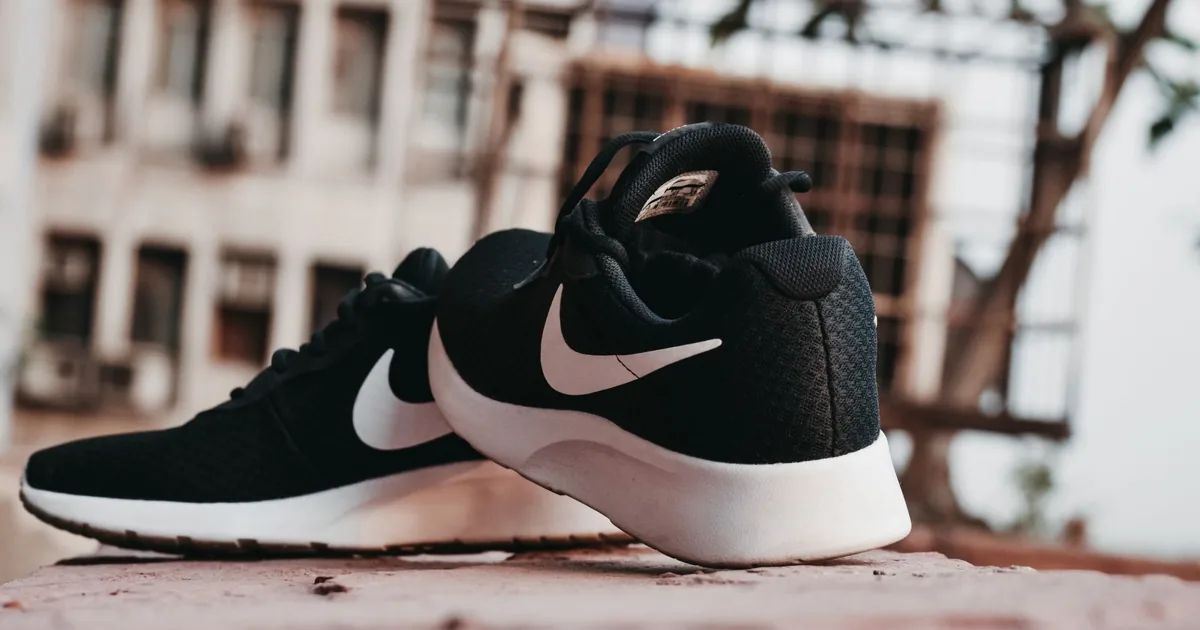
Treatment for overpronation works for the vast majority of patients without surgery. The goal is to restore the foot’s mechanical alignment under load, settle down the medial overload symptoms (PF, PTTD, shin splints), and protect the tendons and joints from progressive collapse. Here is the conservative-to-surgical ladder we use at Balance Foot & Ankle.
- Switch to a stability or motion-control running shoe. Brooks Adrenaline GTS, ASICS GT-2000, Saucony Guide, New Balance 860 are reliable choices. Severe overpronators benefit from motion-control shoes (Brooks Beast/Ariel).
- OTC orthotic — PowerStep Pinnacle or PowerStep Maxx. The OTC orthotic I recommend most in clinic. Pinnacle is the right starting point for moderate overpronators; Maxx has a deeper heel cradle and stronger arch support for severe flat feet and PTTD stage I/II.
- Topical pain relief — Doctor Hoy’s Natural Pain Relief Gel. Arnica-and-camphor formula I use in clinic for plantar fascia, medial ankle, and medial shin pain. Apply 3-4× daily during flares.
- Calf stretching protocol. Tight gastroc and soleus drive midfoot pronation. Two stretches, 3 × 30 seconds each, twice daily, for life.
- Posterior tibial tendon strengthening. Resistance-band inversion 3 × 15, single-leg heel rises 3 × 10, and toe-yoga / short-foot exercises. Critical for stage I/II PTTD.
- Compression sleeves or socks if there is medial ankle swelling — graduated 15-20 mmHg or 20-30 mmHg.
- Physical therapy. 6-8 weeks targeting hip-abductor weakness (gluteus medius), calf tightness, and intrinsic foot strengthening.
- Custom orthotics with medial posting. For symptoms that persist after the OTC trial, a podiatrist-fabricated orthotic with a deep heel cup, medial post, and forefoot extension provides correction beyond what off-the-shelf inserts can deliver.
- Walking boot or Arizona-style brace. For acute PTTD flares, a 4-6 week period of immobilization followed by a custom brace is often arch-saving.
- Cortisone injection — used selectively for refractory plantar fasciitis or PTTD tenosynovitis (never directly into the PTT due to rupture risk).
- Surgical reconstruction for PTTD stage II. Medial calcaneal slide osteotomy, FDL tendon transfer, lateral column lengthening (Evans), spring ligament repair — combined as needed.
- Triple arthrodesis or fusion-based reconstruction for stage III/IV PTTD with rigid deformity, severe arthritis, or failed soft-tissue surgery.
Key takeaway: 90% of overpronators do well with the right shoes (stability or motion-control), the right insole (PowerStep Pinnacle or Maxx), calf stretching, and PTT strengthening. Surgery is reserved for PTTD that has progressed to fixed deformity or has failed a complete conservative program.
Best shoes for overpronators
For women specifically, see our roundup of the best shoes for overpronation (women).
The best shoes for overpronators are stability or motion-control shoes — the categories with a firm medial post that resists the inward roll. Mild-to-moderate overpronators do well with stability shoes; severe overpronators with significant arch collapse or stage I/II PTTD often need motion-control. Avoid soft, neutral, or heavily cushioned trail shoes that allow the foot to wallow.
- Brooks Adrenaline GTS — the most reliable stability shoe on the market; available in wide and extra-wide.
- ASICS GT-2000 — moderate stability with strong medial post.
- Saucony Guide — lighter stability shoe; good for active overpronators.
- New Balance 860 — wide forefoot, dual-density midsole.
- Brooks Beast / Ariel — true motion-control shoes for severe overpronators or PTTD.
- Hoka Arahi — lightweight stability with maximum cushioning; good for runners.
For everyday wear, the same principle holds: pick a shoe with a structured heel counter, a firm midfoot, and arch support — not a soft slipper. Pair any of these with a PowerStep Pinnacle or Maxx insole and most overpronators feel a noticeable difference within the first two weeks. Severe overpronation that doesn’t settle with shoes plus OTC insole is the patient who needs a podiatrist’s gait analysis and likely a custom orthotic.
⚠️ When to see a podiatrist for overpronation — within 1-2 weeks:
- Medial ankle pain, swelling, or weakness — could be early PTTD; stage I treated conservatively often saves the foot from surgery.
- Sudden change in arch height or foot shape — adult-acquired flat foot is a red flag.
- Inability to perform a single-leg heel rise — diagnostic of PTTD.
- Persistent plantar fasciitis or shin splints despite the right shoes and stretching for 6+ weeks.
- Rigid flat foot in an adolescent — needs CT to rule out tarsal coalition.
- Warm, red, swollen midfoot in a person with diabetes — emergency Charcot evaluation.
- Progressing bunion, hammertoes, or knee/hip pain that started with the foot.
The most common mistake we see
The most common mistake we see with overpronation is missing early posterior tibial tendon dysfunction. The patient comes in with “plantar fasciitis that won’t go away,” a stability shoe, an OTC insole, and 6 months of physical therapy — but the actual problem is a stage I PTT that should have been immobilized in a boot for 4-6 weeks before any of that. The PTT keeps stretching, the arch keeps collapsing, and by the time the diagnosis is finally made the patient is at stage II or III and may need surgery. Every “stubborn flat foot” in an adult over 40 — particularly women aged 45-60 — gets a single-leg heel rise test, posterior tibial palpation, and an MRI threshold low enough to catch early PTTD.
The second most common mistake is over-correcting in the wrong direction — putting an aggressive motion-control shoe and a rigid orthotic on a mild overpronator who simply has weak calves and weak hips. Many of these patients do better with a moderate stability shoe, a PowerStep Pinnacle, and 6 weeks of glute and calf strengthening than they do with a maximally corrective device. The shoe-and-insole strategy should match the severity of the deformity — not over-shoot it.
The third mistake is steroid injection into the posterior tibial tendon itself. The PTT is the lowest-blood-flow tendon in the foot and one of the most prone to steroid-induced rupture. Injection should go into the tendon sheath, not the tendon, and only after a careful discussion of risks — and never in stage II/III PTTD with significant deformity.
Prevention & strengthening
Overpronation prevention is really overpronation maintenance — the foot type is mostly genetic, but the symptoms are highly preventable with consistent strengthening, stretching, and footwear. The patients who do best in our clinic do four things: they wear the right shoes every day (not just for running), they take care of the calves and PTT, they don’t ignore the first signs of medial ankle pain, and they replace their shoes on schedule. Below is the home program we hand to every overpronator at the first visit.
- Single-leg heel raises — 3 sets of 10 reps daily; the most important PTT exercise.
- Resisted ankle inversion — 3 sets of 15 reps daily with a resistance band looped around the medial foot.
- Toe yoga / short-foot exercises — 3 sets of 10 reps daily for intrinsic strength.
- Gastroc + soleus stretches — 3 × 30 seconds each, 2× daily.
- Glute medius strengthening — clamshells, side-lying hip abductions, and lateral band walks; 3 × 15 daily.
- Replace running shoes every 350-450 miles; replace daily walking shoes annually.
- Use an OTC insole every day, not just for exercise — most overpronation pain comes from prolonged walking or standing, not running.
- Address weight gain and pregnancy-related foot changes early — most adult-acquired overpronation can be slowed if the supportive interventions start within the first 6-12 months of symptoms.
Frequently asked questions
Can overpronation be corrected?
The bony shape of a flat foot is mostly fixed by adulthood, but the functional consequences of overpronation — plantar fasciitis, PTTD, medial knee pain — are highly correctable. Stability shoes, PowerStep insoles, calf stretching, and PTT strengthening manage symptoms in the vast majority of patients. Surgery to reconstruct the foot is reserved for PTTD stage II or worse, or for severe flat foot that hasn’t responded to a full conservative program.
Are stability shoes bad if I don’t actually overpronate?
Yes. Stability and motion-control shoes have a firm medial post designed to push the foot outward. If you have a normal arch or a high arch, those shoes worsen lateral overload, contribute to ankle sprains, and increase the risk of fifth-metatarsal stress fractures. Confirm your foot type with shoe wear pattern, wet foot test, and a podiatrist’s gait analysis before choosing the shoe category.
How do I know if I overpronate?
Three quick at-home checks: (1) shoe wear — your most-worn pair shows lopsided wear on the medial heel and forefoot; (2) wet foot test — your footprint shows the entire arch filled in; (3) too-many-toes sign — looking at your foot from behind in a mirror, you see more than the fifth toe peeking out beside the heel. Confirmation comes from a podiatrist’s gait analysis and a single-leg heel-rise test.
Does overpronation cause knee or back pain?
Yes, frequently. The internal tibial rotation produced by overpronation increases stress on the medial knee, the patellofemoral joint, the iliotibial band, and even the hip and lower back. Many patients who present with “knee pain that won’t quit” turn out to have an undertreated foot biomechanic. Addressing the foot with the right shoes, orthotics, and PT often relieves upstream pain that has resisted other treatment.
Do I need custom orthotics?
Most overpronators do well with a high-quality OTC insole — PowerStep Pinnacle or Maxx — combined with a stability or motion-control shoe. Custom orthotics with a deep heel cup, medial post, and forefoot extension are reserved for patients with chronic plantar fasciitis, PTTD stage I-II, or severe deformity that doesn’t respond to OTC inserts. We typically give the OTC insole a 6-8 week trial first.
Is overpronation the same as flat feet?
Closely related but not identical. Flat foot is a static description — the arch is collapsed when you stand. Overpronation is a dynamic description — the foot rolls inward excessively during the gait cycle. Most flat-footed people overpronate, but a person can have a normal-looking arch when standing and still overpronate during running. The two often coexist and respond to the same interventions.
The bottom line
Overpronation is excessive inward foot roll during gait, almost always paired with a low arch or flat foot. The symptoms — plantar fasciitis, PTTD, medial shin splints, knee pain — are highly correctable. Most overpronators do well with a stability or motion-control shoe, a PowerStep Pinnacle or Maxx insole, calf stretching, and posterior tibial tendon strengthening. The patients who need more — custom orthotics, walking boots, surgery — are those with progressive PTTD, rigid deformity, or chronic symptoms that haven’t responded to a full conservative program. The single most important screening test in any adult overpronator is the single-leg heel rise — if you can’t do it, get evaluated.
Sources
- Johnson KA, Strom DE. Tibialis posterior tendon dysfunction. Clin Orthop Relat Res. 1989;239:196-206.
- Bluman EM, Title CI, Myerson MS. Posterior tibial tendon rupture: a refined classification system. Foot Ankle Clin. 2025.
- Houck JR, et al. Effects of stage II posterior tibial tendon dysfunction on plantar pressure and tarsal kinematics. Foot Ankle Int. 2024.
- Ringleb SI, et al. The effect of posterior tibial tendon dysfunction on foot kinematics. Foot Ankle Int. 2007;28(6):686-691.
- Mosca VS. Flexible flatfoot in children and adolescents. J Child Orthop. 2010;4(2):107-121.
Tired of plantar fasciitis or medial ankle pain? Get a real gait analysis.
Same-day appointments available in Howell & Bloomfield Township, MI
4.9★ | 1,123 Reviews | 3,000+ Surgeries
Or call: (810) 206-1402
Related guides: Supination of the Foot · Flat Feet Treatment · Posterior Tibial Tendonitis (PTTD) · Plantar Fasciitis · Shin Splints · Custom Orthotics Michigan
American Podiatric Medical Association: Flatfoot and Overpronation
In-Office Treatment at Balance Foot & Ankle
If home treatment isn’t providing relief for your overpronation, our podiatry team at Balance Foot & Ankle can help with same-day evaluations and advanced in-office care.
Same-day appointments available. (810) 206-1402
👟 Dr. Tom’s #1 OTC fix for overpronation: PowerStep Maxx Insoles
PowerStep Maxx was designed specifically for severe overpronation and flat arches. The firm EVA base and deep heel cup provide the medial post support needed to control excessive inward roll — at about 1/10th the cost of custom orthotics. For most overpronators I see without structural pathology, this is where I start. Pair it with a stability shoe for maximum mechanical correction.
Shop PowerStep Maxx → | ~$30–40 via Foundation Wellness
Affiliate disclosure: As an Amazon Associate and Foundation Wellness partner, we earn from qualifying purchases at no extra cost to you.
Because overpronation lets the arch collapse inward with each step, motion-control and stability footwear can noticeably ease the strain. Our podiatrists tested and reviewed the best shoes for plantar fasciitis and overpronation to help you pick a supportive pair.
Not everyone with foot pain overpronates — if you have high arches and your weight rolls outward instead, review our guide to the podiatrist recommended shoes for supination to get the right motion support.

Dr. Tom Biernacki, DPM is a board-certified foot & ankle surgeon (ABFAS & ABPM) at Balance Foot & Ankle Specialists in Southeast Michigan. With over a decade of clinical experience, he specializes in heel pain, bunions, diabetic foot care, sports injuries, and minimally invasive surgery. Dr. Biernacki is a member of the APMA and ACFAS, and his patient education content on MichiganFootDoctors.com and YouTube has made him one of the most-followed foot & ankle educators on YouTube.
More questions patients ask
What is overpronation and is it bad?
Overpronation is excessive inward rolling of the foot during the gait cycle — the arch flattens more than normal with each step, causing the ankle to roll inward and the lower leg to internally rotate. In isolation, mild overpronation is extremely common and often asymptomatic. It becomes 'bad' when it contributes to plantar fasciitis, posterior tibial tendon dysfunction, shin splints, knee pain (patellofemoral syndrome), or hip pain from the abnormal rotational forces transmitted up the kinetic chain.
What shoes are best for overpronation?
Overpronators need stability or motion-control running shoes with a medial post — a firmer section on the inner midsole that resists inward collapse. Look for a straight or semi-straight last, a firm heel counter, and a reinforced medial side. Top brands for overpronators: Brooks Adrenaline GTS, ASICS Kayano, New Balance 860, Saucony Guide. Avoid neutral cushioning shoes with no medial support, which allow full pronation on every stride.
Can overpronation be fixed with exercises?
Exercises can reduce overpronation by strengthening the muscles that dynamically support the arch — primarily the posterior tibial muscle (the arch's main active support), the peroneus longus, and the intrinsic foot muscles. Key exercises: single-leg heel raises, towel toe curls, short foot (intrinsic activation) exercise, and hip abductor strengthening (weak hips cause the knee to drop inward, worsening pronation). Exercises help but rarely eliminate severe overpronation — orthotics and supportive footwear provide structural support that muscles alone cannot.
Still have a question about coverage or cost? Call (810) 206-1402 and we will check your benefits before you come in — or book online: Book in Howell · Book in Bloomfield Township