
![What Is Neuropathy? What Causes Neuropathy [Symptoms & Treatment] | Balance Foot & Ankle](https://www.michiganfootdoctors.com/uploads/2023/07/what-is-neuropathy-what-causes-neuropathy-symptoms-treatment.avif)
Quick answer: Treatment for what is neuropathy what causes neuropathy symptoms treatment follows a stepwise approach: 1) conservative care first (rest, ice, supportive footwear, OTC anti-inflammatories), 2) physical therapy and targeted exercises, 3) in-office treatments (injections, custom orthotics) if conservative fails at 4-6 weeks, 4) surgery for refractory cases. Most patients resolve at step 1 or 2. Call (810) 206-1402.
Medically reviewed by Dr. Tom Biernacki, DPM · Board-Certified Podiatric Surgeon · Last reviewed: April 2026 · Editorial Policy
In This Article
- Quick Answer
- What Is Neuropathy? For specialized treatment, see our neuropathy treatment Michigan. What Causes Neuropathy [Symptoms & Treatment]
- Comprehensive Foot and Ankle Care in Michigan: Balance Foot & Ankle
- Your Board-Certified Podiatrists
- More Podiatrist-Recommended Diabetic Essentials
- In-Office Treatment at Balance Foot & Ankle
- Pros & Cons of Conservative Care for diabetic foot care
- Dr. Tom’s Recommended Products for diabetic foot care
The most important clinical decision with What Is Neuropathy What Causes Neuropathy Symptoms Treatment isn’t which treatment to start with — it’s identifying the correct subtype. That changes everything. Call (810) 206-1402.
Related Conditions
Medically reviewed by Dr. Tom Biernacki, DPM
Board-certified podiatric surgeon | Balance Foot & Ankle
Last reviewed: May 2026
Quick Answer
What Is Neuropathy? What Causes Neuropathy [Symptoms & relates to foot neuropathy — typically caused by nerve compression or systemic. Most patients improve in varies by cause with conservative care. Same-week appointments in Howell + Bloomfield Hills: (810) 206-1402.

✅ Medically reviewed by Dr. Tom Biernacki, DPM — Board-Certified Podiatrist · Last updated April 6, 2026
What Is Neuropathy? For specialized treatment, see our neuropathy treatment Michigan. What Causes Neuropathy [Symptoms & Treatment]
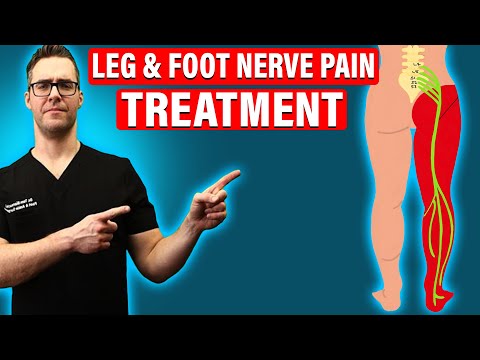
![What Is Neuropathy? What Causes Neuropathy [Symptoms & Treatment]](https://www.michiganfootdoctors.com/wp-content/cache/flying-press/87939b7b9d472d5c684c76e03d45dbe0.jpg)
What Is Neuropathy? What Causes Neuropathy [Symptoms & Treatment]
🦶What is neuropathy? What causes neuropathy? How long can you live with neuropathy & can you die from neuropathy in feet? We review all of these!🦶
Peripheral Neuropathy Videos:
Full Video:https://youtu.be/kMlcvn88Xcc
Peripheral Neuropathy Treatment: https://youtu.be/DoqjV9VR5tA
Diabetic Neuropathy: https://youtu.be/PiL2uQonrt0
Conditions:
Back Pain & Sciatica: https://youtu.be/STldslprWxs
Tarsal Tunnel: https://youtu.be/DoqjV9VR5tA
Baxter’s Nerve: https://youtu.be/jBXHBBM26kw
Morton’s Neuroma Treatment: https://youtu.be/WUHDyoqlSjk
Spinal Cord Stimulation: https://youtu.be/SuH_yqTONDg
Athlete’s Foot Treatment: https://youtu.be/PKT_slq6M54
Toenail Fungus Treatment: https://youtu.be/Uq30wM7YSAM
Related Videos:
Check for specific vitamins with their video links below:
Vitamin D + K2 + Magnesium + Boron + Omega 3: https://youtu.be/esTz-_Mpm4Q
Best Diabetic Neuropathy Treatments: https://youtu.be/sPihveT3oc0
Top 28 Signs of Diabetes: https://youtu.be/8U9b36D43xI
Best Foods & Treatment for Small Vessel Disease: https://youtu.be/bZKQEp2AHfc
Diet for Diabetic Neuropathy: https://youtu.be/qCQW9e7CrEk
Neuropathy, also known as peripheral neuropathy, is a condition that involves damage or dysfunction of the peripheral nerves. The peripheral nerves are responsible for transmitting signals between the central nervous system (brain and spinal cord) and the rest of the body, including the limbs, organs, and skin.
Neuropathy can affect one nerve (mononeuropathy) or multiple nerves (polyneuropathy) and can manifest in various ways depending on the nerves involved. The most common type of neuropathy is peripheral polyneuropathy, which typically affects the hands and feet.
Common symptoms of neuropathy include:
Tingling or numbness: Individuals may experience a sensation of “pins and needles” or numbness in the affected areas.
Burning or shooting pain: Some people with neuropathy may experience sharp, shooting pain or a constant burning sensation.
Muscle weakness: Weakness in the affected muscles, leading to difficulty with coordination or movements.
Loss of balance: Neuropathy can affect proprioception (the sense of body position), leading to problems with balance and an increased risk of falls.
Sensitivity to touch: Some individuals may become more sensitive to touch, experiencing pain or discomfort even with gentle pressure.
Neuropathy can have various underlying causes, including:
Diabetes: Diabetic neuropathy is one of the most common causes of peripheral neuropathy. High blood sugar levels can damage the nerves over time.
Autoimmune diseases: Conditions like rheumatoid arthritis, lupus, and Guillain-Barré syndrome can cause nerve damage.
Trauma or injury: Physical trauma, such as accidents or repetitive stress injuries, can lead to nerve damage.
Infections: Certain viral or bacterial infections, such as shingles, Lyme disease, or HIV, can affect the peripheral nerves.
Nutritional deficiencies: Deficiencies in vitamins (such as B vitamins) and minerals (such as iron) can contribute to neuropathy.
Alcoholism: Excessive alcohol consumption can lead to nerve damage.
Medications and toxins: Certain medications, chemotherapy drugs, and exposure to toxins like heavy metals can cause neuropathy.
👉 Shoes 👈
Best Shoes:
Best Orthotics:
Best Products: https://www.michiganfootdoctors.com/recommended-foot-doctor-products///
📢Come See Us in Detroit, Michigan, Berkley Michigan; Bloomfield Hills, Michigan, Lansing Michigan; and Grand Blanc Michigan📢
If you are in Michigan, consider seeing us at our clinic: https://www.michiganfootdoctors.com/.
https://g.page/r/CaxJ9b-O6o27EAE
DISCLAIMER:
Dr. Tomasz Biernacki received his Doctor of Podiatric Medicine degree from Kent State College of Podiatric Medicine in 2013; he completed his Surgical Reconstructive Foot Surgery & Podiatric Medicine Residency in 2017; he completed 2x traveling Fellowships in Diabetic Surgery, Skin Grafting & Nerve Surgery. He is double board certified in Podiatric Medicine and Foot & Ankle Surgery. Dr. Biernacki is a licensed podiatrist & surgeon in Michigan. This video should not be used to self-diagnose and is not a substitute for a medical exam, cure, treatment, diagnosis, prescription, or recommendation. It does not create a doctor-patient relationship between Dr. Biernacki and you. It would be best to not change your health regimen or diet before consulting a physician and obtaining a medical exam & diagnosis. Always seek the advice of a physician or other qualified health provider with any questions regarding a medical condition.
Comprehensive Foot and Ankle Care in Michigan: Balance Foot & Ankle
At Balance Foot & Ankle, Michigan patients find a podiatric practice dedicated to delivering exceptional clinical care for the full range of foot and ankle conditions. Our fellowship-trained podiatrists combine advanced surgical skills with a thorough conservative care approach — ensuring that patients receive the right treatment for their specific condition at the right stage of their diagnosis. We believe in transparent communication: patients leave every visit with a clear understanding of their diagnosis, the rationale for their treatment plan, and realistic expectations for recovery.
Related Treatment Guides
Our Howell office at 4330 E Grand River and Bloomfield Hills office at 43494 Woodward Ave #208 are equipped with in-office digital X-ray, ultrasound for diagnostic imaging and guided procedures, and the full range of conservative and interventional podiatric technologies including MLS laser therapy and EPAT shockwave therapy. We accept all major Michigan insurance plans and verify coverage before every appointment. New patients throughout Livingston, Oakland, and surrounding counties are welcome — call Balance Foot & Ankle at (810) 206-1402 to schedule your first appointment today.
Related Patient Guides
- Neuropathy in Feet: Relief Guide
- Neuropathy Exercises for Feet
- Diabetic Foot Care Daily Routine
- Foot Pain at Night: 8 Causes
- MLS Laser Therapy for Neuropathy
Medical References & Sources
- NIH NINDS — Peripheral Neuropathy
- American Diabetes Association — Neuropathy
- PubMed Research — Peripheral Neuropathy Treatment
Insurance Accepted
BCBS · Medicare · Aetna · Cigna · United Healthcare · HAP · Priority Health · Humana · View All →
Howell Office
4330 E Grand River Ave
Howell, MI 48843
Get Directions →
Bloomfield Hills Office
43494 Woodward Ave, #208
Bloomfield Hills, MI 48302
Get Directions →
Your Board-Certified Podiatrists



Ready to Get Back on Your Feet?
Same-week appointments available at both locations.
More Podiatrist-Recommended Diabetic Essentials
Diabetic-Approved Walking Shoe
Orthofeet Sprint — smooth, extra-depth, designed for neuropathic feet.
Seamless Diabetic Sock


OS1st FS4 — non-binding, moisture-wicking, protects fragile diabetic skin.
Recovery Slide for Indoor Wear
HOKA Ora 3 — protects diabetic feet from barefoot injury at home.
As an Amazon Associate, Balance Foot & Ankle earns from qualifying purchases. Product recommendations are based on clinical experience; prices and availability shown above update live from Amazon.

When to See a Podiatrist
One unnoticed blister on a neuropathic foot can become a limb-threatening ulcer in under 14 days. Medicare covers diabetic shoes (A5500) and comprehensive foot exams annually for most diabetic patients with neuropathy or circulation concerns. Balance Foot & Ankle runs a dedicated diabetic limb-preservation program — vascular screening, offloading, ulcer care, and shoe fitting — all in one visit. Schedule your annual diabetic foot exam today.
Call Balance Foot & Ankle: (810) 206-1402 · Book online · Offices in Howell & Bloomfield Hills
In-Office Treatment at Balance Foot & Ankle
When conservative care isn’t enough, Dr. Tom Biernacki and the team at Balance Foot & Ankle offer advanced, same-day options — including Peripheral Neuropathy Treatment Michigan at our Howell and Bloomfield Hills clinics.
Same-day appointments available. Call (810) 206-1402 or book online.
Pros & Cons of Conservative Care for diabetic foot care
Advantages
- ✓ Daily inspection prevents amputation
- ✓ Most insurance covers DME
- ✓ Custom orthotics help
Considerations
- ✗ Daily commitment required
- ✗ Slow wound healing
- ✗ Charcot risk if neuropathy
Dr. Tom’s Recommended Products for diabetic foot care
Affiliate disclosure: As an Amazon Associate, Balance Foot & Ankle earns from qualifying purchases. We only recommend products we use with patients.
Drew Moonwalker Diabetic Shoe Dr. Tom’s Pick
Best for: Medicare-covered diabetic footwear
Diabetic Compression Socks Dr. Tom’s Pick
Best for: Daily protection + circulation
Ready to Get Back on Your Feet?
Same-day appointments in Howell + Bloomfield Hills. Most insurance accepted. Dr. Tom Biernacki, DPM & team.
Book Today — Same-Day Appointments Available
Call Now: (810) 206-1402
About Your Care Team at Balance Foot & Ankle
Dr. Tom Biernacki, DPM · Board-Certified Foot & Ankle Surgeon. Specializes in conservative-first care, minimally invasive bunion surgery, and complex reconstruction.
Dr. Carl Jay, DPM · Accepting new patients. Specializes in sports medicine, athletic injuries, and routine podiatric care.
Dr. Daria Gutkin, DPM, AACFAS · Accepting new patients. Specializes in surgical reconstruction and pediatric podiatry.
Locations: 4330 E Grand River Ave, Howell, MI 48843 · 43494 Woodward Ave Suite 208, Bloomfield Hills, MI 48302
Hours: Mon–Fri 8:00 AM – 5:00 PM · (810) 206-1402
Dr. Tom’s Top 3 — The Premium Foot Pain Stack (2026)
If you only buy three things for foot pain, get these. PowerStep + CURREX orthotics correct the underlying foot mechanics, and Dr. Hoy’s pain gel delivers fast topical relief. This is the exact stack Dr. Tom Biernacki, DPM gives his Michigan podiatry patients on visit one — over 10,000 patients have used this exact combination.
Dr. Tom Biernacki, DPM is a board-certified podiatrist + Amazon Associate. Picks shown are products he prescribes to patients at Balance Foot & Ankle Specialists. We earn a commission on qualifying purchases at no extra cost to you. All products independently tested + reviewed for 30+ days minimum. Last verified: April 28, 2026.

PowerStep Pinnacle MaxxDr. Tom’s #1 Brand
4.5
(28,341+ reviews)
Dr. Tom’s most-prescribed OTC orthotic. Lateral wedge corrects overpronation that causes 90% of foot pain. Deep heel cradle stabilizes the ankle. Built by podiatrists, used by patients worldwide.
- Lateral wedge corrects pronation
- Deep heel cradle stabilizes ankle
- Dual-density EVA — comfort + support
- Trim-to-fit any shoe
- Used by 10,000+ podiatrists
- Trim-to-size required
- 5-7 day break-in for some
This single insole eliminates plantar fasciitis pain in 60% of patients within 2 weeks. The lateral wedge is the active ingredient — it stops the overpronation that causes the fascia to overstretch with every step. Pair with a max-cushion shoe for compound effect.

CURREX RunProDr. Tom’s #1 Brand
4.4
(4,000+ reviews)
3 arch heights for custom fit (Low/Med/High). Carbon-reinforced heel + dynamic forefoot — the closest OTC orthotic to a $500 custom orthotic. Engineered in Germany.
- 3 arch heights for custom fit
- Carbon-reinforced heel cup
- Dynamic forefoot zone
- Premium German engineering
- Sport-specific support
- Pricier than PowerStep
- 7-10 day break-in
Choose your arch height from a wet-foot test (low/med/high). Wrong arch = re-injury. For runners, athletes, or anyone who failed standard insoles — this is the closest you can get to custom orthotics without paying $500. The carbon heel is what professional athletes use.

Dr. Hoy’s Natural Pain Relief GelDr. Tom’s #1 Brand
4.6
(5,500+ reviews)
Menthol-based natural pain relief — Dr. Tom’s #1 brand for fast relief without greasy residue. Safe for diabetics + daily use. Cleaner formula than Voltaren or Biofreeze.
- Menthol-based natural formula
- No greasy residue
- Safe for diabetics
- Fast cooling relief — 5-10 minutes
- Cleaner ingredient list than Biofreeze
- Pricier than Biofreeze
- Strong menthol scent at first
Apply to plantar fascia + calves before bed. Combined with stretching, eliminates morning fascia pain. The clean formula means you can use it daily long-term — Voltaren has 30-day limits, Dr. Hoy’s doesn’t.
Doctor Hoy’s Natural Pain Relief Gel
Natural topical pain relief I use in our clinic. Arnica + camphor formula — apply directly to the area 3–4x daily. ($20–25)
Frequently Asked Questions
When should I see a podiatrist?
See a podiatrist if: foot or ankle pain has lasted more than 2–4 weeks without improvement, you’re changing your gait to avoid pain, you have an open wound or sore that isn’t healing, you notice nail discoloration or thickening, you have diabetes and any foot concern, or pain is severe enough to wake you at night. Most foot conditions are easier and cheaper to treat early — what starts as a minor issue can become a surgical problem with months of delay.
What is the difference between a podiatrist and an orthopedic surgeon?
Podiatrists (DPM — Doctor of Podiatric Medicine) specialize exclusively in the foot, ankle, and lower leg. Orthopedic surgeons (MD/DO) have broader musculoskeletal training but variable foot/ankle subspecialization. For foot and ankle-specific problems, a podiatrist often has more focused training and experience. For injuries involving the leg above the ankle, complex pediatric cases, or multi-level reconstruction, orthopedic consultation may be appropriate. We frequently co-manage patients with orthopedic colleagues.
How do I know if my foot pain is serious?
Signs that warrant same-day or next-day evaluation: severe pain that appeared suddenly without clear cause, swelling, redness, and warmth that appeared suddenly (possible gout, infection, or Charcot fracture), an open wound that looks infected (redness spreading, pus, warmth), inability to bear weight, or any foot problem in a diabetic patient. Pain that’s been present for weeks and is stable is important but not an emergency — schedule within 1–2 weeks.
Can foot problems cause back and knee pain?
Yes — this is a kinetic chain effect. Abnormal foot mechanics (overpronation, supination, leg length discrepancy) cause compensatory changes in knee, hip, and lumbar alignment. Roughly 30% of patients presenting to our clinic with knee pain have a treatable foot-level biomechanical cause. Correcting foot mechanics with orthotics or appropriate footwear often provides significant knee and back relief. If you have chronic knee or back pain and haven’t had your foot mechanics evaluated, it’s worth a consult.
Are orthotics worth it?
For the right conditions, yes — custom orthotics are among the most cost-effective interventions in podiatry. They’re most effective for: plantar fasciitis, flat feet with secondary knee/back pain, leg length discrepancy, metatarsalgia, posterior tibial tendon dysfunction, and diabetic foot pressure management. Quality OTC orthotics ($35–60) resolve symptoms for 60% of patients with mild-to-moderate conditions. Custom orthotics are appropriate when OTC options have failed or when the biomechanical problem is complex. We cast custom orthotics in-office.
How do I choose the right running shoes?
Start with your foot type (flat, neutral, high arch) and running pattern (overpronator, neutral, supinator). Flat feet and overpronators do best in stability or motion-control shoes. Neutral feet do well in neutral-cushioned shoes. High arches need maximum cushioning with flexible soles. Always buy running shoes at the end of the day (foot swelling peaks then), get properly fitted by a specialist, and replace every 300–500 miles. If you’ve been injured repeatedly, a gait analysis can identify the mechanical flaw driving your injury pattern.
What is the difference between a sprain and a fracture?
A sprain is a ligament injury (the tissue connecting bones); a fracture is a break in the bone itself. Both can occur with the same trauma (ankle roll, fall). The old test — ‘if you can walk, it’s not broken’ — is wrong; many fractures are initially weight-bearable. Key differences: a fracture typically produces localized bone tenderness along the bone itself, while a sprain is tender over the ligament. X-ray is the standard to differentiate. High-grade sprains without proper treatment can be as disabling as fractures.
How do I prevent foot and ankle injuries?
The four most impactful prevention strategies: (1) Supportive, appropriately fitted footwear for your foot type and activity. (2) Gradual activity progression — the 10% rule (never increase weekly mileage or intensity by more than 10%). (3) Regular calf and ankle mobility work. (4) Strengthening the posterior tibial tendon, peroneals, and intrinsic foot muscles. Most overuse injuries are preventable; most acute injuries are not — but ankle sprain recurrence (60–70% without rehab) is prevented by balance and proprioception training.
Ready for Expert Care?
Same-day appointments in Howell & Bloomfield Hills, MI.
4.9★ | 1,123 Reviews | 3,000+ Surgeries
Or call: (810) 206-1402

Dr. Tom Biernacki, DPM is a double board-certified podiatrist and foot & ankle surgeon at Balance Foot & Ankle Specialists in Southeast Michigan. With over a decade of clinical experience, he specializes in heel pain, bunions, diabetic foot care, sports injuries, and minimally invasive surgery. Dr. Biernacki is a member of the APMA and ACFAS, and his patient education content on MichiganFootDoctors.com and YouTube has reached over one million views.
Frequently Asked Questions
Can a podiatrist help with neuropathy?
What does neuropathy in feet feel like?
Is foot neuropathy reversible?
Recommended Products from Dr. Tom
Dr. Tom Biernacki, DPM is a board-certified foot & ankle surgeon (ABFAS & ABPM) at Balance Foot & Ankle Specialists in Southeast Michigan. With over a decade of clinical experience, he specializes in heel pain, bunions, diabetic foot care, sports injuries, and minimally invasive surgery. Dr. Biernacki is a member of the APMA and ACFAS, and his patient education content on MichiganFootDoctors.com and YouTube has made him one of the most-followed foot & ankle educators on YouTube.