
Medically reviewed by Dr. Tom Biernacki, DPM — Board-Certified Podiatric Surgeon — Balance Foot & Ankle, Howell & Bloomfield Hills, MI. Last updated April 2026.
What Is Metatarsalgia?
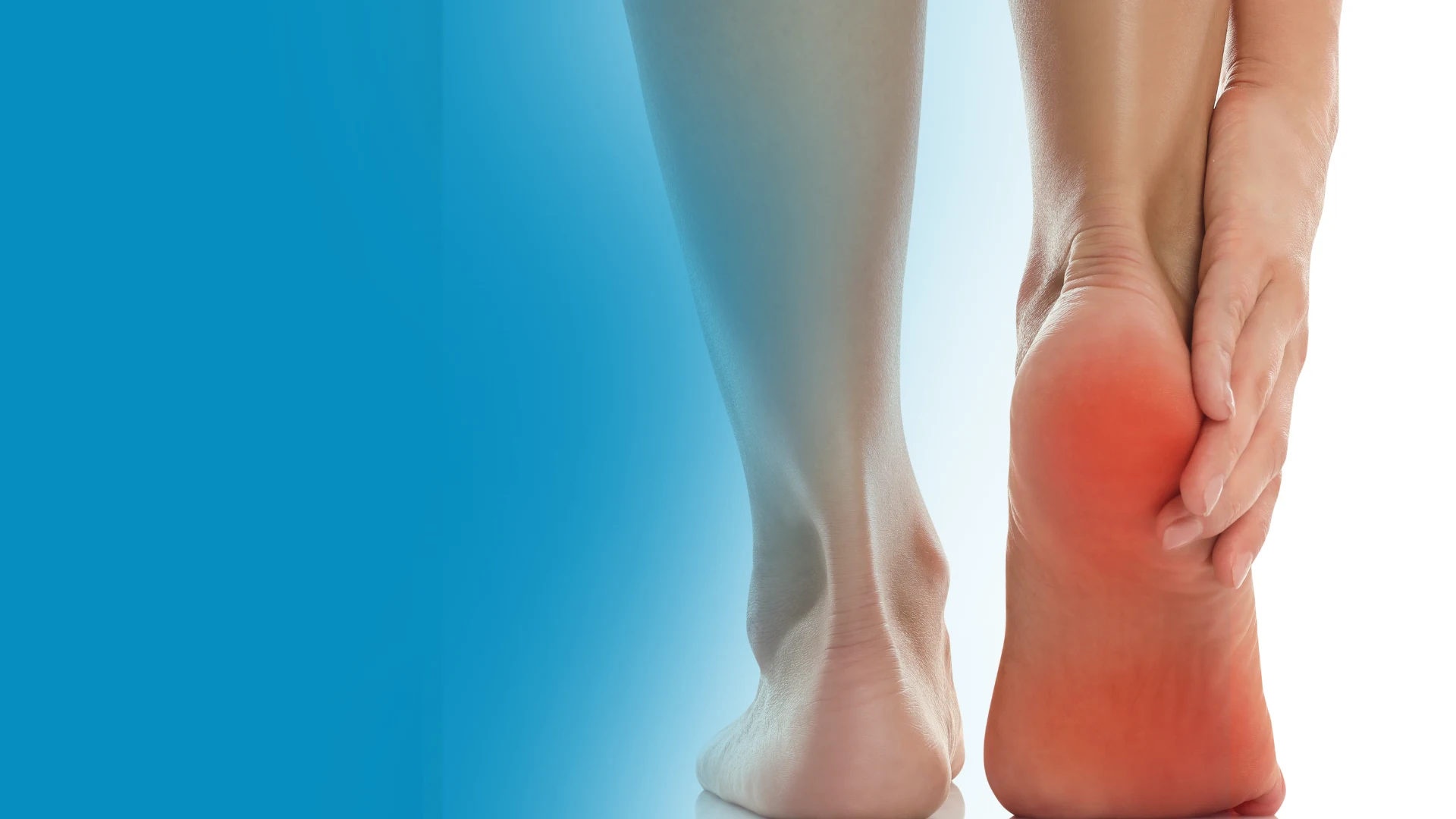
Metatarsalgia is a term describing pain and inflammation in the ball of the foot—the padded area behind the toes where the metatarsal heads (the rounded ends of the long bones of the foot) bear weight. It is a symptom rather than a specific diagnosis—multiple different conditions can produce metatarsalgia, and identifying the underlying cause is essential for effective treatment. The term is often used generically for forefoot pain, but precise diagnosis distinguishes between plantar plate tears, Morton’s neuroma, sesamoiditis, stress fractures, and true metatarsal head overload, each requiring specific management.
Common Causes
Metatarsal overload—excessive pressure under one or more metatarsal heads—is the most common mechanism. Causes include: high-heeled footwear that transfers weight from the heel to the forefoot; a relatively long second metatarsal (Morton’s toe) that creates disproportionate loading under the second metatarsal head; high-arched feet (pes cavus) that increase forefoot loading; hammertoes that cause the metatarsal heads to protrude plantarly; and obesity or activities that increase forefoot impact (running, jumping sports). Fat pad atrophy—thinning of the natural cushioning pad under the metatarsal heads with aging—is particularly common in older adults and significantly reduces shock absorption.
Specific structural problems causing localized metatarsalgia include: plantar plate tears (injuries to the ligamentous structure under the second or third MTP joint), Morton’s neuroma (nerve compression in the third webspace causing burning pain radiating to the toes), sesamoiditis (inflammation of the sesamoid bones under the first metatarsal head), and metatarsal stress fractures (overuse bone injuries producing point tenderness over a specific metatarsal shaft). Each requires specific examination and often imaging to identify.
Diagnosis
Clinical examination includes palpation of each metatarsal head, assessment for the Mulder’s click (Morton’s neuroma), the vertical stress test (for plantar plate integrity), and neurological testing. X-rays assess metatarsal alignment, relative length, and exclude stress fractures (though stress fractures may not appear on initial X-ray). MRI provides detailed evaluation of soft tissue structures including the plantar plate, interdigital nerves, and metatarsal stress reactions. Ultrasound can assess Morton’s neuroma and plantar plate dynamically.
Treatment
First-line treatment for most forms of metatarsalgia focuses on reducing forefoot loading: wide, low-heeled footwear with a deep toe box, metatarsal pads placed just proximal to the metatarsal heads (not directly under them), and custom orthotics with metatarsal support and appropriate posting. Cushioned insoles provide symptomatic relief but do not address underlying biomechanical causes as effectively as metatarsal pads and orthotics. Activity modification reduces impact loading.
Specific treatments depend on the underlying cause: corticosteroid injection for Morton’s neuroma or plantar plate inflammation; rigid shoe or boot immobilization for metatarsal stress fractures; surgical plantar plate repair for torn plantar plates causing toe drift or instability; neurectomy for refractory Morton’s neuroma; and metatarsal osteotomy for chronic metatarsal overload that fails conservative care. Identifying the specific cause of ball-of-foot pain is essential—treatment effective for one cause may be unhelpful or contraindicated for another.
Frequently Asked Questions
What does metatarsalgia feel like?
Metatarsalgia typically produces burning, aching, or sharp pain in the ball of the foot—the padded area under the toes—that is worst with weight-bearing activities like walking, running, or standing on hard surfaces. Many patients describe the sensation of walking on pebbles or marbles under the foot. Pain is typically worst in thin-soled, heeled shoes and relieved by removing shoes and sitting. Swelling may be visible or palpable under the affected metatarsal heads. Symptoms that accompany metatarsalgia and suggest specific causes: electric shock or numbness radiating into the toes (Morton’s neuroma), pain and instability of one toe that has begun drifting (plantar plate tear), pain specifically under the big toe joint (sesamoiditis), or point tenderness over a specific metatarsal shaft that worsens progressively with activity (stress fracture).
Do metatarsal pads actually help?
Yes—when properly placed, metatarsal pads are among the most effective and immediate interventions for metatarsalgia. The key is placement: the pad should sit just behind (proximal to) the metatarsal heads, not directly under them. This spreads the metatarsals apart and transfers load from the metatarsal heads to the metatarsal shafts—exactly the desired biomechanical effect. Self-adhesive metatarsal pads are inexpensive and available at pharmacies. Custom orthotics incorporate the metatarsal pad into a precisely fitted device that maintains proper position throughout activity better than adhesive pads alone. Many patients experience significant relief within the first day of using a properly placed metatarsal pad—it is a simple intervention worth trying early in any ball-of-foot pain evaluation.
When should I see a doctor for ball of foot pain?
See a podiatrist for ball of foot pain if: pain persists for more than 4–6 weeks despite footwear changes and metatarsal padding, pain is severe enough to limit daily activities, you notice a toe beginning to drift or cross over adjacent toes (sign of plantar plate tear requiring early intervention), neurological symptoms (burning, numbness, electric sensations) radiate to the toes (Morton’s neuroma), or you are diabetic (forefoot pain warrants evaluation for pressure complications). Some causes of forefoot pain—plantar plate tears, stress fractures—worsen significantly with continued activity without specific treatment and benefit from early evaluation and management. A podiatrist can identify the specific cause through examination and imaging and direct treatment appropriately.
Medical References & Sources
- American Orthopaedic Foot & Ankle Society — Metatarsalgia
- PubMed Research — Metatarsalgia Differential Diagnosis
- PubMed Research — Metatarsal Pad Effectiveness
Dr. Tom Biernacki, DPM is a board-certified podiatric surgeon at Balance Foot & Ankle in Howell and Bloomfield Hills, Michigan. He diagnoses and treats all causes of forefoot and ball-of-foot pain including metatarsalgia, Morton’s neuroma, plantar plate tears, and sesamoiditis.
Dr. Tom’s Recommended Products for Ball of Foot Pain
📍 Located in Michigan?
Our board-certified podiatrists treat this condition at two convenient locations. Same-day appointments often available.
These are products I personally use and recommend to my patients at Balance Foot & Ankle.
- Metatarsal Pads by Footminders (6-Pack) — Adhesive gel pads positioned behind metatarsal heads — offloads Morton’s neuroma compression point
- PowerStep SlimTech 3/4 Length Insoles — Thin 3/4-length insole with metatarsal pad built in — fits dress and narrow shoes where full insoles won’t
- HOKA Bondi 8 — Maximum forefoot cushioning with wide toe box — reduces metatarsal head load with each step
Affiliate disclosure: As an Amazon Associate, Balance Foot & Ankle earns from qualifying purchases. We only recommend products we trust for our own patients.
Dr. Tom’s Pick: Women’s Shoe Comfort Inserts
For women who want comfort without giving up their shoes — Foot Petals cushions work in heels, flats, and sandals.
- Foot Petals Ball of Foot Cushions — Targeted metatarsal cushioning — fits in any shoe to relieve ball-of-foot pain immediately.
- Foot Petals Tip Toes — Slim toe box cushion — ideal for narrow shoes and dress flats.
📧 Get Dr. Tom’s Free Lab Test Guide
Discover the 5 lab tests every person over 35 should ask their doctor about — explained in plain English by a board-certified physician.
Affiliate disclosure: As an Amazon Associate, Balance Foot & Ankle earns from qualifying purchases.
Join 950,000+ Learning About Foot Health
Dr. Tom shares honest medical advice, supplement reviews, and treatment guides you won’t find anywhere else.
Subscribe on YouTube →Medically Reviewed by: Dr. Tom Biernacki, DPM — Board-Certified Podiatrist, Balance Foot & Ankle Specialists
Ball of Foot Pain? Get a Diagnosis
Metatarsalgia has multiple causes — from Morton’s neuroma to stress fractures. Our podiatrists use advanced diagnostics to pinpoint the problem and provide lasting relief.
Sources
- Espinosa N, Brodsky JW, Maceira E. “Metatarsalgia.” J Am Acad Orthop Surg. 2010;18(8):474-485.
- Besse JL. “Metatarsalgia.” Orthop Traumatol Surg Res. 2017;103(1S):S29-S39.
- Mann RA, Mizel MS. “Monarticular nontraumatic synovitis of the metatarsophalangeal joint: a new diagnosis?” Foot Ankle Int. 1985;6(1):18-21.
Insurance Accepted
BCBS · Medicare · Aetna · Cigna · United Healthcare · HAP · Priority Health · Humana · View All →
Howell Office
3980 E Grand River Ave, Suite 140
Howell, MI 48843
Get Directions →
Bloomfield Hills Office
43700 Woodward Ave, Suite 207
Bloomfield Hills, MI 48302
Get Directions →
Your Board-Certified Podiatrists



Ready to Get Back on Your Feet?
Same-week appointments available at both locations.
Book Your Appointment
Dr. Tom Biernacki, DPM is a double board-certified podiatrist and foot & ankle surgeon at Balance Foot & Ankle Specialists in Southeast Michigan. With over a decade of clinical experience, he specializes in heel pain, bunions, diabetic foot care, sports injuries, and minimally invasive surgery. Dr. Biernacki is a member of the APMA and ACFAS, and his patient education content on MichiganFootDoctors.com and YouTube has reached over one million views.
Frequently Asked Questions
Why does the ball of my foot hurt when I walk?
When should I see a doctor for ball of foot pain?
Recommended Products from Dr. Tom