

Quick answer: Treatment for cellulitis foot causes symptoms urgent treatment follows a stepwise approach: 1) conservative care first (rest, ice, supportive footwear, OTC anti-inflammatories), 2) physical therapy and targeted exercises, 3) in-office treatments (injections, custom orthotics) if conservative fails at 4-6 weeks, 4) surgery for refractory cases. Most patients resolve at step 1 or 2. Call (810) 206-1402.
Medically reviewed by Dr. Tom Biernacki, DPM
▶ Watch
Board-certified podiatric surgeon | Balance Foot & Ankle
Last reviewed: April 2026
In this guide:
The most important clinical decision with Cellulitis Foot Causes Symptoms Urgent Treatment isn’t which treatment to start with — it’s which subtype or underlying cause you actually have. That distinction changes everything. Call us: (810) 206-1402
What Is Cellulitis of the Foot?

Cellulitis is a bacterial infection of the deep dermis and subcutaneous tissue of the skin. In the foot, cellulitis typically enters through a breach in the skin — a cut, blister, crack in dry skin, fungal infection, insect bite, or ingrown toenail — and spreads rapidly through the subcutaneous tissue plane if not promptly treated. The most common causative organisms are Streptococcus pyogenes and Staphylococcus aureus, including methicillin-resistant strains (MRSA). Foot cellulitis can progress rapidly to serious complications including deep tissue infection, abscess, osteomyelitis, and septicemia, particularly in diabetic patients and those with vascular disease.
At Balance Foot & Ankle, we evaluate and treat foot cellulitis as an urgent matter. Patients who call our office with signs of foot infection are given same-day appointments whenever possible, and we maintain close communication with hospital partners for patients who require intravenous antibiotic therapy or surgical debridement.
Recognizing Cellulitis

The cardinal signs of cellulitis are warmth, redness, swelling, and tenderness in the affected area. In the foot, cellulitis typically spreads from a portal of entry — a wound, blister, or crack in the skin — and expands outward as bacteria proliferate in the tissue. A useful diagnostic technique is outlining the border of redness with a pen at the time of evaluation; any progression beyond the marked border at follow-up indicates active spreading infection. Lymphangitic streaking — red lines extending proximally from the infection along lymphatic channels — indicates involvement of the lymphatics and warrants urgent evaluation. Systemic signs including fever, chills, rapid heart rate, and elevated white blood cell count indicate bacteremia and require hospital admission for intravenous antibiotics.
Diabetic Foot Cellulitis

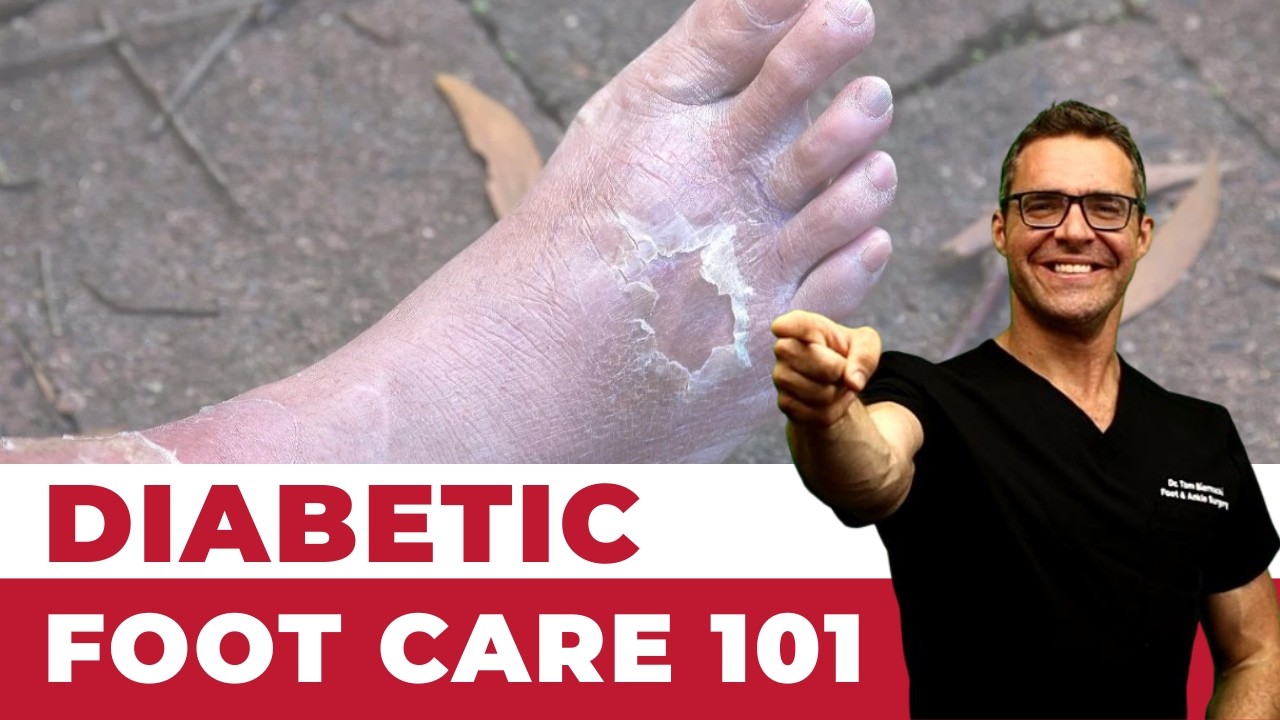
Diabetic patients with peripheral neuropathy can develop severe foot cellulitis without the warning pain that would prompt non-diabetic patients to seek care promptly. By the time the infection is visible on the skin surface, deep tissue involvement — including the tendons, tendon sheaths, joint spaces, and bone — may already be present. Diabetic foot infections are classified using the Infectious Diseases Society of America (IDSA) classification that guides antibiotic choice, route, and need for surgical intervention. Outpatient oral antibiotics suffice for mild, superficial infections, while moderate infections with systemic signs or limb-threatening infections require hospitalization and surgical assessment.
Seek emergency care immediately if you notice:
- Red streaks extending up the leg from the foot (lymphangitis)
- Fever above 101°F with foot redness and swelling
- Rapidly expanding area of redness — mark the border with a pen to track spread
- Black or purple discoloration of skin (possible necrotizing fasciitis)
- Foot infection in a diabetic patient with poor blood sugar control
When to Seek Urgent Care
Any foot redness that is spreading, accompanied by fever or significant swelling, involves a wound that looks infected, or is in a patient with diabetes or vascular disease warrants same-day evaluation. Do not wait to see if cellulitis improves on its own — infection in the foot progresses quickly due to the compromised vascular environment and the mechanical stress of weight bearing. Call Balance Foot & Ankle immediately or go to an emergency department if you have spreading redness, fever, or a diabetic foot wound that looks infected.
Products That Help Prevent Foot Cellulitis
In our clinic, we recommend these products to reduce cellulitis risk, especially for diabetic patients:
Eucerin Advanced Repair Cream — Cracked skin is the number one entry point for cellulitis bacteria. Daily application seals heel fissures and prevents the skin breaks that lead to infection.
Fungi-Nail Antifungal Pen — Fungal nail infections create lifting and debris that harbor bacteria. Treating toenail fungus early reduces a major cellulitis risk factor.
SB SOX Compression Socks — Lymphedema and chronic swelling increase cellulitis recurrence. Graduated compression reduces edema and improves skin integrity in patients with venous insufficiency.
More Podiatrist-Recommended Foot Health Essentials
Hoka Clifton 10

Max-cushion everyday shoe — podiatrist favorite for walking and running.

OOFOS Recovery Slide

Impact-absorbing recovery sandal — wear after long days on your feet.
As an Amazon Associate, Balance Foot & Ankle earns from qualifying purchases. Product recommendations are based on clinical experience; prices and availability shown above update live from Amazon.

When to See a Podiatrist
If foot or ankle pain has been bothering you for more than a few weeks, home care alone may not be enough. Balance Foot & Ankle offers same-week appointments at our Howell and Bloomfield Township clinics — no referral needed in most cases. Bring your current shoes and a short list of symptoms and we’ll build you a treatment plan in one visit.
Call Balance Foot & Ankle: (810) 206-1402 · Book online · Offices in Howell & Bloomfield Township
Frequently Asked Questions
How quickly does foot cellulitis spread?
Cellulitis can spread inches per hour in severe cases. Mark the border of redness with a pen and check every few hours. If the redness expands beyond the line despite antibiotics, contact your doctor immediately or go to the emergency room.
Can cellulitis come back?
Yes. Recurrent cellulitis affects 20-30% of patients, especially those with chronic lymphedema, diabetes, or skin conditions that create entry points for bacteria. Preventing skin breaks and managing swelling are the best strategies to reduce recurrence.
Is foot cellulitis contagious?
No. Cellulitis is not contagious because the infection occurs beneath the skin surface. However, the bacteria that cause cellulitis (usually Streptococcus or Staphylococcus) are common and enter through any break in the skin.
The Bottom Line
Foot cellulitis is a medical urgency that responds well to early antibiotic treatment but can become dangerous if delayed. In our Howell and Bloomfield Township clinics, we provide same-day evaluation for suspected foot infections and coordinate with your primary care team when IV antibiotics or hospitalization are needed. If your foot is red, hot, swollen, and getting worse, don’t wait — call us immediately.
🦶 Dr. Tom’s Recommended Products
These are the at-home products I recommend most often to patients at Balance Foot & Ankle in Howell, MI.
The OTC orthotic I recommend most in our clinic. Medical-grade arch support at a fraction of custom orthotic cost.
View on Amazon →
Natural topical pain relief I use in our clinic. Arnica + menthol formula — apply directly to the area 3-4x daily. FSA-eligible.
View on Amazon →
FTC Disclosure: As an Amazon Associate and Foundation Wellness affiliate, we earn from qualifying purchases. This never affects our clinical recommendations.
Foot Infection? Get Same-Day Care
Urgent appointments available in Howell & Bloomfield Township, MI
4.9★ | 1,123 Reviews | 3,000+ Surgeries
Or call: (810) 206-1402
Insurance Accepted
BCBS · Medicare · Aetna · Cigna · United Healthcare · HAP · Priority Health · Humana · View All →
Howell Office
4330 E Grand River Ave
Howell, MI 48843
Get Directions →
Bloomfield Township Office
43494 Woodward Ave, Suite 208
Bloomfield Township, MI 48302
Get Directions →
Your Board-Certified Podiatrists



Ready to Get Back on Your Feet?
Same-week appointments available at both locations.
Book Your AppointmentIn-Office Treatment at Balance Foot & Ankle
If home treatment isn’t providing relief for your diabetic foot, our podiatry team at Balance Foot & Ankle can help with same-day evaluations and advanced in-office care.
Same-day appointments available. (810) 206-1402

Dr. Tom Biernacki, DPM is a board-certified foot & ankle surgeon (ABFAS & ABPM) at Balance Foot & Ankle Specialists in Southeast Michigan. With over a decade of clinical experience, he specializes in heel pain, bunions, diabetic foot care, sports injuries, and minimally invasive surgery. Dr. Biernacki is a member of the APMA and ACFAS, and his patient education content on MichiganFootDoctors.com and YouTube has made him one of the most-followed foot & ankle educators on YouTube.