

Quick answer: Foot Pain Swelling Long Flight Dvt Prevention has multiple potential causes including mechanical, neurological, vascular, and inflammatory. The most common causes we identify are overuse, ill-fitting shoes, and biomechanical imbalance. Red flags requiring urgent evaluation: warmth/redness (infection), inability to bear weight (fracture), and unilateral swelling without injury (DVT). Call (810) 206-1402.
Medically reviewed by Dr. Tom Biernacki, DPM — Board-Certified Podiatric Surgeon — Balance Foot & Ankle, Howell & Bloomfield Township, MI. Last updated April 2026.
▶ Watch
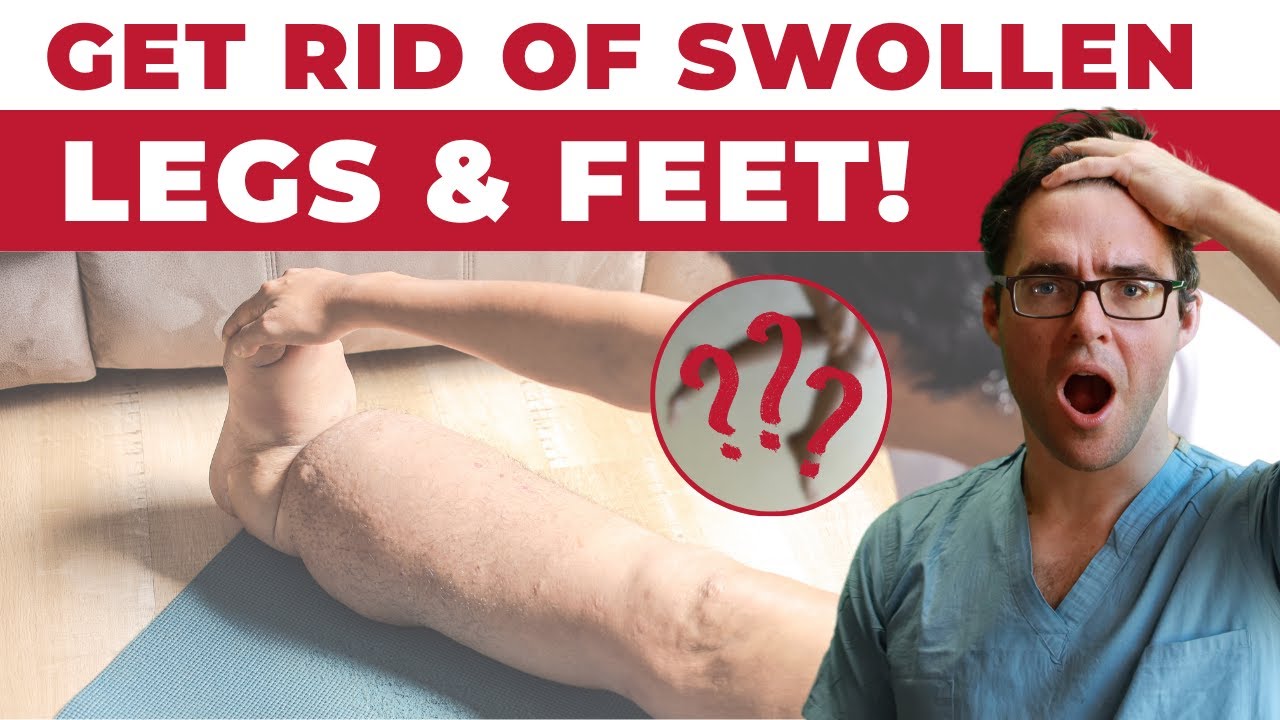
Medically reviewed by Dr. Tom Biernacki, DPM | Board-certified podiatrist | 3,000+ surgeries performed
Last updated: April 2, 2026
The most important clinical decision with Foot Pain Swelling Long Flight Dvt Prevention isn’t which treatment to start with — it’s which subtype or underlying cause you actually have. That distinction changes everything. Call us: (810) 206-1402
Why Feet Swell During Air Travel
Cabin pressure at cruising altitude equals roughly 6,000-8,000 feet elevation. This reduced pressure combined with low humidity causes fluid to shift from blood vessels into surrounding tissue. In our clinic, we see patients every winter who return from vacation with painfully swollen ankles that took days to resolve.
Prolonged immobility is the primary driver. When you sit with your legs bent for 4+ hours, venous return from the lower extremities slows dramatically. Blood pools in the calves and feet, and hydrostatic pressure forces fluid into the interstitial space. The result is dependent edema that can make shoes feel two sizes too small.
Risk factors that amplify in-flight swelling include pregnancy, oral contraceptive use, recent surgery, varicose veins, obesity, and age over 60. Patients with heart failure or chronic venous insufficiency often experience severe swelling even on short flights.
Deep Vein Thrombosis Warning Signs
DVT occurs when a blood clot forms in a deep vein, most commonly in the calf or thigh. Air travel longer than 4 hours doubles your DVT risk, and the danger persists for up to 4 weeks after landing. This is not simple swelling — it is a medical emergency that can lead to pulmonary embolism.
The classic DVT presentation includes unilateral calf swelling (one leg significantly larger than the other), warmth and redness over the affected area, and a deep aching pain that worsens with dorsiflexion of the foot (Homans sign). However, up to 50% of DVTs are clinically silent.
If you notice asymmetric leg swelling after a flight, do not massage the area or apply heat. Seek immediate medical evaluation. Emergency departments use ultrasound duplex scanning to confirm or rule out DVT within minutes.
In-Flight Prevention Exercises
Ankle pumps are the single most effective in-flight exercise. Point your toes down, then pull them up toward your shin — 20 repetitions every 30 minutes. This activates the calf muscle pump that drives venous blood back toward the heart. In our practice, we give every surgical patient this exercise for the same reason.
Seated calf raises (pressing up onto your toes while seated) engage the gastrocnemius and soleus muscles. Toe scrunches work the intrinsic foot muscles and stimulate plantar venous plexus drainage. Knee lifts with marching motion add hip flexor activation that further assists venous return.
Stand and walk the aisle every 1-2 hours when possible. Even a 2-minute walk restores normal venous flow rates. Request an aisle seat for easier movement, and avoid crossing your legs while seated — this compresses the popliteal vein behind the knee.
Compression Socks for Air Travel
Graduated compression stockings (15-20 mmHg) reduce flight-related ankle swelling by 50% according to Cochrane review data. The graduated design applies maximum pressure at the ankle with decreasing pressure up the leg, actively pushing blood upward against gravity.
For patients with known venous insufficiency or prior DVT, we recommend 20-30 mmHg medical-grade compression. Put them on before leaving for the airport — applying compression after swelling starts is significantly less effective. DASS Medical Compression Socks provide the exact graduated pressure profile we recommend.
Compression sleeves (without the foot portion) are less effective than full stockings because they miss the critical ankle-to-midfoot gradient. For maximum benefit, choose knee-high stockings that cover the entire calf muscle pump area.
Hydration and Dietary Strategies
Cabin humidity drops to 10-20%, causing insensible fluid losses through breathing and skin that accelerate dehydration. Dehydration thickens blood and increases clotting risk. Drink 8 ounces of water every hour during flight — more than you think you need.
Avoid alcohol and excessive caffeine before and during flights. Both are diuretics that worsen dehydration. Sodium-heavy airport meals cause water retention that compounds pressure-related swelling. Choose potassium-rich foods like bananas and oranges that help regulate fluid balance.
For patients on diuretics or blood pressure medications, coordinate with your prescribing physician about timing doses around long flights. Some medications may need adjustment for travel days.
When to See a Podiatrist After Travel
Normal post-flight swelling should resolve within 12-24 hours with elevation and movement. If swelling persists beyond 48 hours, or if you develop pitting edema (pressing your finger leaves an indentation), schedule an evaluation. Persistent edema may indicate underlying venous insufficiency that was unmasked by travel.
At Balance Foot & Ankle, we perform vascular assessments including pedal pulse examination, capillary refill testing, and ankle-brachial index measurement when indicated. For patients with recurrent travel-related swelling, custom compression prescriptions and pre-travel exercise programs can dramatically reduce symptoms.
Patients who travel frequently for work should consider baseline venous duplex ultrasound screening, especially if they have a family history of clotting disorders. Prevention is always preferable to treatment in vascular disease.
The Most Common Mistake We See
The most common mistake we see is patients dismissing asymmetric leg swelling as “just travel edema.” Bilateral mild swelling is usually benign, but when one leg is significantly larger than the other after a flight, this demands urgent evaluation to rule out DVT. Early detection prevents life-threatening pulmonary embolism.
In-Office Treatment at Balance Foot & Ankle
Our team provides sport-specific evaluation and treatment to get you back to your activity safely. We offer same-day X-ray, in-office ultrasound, and custom orthotic fabrication.
Same-day appointments available. Call (810) 206-1402 or book online.
More Podiatrist-Recommended Foot Health Essentials
Hoka Clifton 10


![How to Cure Plantar Fasciitis in One Week? [FAST Heel Pain Relief!]](https://www.michiganfootdoctors.com/wp-content/cache/flying-press/b5600c3bfb9845a6095da8266d8b5363.jpg)
Watch: How to Cure Plantar Fasciitis in One Week? [FAST Heel Pain Relief!] — MichiganFootDoctors YouTube
Max-cushion everyday shoe — podiatrist favorite for walking and running.

OOFOS Recovery Slide

Impact-absorbing recovery sandal — wear after long days on your feet.
As an Amazon Associate, Balance Foot & Ankle earns from qualifying purchases. Product recommendations are based on clinical experience; prices and availability shown above update live from Amazon.
When to See a Podiatrist
If foot or ankle pain has been bothering you for more than a few weeks, home care alone may not be enough. Balance Foot & Ankle offers same-week appointments at our Howell and Bloomfield Township clinics — no referral needed in most cases. Bring your current shoes and a short list of symptoms and we’ll build you a treatment plan in one visit.
Call Balance Foot & Ankle: (810) 206-1402 · Book online · Offices in Howell & Bloomfield Township
Frequently Asked Questions
How long does foot swelling last after a long flight?
Normal post-flight swelling resolves within 12-24 hours with elevation, walking, and hydration. Swelling lasting beyond 48 hours warrants medical evaluation to rule out venous insufficiency or DVT.
Can compression socks prevent DVT on airplanes?
Graduated compression stockings (15-20 mmHg) reduce DVT risk and decrease ankle swelling by approximately 50% during flights over 4 hours, according to Cochrane review evidence.
When should I go to the ER for leg swelling after flying?
Seek emergency care immediately if you develop unilateral calf swelling with warmth, chest pain, shortness of breath, or a red/discolored leg after air travel — these may indicate DVT or pulmonary embolism.
Does drinking water on a plane prevent swelling?
Hydration helps reduce blood viscosity and clotting risk, but it works best combined with compression stockings and regular ankle exercises. Drink at least 8 ounces per hour during flight.
The Bottom Line
Post-flight foot swelling is common but not always benign. Simple bilateral puffiness responds to compression, hydration, and movement. Asymmetric or persistent swelling needs professional evaluation. Take the preventive steps before your next flight — your circulation will thank you.
Sources
- Clarke MJ, et al. Compression stockings for preventing deep vein thrombosis in airline passengers. Cochrane Database Syst Rev. 2021;4:CD004002.
- Chandra D, et al. Travel and risk for venous thromboembolism. Ann Intern Med. 2009;151(3):180-190.
- Kuipers S, et al. Travel and venous thrombosis: a systematic review. J Intern Med. 2007;262(6):615-634.
Prevent Foot Swelling on Your Next Flight
Dr. Tom Biernacki has performed over 3,000 foot and ankle surgeries with a 4.9-star rating from 1,123 patient reviews.
Or call (810) 206-1402 for same-day appointments
Foot Care for Air Travel & DVT Prevention
Long flights can cause significant foot swelling, deep vein thrombosis (DVT) risk, and aggravation of existing foot conditions. If you experience persistent swelling, pain, or discoloration after flying, our podiatrists at Balance Foot & Ankle can evaluate for vascular complications at our Howell and Bloomfield Township offices.
Learn About Our Vascular Foot Care | Book Your Appointment | Call (810) 206-1402
Clinical References
- Philbrick JT, Shumate R, Siadaty MS, Becker DM. Air travel and venous thromboembolism: a systematic review. Journal of General Internal Medicine. 2007;22(1):107-114.
- Scurr JH, et al. Frequency and prevention of symptomless deep-vein thrombosis in long-haul flights. The Lancet. 2001;357(9267):1485-1489.
- Clarke MJ, et al. Compression stockings for preventing deep vein thrombosis in airline passengers. Cochrane Database of Systematic Reviews. 2016;(9):CD004002.
Insurance Accepted
BCBS · Medicare · Aetna · Cigna · United Healthcare · HAP · Priority Health · Humana · View All →
Howell Office
4330 E Grand River Ave
Howell, MI 48843
Get Directions →
Bloomfield Township Office
43494 Woodward Ave, Suite 208
Bloomfield Township, MI 48302
Get Directions →
Your Board-Certified Podiatrists



Ready to Get Back on Your Feet?
Same-week appointments available at both locations.
Book Your AppointmentPodiatrist-Recommended Products for Flight-Related Foot Swelling
- DASS Medical Compression Socks — graduated compression is the #1 recommendation for DVT prevention on long flights
- PowerStep Pinnacle — proper arch support reduces foot fatigue during long travel days
- Doctor Hoy’s Natural Pain Relief Gel — compact pain relief gel for foot and ankle soreness during and after flights
These are the same products Dr. Biernacki recommends in clinic. Available through our partner Foundation Wellness.
In-Office Treatment at Balance Foot & Ankle
If home treatment isn’t providing relief for your foot and ankle conditions, our podiatry team at Balance Foot & Ankle can help with same-day evaluations and advanced in-office care.
Same-day appointments available. (810) 206-1402
Frequently Asked Questions
When should I see a doctor?
See a podiatrist if pain persists past 2 weeks, prevents normal activity, or is accompanied by red-flag symptoms (warmth, swelling, numbness, inability to bear weight).
Can I treat this at home?
Mild cases respond to RICE protocol (rest, ice, compression, elevation), supportive shoes, and OTC anti-inflammatories. Persistent symptoms need professional evaluation.
How long does it take to heal?
Most soft tissue injuries resolve in 2-6 weeks with appropriate care. Bone injuries take 6-12 weeks. Chronic conditions need longer-term management.
What is Foot pain?
Foot pain is a common foot/ankle condition that affects mobility and quality of life. Understanding the underlying cause is the first step in successful treatment. Our podiatrists at Balance Foot & Ankle perform a hands-on biomechanical exam, review your activity history, and use diagnostic imaging when appropriate to identify the root cause—not just treat the symptom. Many patients have been told to “rest and ice” without a deeper diagnostic workup; our approach is different.
Symptoms and warning signs
Common signs of foot pain include pain that worsens with activity, morning stiffness, swelling, tenderness when palpated, and difficulty bearing weight. If you experience sudden severe pain, inability to walk, visible deformity, numbness or color change, contact our office the same day or visit urgent care—these can signal a more serious injury such as a fracture, tendon rupture, or vascular compromise. Diabetics with any foot wound should seek same-day care.
Conservative treatment options
Most cases of foot pain respond to non-surgical care: structured rest, supportive footwear changes, custom orthotics, targeted stretching and strengthening protocols, anti-inflammatory medications when medically appropriate, and in-office procedures such as ultrasound-guided injections. We also offer advanced therapies including MLS laser therapy, EPAT/shockwave, regenerative injections, and image-guided procedures. Treatment is sequenced from least invasive to most invasive, and we explain the rationale at every step.
When is surgery considered?
Surgery is reserved for cases that fail 3-6 months of well-structured conservative care, when there is structural pathology (severe deformity, complete tear, advanced arthritis), or when imaging shows damage that will not heal without intervention. Our surgeons have performed 3,000+ foot and ankle procedures and prioritize minimally-invasive techniques whenever appropriate. We discuss recovery timelines, return-to-activity milestones, and realistic outcome expectations before any procedure is scheduled.
Recovery timeline and prevention
Recovery from foot pain varies based on severity and chosen treatment path. Conservative cases often improve within 4-8 weeks with consistent adherence to the protocol. Post-procedural recovery may range from a few days (in-office procedures) to several months (reconstructive surgery). Long-term prevention involves footwear assessment, activity modification, structured strengthening, and regular check-ins with your podiatrist if you have a history of recurrence. We provide written home-exercise plans and digital follow-up support.
Ready to feel better?
Same-week appointments available in Howell and Bloomfield Township, Michigan.
Book Your Visit
Dr. Tom Biernacki, DPM is a board-certified foot & ankle surgeon (ABFAS & ABPM) at Balance Foot & Ankle Specialists in Southeast Michigan. With over a decade of clinical experience, he specializes in heel pain, bunions, diabetic foot care, sports injuries, and minimally invasive surgery. Dr. Biernacki is a member of the APMA and ACFAS, and his patient education content on MichiganFootDoctors.com and YouTube has made him one of the most-followed foot & ankle educators on YouTube.