

Common Mountain Biking Foot Problems
Ankle Sprains from Crashes and Dismounts
Ankle sprains are the most common acute injury in mountain biking. Crashes — particularly those involving the foot catching on trail obstacles during a fall — frequently produce lateral ankle inversion injuries. Unclipping from clipless pedals and putting a foot down on unstable ground during technical sections is another common mechanism. The severity ranges from mild Grade 1 ligament stretches to complete Grade 3 tears, sometimes with associated fibula fractures.
Appropriate footwear is the primary preventive factor. Mountain bike specific shoes with ankle coverage, stiff soles that protect the foot from pedal impacts, and — for clipless pedal riders — recessed cleats that allow walking without the awkward heel-down gait of road cycling cleats, provide meaningful injury protection. Flat pedal riders wearing low-top shoes have significantly higher ankle sprain rates than those wearing high-top mountain bike shoes.
Pedal-Induced Foot Pain
Flat pedal riders who ride without dedicated mountain bike shoes experience significant forefoot pressure from the pins and platforms of aggressive flat pedals against the soft soles of trail shoes or sneakers. The concentrated pressure produces metatarsalgia — pain under the metatarsal heads — and can cause significant bruising after long descents requiring sustained braking with foot pressure on the pedal. Dedicated flat pedal shoes with stiff midsoles distribute pedal pin pressure across a wider area of the foot, dramatically reducing forefoot pain during aggressive trail riding.
Cleat and Shoe Pressure Problems in Clipless Systems
Clipless pedal riders can develop neuroma-like forefoot pain if the cleat position places the pedal axle lateral to the first MTP joint — a position that concentrates lateral forefoot pressure. Optimal cleat position places the pedal spindle directly beneath the first metatarsal head (ball of foot), providing maximum power transfer and minimizing lateral forefoot pressure. Most modern mountain bike clipless systems offer fore-aft and lateral cleat adjustment that allows individualization. A cleat fitting by an experienced bike fitter or podiatrist who understands cycling mechanics produces significantly better long-term forefoot comfort.
Plantar Fasciitis from Long Rides
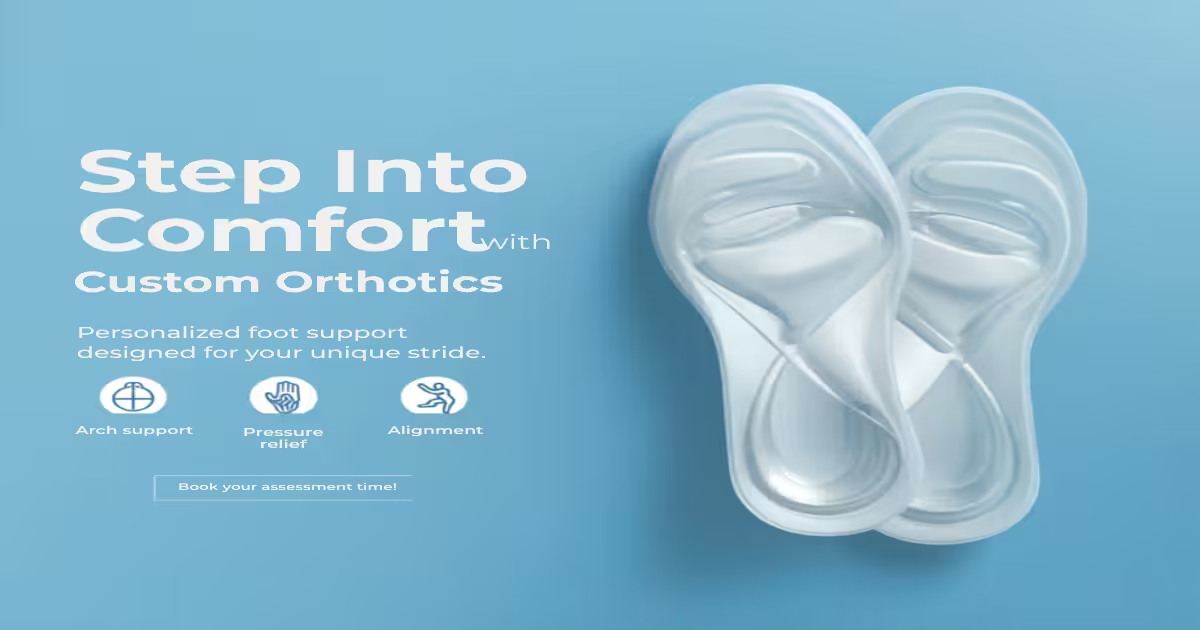
Sustained pedaling with the foot in a dorsiflexed position loads the plantar fascia repeatedly throughout long rides. Riders who pedal with the heel dropping below the ball of the foot (heel drop pedaling style) place the plantar fascia under even greater tension. Custom cycling orthotics — thin, stiff footbeds designed to fit inside cycling shoes — provide arch support without the thickness of standard orthotics and significantly reduce plantar fascia strain during extended riding.
Footwear Recommendations for Mountain Bikers
Dedicated mountain bike shoes are a non-negotiable recommendation for serious riders. For flat pedal riding, choose shoes with a stiff midsole, sticky rubber sole (Vibram or similar), and adequate ankle support for technical terrain. For clipless pedal riding, two-bolt mountain bike shoes with recessed cleats are far superior to three-bolt road cycling shoes for any off-bike walking, and the recessed cleat reduces the risk of cleat walking injuries. High-top mountain bike shoes are available from several manufacturers and provide meaningful ankle support for aggressive trail riding.
⚠ Important: If you experience sudden ankle swelling, inability to bear weight, or persistent numbness after a mountain biking crash, seek prompt evaluation. What seems like a simple ankle sprain may involve a fracture or ligament tear requiring specialized treatment.
Frequently Asked Questions
Should I use clipless or flat pedals to prevent foot injuries?
Both have trade-offs. Clipless pedals reduce pedal-strike injuries but can contribute to metatarsalgia from concentrated cleat pressure. Flat pedals allow quick foot release but increase shin and ankle strike risk. Proper shoe stiffness and cleat positioning matter more than pedal type.
Can custom orthotics fit inside mountain biking shoes?
Yes, most mountain biking shoes accommodate slim-profile custom orthotics after removing the factory insole. This improves arch support, distributes pedal pressure, and reduces hot spots during long rides.
How long should I stay off the bike after an ankle sprain?
Grade 1 sprains typically allow return to easy riding in 2–3 weeks with supportive shoes and bracing. Grade 2–3 sprains may require 6–12 weeks before trail riding. A physical therapy program focusing on balance and proprioception helps prevent re-injury.
Why do my feet go numb while mountain biking?
Foot numbness during riding usually results from shoes that are too tight, excessive cleat pressure on the forefoot, or nerve compression from vibration. Loosening straps, adjusting cleat position rearward, and using stiffer-soled shoes typically resolves the issue.
Recommended Products for Mountain Bikers
These products help prevent and manage mountain biking foot and ankle injuries:
- Powerstep Pinnacle Orthotics – Fits inside MTB shoes for arch support and pressure relief. Check price on Amazon
- SB SOX Compression Socks – Reduces swelling and fatigue during long rides. Check price on Amazon
- TheraBand Foot Roller – Post-ride recovery massage for plantar fascia and arches. Check price on Amazon
As an Amazon Associate we earn from qualifying purchases. Product selection is based on clinical relevance.
The Bottom Line
Mountain biking foot and ankle injuries are largely preventable with proper footwear, cleat setup, and conditioning. When injuries do occur, early treatment from a sports-focused podiatrist gets riders back on the trail faster and reduces the risk of chronic problems. Don’t ride through persistent foot pain — get it evaluated.
Mountain Biking Foot or Ankle Injury?
Dr. Biernacki treats sports-related foot and ankle injuries at Balance Foot & Ankle Specialists.
Schedule Your Appointment →Foot and Ankle Demands of Mountain Biking
Mountain biking is an increasingly popular sport in Michigan, with trail systems at Bloomer Park in Rochester Hills, Stony Creek Metropark, Pontiac Lake Recreation Area, and dozens of other locations throughout Southeast Michigan drawing riders from novice trail users to expert enduro competitors. While mountain biking is primarily an upper and lower body power sport, the feet play critical roles in bike control, power transfer, and crash protection — and foot problems are among the most common complaints that bring mountain bikers to our practice.
At Balance Foot & Ankle, we understand the specific demands of mountain biking and provide treatment recommendations tailored to the sport rather than generic athletic advice.
Common Mountain Biking Foot Problems
Ankle Sprains from Crashes and Dismounts
Ankle sprains are the most common acute injury in mountain biking. Crashes — particularly those involving the foot catching on trail obstacles during a fall — frequently produce lateral ankle inversion injuries. Unclipping from clipless pedals and putting a foot down on unstable ground during technical sections is another common mechanism. The severity ranges from mild Grade 1 ligament stretches to complete Grade 3 tears, sometimes with associated fibula fractures.
Appropriate footwear is the primary preventive factor. Mountain bike specific shoes with ankle coverage, stiff soles that protect the foot from pedal impacts, and — for clipless pedal riders — recessed cleats that allow walking without the awkward heel-down gait of road cycling cleats, provide meaningful injury protection. Flat pedal riders wearing low-top shoes have significantly higher ankle sprain rates than those wearing high-top mountain bike shoes.
Pedal-Induced Foot Pain
Flat pedal riders who ride without dedicated mountain bike shoes experience significant forefoot pressure from the pins and platforms of aggressive flat pedals against the soft soles of trail shoes or sneakers. The concentrated pressure produces metatarsalgia — pain under the metatarsal heads — and can cause significant bruising after long descents requiring sustained braking with foot pressure on the pedal. Dedicated flat pedal shoes with stiff midsoles distribute pedal pin pressure across a wider area of the foot, dramatically reducing forefoot pain during aggressive trail riding.
Cleat and Shoe Pressure Problems in Clipless Systems
Clipless pedal riders can develop neuroma-like forefoot pain if the cleat position places the pedal axle lateral to the first MTP joint — a position that concentrates lateral forefoot pressure. Optimal cleat position places the pedal spindle directly beneath the first metatarsal head (ball of foot), providing maximum power transfer and minimizing lateral forefoot pressure. Most modern mountain bike clipless systems offer fore-aft and lateral cleat adjustment that allows individualization. A cleat fitting by an experienced bike fitter or podiatrist who understands cycling mechanics produces significantly better long-term forefoot comfort.
Plantar Fasciitis from Long Rides
Sustained pedaling with the foot in a dorsiflexed position loads the plantar fascia repeatedly throughout long rides. Riders who pedal with the heel dropping below the ball of the foot (heel drop pedaling style) place the plantar fascia under even greater tension. Custom cycling orthotics — thin, stiff footbeds designed to fit inside cycling shoes — provide arch support without the thickness of standard orthotics and significantly reduce plantar fascia strain during extended riding.
Footwear Recommendations for Mountain Bikers
Dedicated mountain bike shoes are a non-negotiable recommendation for serious riders. For flat pedal riding, choose shoes with a stiff midsole, sticky rubber sole (Vibram or similar), and adequate ankle support for technical terrain. For clipless pedal riding, two-bolt mountain bike shoes with recessed cleats are far superior to three-bolt road cycling shoes for any off-bike walking, and the recessed cleat reduces the risk of cleat walking injuries. High-top mountain bike shoes are available from several manufacturers and provide meaningful ankle support for aggressive trail riding.
⚠ Important: If you experience sudden ankle swelling, inability to bear weight, or persistent numbness after a mountain biking crash, seek prompt evaluation. What seems like a simple ankle sprain may involve a fracture or ligament tear requiring specialized treatment.
Frequently Asked Questions
Should I use clipless or flat pedals to prevent foot injuries?
Both have trade-offs. Clipless pedals reduce pedal-strike injuries but can contribute to metatarsalgia from concentrated cleat pressure. Flat pedals allow quick foot release but increase shin and ankle strike risk. Proper shoe stiffness and cleat positioning matter more than pedal type.
Can custom orthotics fit inside mountain biking shoes?
Yes, most mountain biking shoes accommodate slim-profile custom orthotics after removing the factory insole. This improves arch support, distributes pedal pressure, and reduces hot spots during long rides.
How long should I stay off the bike after an ankle sprain?
Grade 1 sprains typically allow return to easy riding in 2–3 weeks with supportive shoes and bracing. Grade 2–3 sprains may require 6–12 weeks before trail riding. A physical therapy program focusing on balance and proprioception helps prevent re-injury.
Why do my feet go numb while mountain biking?
Foot numbness during riding usually results from shoes that are too tight, excessive cleat pressure on the forefoot, or nerve compression from vibration. Loosening straps, adjusting cleat position rearward, and using stiffer-soled shoes typically resolves the issue.
Recommended Products for Mountain Bikers
These products help prevent and manage mountain biking foot and ankle injuries:
- Powerstep Pinnacle Orthotics – Fits inside MTB shoes for arch support and pressure relief. Check price on Amazon
- SB SOX Compression Socks – Reduces swelling and fatigue during long rides. Check price on Amazon
- TheraBand Foot Roller – Post-ride recovery massage for plantar fascia and arches. Check price on Amazon
As an Amazon Associate we earn from qualifying purchases. Product selection is based on clinical relevance.
The Bottom Line
Mountain biking foot and ankle injuries are largely preventable with proper footwear, cleat setup, and conditioning. When injuries do occur, early treatment from a sports-focused podiatrist gets riders back on the trail faster and reduces the risk of chronic problems. Don’t ride through persistent foot pain — get it evaluated.
Mountain Biking Foot or Ankle Injury?
Dr. Biernacki treats sports-related foot and ankle injuries at Balance Foot & Ankle Specialists.
Schedule Your Appointment →Medically Reviewed by Dr. Tom Biernacki, DPM · Board-Certified Podiatric Surgeon · Balance Foot & Ankle Specialists
Last Updated: April 2026 · Reading Time: 7 min
Quick Answer
Mountain biking puts unique stress on feet and ankles through vibration, pedal strikes, and sudden terrain changes. The most common injuries include ankle sprains, metatarsalgia from cleat pressure, Achilles tendinitis, and pedal strike contusions. Proper footwear, cleat positioning, and custom orthotics can prevent most riding-related foot problems.
In This Guide
Foot and Ankle Demands of Mountain Biking
Mountain biking is an increasingly popular sport in Michigan, with trail systems at Bloomer Park in Rochester Hills, Stony Creek Metropark, Pontiac Lake Recreation Area, and dozens of other locations throughout Southeast Michigan drawing riders from novice trail users to expert enduro competitors. While mountain biking is primarily an upper and lower body power sport, the feet play critical roles in bike control, power transfer, and crash protection — and foot problems are among the most common complaints that bring mountain bikers to our practice.
At Balance Foot & Ankle, we understand the specific demands of mountain biking and provide treatment recommendations tailored to the sport rather than generic athletic advice.
Common Mountain Biking Foot Problems
Ankle Sprains from Crashes and Dismounts
Ankle sprains are the most common acute injury in mountain biking. Crashes — particularly those involving the foot catching on trail obstacles during a fall — frequently produce lateral ankle inversion injuries. Unclipping from clipless pedals and putting a foot down on unstable ground during technical sections is another common mechanism. The severity ranges from mild Grade 1 ligament stretches to complete Grade 3 tears, sometimes with associated fibula fractures.
Appropriate footwear is the primary preventive factor. Mountain bike specific shoes with ankle coverage, stiff soles that protect the foot from pedal impacts, and — for clipless pedal riders — recessed cleats that allow walking without the awkward heel-down gait of road cycling cleats, provide meaningful injury protection. Flat pedal riders wearing low-top shoes have significantly higher ankle sprain rates than those wearing high-top mountain bike shoes.
Pedal-Induced Foot Pain
Flat pedal riders who ride without dedicated mountain bike shoes experience significant forefoot pressure from the pins and platforms of aggressive flat pedals against the soft soles of trail shoes or sneakers. The concentrated pressure produces metatarsalgia — pain under the metatarsal heads — and can cause significant bruising after long descents requiring sustained braking with foot pressure on the pedal. Dedicated flat pedal shoes with stiff midsoles distribute pedal pin pressure across a wider area of the foot, dramatically reducing forefoot pain during aggressive trail riding.
Cleat and Shoe Pressure Problems in Clipless Systems
Clipless pedal riders can develop neuroma-like forefoot pain if the cleat position places the pedal axle lateral to the first MTP joint — a position that concentrates lateral forefoot pressure. Optimal cleat position places the pedal spindle directly beneath the first metatarsal head (ball of foot), providing maximum power transfer and minimizing lateral forefoot pressure. Most modern mountain bike clipless systems offer fore-aft and lateral cleat adjustment that allows individualization. A cleat fitting by an experienced bike fitter or podiatrist who understands cycling mechanics produces significantly better long-term forefoot comfort.
Plantar Fasciitis from Long Rides
Sustained pedaling with the foot in a dorsiflexed position loads the plantar fascia repeatedly throughout long rides. Riders who pedal with the heel dropping below the ball of the foot (heel drop pedaling style) place the plantar fascia under even greater tension. Custom cycling orthotics — thin, stiff footbeds designed to fit inside cycling shoes — provide arch support without the thickness of standard orthotics and significantly reduce plantar fascia strain during extended riding.
Footwear Recommendations for Mountain Bikers
Dedicated mountain bike shoes are a non-negotiable recommendation for serious riders. For flat pedal riding, choose shoes with a stiff midsole, sticky rubber sole (Vibram or similar), and adequate ankle support for technical terrain. For clipless pedal riding, two-bolt mountain bike shoes with recessed cleats are far superior to three-bolt road cycling shoes for any off-bike walking, and the recessed cleat reduces the risk of cleat walking injuries. High-top mountain bike shoes are available from several manufacturers and provide meaningful ankle support for aggressive trail riding.
⚠ Important: If you experience sudden ankle swelling, inability to bear weight, or persistent numbness after a mountain biking crash, seek prompt evaluation. What seems like a simple ankle sprain may involve a fracture or ligament tear requiring specialized treatment.
Frequently Asked Questions
Should I use clipless or flat pedals to prevent foot injuries?
Both have trade-offs. Clipless pedals reduce pedal-strike injuries but can contribute to metatarsalgia from concentrated cleat pressure. Flat pedals allow quick foot release but increase shin and ankle strike risk. Proper shoe stiffness and cleat positioning matter more than pedal type.
Can custom orthotics fit inside mountain biking shoes?
Yes, most mountain biking shoes accommodate slim-profile custom orthotics after removing the factory insole. This improves arch support, distributes pedal pressure, and reduces hot spots during long rides.
How long should I stay off the bike after an ankle sprain?
Grade 1 sprains typically allow return to easy riding in 2–3 weeks with supportive shoes and bracing. Grade 2–3 sprains may require 6–12 weeks before trail riding. A physical therapy program focusing on balance and proprioception helps prevent re-injury.
Why do my feet go numb while mountain biking?
Foot numbness during riding usually results from shoes that are too tight, excessive cleat pressure on the forefoot, or nerve compression from vibration. Loosening straps, adjusting cleat position rearward, and using stiffer-soled shoes typically resolves the issue.
Recommended Products for Mountain Bikers
These products help prevent and manage mountain biking foot and ankle injuries:
- Powerstep Pinnacle Orthotics – Fits inside MTB shoes for arch support and pressure relief. Check price on Amazon
- SB SOX Compression Socks – Reduces swelling and fatigue during long rides. Check price on Amazon
- TheraBand Foot Roller – Post-ride recovery massage for plantar fascia and arches. Check price on Amazon
As an Amazon Associate we earn from qualifying purchases. Product selection is based on clinical relevance.
The Bottom Line
Mountain biking foot and ankle injuries are largely preventable with proper footwear, cleat setup, and conditioning. When injuries do occur, early treatment from a sports-focused podiatrist gets riders back on the trail faster and reduces the risk of chronic problems. Don’t ride through persistent foot pain — get it evaluated.
Mountain Biking Foot or Ankle Injury?
Dr. Biernacki treats sports-related foot and ankle injuries at Balance Foot & Ankle Specialists.
Schedule Your Appointment →Insurance Accepted
BCBS · Medicare · Aetna · Cigna · United Healthcare · HAP · Priority Health · Humana · View All →
Howell Office
3980 E Grand River Ave, Suite 140
Howell, MI 48843
Get Directions →
Bloomfield Hills Office
43700 Woodward Ave, Suite 207
Bloomfield Hills, MI 48302
Get Directions →
Your Board-Certified Podiatrists



Ready to Get Back on Your Feet?
Same-week appointments available at both locations.
Book Your AppointmentFoot and Ankle Demands of Mountain Biking
Mountain biking is an increasingly popular sport in Michigan, with trail systems at Bloomer Park in Rochester Hills, Stony Creek Metropark, Pontiac Lake Recreation Area, and dozens of other locations throughout Southeast Michigan drawing riders from novice trail users to expert enduro competitors. While mountain biking is primarily an upper and lower body power sport, the feet play critical roles in bike control, power transfer, and crash protection — and foot problems are among the most common complaints that bring mountain bikers to our practice.
At Balance Foot & Ankle, we understand the specific demands of mountain biking and provide treatment recommendations tailored to the sport rather than generic athletic advice.
Common Mountain Biking Foot Problems
Ankle Sprains from Crashes and Dismounts
Ankle sprains are the most common acute injury in mountain biking. Crashes — particularly those involving the foot catching on trail obstacles during a fall — frequently produce lateral ankle inversion injuries. Unclipping from clipless pedals and putting a foot down on unstable ground during technical sections is another common mechanism. The severity ranges from mild Grade 1 ligament stretches to complete Grade 3 tears, sometimes with associated fibula fractures.
Appropriate footwear is the primary preventive factor. Mountain bike specific shoes with ankle coverage, stiff soles that protect the foot from pedal impacts, and — for clipless pedal riders — recessed cleats that allow walking without the awkward heel-down gait of road cycling cleats, provide meaningful injury protection. Flat pedal riders wearing low-top shoes have significantly higher ankle sprain rates than those wearing high-top mountain bike shoes.
Pedal-Induced Foot Pain
Flat pedal riders who ride without dedicated mountain bike shoes experience significant forefoot pressure from the pins and platforms of aggressive flat pedals against the soft soles of trail shoes or sneakers. The concentrated pressure produces metatarsalgia — pain under the metatarsal heads — and can cause significant bruising after long descents requiring sustained braking with foot pressure on the pedal. Dedicated flat pedal shoes with stiff midsoles distribute pedal pin pressure across a wider area of the foot, dramatically reducing forefoot pain during aggressive trail riding.
Cleat and Shoe Pressure Problems in Clipless Systems
Clipless pedal riders can develop neuroma-like forefoot pain if the cleat position places the pedal axle lateral to the first MTP joint — a position that concentrates lateral forefoot pressure. Optimal cleat position places the pedal spindle directly beneath the first metatarsal head (ball of foot), providing maximum power transfer and minimizing lateral forefoot pressure. Most modern mountain bike clipless systems offer fore-aft and lateral cleat adjustment that allows individualization. A cleat fitting by an experienced bike fitter or podiatrist who understands cycling mechanics produces significantly better long-term forefoot comfort.
Plantar Fasciitis from Long Rides
Sustained pedaling with the foot in a dorsiflexed position loads the plantar fascia repeatedly throughout long rides. Riders who pedal with the heel dropping below the ball of the foot (heel drop pedaling style) place the plantar fascia under even greater tension. Custom cycling orthotics — thin, stiff footbeds designed to fit inside cycling shoes — provide arch support without the thickness of standard orthotics and significantly reduce plantar fascia strain during extended riding.
Footwear Recommendations for Mountain Bikers
Dedicated mountain bike shoes are a non-negotiable recommendation for serious riders. For flat pedal riding, choose shoes with a stiff midsole, sticky rubber sole (Vibram or similar), and adequate ankle support for technical terrain. For clipless pedal riding, two-bolt mountain bike shoes with recessed cleats are far superior to three-bolt road cycling shoes for any off-bike walking, and the recessed cleat reduces the risk of cleat walking injuries. High-top mountain bike shoes are available from several manufacturers and provide meaningful ankle support for aggressive trail riding.
⚠ Important: If you experience sudden ankle swelling, inability to bear weight, or persistent numbness after a mountain biking crash, seek prompt evaluation. What seems like a simple ankle sprain may involve a fracture or ligament tear requiring specialized treatment.
Frequently Asked Questions
Should I use clipless or flat pedals to prevent foot injuries?
Both have trade-offs. Clipless pedals reduce pedal-strike injuries but can contribute to metatarsalgia from concentrated cleat pressure. Flat pedals allow quick foot release but increase shin and ankle strike risk. Proper shoe stiffness and cleat positioning matter more than pedal type.
Can custom orthotics fit inside mountain biking shoes?
Yes, most mountain biking shoes accommodate slim-profile custom orthotics after removing the factory insole. This improves arch support, distributes pedal pressure, and reduces hot spots during long rides.
How long should I stay off the bike after an ankle sprain?
Grade 1 sprains typically allow return to easy riding in 2–3 weeks with supportive shoes and bracing. Grade 2–3 sprains may require 6–12 weeks before trail riding. A physical therapy program focusing on balance and proprioception helps prevent re-injury.
Why do my feet go numb while mountain biking?
Foot numbness during riding usually results from shoes that are too tight, excessive cleat pressure on the forefoot, or nerve compression from vibration. Loosening straps, adjusting cleat position rearward, and using stiffer-soled shoes typically resolves the issue.
Recommended Products for Mountain Bikers
These products help prevent and manage mountain biking foot and ankle injuries:
- Powerstep Pinnacle Orthotics – Fits inside MTB shoes for arch support and pressure relief. Check price on Amazon
- SB SOX Compression Socks – Reduces swelling and fatigue during long rides. Check price on Amazon
- TheraBand Foot Roller – Post-ride recovery massage for plantar fascia and arches. Check price on Amazon
As an Amazon Associate we earn from qualifying purchases. Product selection is based on clinical relevance.
The Bottom Line
Mountain biking foot and ankle injuries are largely preventable with proper footwear, cleat setup, and conditioning. When injuries do occur, early treatment from a sports-focused podiatrist gets riders back on the trail faster and reduces the risk of chronic problems. Don’t ride through persistent foot pain — get it evaluated.
Mountain Biking Foot or Ankle Injury?
Dr. Biernacki treats sports-related foot and ankle injuries at Balance Foot & Ankle Specialists.
Schedule Your Appointment →Medically Reviewed by Dr. Tom Biernacki, DPM · Board-Certified Podiatric Surgeon · Balance Foot & Ankle Specialists
Last Updated: April 2026 · Reading Time: 7 min
Quick Answer
Mountain biking puts unique stress on feet and ankles through vibration, pedal strikes, and sudden terrain changes. The most common injuries include ankle sprains, metatarsalgia from cleat pressure, Achilles tendinitis, and pedal strike contusions. Proper footwear, cleat positioning, and custom orthotics can prevent most riding-related foot problems.
In This Guide
Foot and Ankle Demands of Mountain Biking
Mountain biking is an increasingly popular sport in Michigan, with trail systems at Bloomer Park in Rochester Hills, Stony Creek Metropark, Pontiac Lake Recreation Area, and dozens of other locations throughout Southeast Michigan drawing riders from novice trail users to expert enduro competitors. While mountain biking is primarily an upper and lower body power sport, the feet play critical roles in bike control, power transfer, and crash protection — and foot problems are among the most common complaints that bring mountain bikers to our practice.
At Balance Foot & Ankle, we understand the specific demands of mountain biking and provide treatment recommendations tailored to the sport rather than generic athletic advice.
Common Mountain Biking Foot Problems
Ankle Sprains from Crashes and Dismounts
Ankle sprains are the most common acute injury in mountain biking. Crashes — particularly those involving the foot catching on trail obstacles during a fall — frequently produce lateral ankle inversion injuries. Unclipping from clipless pedals and putting a foot down on unstable ground during technical sections is another common mechanism. The severity ranges from mild Grade 1 ligament stretches to complete Grade 3 tears, sometimes with associated fibula fractures.
Appropriate footwear is the primary preventive factor. Mountain bike specific shoes with ankle coverage, stiff soles that protect the foot from pedal impacts, and — for clipless pedal riders — recessed cleats that allow walking without the awkward heel-down gait of road cycling cleats, provide meaningful injury protection. Flat pedal riders wearing low-top shoes have significantly higher ankle sprain rates than those wearing high-top mountain bike shoes.
Pedal-Induced Foot Pain
Flat pedal riders who ride without dedicated mountain bike shoes experience significant forefoot pressure from the pins and platforms of aggressive flat pedals against the soft soles of trail shoes or sneakers. The concentrated pressure produces metatarsalgia — pain under the metatarsal heads — and can cause significant bruising after long descents requiring sustained braking with foot pressure on the pedal. Dedicated flat pedal shoes with stiff midsoles distribute pedal pin pressure across a wider area of the foot, dramatically reducing forefoot pain during aggressive trail riding.
Cleat and Shoe Pressure Problems in Clipless Systems
Clipless pedal riders can develop neuroma-like forefoot pain if the cleat position places the pedal axle lateral to the first MTP joint — a position that concentrates lateral forefoot pressure. Optimal cleat position places the pedal spindle directly beneath the first metatarsal head (ball of foot), providing maximum power transfer and minimizing lateral forefoot pressure. Most modern mountain bike clipless systems offer fore-aft and lateral cleat adjustment that allows individualization. A cleat fitting by an experienced bike fitter or podiatrist who understands cycling mechanics produces significantly better long-term forefoot comfort.
Plantar Fasciitis from Long Rides
Sustained pedaling with the foot in a dorsiflexed position loads the plantar fascia repeatedly throughout long rides. Riders who pedal with the heel dropping below the ball of the foot (heel drop pedaling style) place the plantar fascia under even greater tension. Custom cycling orthotics — thin, stiff footbeds designed to fit inside cycling shoes — provide arch support without the thickness of standard orthotics and significantly reduce plantar fascia strain during extended riding.
Footwear Recommendations for Mountain Bikers
Dedicated mountain bike shoes are a non-negotiable recommendation for serious riders. For flat pedal riding, choose shoes with a stiff midsole, sticky rubber sole (Vibram or similar), and adequate ankle support for technical terrain. For clipless pedal riding, two-bolt mountain bike shoes with recessed cleats are far superior to three-bolt road cycling shoes for any off-bike walking, and the recessed cleat reduces the risk of cleat walking injuries. High-top mountain bike shoes are available from several manufacturers and provide meaningful ankle support for aggressive trail riding.
⚠ Important: If you experience sudden ankle swelling, inability to bear weight, or persistent numbness after a mountain biking crash, seek prompt evaluation. What seems like a simple ankle sprain may involve a fracture or ligament tear requiring specialized treatment.
Frequently Asked Questions
Should I use clipless or flat pedals to prevent foot injuries?
Both have trade-offs. Clipless pedals reduce pedal-strike injuries but can contribute to metatarsalgia from concentrated cleat pressure. Flat pedals allow quick foot release but increase shin and ankle strike risk. Proper shoe stiffness and cleat positioning matter more than pedal type.
Can custom orthotics fit inside mountain biking shoes?
Yes, most mountain biking shoes accommodate slim-profile custom orthotics after removing the factory insole. This improves arch support, distributes pedal pressure, and reduces hot spots during long rides.
How long should I stay off the bike after an ankle sprain?
Grade 1 sprains typically allow return to easy riding in 2–3 weeks with supportive shoes and bracing. Grade 2–3 sprains may require 6–12 weeks before trail riding. A physical therapy program focusing on balance and proprioception helps prevent re-injury.
Why do my feet go numb while mountain biking?
Foot numbness during riding usually results from shoes that are too tight, excessive cleat pressure on the forefoot, or nerve compression from vibration. Loosening straps, adjusting cleat position rearward, and using stiffer-soled shoes typically resolves the issue.
Recommended Products for Mountain Bikers
These products help prevent and manage mountain biking foot and ankle injuries:
- Powerstep Pinnacle Orthotics – Fits inside MTB shoes for arch support and pressure relief. Check price on Amazon
- SB SOX Compression Socks – Reduces swelling and fatigue during long rides. Check price on Amazon
- TheraBand Foot Roller – Post-ride recovery massage for plantar fascia and arches. Check price on Amazon
As an Amazon Associate we earn from qualifying purchases. Product selection is based on clinical relevance.
The Bottom Line
Mountain biking foot and ankle injuries are largely preventable with proper footwear, cleat setup, and conditioning. When injuries do occur, early treatment from a sports-focused podiatrist gets riders back on the trail faster and reduces the risk of chronic problems. Don’t ride through persistent foot pain — get it evaluated.
Mountain Biking Foot or Ankle Injury?
Dr. Biernacki treats sports-related foot and ankle injuries at Balance Foot & Ankle Specialists.
Schedule Your Appointment →Insurance Accepted
BCBS · Medicare · Aetna · Cigna · United Healthcare · HAP · Priority Health · Humana · View All →
Howell Office
3980 E Grand River Ave, Suite 140
Howell, MI 48843
Get Directions →
Bloomfield Hills Office
43700 Woodward Ave, Suite 207
Bloomfield Hills, MI 48302
Get Directions →
Your Board-Certified Podiatrists
Ready to Get Back on Your Feet?
Same-week appointments available at both locations.
Book Your AppointmentMedically Reviewed by Dr. Tom Biernacki, DPM · Board-Certified Podiatric Surgeon · Balance Foot & Ankle Specialists
Last Updated: April 2026 · Reading Time: 7 min
Quick Answer
Mountain biking puts unique stress on feet and ankles through vibration, pedal strikes, and sudden terrain changes. The most common injuries include ankle sprains, metatarsalgia from cleat pressure, Achilles tendinitis, and pedal strike contusions. Proper footwear, cleat positioning, and custom orthotics can prevent most riding-related foot problems.
In This Guide
Foot and Ankle Demands of Mountain Biking
Mountain biking is an increasingly popular sport in Michigan, with trail systems at Bloomer Park in Rochester Hills, Stony Creek Metropark, Pontiac Lake Recreation Area, and dozens of other locations throughout Southeast Michigan drawing riders from novice trail users to expert enduro competitors. While mountain biking is primarily an upper and lower body power sport, the feet play critical roles in bike control, power transfer, and crash protection — and foot problems are among the most common complaints that bring mountain bikers to our practice.
At Balance Foot & Ankle, we understand the specific demands of mountain biking and provide treatment recommendations tailored to the sport rather than generic athletic advice.
Common Mountain Biking Foot Problems
Ankle Sprains from Crashes and Dismounts
Ankle sprains are the most common acute injury in mountain biking. Crashes — particularly those involving the foot catching on trail obstacles during a fall — frequently produce lateral ankle inversion injuries. Unclipping from clipless pedals and putting a foot down on unstable ground during technical sections is another common mechanism. The severity ranges from mild Grade 1 ligament stretches to complete Grade 3 tears, sometimes with associated fibula fractures.
Appropriate footwear is the primary preventive factor. Mountain bike specific shoes with ankle coverage, stiff soles that protect the foot from pedal impacts, and — for clipless pedal riders — recessed cleats that allow walking without the awkward heel-down gait of road cycling cleats, provide meaningful injury protection. Flat pedal riders wearing low-top shoes have significantly higher ankle sprain rates than those wearing high-top mountain bike shoes.
Pedal-Induced Foot Pain
Flat pedal riders who ride without dedicated mountain bike shoes experience significant forefoot pressure from the pins and platforms of aggressive flat pedals against the soft soles of trail shoes or sneakers. The concentrated pressure produces metatarsalgia — pain under the metatarsal heads — and can cause significant bruising after long descents requiring sustained braking with foot pressure on the pedal. Dedicated flat pedal shoes with stiff midsoles distribute pedal pin pressure across a wider area of the foot, dramatically reducing forefoot pain during aggressive trail riding.
Cleat and Shoe Pressure Problems in Clipless Systems
Clipless pedal riders can develop neuroma-like forefoot pain if the cleat position places the pedal axle lateral to the first MTP joint — a position that concentrates lateral forefoot pressure. Optimal cleat position places the pedal spindle directly beneath the first metatarsal head (ball of foot), providing maximum power transfer and minimizing lateral forefoot pressure. Most modern mountain bike clipless systems offer fore-aft and lateral cleat adjustment that allows individualization. A cleat fitting by an experienced bike fitter or podiatrist who understands cycling mechanics produces significantly better long-term forefoot comfort.
Plantar Fasciitis from Long Rides
Sustained pedaling with the foot in a dorsiflexed position loads the plantar fascia repeatedly throughout long rides. Riders who pedal with the heel dropping below the ball of the foot (heel drop pedaling style) place the plantar fascia under even greater tension. Custom cycling orthotics — thin, stiff footbeds designed to fit inside cycling shoes — provide arch support without the thickness of standard orthotics and significantly reduce plantar fascia strain during extended riding.
Footwear Recommendations for Mountain Bikers
Dedicated mountain bike shoes are a non-negotiable recommendation for serious riders. For flat pedal riding, choose shoes with a stiff midsole, sticky rubber sole (Vibram or similar), and adequate ankle support for technical terrain. For clipless pedal riding, two-bolt mountain bike shoes with recessed cleats are far superior to three-bolt road cycling shoes for any off-bike walking, and the recessed cleat reduces the risk of cleat walking injuries. High-top mountain bike shoes are available from several manufacturers and provide meaningful ankle support for aggressive trail riding.
⚠ Important: If you experience sudden ankle swelling, inability to bear weight, or persistent numbness after a mountain biking crash, seek prompt evaluation. What seems like a simple ankle sprain may involve a fracture or ligament tear requiring specialized treatment.
Frequently Asked Questions
Should I use clipless or flat pedals to prevent foot injuries?
Both have trade-offs. Clipless pedals reduce pedal-strike injuries but can contribute to metatarsalgia from concentrated cleat pressure. Flat pedals allow quick foot release but increase shin and ankle strike risk. Proper shoe stiffness and cleat positioning matter more than pedal type.
Can custom orthotics fit inside mountain biking shoes?
Yes, most mountain biking shoes accommodate slim-profile custom orthotics after removing the factory insole. This improves arch support, distributes pedal pressure, and reduces hot spots during long rides.
How long should I stay off the bike after an ankle sprain?
Grade 1 sprains typically allow return to easy riding in 2–3 weeks with supportive shoes and bracing. Grade 2–3 sprains may require 6–12 weeks before trail riding. A physical therapy program focusing on balance and proprioception helps prevent re-injury.
Why do my feet go numb while mountain biking?
Foot numbness during riding usually results from shoes that are too tight, excessive cleat pressure on the forefoot, or nerve compression from vibration. Loosening straps, adjusting cleat position rearward, and using stiffer-soled shoes typically resolves the issue.
Recommended Products for Mountain Bikers
These products help prevent and manage mountain biking foot and ankle injuries:
- Powerstep Pinnacle Orthotics – Fits inside MTB shoes for arch support and pressure relief. Check price on Amazon
- SB SOX Compression Socks – Reduces swelling and fatigue during long rides. Check price on Amazon
- TheraBand Foot Roller – Post-ride recovery massage for plantar fascia and arches. Check price on Amazon
As an Amazon Associate we earn from qualifying purchases. Product selection is based on clinical relevance.
The Bottom Line
Mountain biking foot and ankle injuries are largely preventable with proper footwear, cleat setup, and conditioning. When injuries do occur, early treatment from a sports-focused podiatrist gets riders back on the trail faster and reduces the risk of chronic problems. Don’t ride through persistent foot pain — get it evaluated.
Mountain Biking Foot or Ankle Injury?
Dr. Biernacki treats sports-related foot and ankle injuries at Balance Foot & Ankle Specialists.
Schedule Your Appointment →Foot and Ankle Demands of Mountain Biking
Mountain biking is an increasingly popular sport in Michigan, with trail systems at Bloomer Park in Rochester Hills, Stony Creek Metropark, Pontiac Lake Recreation Area, and dozens of other locations throughout Southeast Michigan drawing riders from novice trail users to expert enduro competitors. While mountain biking is primarily an upper and lower body power sport, the feet play critical roles in bike control, power transfer, and crash protection — and foot problems are among the most common complaints that bring mountain bikers to our practice.
At Balance Foot & Ankle, we understand the specific demands of mountain biking and provide treatment recommendations tailored to the sport rather than generic athletic advice.
Common Mountain Biking Foot Problems
Ankle Sprains from Crashes and Dismounts
Ankle sprains are the most common acute injury in mountain biking. Crashes — particularly those involving the foot catching on trail obstacles during a fall — frequently produce lateral ankle inversion injuries. Unclipping from clipless pedals and putting a foot down on unstable ground during technical sections is another common mechanism. The severity ranges from mild Grade 1 ligament stretches to complete Grade 3 tears, sometimes with associated fibula fractures.
Appropriate footwear is the primary preventive factor. Mountain bike specific shoes with ankle coverage, stiff soles that protect the foot from pedal impacts, and — for clipless pedal riders — recessed cleats that allow walking without the awkward heel-down gait of road cycling cleats, provide meaningful injury protection. Flat pedal riders wearing low-top shoes have significantly higher ankle sprain rates than those wearing high-top mountain bike shoes.
Pedal-Induced Foot Pain
Flat pedal riders who ride without dedicated mountain bike shoes experience significant forefoot pressure from the pins and platforms of aggressive flat pedals against the soft soles of trail shoes or sneakers. The concentrated pressure produces metatarsalgia — pain under the metatarsal heads — and can cause significant bruising after long descents requiring sustained braking with foot pressure on the pedal. Dedicated flat pedal shoes with stiff midsoles distribute pedal pin pressure across a wider area of the foot, dramatically reducing forefoot pain during aggressive trail riding.
Cleat and Shoe Pressure Problems in Clipless Systems
Clipless pedal riders can develop neuroma-like forefoot pain if the cleat position places the pedal axle lateral to the first MTP joint — a position that concentrates lateral forefoot pressure. Optimal cleat position places the pedal spindle directly beneath the first metatarsal head (ball of foot), providing maximum power transfer and minimizing lateral forefoot pressure. Most modern mountain bike clipless systems offer fore-aft and lateral cleat adjustment that allows individualization. A cleat fitting by an experienced bike fitter or podiatrist who understands cycling mechanics produces significantly better long-term forefoot comfort.
Plantar Fasciitis from Long Rides
Sustained pedaling with the foot in a dorsiflexed position loads the plantar fascia repeatedly throughout long rides. Riders who pedal with the heel dropping below the ball of the foot (heel drop pedaling style) place the plantar fascia under even greater tension. Custom cycling orthotics — thin, stiff footbeds designed to fit inside cycling shoes — provide arch support without the thickness of standard orthotics and significantly reduce plantar fascia strain during extended riding.
Footwear Recommendations for Mountain Bikers
Dedicated mountain bike shoes are a non-negotiable recommendation for serious riders. For flat pedal riding, choose shoes with a stiff midsole, sticky rubber sole (Vibram or similar), and adequate ankle support for technical terrain. For clipless pedal riding, two-bolt mountain bike shoes with recessed cleats are far superior to three-bolt road cycling shoes for any off-bike walking, and the recessed cleat reduces the risk of cleat walking injuries. High-top mountain bike shoes are available from several manufacturers and provide meaningful ankle support for aggressive trail riding.
⚠ Important: If you experience sudden ankle swelling, inability to bear weight, or persistent numbness after a mountain biking crash, seek prompt evaluation. What seems like a simple ankle sprain may involve a fracture or ligament tear requiring specialized treatment.
Frequently Asked Questions
Should I use clipless or flat pedals to prevent foot injuries?
Both have trade-offs. Clipless pedals reduce pedal-strike injuries but can contribute to metatarsalgia from concentrated cleat pressure. Flat pedals allow quick foot release but increase shin and ankle strike risk. Proper shoe stiffness and cleat positioning matter more than pedal type.
Can custom orthotics fit inside mountain biking shoes?
Yes, most mountain biking shoes accommodate slim-profile custom orthotics after removing the factory insole. This improves arch support, distributes pedal pressure, and reduces hot spots during long rides.
How long should I stay off the bike after an ankle sprain?
Grade 1 sprains typically allow return to easy riding in 2–3 weeks with supportive shoes and bracing. Grade 2–3 sprains may require 6–12 weeks before trail riding. A physical therapy program focusing on balance and proprioception helps prevent re-injury.
Why do my feet go numb while mountain biking?
Foot numbness during riding usually results from shoes that are too tight, excessive cleat pressure on the forefoot, or nerve compression from vibration. Loosening straps, adjusting cleat position rearward, and using stiffer-soled shoes typically resolves the issue.
Recommended Products for Mountain Bikers
These products help prevent and manage mountain biking foot and ankle injuries:
- Powerstep Pinnacle Orthotics – Fits inside MTB shoes for arch support and pressure relief. Check price on Amazon
- SB SOX Compression Socks – Reduces swelling and fatigue during long rides. Check price on Amazon
- TheraBand Foot Roller – Post-ride recovery massage for plantar fascia and arches. Check price on Amazon
As an Amazon Associate we earn from qualifying purchases. Product selection is based on clinical relevance.
The Bottom Line
Mountain biking foot and ankle injuries are largely preventable with proper footwear, cleat setup, and conditioning. When injuries do occur, early treatment from a sports-focused podiatrist gets riders back on the trail faster and reduces the risk of chronic problems. Don’t ride through persistent foot pain — get it evaluated.
Mountain Biking Foot or Ankle Injury?
Dr. Biernacki treats sports-related foot and ankle injuries at Balance Foot & Ankle Specialists.
Schedule Your Appointment →Medically Reviewed by Dr. Tom Biernacki, DPM · Board-Certified Podiatric Surgeon · Balance Foot & Ankle Specialists
Last Updated: April 2026 · Reading Time: 7 min
Quick Answer
Mountain biking puts unique stress on feet and ankles through vibration, pedal strikes, and sudden terrain changes. The most common injuries include ankle sprains, metatarsalgia from cleat pressure, Achilles tendinitis, and pedal strike contusions. Proper footwear, cleat positioning, and custom orthotics can prevent most riding-related foot problems.
In This Guide
Foot and Ankle Demands of Mountain Biking
Mountain biking is an increasingly popular sport in Michigan, with trail systems at Bloomer Park in Rochester Hills, Stony Creek Metropark, Pontiac Lake Recreation Area, and dozens of other locations throughout Southeast Michigan drawing riders from novice trail users to expert enduro competitors. While mountain biking is primarily an upper and lower body power sport, the feet play critical roles in bike control, power transfer, and crash protection — and foot problems are among the most common complaints that bring mountain bikers to our practice.
At Balance Foot & Ankle, we understand the specific demands of mountain biking and provide treatment recommendations tailored to the sport rather than generic athletic advice.
Common Mountain Biking Foot Problems
Ankle Sprains from Crashes and Dismounts
Ankle sprains are the most common acute injury in mountain biking. Crashes — particularly those involving the foot catching on trail obstacles during a fall — frequently produce lateral ankle inversion injuries. Unclipping from clipless pedals and putting a foot down on unstable ground during technical sections is another common mechanism. The severity ranges from mild Grade 1 ligament stretches to complete Grade 3 tears, sometimes with associated fibula fractures.
Appropriate footwear is the primary preventive factor. Mountain bike specific shoes with ankle coverage, stiff soles that protect the foot from pedal impacts, and — for clipless pedal riders — recessed cleats that allow walking without the awkward heel-down gait of road cycling cleats, provide meaningful injury protection. Flat pedal riders wearing low-top shoes have significantly higher ankle sprain rates than those wearing high-top mountain bike shoes.
Pedal-Induced Foot Pain
Flat pedal riders who ride without dedicated mountain bike shoes experience significant forefoot pressure from the pins and platforms of aggressive flat pedals against the soft soles of trail shoes or sneakers. The concentrated pressure produces metatarsalgia — pain under the metatarsal heads — and can cause significant bruising after long descents requiring sustained braking with foot pressure on the pedal. Dedicated flat pedal shoes with stiff midsoles distribute pedal pin pressure across a wider area of the foot, dramatically reducing forefoot pain during aggressive trail riding.
Cleat and Shoe Pressure Problems in Clipless Systems
Clipless pedal riders can develop neuroma-like forefoot pain if the cleat position places the pedal axle lateral to the first MTP joint — a position that concentrates lateral forefoot pressure. Optimal cleat position places the pedal spindle directly beneath the first metatarsal head (ball of foot), providing maximum power transfer and minimizing lateral forefoot pressure. Most modern mountain bike clipless systems offer fore-aft and lateral cleat adjustment that allows individualization. A cleat fitting by an experienced bike fitter or podiatrist who understands cycling mechanics produces significantly better long-term forefoot comfort.
Plantar Fasciitis from Long Rides
Sustained pedaling with the foot in a dorsiflexed position loads the plantar fascia repeatedly throughout long rides. Riders who pedal with the heel dropping below the ball of the foot (heel drop pedaling style) place the plantar fascia under even greater tension. Custom cycling orthotics — thin, stiff footbeds designed to fit inside cycling shoes — provide arch support without the thickness of standard orthotics and significantly reduce plantar fascia strain during extended riding.
Footwear Recommendations for Mountain Bikers
Dedicated mountain bike shoes are a non-negotiable recommendation for serious riders. For flat pedal riding, choose shoes with a stiff midsole, sticky rubber sole (Vibram or similar), and adequate ankle support for technical terrain. For clipless pedal riding, two-bolt mountain bike shoes with recessed cleats are far superior to three-bolt road cycling shoes for any off-bike walking, and the recessed cleat reduces the risk of cleat walking injuries. High-top mountain bike shoes are available from several manufacturers and provide meaningful ankle support for aggressive trail riding.
⚠ Important: If you experience sudden ankle swelling, inability to bear weight, or persistent numbness after a mountain biking crash, seek prompt evaluation. What seems like a simple ankle sprain may involve a fracture or ligament tear requiring specialized treatment.
Frequently Asked Questions
Should I use clipless or flat pedals to prevent foot injuries?
Both have trade-offs. Clipless pedals reduce pedal-strike injuries but can contribute to metatarsalgia from concentrated cleat pressure. Flat pedals allow quick foot release but increase shin and ankle strike risk. Proper shoe stiffness and cleat positioning matter more than pedal type.
Can custom orthotics fit inside mountain biking shoes?
Yes, most mountain biking shoes accommodate slim-profile custom orthotics after removing the factory insole. This improves arch support, distributes pedal pressure, and reduces hot spots during long rides.
How long should I stay off the bike after an ankle sprain?
Grade 1 sprains typically allow return to easy riding in 2–3 weeks with supportive shoes and bracing. Grade 2–3 sprains may require 6–12 weeks before trail riding. A physical therapy program focusing on balance and proprioception helps prevent re-injury.
Why do my feet go numb while mountain biking?
Foot numbness during riding usually results from shoes that are too tight, excessive cleat pressure on the forefoot, or nerve compression from vibration. Loosening straps, adjusting cleat position rearward, and using stiffer-soled shoes typically resolves the issue.
Recommended Products for Mountain Bikers
These products help prevent and manage mountain biking foot and ankle injuries:
- Powerstep Pinnacle Orthotics – Fits inside MTB shoes for arch support and pressure relief. Check price on Amazon
- SB SOX Compression Socks – Reduces swelling and fatigue during long rides. Check price on Amazon
- TheraBand Foot Roller – Post-ride recovery massage for plantar fascia and arches. Check price on Amazon
As an Amazon Associate we earn from qualifying purchases. Product selection is based on clinical relevance.
The Bottom Line
Mountain biking foot and ankle injuries are largely preventable with proper footwear, cleat setup, and conditioning. When injuries do occur, early treatment from a sports-focused podiatrist gets riders back on the trail faster and reduces the risk of chronic problems. Don’t ride through persistent foot pain — get it evaluated.
Mountain Biking Foot or Ankle Injury?
Dr. Biernacki treats sports-related foot and ankle injuries at Balance Foot & Ankle Specialists.
Schedule Your Appointment →Insurance Accepted
BCBS · Medicare · Aetna · Cigna · United Healthcare · HAP · Priority Health · Humana · View All →
Howell Office
3980 E Grand River Ave, Suite 140
Howell, MI 48843
Get Directions →
Bloomfield Hills Office
43700 Woodward Ave, Suite 207
Bloomfield Hills, MI 48302
Get Directions →
Your Board-Certified Podiatrists
Ready to Get Back on Your Feet?
Same-week appointments available at both locations.
Book Your AppointmentFoot and Ankle Demands of Mountain Biking
Mountain biking is an increasingly popular sport in Michigan, with trail systems at Bloomer Park in Rochester Hills, Stony Creek Metropark, Pontiac Lake Recreation Area, and dozens of other locations throughout Southeast Michigan drawing riders from novice trail users to expert enduro competitors. While mountain biking is primarily an upper and lower body power sport, the feet play critical roles in bike control, power transfer, and crash protection — and foot problems are among the most common complaints that bring mountain bikers to our practice.
At Balance Foot & Ankle, we understand the specific demands of mountain biking and provide treatment recommendations tailored to the sport rather than generic athletic advice.
Common Mountain Biking Foot Problems
Ankle Sprains from Crashes and Dismounts
Ankle sprains are the most common acute injury in mountain biking. Crashes — particularly those involving the foot catching on trail obstacles during a fall — frequently produce lateral ankle inversion injuries. Unclipping from clipless pedals and putting a foot down on unstable ground during technical sections is another common mechanism. The severity ranges from mild Grade 1 ligament stretches to complete Grade 3 tears, sometimes with associated fibula fractures.
Appropriate footwear is the primary preventive factor. Mountain bike specific shoes with ankle coverage, stiff soles that protect the foot from pedal impacts, and — for clipless pedal riders — recessed cleats that allow walking without the awkward heel-down gait of road cycling cleats, provide meaningful injury protection. Flat pedal riders wearing low-top shoes have significantly higher ankle sprain rates than those wearing high-top mountain bike shoes.
Pedal-Induced Foot Pain
Flat pedal riders who ride without dedicated mountain bike shoes experience significant forefoot pressure from the pins and platforms of aggressive flat pedals against the soft soles of trail shoes or sneakers. The concentrated pressure produces metatarsalgia — pain under the metatarsal heads — and can cause significant bruising after long descents requiring sustained braking with foot pressure on the pedal. Dedicated flat pedal shoes with stiff midsoles distribute pedal pin pressure across a wider area of the foot, dramatically reducing forefoot pain during aggressive trail riding.
Cleat and Shoe Pressure Problems in Clipless Systems
Clipless pedal riders can develop neuroma-like forefoot pain if the cleat position places the pedal axle lateral to the first MTP joint — a position that concentrates lateral forefoot pressure. Optimal cleat position places the pedal spindle directly beneath the first metatarsal head (ball of foot), providing maximum power transfer and minimizing lateral forefoot pressure. Most modern mountain bike clipless systems offer fore-aft and lateral cleat adjustment that allows individualization. A cleat fitting by an experienced bike fitter or podiatrist who understands cycling mechanics produces significantly better long-term forefoot comfort.
Plantar Fasciitis from Long Rides
Sustained pedaling with the foot in a dorsiflexed position loads the plantar fascia repeatedly throughout long rides. Riders who pedal with the heel dropping below the ball of the foot (heel drop pedaling style) place the plantar fascia under even greater tension. Custom cycling orthotics — thin, stiff footbeds designed to fit inside cycling shoes — provide arch support without the thickness of standard orthotics and significantly reduce plantar fascia strain during extended riding.
Footwear Recommendations for Mountain Bikers
Dedicated mountain bike shoes are a non-negotiable recommendation for serious riders. For flat pedal riding, choose shoes with a stiff midsole, sticky rubber sole (Vibram or similar), and adequate ankle support for technical terrain. For clipless pedal riding, two-bolt mountain bike shoes with recessed cleats are far superior to three-bolt road cycling shoes for any off-bike walking, and the recessed cleat reduces the risk of cleat walking injuries. High-top mountain bike shoes are available from several manufacturers and provide meaningful ankle support for aggressive trail riding.
⚠ Important: If you experience sudden ankle swelling, inability to bear weight, or persistent numbness after a mountain biking crash, seek prompt evaluation. What seems like a simple ankle sprain may involve a fracture or ligament tear requiring specialized treatment.
Frequently Asked Questions
Should I use clipless or flat pedals to prevent foot injuries?
Both have trade-offs. Clipless pedals reduce pedal-strike injuries but can contribute to metatarsalgia from concentrated cleat pressure. Flat pedals allow quick foot release but increase shin and ankle strike risk. Proper shoe stiffness and cleat positioning matter more than pedal type.
Can custom orthotics fit inside mountain biking shoes?
Yes, most mountain biking shoes accommodate slim-profile custom orthotics after removing the factory insole. This improves arch support, distributes pedal pressure, and reduces hot spots during long rides.
How long should I stay off the bike after an ankle sprain?
Grade 1 sprains typically allow return to easy riding in 2–3 weeks with supportive shoes and bracing. Grade 2–3 sprains may require 6–12 weeks before trail riding. A physical therapy program focusing on balance and proprioception helps prevent re-injury.
Why do my feet go numb while mountain biking?
Foot numbness during riding usually results from shoes that are too tight, excessive cleat pressure on the forefoot, or nerve compression from vibration. Loosening straps, adjusting cleat position rearward, and using stiffer-soled shoes typically resolves the issue.
Recommended Products for Mountain Bikers
These products help prevent and manage mountain biking foot and ankle injuries:
- Powerstep Pinnacle Orthotics – Fits inside MTB shoes for arch support and pressure relief. Check price on Amazon
- SB SOX Compression Socks – Reduces swelling and fatigue during long rides. Check price on Amazon
- TheraBand Foot Roller – Post-ride recovery massage for plantar fascia and arches. Check price on Amazon
As an Amazon Associate we earn from qualifying purchases. Product selection is based on clinical relevance.
The Bottom Line
Mountain biking foot and ankle injuries are largely preventable with proper footwear, cleat setup, and conditioning. When injuries do occur, early treatment from a sports-focused podiatrist gets riders back on the trail faster and reduces the risk of chronic problems. Don’t ride through persistent foot pain — get it evaluated.
Mountain Biking Foot or Ankle Injury?
Dr. Biernacki treats sports-related foot and ankle injuries at Balance Foot & Ankle Specialists.
Schedule Your Appointment →Medically Reviewed by Dr. Tom Biernacki, DPM · Board-Certified Podiatric Surgeon · Balance Foot & Ankle Specialists
Last Updated: April 2026 · Reading Time: 7 min
Quick Answer
Mountain biking puts unique stress on feet and ankles through vibration, pedal strikes, and sudden terrain changes. The most common injuries include ankle sprains, metatarsalgia from cleat pressure, Achilles tendinitis, and pedal strike contusions. Proper footwear, cleat positioning, and custom orthotics can prevent most riding-related foot problems.
In This Guide
Foot and Ankle Demands of Mountain Biking
Mountain biking is an increasingly popular sport in Michigan, with trail systems at Bloomer Park in Rochester Hills, Stony Creek Metropark, Pontiac Lake Recreation Area, and dozens of other locations throughout Southeast Michigan drawing riders from novice trail users to expert enduro competitors. While mountain biking is primarily an upper and lower body power sport, the feet play critical roles in bike control, power transfer, and crash protection — and foot problems are among the most common complaints that bring mountain bikers to our practice.
At Balance Foot & Ankle, we understand the specific demands of mountain biking and provide treatment recommendations tailored to the sport rather than generic athletic advice.
Common Mountain Biking Foot Problems
Ankle Sprains from Crashes and Dismounts
Ankle sprains are the most common acute injury in mountain biking. Crashes — particularly those involving the foot catching on trail obstacles during a fall — frequently produce lateral ankle inversion injuries. Unclipping from clipless pedals and putting a foot down on unstable ground during technical sections is another common mechanism. The severity ranges from mild Grade 1 ligament stretches to complete Grade 3 tears, sometimes with associated fibula fractures.
Appropriate footwear is the primary preventive factor. Mountain bike specific shoes with ankle coverage, stiff soles that protect the foot from pedal impacts, and — for clipless pedal riders — recessed cleats that allow walking without the awkward heel-down gait of road cycling cleats, provide meaningful injury protection. Flat pedal riders wearing low-top shoes have significantly higher ankle sprain rates than those wearing high-top mountain bike shoes.
Pedal-Induced Foot Pain
Flat pedal riders who ride without dedicated mountain bike shoes experience significant forefoot pressure from the pins and platforms of aggressive flat pedals against the soft soles of trail shoes or sneakers. The concentrated pressure produces metatarsalgia — pain under the metatarsal heads — and can cause significant bruising after long descents requiring sustained braking with foot pressure on the pedal. Dedicated flat pedal shoes with stiff midsoles distribute pedal pin pressure across a wider area of the foot, dramatically reducing forefoot pain during aggressive trail riding.
Cleat and Shoe Pressure Problems in Clipless Systems
Clipless pedal riders can develop neuroma-like forefoot pain if the cleat position places the pedal axle lateral to the first MTP joint — a position that concentrates lateral forefoot pressure. Optimal cleat position places the pedal spindle directly beneath the first metatarsal head (ball of foot), providing maximum power transfer and minimizing lateral forefoot pressure. Most modern mountain bike clipless systems offer fore-aft and lateral cleat adjustment that allows individualization. A cleat fitting by an experienced bike fitter or podiatrist who understands cycling mechanics produces significantly better long-term forefoot comfort.
Plantar Fasciitis from Long Rides
Sustained pedaling with the foot in a dorsiflexed position loads the plantar fascia repeatedly throughout long rides. Riders who pedal with the heel dropping below the ball of the foot (heel drop pedaling style) place the plantar fascia under even greater tension. Custom cycling orthotics — thin, stiff footbeds designed to fit inside cycling shoes — provide arch support without the thickness of standard orthotics and significantly reduce plantar fascia strain during extended riding.
Footwear Recommendations for Mountain Bikers
Dedicated mountain bike shoes are a non-negotiable recommendation for serious riders. For flat pedal riding, choose shoes with a stiff midsole, sticky rubber sole (Vibram or similar), and adequate ankle support for technical terrain. For clipless pedal riding, two-bolt mountain bike shoes with recessed cleats are far superior to three-bolt road cycling shoes for any off-bike walking, and the recessed cleat reduces the risk of cleat walking injuries. High-top mountain bike shoes are available from several manufacturers and provide meaningful ankle support for aggressive trail riding.
⚠ Important: If you experience sudden ankle swelling, inability to bear weight, or persistent numbness after a mountain biking crash, seek prompt evaluation. What seems like a simple ankle sprain may involve a fracture or ligament tear requiring specialized treatment.
Frequently Asked Questions
Should I use clipless or flat pedals to prevent foot injuries?
Both have trade-offs. Clipless pedals reduce pedal-strike injuries but can contribute to metatarsalgia from concentrated cleat pressure. Flat pedals allow quick foot release but increase shin and ankle strike risk. Proper shoe stiffness and cleat positioning matter more than pedal type.
Can custom orthotics fit inside mountain biking shoes?
Yes, most mountain biking shoes accommodate slim-profile custom orthotics after removing the factory insole. This improves arch support, distributes pedal pressure, and reduces hot spots during long rides.
How long should I stay off the bike after an ankle sprain?
Grade 1 sprains typically allow return to easy riding in 2–3 weeks with supportive shoes and bracing. Grade 2–3 sprains may require 6–12 weeks before trail riding. A physical therapy program focusing on balance and proprioception helps prevent re-injury.
Why do my feet go numb while mountain biking?
Foot numbness during riding usually results from shoes that are too tight, excessive cleat pressure on the forefoot, or nerve compression from vibration. Loosening straps, adjusting cleat position rearward, and using stiffer-soled shoes typically resolves the issue.
Recommended Products for Mountain Bikers
These products help prevent and manage mountain biking foot and ankle injuries:
- Powerstep Pinnacle Orthotics – Fits inside MTB shoes for arch support and pressure relief. Check price on Amazon
- SB SOX Compression Socks – Reduces swelling and fatigue during long rides. Check price on Amazon
- TheraBand Foot Roller – Post-ride recovery massage for plantar fascia and arches. Check price on Amazon
As an Amazon Associate we earn from qualifying purchases. Product selection is based on clinical relevance.
The Bottom Line
Mountain biking foot and ankle injuries are largely preventable with proper footwear, cleat setup, and conditioning. When injuries do occur, early treatment from a sports-focused podiatrist gets riders back on the trail faster and reduces the risk of chronic problems. Don’t ride through persistent foot pain — get it evaluated.
Mountain Biking Foot or Ankle Injury?
Dr. Biernacki treats sports-related foot and ankle injuries at Balance Foot & Ankle Specialists.
Schedule Your Appointment →Insurance Accepted
BCBS · Medicare · Aetna · Cigna · United Healthcare · HAP · Priority Health · Humana · View All →
Howell Office
3980 E Grand River Ave, Suite 140
Howell, MI 48843
Get Directions →
Bloomfield Hills Office
43700 Woodward Ave, Suite 207
Bloomfield Hills, MI 48302
Get Directions →
Your Board-Certified Podiatrists
Ready to Get Back on Your Feet?
Same-week appointments available at both locations.
Book Your AppointmentMedically Reviewed by Dr. Tom Biernacki, DPM · Board-Certified Podiatric Surgeon · Balance Foot & Ankle Specialists
Last Updated: April 2026 · Reading Time: 7 min
Quick Answer
Mountain biking puts unique stress on feet and ankles through vibration, pedal strikes, and sudden terrain changes. The most common injuries include ankle sprains, metatarsalgia from cleat pressure, Achilles tendinitis, and pedal strike contusions. Proper footwear, cleat positioning, and custom orthotics can prevent most riding-related foot problems.
In This Guide
Foot and Ankle Demands of Mountain Biking
Mountain biking is an increasingly popular sport in Michigan, with trail systems at Bloomer Park in Rochester Hills, Stony Creek Metropark, Pontiac Lake Recreation Area, and dozens of other locations throughout Southeast Michigan drawing riders from novice trail users to expert enduro competitors. While mountain biking is primarily an upper and lower body power sport, the feet play critical roles in bike control, power transfer, and crash protection — and foot problems are among the most common complaints that bring mountain bikers to our practice.
At Balance Foot & Ankle, we understand the specific demands of mountain biking and provide treatment recommendations tailored to the sport rather than generic athletic advice.
Common Mountain Biking Foot Problems
Ankle Sprains from Crashes and Dismounts
Ankle sprains are the most common acute injury in mountain biking. Crashes — particularly those involving the foot catching on trail obstacles during a fall — frequently produce lateral ankle inversion injuries. Unclipping from clipless pedals and putting a foot down on unstable ground during technical sections is another common mechanism. The severity ranges from mild Grade 1 ligament stretches to complete Grade 3 tears, sometimes with associated fibula fractures.
Appropriate footwear is the primary preventive factor. Mountain bike specific shoes with ankle coverage, stiff soles that protect the foot from pedal impacts, and — for clipless pedal riders — recessed cleats that allow walking without the awkward heel-down gait of road cycling cleats, provide meaningful injury protection. Flat pedal riders wearing low-top shoes have significantly higher ankle sprain rates than those wearing high-top mountain bike shoes.
Pedal-Induced Foot Pain
Flat pedal riders who ride without dedicated mountain bike shoes experience significant forefoot pressure from the pins and platforms of aggressive flat pedals against the soft soles of trail shoes or sneakers. The concentrated pressure produces metatarsalgia — pain under the metatarsal heads — and can cause significant bruising after long descents requiring sustained braking with foot pressure on the pedal. Dedicated flat pedal shoes with stiff midsoles distribute pedal pin pressure across a wider area of the foot, dramatically reducing forefoot pain during aggressive trail riding.
Cleat and Shoe Pressure Problems in Clipless Systems
Clipless pedal riders can develop neuroma-like forefoot pain if the cleat position places the pedal axle lateral to the first MTP joint — a position that concentrates lateral forefoot pressure. Optimal cleat position places the pedal spindle directly beneath the first metatarsal head (ball of foot), providing maximum power transfer and minimizing lateral forefoot pressure. Most modern mountain bike clipless systems offer fore-aft and lateral cleat adjustment that allows individualization. A cleat fitting by an experienced bike fitter or podiatrist who understands cycling mechanics produces significantly better long-term forefoot comfort.
Plantar Fasciitis from Long Rides
Sustained pedaling with the foot in a dorsiflexed position loads the plantar fascia repeatedly throughout long rides. Riders who pedal with the heel dropping below the ball of the foot (heel drop pedaling style) place the plantar fascia under even greater tension. Custom cycling orthotics — thin, stiff footbeds designed to fit inside cycling shoes — provide arch support without the thickness of standard orthotics and significantly reduce plantar fascia strain during extended riding.
Footwear Recommendations for Mountain Bikers
Dedicated mountain bike shoes are a non-negotiable recommendation for serious riders. For flat pedal riding, choose shoes with a stiff midsole, sticky rubber sole (Vibram or similar), and adequate ankle support for technical terrain. For clipless pedal riding, two-bolt mountain bike shoes with recessed cleats are far superior to three-bolt road cycling shoes for any off-bike walking, and the recessed cleat reduces the risk of cleat walking injuries. High-top mountain bike shoes are available from several manufacturers and provide meaningful ankle support for aggressive trail riding.
⚠ Important: If you experience sudden ankle swelling, inability to bear weight, or persistent numbness after a mountain biking crash, seek prompt evaluation. What seems like a simple ankle sprain may involve a fracture or ligament tear requiring specialized treatment.
Frequently Asked Questions
Should I use clipless or flat pedals to prevent foot injuries?
Both have trade-offs. Clipless pedals reduce pedal-strike injuries but can contribute to metatarsalgia from concentrated cleat pressure. Flat pedals allow quick foot release but increase shin and ankle strike risk. Proper shoe stiffness and cleat positioning matter more than pedal type.
Can custom orthotics fit inside mountain biking shoes?
Yes, most mountain biking shoes accommodate slim-profile custom orthotics after removing the factory insole. This improves arch support, distributes pedal pressure, and reduces hot spots during long rides.
How long should I stay off the bike after an ankle sprain?
Grade 1 sprains typically allow return to easy riding in 2–3 weeks with supportive shoes and bracing. Grade 2–3 sprains may require 6–12 weeks before trail riding. A physical therapy program focusing on balance and proprioception helps prevent re-injury.
Why do my feet go numb while mountain biking?
Foot numbness during riding usually results from shoes that are too tight, excessive cleat pressure on the forefoot, or nerve compression from vibration. Loosening straps, adjusting cleat position rearward, and using stiffer-soled shoes typically resolves the issue.
Recommended Products for Mountain Bikers
These products help prevent and manage mountain biking foot and ankle injuries:
- Powerstep Pinnacle Orthotics – Fits inside MTB shoes for arch support and pressure relief. Check price on Amazon
- SB SOX Compression Socks – Reduces swelling and fatigue during long rides. Check price on Amazon
- TheraBand Foot Roller – Post-ride recovery massage for plantar fascia and arches. Check price on Amazon
As an Amazon Associate we earn from qualifying purchases. Product selection is based on clinical relevance.
The Bottom Line
Mountain biking foot and ankle injuries are largely preventable with proper footwear, cleat setup, and conditioning. When injuries do occur, early treatment from a sports-focused podiatrist gets riders back on the trail faster and reduces the risk of chronic problems. Don’t ride through persistent foot pain — get it evaluated.
Mountain Biking Foot or Ankle Injury?
Dr. Biernacki treats sports-related foot and ankle injuries at Balance Foot & Ankle Specialists.
Schedule Your Appointment →Foot and Ankle Demands of Mountain Biking
Mountain biking is an increasingly popular sport in Michigan, with trail systems at Bloomer Park in Rochester Hills, Stony Creek Metropark, Pontiac Lake Recreation Area, and dozens of other locations throughout Southeast Michigan drawing riders from novice trail users to expert enduro competitors. While mountain biking is primarily an upper and lower body power sport, the feet play critical roles in bike control, power transfer, and crash protection — and foot problems are among the most common complaints that bring mountain bikers to our practice.
At Balance Foot & Ankle, we understand the specific demands of mountain biking and provide treatment recommendations tailored to the sport rather than generic athletic advice.
Common Mountain Biking Foot Problems
Ankle Sprains from Crashes and Dismounts
Ankle sprains are the most common acute injury in mountain biking. Crashes — particularly those involving the foot catching on trail obstacles during a fall — frequently produce lateral ankle inversion injuries. Unclipping from clipless pedals and putting a foot down on unstable ground during technical sections is another common mechanism. The severity ranges from mild Grade 1 ligament stretches to complete Grade 3 tears, sometimes with associated fibula fractures.
Appropriate footwear is the primary preventive factor. Mountain bike specific shoes with ankle coverage, stiff soles that protect the foot from pedal impacts, and — for clipless pedal riders — recessed cleats that allow walking without the awkward heel-down gait of road cycling cleats, provide meaningful injury protection. Flat pedal riders wearing low-top shoes have significantly higher ankle sprain rates than those wearing high-top mountain bike shoes.
Pedal-Induced Foot Pain
Flat pedal riders who ride without dedicated mountain bike shoes experience significant forefoot pressure from the pins and platforms of aggressive flat pedals against the soft soles of trail shoes or sneakers. The concentrated pressure produces metatarsalgia — pain under the metatarsal heads — and can cause significant bruising after long descents requiring sustained braking with foot pressure on the pedal. Dedicated flat pedal shoes with stiff midsoles distribute pedal pin pressure across a wider area of the foot, dramatically reducing forefoot pain during aggressive trail riding.
Cleat and Shoe Pressure Problems in Clipless Systems
Clipless pedal riders can develop neuroma-like forefoot pain if the cleat position places the pedal axle lateral to the first MTP joint — a position that concentrates lateral forefoot pressure. Optimal cleat position places the pedal spindle directly beneath the first metatarsal head (ball of foot), providing maximum power transfer and minimizing lateral forefoot pressure. Most modern mountain bike clipless systems offer fore-aft and lateral cleat adjustment that allows individualization. A cleat fitting by an experienced bike fitter or podiatrist who understands cycling mechanics produces significantly better long-term forefoot comfort.
Plantar Fasciitis from Long Rides
Sustained pedaling with the foot in a dorsiflexed position loads the plantar fascia repeatedly throughout long rides. Riders who pedal with the heel dropping below the ball of the foot (heel drop pedaling style) place the plantar fascia under even greater tension. Custom cycling orthotics — thin, stiff footbeds designed to fit inside cycling shoes — provide arch support without the thickness of standard orthotics and significantly reduce plantar fascia strain during extended riding.
Footwear Recommendations for Mountain Bikers
Dedicated mountain bike shoes are a non-negotiable recommendation for serious riders. For flat pedal riding, choose shoes with a stiff midsole, sticky rubber sole (Vibram or similar), and adequate ankle support for technical terrain. For clipless pedal riding, two-bolt mountain bike shoes with recessed cleats are far superior to three-bolt road cycling shoes for any off-bike walking, and the recessed cleat reduces the risk of cleat walking injuries. High-top mountain bike shoes are available from several manufacturers and provide meaningful ankle support for aggressive trail riding.
⚠ Important: If you experience sudden ankle swelling, inability to bear weight, or persistent numbness after a mountain biking crash, seek prompt evaluation. What seems like a simple ankle sprain may involve a fracture or ligament tear requiring specialized treatment.
Frequently Asked Questions
Should I use clipless or flat pedals to prevent foot injuries?
Both have trade-offs. Clipless pedals reduce pedal-strike injuries but can contribute to metatarsalgia from concentrated cleat pressure. Flat pedals allow quick foot release but increase shin and ankle strike risk. Proper shoe stiffness and cleat positioning matter more than pedal type.
Can custom orthotics fit inside mountain biking shoes?
Yes, most mountain biking shoes accommodate slim-profile custom orthotics after removing the factory insole. This improves arch support, distributes pedal pressure, and reduces hot spots during long rides.
How long should I stay off the bike after an ankle sprain?
Grade 1 sprains typically allow return to easy riding in 2–3 weeks with supportive shoes and bracing. Grade 2–3 sprains may require 6–12 weeks before trail riding. A physical therapy program focusing on balance and proprioception helps prevent re-injury.
Why do my feet go numb while mountain biking?
Foot numbness during riding usually results from shoes that are too tight, excessive cleat pressure on the forefoot, or nerve compression from vibration. Loosening straps, adjusting cleat position rearward, and using stiffer-soled shoes typically resolves the issue.
Recommended Products for Mountain Bikers
These products help prevent and manage mountain biking foot and ankle injuries:
- Powerstep Pinnacle Orthotics – Fits inside MTB shoes for arch support and pressure relief. Check price on Amazon
- SB SOX Compression Socks – Reduces swelling and fatigue during long rides. Check price on Amazon
- TheraBand Foot Roller – Post-ride recovery massage for plantar fascia and arches. Check price on Amazon
As an Amazon Associate we earn from qualifying purchases. Product selection is based on clinical relevance.
The Bottom Line
Mountain biking foot and ankle injuries are largely preventable with proper footwear, cleat setup, and conditioning. When injuries do occur, early treatment from a sports-focused podiatrist gets riders back on the trail faster and reduces the risk of chronic problems. Don’t ride through persistent foot pain — get it evaluated.
Mountain Biking Foot or Ankle Injury?
Dr. Biernacki treats sports-related foot and ankle injuries at Balance Foot & Ankle Specialists.
Schedule Your Appointment →Medically Reviewed by Dr. Tom Biernacki, DPM · Board-Certified Podiatric Surgeon · Balance Foot & Ankle Specialists
Last Updated: April 2026 · Reading Time: 7 min
Quick Answer
Mountain biking puts unique stress on feet and ankles through vibration, pedal strikes, and sudden terrain changes. The most common injuries include ankle sprains, metatarsalgia from cleat pressure, Achilles tendinitis, and pedal strike contusions. Proper footwear, cleat positioning, and custom orthotics can prevent most riding-related foot problems.
In This Guide
Foot and Ankle Demands of Mountain Biking
Mountain biking is an increasingly popular sport in Michigan, with trail systems at Bloomer Park in Rochester Hills, Stony Creek Metropark, Pontiac Lake Recreation Area, and dozens of other locations throughout Southeast Michigan drawing riders from novice trail users to expert enduro competitors. While mountain biking is primarily an upper and lower body power sport, the feet play critical roles in bike control, power transfer, and crash protection — and foot problems are among the most common complaints that bring mountain bikers to our practice.
At Balance Foot & Ankle, we understand the specific demands of mountain biking and provide treatment recommendations tailored to the sport rather than generic athletic advice.
Common Mountain Biking Foot Problems
Ankle Sprains from Crashes and Dismounts
Ankle sprains are the most common acute injury in mountain biking. Crashes — particularly those involving the foot catching on trail obstacles during a fall — frequently produce lateral ankle inversion injuries. Unclipping from clipless pedals and putting a foot down on unstable ground during technical sections is another common mechanism. The severity ranges from mild Grade 1 ligament stretches to complete Grade 3 tears, sometimes with associated fibula fractures.
Appropriate footwear is the primary preventive factor. Mountain bike specific shoes with ankle coverage, stiff soles that protect the foot from pedal impacts, and — for clipless pedal riders — recessed cleats that allow walking without the awkward heel-down gait of road cycling cleats, provide meaningful injury protection. Flat pedal riders wearing low-top shoes have significantly higher ankle sprain rates than those wearing high-top mountain bike shoes.
Pedal-Induced Foot Pain
Flat pedal riders who ride without dedicated mountain bike shoes experience significant forefoot pressure from the pins and platforms of aggressive flat pedals against the soft soles of trail shoes or sneakers. The concentrated pressure produces metatarsalgia — pain under the metatarsal heads — and can cause significant bruising after long descents requiring sustained braking with foot pressure on the pedal. Dedicated flat pedal shoes with stiff midsoles distribute pedal pin pressure across a wider area of the foot, dramatically reducing forefoot pain during aggressive trail riding.
Cleat and Shoe Pressure Problems in Clipless Systems
Clipless pedal riders can develop neuroma-like forefoot pain if the cleat position places the pedal axle lateral to the first MTP joint — a position that concentrates lateral forefoot pressure. Optimal cleat position places the pedal spindle directly beneath the first metatarsal head (ball of foot), providing maximum power transfer and minimizing lateral forefoot pressure. Most modern mountain bike clipless systems offer fore-aft and lateral cleat adjustment that allows individualization. A cleat fitting by an experienced bike fitter or podiatrist who understands cycling mechanics produces significantly better long-term forefoot comfort.
Plantar Fasciitis from Long Rides
Sustained pedaling with the foot in a dorsiflexed position loads the plantar fascia repeatedly throughout long rides. Riders who pedal with the heel dropping below the ball of the foot (heel drop pedaling style) place the plantar fascia under even greater tension. Custom cycling orthotics — thin, stiff footbeds designed to fit inside cycling shoes — provide arch support without the thickness of standard orthotics and significantly reduce plantar fascia strain during extended riding.
Footwear Recommendations for Mountain Bikers
Dedicated mountain bike shoes are a non-negotiable recommendation for serious riders. For flat pedal riding, choose shoes with a stiff midsole, sticky rubber sole (Vibram or similar), and adequate ankle support for technical terrain. For clipless pedal riding, two-bolt mountain bike shoes with recessed cleats are far superior to three-bolt road cycling shoes for any off-bike walking, and the recessed cleat reduces the risk of cleat walking injuries. High-top mountain bike shoes are available from several manufacturers and provide meaningful ankle support for aggressive trail riding.
⚠ Important: If you experience sudden ankle swelling, inability to bear weight, or persistent numbness after a mountain biking crash, seek prompt evaluation. What seems like a simple ankle sprain may involve a fracture or ligament tear requiring specialized treatment.
Frequently Asked Questions
Should I use clipless or flat pedals to prevent foot injuries?
Both have trade-offs. Clipless pedals reduce pedal-strike injuries but can contribute to metatarsalgia from concentrated cleat pressure. Flat pedals allow quick foot release but increase shin and ankle strike risk. Proper shoe stiffness and cleat positioning matter more than pedal type.
Can custom orthotics fit inside mountain biking shoes?
Yes, most mountain biking shoes accommodate slim-profile custom orthotics after removing the factory insole. This improves arch support, distributes pedal pressure, and reduces hot spots during long rides.
How long should I stay off the bike after an ankle sprain?
Grade 1 sprains typically allow return to easy riding in 2–3 weeks with supportive shoes and bracing. Grade 2–3 sprains may require 6–12 weeks before trail riding. A physical therapy program focusing on balance and proprioception helps prevent re-injury.
Why do my feet go numb while mountain biking?
Foot numbness during riding usually results from shoes that are too tight, excessive cleat pressure on the forefoot, or nerve compression from vibration. Loosening straps, adjusting cleat position rearward, and using stiffer-soled shoes typically resolves the issue.
Recommended Products for Mountain Bikers
These products help prevent and manage mountain biking foot and ankle injuries:
- Powerstep Pinnacle Orthotics – Fits inside MTB shoes for arch support and pressure relief. Check price on Amazon
- SB SOX Compression Socks – Reduces swelling and fatigue during long rides. Check price on Amazon
- TheraBand Foot Roller – Post-ride recovery massage for plantar fascia and arches. Check price on Amazon
As an Amazon Associate we earn from qualifying purchases. Product selection is based on clinical relevance.
The Bottom Line
Mountain biking foot and ankle injuries are largely preventable with proper footwear, cleat setup, and conditioning. When injuries do occur, early treatment from a sports-focused podiatrist gets riders back on the trail faster and reduces the risk of chronic problems. Don’t ride through persistent foot pain — get it evaluated.
Mountain Biking Foot or Ankle Injury?
Dr. Biernacki treats sports-related foot and ankle injuries at Balance Foot & Ankle Specialists.
Schedule Your Appointment →Insurance Accepted
BCBS · Medicare · Aetna · Cigna · United Healthcare · HAP · Priority Health · Humana · View All →
Howell Office
3980 E Grand River Ave, Suite 140
Howell, MI 48843
Get Directions →
Bloomfield Hills Office
43700 Woodward Ave, Suite 207
Bloomfield Hills, MI 48302
Get Directions →
Your Board-Certified Podiatrists
Ready to Get Back on Your Feet?
Same-week appointments available at both locations.
Book Your Appointment
Dr. Tom Biernacki, DPM is a double board-certified podiatrist and foot & ankle surgeon at Balance Foot & Ankle Specialists in Southeast Michigan. With over a decade of clinical experience, he specializes in heel pain, bunions, diabetic foot care, sports injuries, and minimally invasive surgery. Dr. Biernacki is a member of the APMA and ACFAS, and his patient education content on MichiganFootDoctors.com and YouTube has reached over one million views.
- Plantar Fasciitis: Diagnosis and Conservative Management (PubMed)
- Plantar Fasciitis (APMA)
- Diagnosis and Treatment of Plantar Fasciitis (PubMed / AAFP)
- Heel Pain (APMA)
Related Treatments at Balance Foot & Ankle
Our board-certified podiatrists offer advanced treatments at our Bloomfield Hills and Howell locations.