
Medically reviewed by Dr. Tom Biernacki, DPM
Board-certified podiatric surgeon | Balance Foot & Ankle, Howell & Bloomfield Township, MI
Last reviewed: May 2026
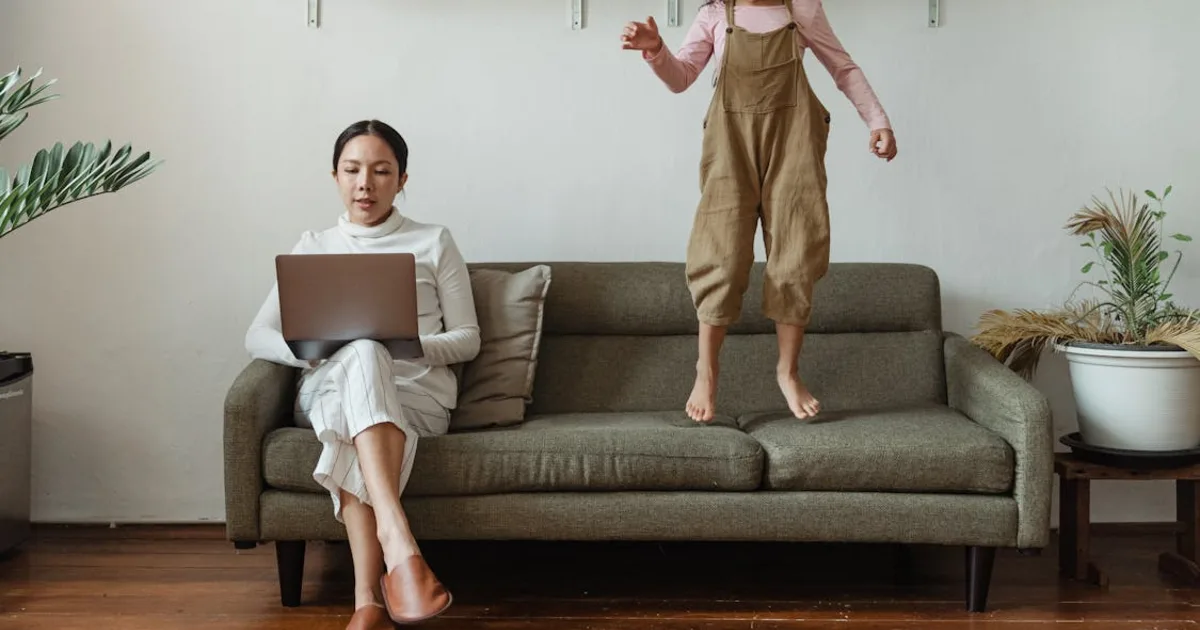
Quick answer: Tight Calf Muscles is a common foot/ankle topic that affects many patients. The 2026 evidence-based approach combines proper diagnosis, conservative-first treatment, and escalation only when needed. We treat this regularly at our Howell and Bloomfield Township practices. Call (810) 206-1402.
The most important clinical decision with Tight Calf Muscles isn’t which treatment to start with — it’s identifying the correct subtype. That changes everything. Call (810) 206-1402.
Tight Calf Muscles
Quick Answer: Tight calf muscles (gastroc-soleus contracture) — known as equinus when severe — are a leading cause of plantar fasciitis, Achilles tendonitis, knee pain, and lower back pain. The 6 main causes: prolonged sitting, high-heel shoe wear, sleeping with feet plantarflexed, lack of stretching, congenital short calves, and post-immobilization (cast or boot). The fix: 5 minutes of calf stretching morning + night (gastroc + soleus separately), a calf-stretching slant board, eccentric heel drops, and avoiding shoes with high heel-to-toe drop.
How to Test for Calf Tightness
Stand 12 inches from a wall. Place hands on wall. Step one foot back, keep it flat. If you can’t bring your knee toward the wall while keeping the back heel flat, your calf is tight. The Silfverskiöld test (knee straight vs bent) identifies whether it’s gastroc or soleus tightness or both.
The Right Way to Stretch Calves
Gastrocnemius stretch (knee STRAIGHT): wall stretch, hold 30 seconds, 3 sets, 2x per day. Soleus stretch (knee BENT): same wall position but bend the back knee slightly. Hold 30 seconds, 3 sets, 2x per day. Stretching only one defeats the purpose — both must be stretched separately.
Calf-Stretching Tools
A slant board (15-25 degree wedge) used for 1-2 minutes 3x daily creates sustained calf lengthening. The ProStretch Plus is the best podiatrist-recommended tool. Foam-rolling the calves for 60 seconds per side breaks up myofascial restrictions before stretching.
When Shoes Aren’t Enough — Dr. Tom’s Top 9 Orthotics
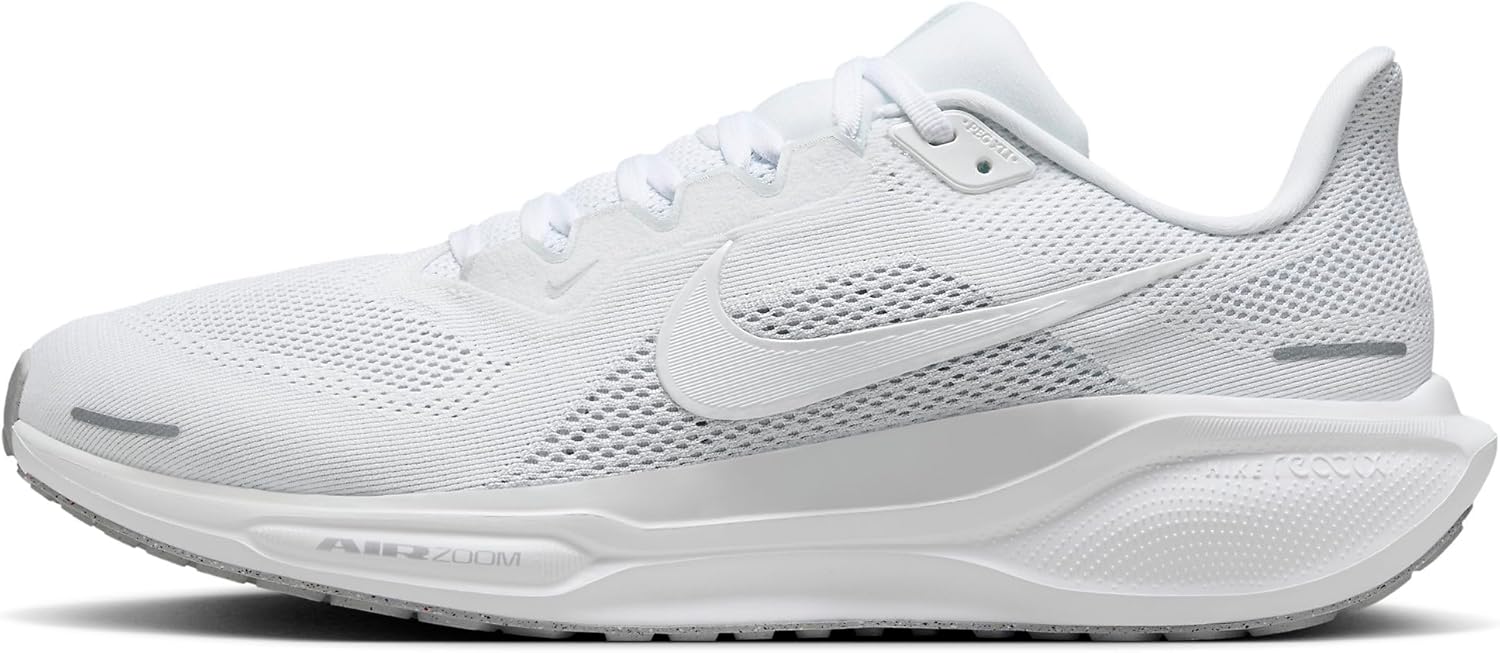
About 30% of patients I see for foot pain need MORE than a great shoe — they need a structured insole. Below: my complete 2026 orthotic ranking with pros, cons, and the specific patient I’d give each one to.




When Calf Tightness Needs Surgery
If you can’t dorsiflex your foot >5 degrees with the knee straight after 6 months of consistent stretching, you may have a fixed gastroc contracture. Gastrocnemius recession (Strayer procedure) — a 30-minute outpatient surgery — releases the tight band and resolves resistant plantar fasciitis, Achilles tendinopathy, and forefoot overload.
In-Office Treatment at Balance Foot & Ankle
If home treatment isn’t providing relief for your shin splints, our podiatry team at Balance Foot & Ankle can help with same-day evaluations and advanced in-office care.
Frequently Asked Questions
Can tight calves cause foot pain?
Yes — they’re the #1 biomechanical cause of plantar fasciitis, posterior tibial tendonitis, metatarsalgia, and Achilles tendinopathy.
How long does it take to loosen tight calves?
Mild tightness: 2-4 weeks of consistent stretching. Chronic tightness: 8-12 weeks. Fixed contracture: may need surgical release.
Are tight calves caused by walking?
Walking uses calves but doesn’t cause tightness — sitting, lack of stretching, and high heels do.
Frequently Asked Questions
When should I see a podiatrist?
If symptoms persist past 2 weeks, affect your normal activity, or are accompanied by red-flag symptoms (warmth, redness, swelling, inability to bear weight).
What does treatment cost?
Most diagnostic visits and conservative treatments are covered by Medicare and major insurers. Out-of-pocket costs vary by your specific plan.
How quickly can I get an appointment?
Most non-urgent cases see us within 5 business days. Urgent cases (sudden pain, possible fracture) typically same or next business day.
AAOS: Tight Calf Muscles and Achilles Tendon Health
Ready to Get Relief?
Same-day appointments available in Howell & Bloomfield Township, MI
4.9★ | 1,123 Reviews | 3,000+ Surgeries
Or call: (810) 206-1402

Dr. Tom Biernacki, DPM is a board-certified foot & ankle surgeon (ABFAS & ABPM) at Balance Foot & Ankle Specialists in Southeast Michigan. With over a decade of clinical experience, he specializes in heel pain, bunions, diabetic foot care, sports injuries, and minimally invasive surgery. Dr. Biernacki is a member of the APMA and ACFAS, and his patient education content on MichiganFootDoctors.com and YouTube has made him one of the most-followed foot & ankle educators on YouTube.