
Medically reviewed by Dr. Tom Biernacki, DPM
Board-certified podiatric surgeon | Balance Foot & Ankle
Last reviewed: May 2026
The most important clinical decision with Ankle Ligament Repair Brostrom Gould Modification Guide isn't which treatment to start with — it's which subtype or underlying cause you actually have. Our podiatrists regularly see patients who've been treated for months for the wrong diagnosis. The correct identification changes the entire treatment path. Call (810) 206-1402 — Dr. Tom evaluates this condition at both Howell and Bloomfield Township locations.


If your ankle keeps giving way with walking on uneven ground — or if physical therapy, bracing, and rehab have failed to restore the stability you had before your original sprain — you may be a candidate for the Broström procedure. This is one of the most reliable surgical procedures in foot and ankle surgery, and in our practice, it dramatically improves quality of life for patients who’ve been struggling with chronic ankle instability for months or years.
What Is Chronic Lateral Ankle Instability?
Chronic lateral ankle instability (CLAI) develops when the lateral ankle ligaments — primarily the anterior talofibular ligament (ATFL) and calcaneofibular ligament (CFL) — fail to heal properly after one or more ankle sprains. The ligaments remain lax or partially torn, allowing the talus to tilt excessively inward (inversion) during loading. Patients describe a feeling that their ankle “gives way” unexpectedly, particularly on uneven surfaces, stairs, or during athletic activity. CLAI is diagnosed clinically with the anterior drawer test and talar tilt test (assessing ATFL and CFL laxity) and confirmed with stress X-rays or MRI when needed.
Key takeaway: Conservative treatment — physical therapy focused on peroneal muscle strengthening, proprioception training, and functional bracing — should be completed for at least 3–6 months before considering surgery. Most patients with true CLAI who fail conservative care are excellent Broström candidates.
The Broström-Gould Procedure Explained
The modified Broström-Gould procedure repairs and reinforces the native lateral ankle ligaments rather than replacing them with a tendon graft. The surgical steps: a 4–6cm incision is made over the lateral ankle. The ATFL and CFL are identified — typically found to be attenuated, scarred, or partially torn. The ligaments are imbricated (tightened and reattached) to the fibula with suture anchors at the anatomic origin points. The Gould modification augments the repair by advancing the inferior extensor retinaculum — a strong band of connective tissue — over the repaired ligaments, adding a second layer of structural support. The repair restores the normal 15–20° of ankle inversion stability.
Recovery Timeline
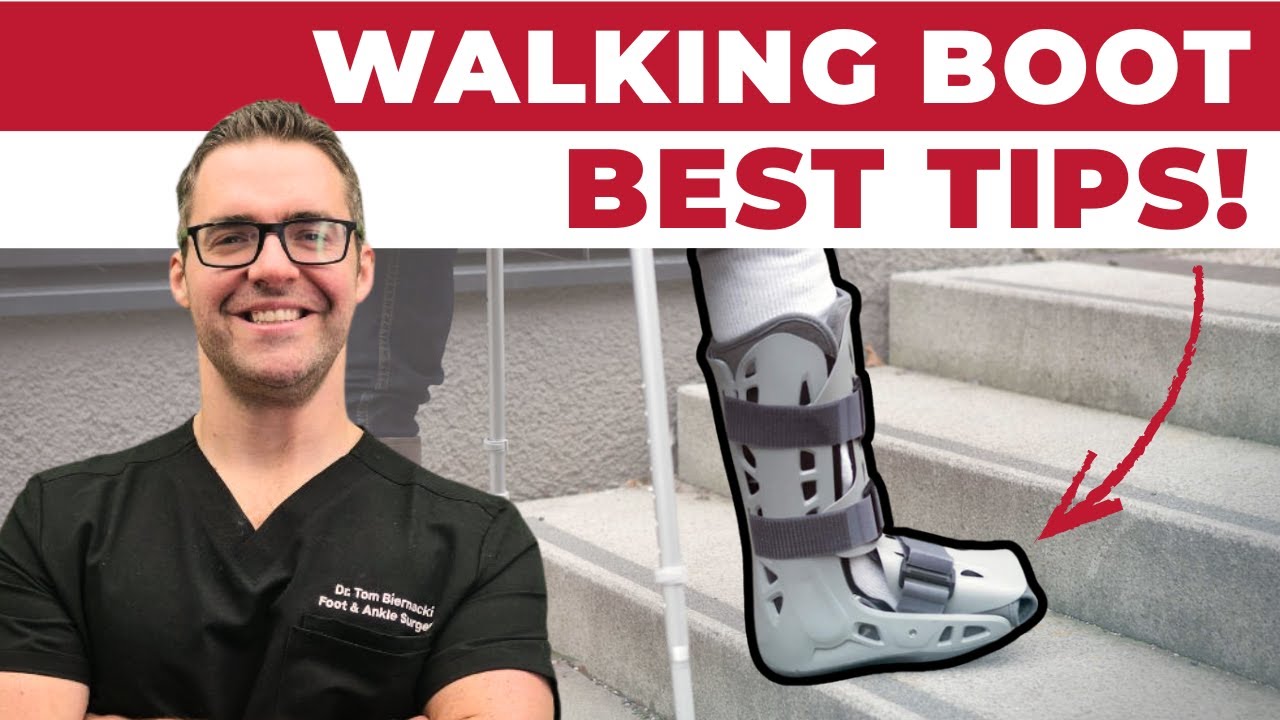
Recovery follows a well-established progression: Week 0–2: Non-weight-bearing in a splint; wound care and swelling management. Week 2–6: Progressive weight-bearing in a boot; gentle range-of-motion exercises. Week 6–12: Transition to ankle brace; begin formal physical therapy for peroneal strengthening and proprioception. Month 3–4: Return to sport-specific training with functional brace. Month 4–6: Full return to cutting sports; brace optional for high-risk activities. Patients with sedentary jobs typically return to work at 2–4 weeks. Athletes return to competition at 4–6 months.
⚠️ Signs of Post-Operative Complications to Report
- Increasing (not decreasing) pain after the first post-op week
- Numbness, tingling, or burning over the top or outside of the foot — possible sural nerve injury
- Wound that is not closing or has spreading redness/warmth
- Ankle swelling dramatically worse after beginning weight-bearing
- Fever above 101°F — possible infection
Who Is a Good Candidate?
Ideal candidates have documented CLAI on physical exam and/or imaging, minimum 3–6 months of failed conservative care, functional impairment (unable to participate in activities they want to), and reasonable general health. Patients with generalized ligamentous laxity (hypermobility syndrome), obesity significantly over the ideal range, or significant cartilage damage to the ankle may need modified surgical approaches or additional procedures.
Frequently Asked Questions
Can the Broström be done arthroscopically?
Yes — arthroscopic Broström techniques have been developed and show comparable outcomes to open repair in appropriate patients, with potentially faster recovery. We offer both open and arthroscopic approaches depending on patient anatomy and associated pathology.
What if I have osteochondral damage in addition to instability?
Associated osteochondral lesions of the talus (OLTs) can be addressed at the same surgery via arthroscopy, drilling, or microfracture — making the Broström an efficient procedure for patients with multiple lateral ankle problems.
What are the success rates?
Published success rates for the Broström-Gould procedure range from 85–95% for elimination of giving-way and return to pre-injury activity levels at 2+ year follow-up. Recurrence rates are low when rehabilitation is completed fully.
The Bottom Line
The Broström-Gould procedure is a reliable, anatomic repair for chronic lateral ankle instability that allows return to sports with high success rates. If your ankle keeps giving way despite physical therapy and bracing, schedule a surgical evaluation at Balance Foot & Ankle in Howell or Bloomfield Township, MI — call (810) 206-1402.
Ready to Get Relief?
Book online 24/7 in Howell & Bloomfield Township, MI
4.9★ | 1,200+ Reviews | 3,000+ Surgeries
Or call: (810) 206-1402
Sources
- Gribble PA, et al. Chronic ankle instability management. JOSPT. 2022.
- Viens NA, et al. Broström-Gould outcomes at 2-year follow-up. Foot Ankle Int. 2021.
- Krips R, et al. Surgical interventions for chronic ankle instability. Cochrane Review. 2020.

Dr. Tom Biernacki, DPM is a board-certified foot & ankle surgeon (ABFAS & ABPM) at Balance Foot & Ankle Specialists in Southeast Michigan. With over a decade of clinical experience, he specializes in heel pain, bunions, diabetic foot care, sports injuries, and minimally invasive surgery. Dr. Biernacki is a member of the APMA and ACFAS, and his patient education content on MichiganFootDoctors.com and YouTube has made him one of the most-followed foot & ankle educators on YouTube.