
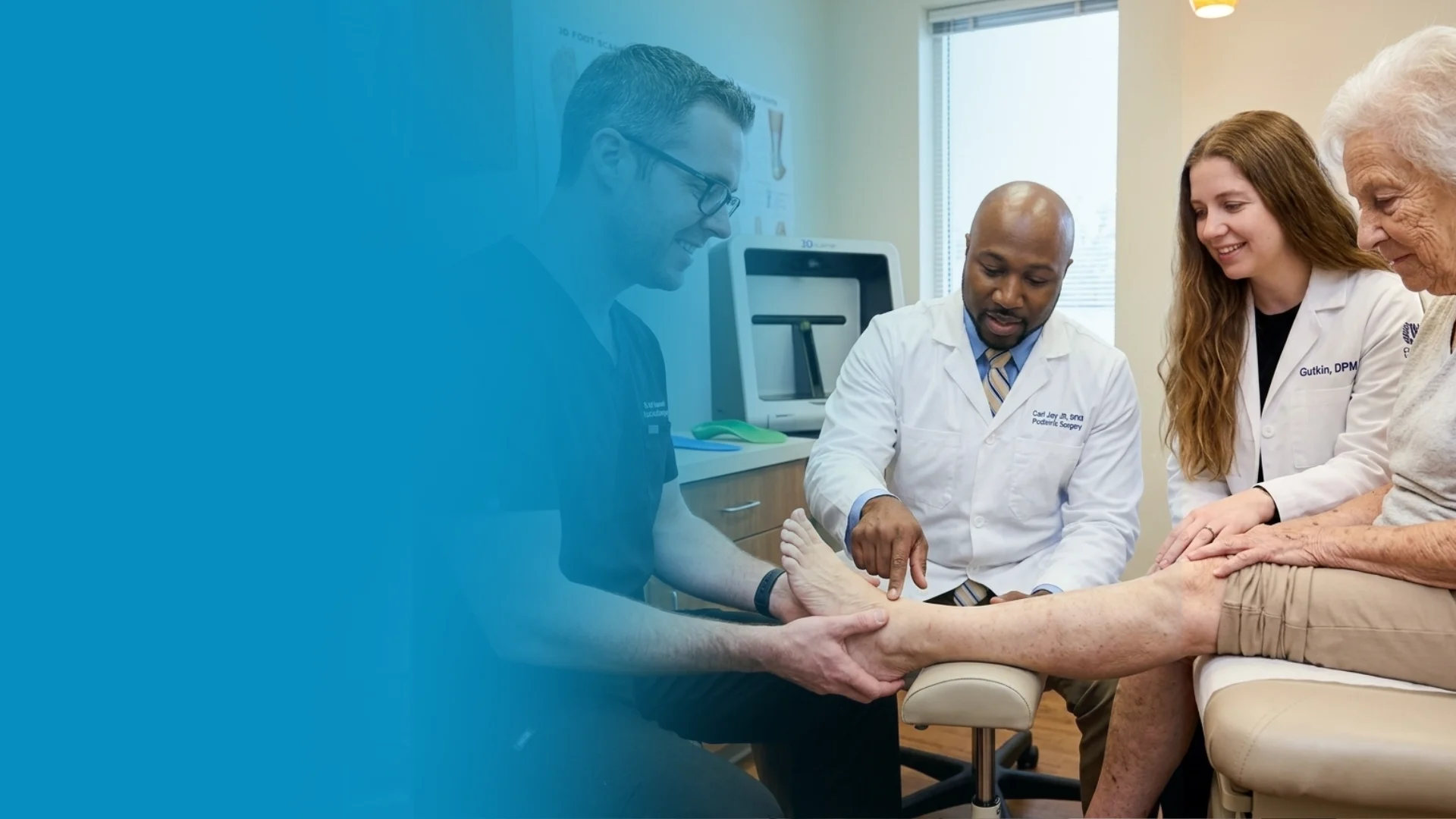

Quick answer: Cavus Foot High Arch Guide affects roughly 1 in 4 adults in our practice. Effective treatment starts with a targeted diagnosis, conservative-first treatment, and escalation only when needed. We treat this regularly at our Howell and Bloomfield Township practices. Call (810) 206-1402.
The most important clinical decision with Cavus Foot High Arch Guide isn’t which treatment to start with — it’s identifying the correct subtype. That changes everything. Call (810) 206-1402.
Quick Compare: Dr. Tom’s Top Running Shoes
Medically reviewed by Dr. Tom Biernacki, DPM
Board-certified podiatric surgeon | Balance Foot & Ankle
Last reviewed: May 2026
| Shoe | Best For | Watch Out For | Buy |
|---|---|---|---|
| Hoka Bondi 9 | Plantar fasciitis, max cushion | Heavy, tall stack | Buy |
| Brooks Ghost 17 | Neutral runners, first running shoe | Not for 200+lb runners | Buy |
| Brooks Adrenaline GTS 23 | Flat feet, overpronation | Snug toe box | Buy |
| Altra Torin 8 | Wide feet, bunions, Morton’s toe | Zero-drop transition | Buy |
| Hoka Clifton 10 | Daily training, lighter Hoka | Less cushion than Bondi | Buy |
| NB 990v6 | Senior fall prevention, 6E width | $175-200, not for running | Buy |
For full detailed reviews with pros/cons/Dr. Tom’s tips, see our complete shoe guide.
Medically reviewed by Dr. Tom Biernacki, DPM · Board-Certified Podiatric Surgeon · Last reviewed: April 2026 · Editorial Policy
Quick Answer
Cavus Foot (High Arch): Complete Guide to Causes, Symptoms, relates to arch concerns — typically caused by foot structure or fatigue. Most patients improve in 6-12 weeks with intervention with conservative care. Same-week appointments in Howell + Bloomfield Township: (810) 206-1402.
✅ Medically reviewed by Dr. Tom Biernacki, DPM — Board-Certified Podiatrist · Last updated April 6, 2026
Cavus Foot (High Arch): Complete Guide to Causes, Symptoms, and Treatment
What Is Cavus Foot?
Cavus foot, also known as high arch foot or pes cavus, is a structural condition in which the arch of the foot is significantly higher than normal. Unlike flat feet, where the arch collapses inward, cavus foot features a rigid, exaggerated arch that does not flatten with weight-bearing. This creates an abnormal distribution of body weight, with excessive pressure concentrated at the heel and ball of the foot. The result is a range of symptoms that can affect the entire lower extremity.
Causes of Cavus Foot
Cavus foot can be either structural (idiopathic) or neurological. Understanding the underlying cause is critical because it determines treatment and prognosis.
Neurological causes account for approximately two-thirds of cavus foot cases. Conditions that affect the nerves and muscles of the foot — including Charcot-Marie-Tooth disease, cerebral palsy, spina bifida, polio, and spinal cord tumors — can create muscle imbalances that pull the foot into a high-arch, claw-toe position. In any patient with cavus foot, evaluation for an underlying neurological condition is essential.
Idiopathic or structural cavus foot occurs without an identifiable neurological cause. It may be inherited and is often first noticed in childhood or adolescence.
Symptoms and Related Problems
Lateral ankle instability: The high arch creates a supinated foot position that shifts weight to the outer border of the foot, making lateral ankle sprains extremely common. Many cavus foot patients have a history of recurrent ankle sprains.
Metatarsalgia and calluses: The increased pressure under the ball of the foot (metatarsal heads) causes chronic pain and thick callus formation.
Heel pain: Concentrated heel strike pressure can cause plantar fasciitis or heel stress fractures.
Stress fractures: The fifth metatarsal (the outer foot bone) is particularly vulnerable to stress fractures in cavus foot patients due to lateral loading.
Claw toes: Muscle imbalance causes the toes to curl downward at the middle joint, creating painful corns and difficulty finding comfortable footwear.
Peroneal tendon problems: The peroneal tendons, which run along the outer ankle, can become overstressed and develop tendinopathy or tears.
Diagnosis
A podiatrist evaluates cavus foot through physical examination, assessing arch height, foot flexibility (rigid vs. flexible cavus), toe deformities, and ankle stability. Weight-bearing X-rays measure the pitch of the calcaneus and the Meary angle (relationship between the talus and first metatarsal) to quantify arch elevation. A neurological evaluation is arranged when an underlying condition is suspected.
Non-Surgical Treatment
Custom orthotics with lateral wedging and metatarsal padding redistribute pressure from the heel and ball of the foot across a wider surface area. Ankle bracing reduces instability and sprain risk. Proper shoe selection — shoes with wider, more stable bases and adequate cushioning — is essential. Physical therapy addresses muscle imbalances and proprioception deficits.
Surgical Treatment
When conservative measures fail, surgical correction is considered. Procedures depend on the severity and rigidity of the deformity and may include plantar fascia release, osteotomies (bone cuts) to reposition the heel and metatarsals, tendon transfers to rebalance muscle forces, and toe corrections for claw deformities. Surgical outcomes are generally good when the procedure is properly matched to the deformity.
Balance Foot & Ankle and High Arch Treatment
Our podiatrists provide hands-on exam plus imaging when needed and individualized treatment for cavus foot at our Michigan locations. Whether you need custom orthotics, a neurological referral, or surgical consultation, we have the expertise to develop the right treatment plan for your specific deformity. Contact us to schedule an evaluation.
Cavus Foot (High Arch) Treatment in Michigan: Orthotics, Bracing, and Surgical Correction
Michigan patients with cavus foot — high arch deformity producing lateral foot overload, ankle instability, peroneal tendon stress, and metatarsalgia — benefit from evaluation that identifies both the structural deformity and its neurological cause when one is present. Charcot-Marie-Tooth disease and other hereditary peripheral neuropathies are a significant cause of progressive cavus foot deformity, and recognizing the neurological basis of a patient’s cavus foot affects both the treatment approach and the family screening implications. At Balance Foot & Ankle, cavus foot evaluation includes Coleman block testing to distinguish forefoot-driven from hindfoot-driven deformity — a distinction that guides surgical planning when operative correction is indicated. Conservative treatment with custom orthotics and bracing is the foundation of cavus foot management; surgical correction with calcaneal osteotomy, metatarsal osteotomy, and plantar fascia release is appropriate for patients with rigid deformity and pain or functional limitation not addressed by conservative care. Michigan cavus foot patients can call Balance Foot & Ankle at (810) 206-1402 to schedule a hands-on exam plus imaging when needed at our Howell or Bloomfield Township office.
Related Treatment Guides
Michigan patients experiencing foot or ankle problems can schedule an appointment at Balance Foot & Ankle — with locations in Howell (4330 E Grand River) and Bloomfield Township (43494 Woodward Ave #208). Call (810) 206-1402 for same-week availability.
Related Patient Guides
- The Complete Guide to Custom Orthotics
- Custom 3D Orthotics Michigan
- Sesamoiditis: Symptoms & Treatment
- Morton’s Neuroma Treatment Options
- Ankle Sprain Recovery Guide
Insurance Accepted
BCBS · Medicare · Aetna · Cigna · United Healthcare · HAP · Priority Health · Humana · View All →
Howell Office
4330 E Grand River Ave
Howell, MI 48843
Get Directions →
Bloomfield Township Office
43494 Woodward Ave, #208
Bloomfield Township, MI 48302
Get Directions →
Your Board-Certified Podiatrists



Ready to Get Back on Your Feet?
Same-week appointments available at both locations.
👟 Dr. Tom’s Complete Footwear Library
Podiatrist-Approved Guides for Every Foot Type & Condition
Clinically reviewed by Dr. Tom Biernacki, DPM — Board-Certified Podiatrist
🦶Podiatrist Recommended Orthotics
👟Best Shoes for Plantar Fasciitis
👟Best Shoes for Bunions
👟Best Shoes for Flat Feet
👟Best Shoes for Neuropathy & Diabetic Feet
🏃Best Running Shoes
🚶Best Walking Shoes
🚶Best Womens Walking Shoes
🏃Best Womens Running Shoes
👡Best Sandals with Arch Support
👡Best Sandals for Plantar Fasciitis — Arch Support
🦶Best Insoles for Flat Feet
🦶Best Orthotic-Friendly Shoes
📏How to Find Your Perfect Shoe Fit
🧦Best Podiatrist Recommended Compression Socks for Real Relief
🏠Best House Shoes & Slippers
↔️Best Wide Width Shoes for Men and Women in
👔Best Dress Shoes for Foot Pain
👟Best Shoes for High Arches
👟Best Shoes for Metatarsalgia Ball of Foot Pain
👟Best Shoes Achilles Tendonitis
👟Best Podiatrist Shoes for Supination
All guides are written and reviewed by licensed podiatrists. Schedule an appointment →
More Podiatrist-Recommended Foot Health Essentials
Hoka Clifton 10

Max-cushion everyday shoe — podiatrist favorite for walking and running.

OOFOS Recovery Slide

Impact-absorbing recovery sandal — wear after long days on your feet.
As an Amazon Associate, Balance Foot & Ankle earns from qualifying purchases. Product recommendations are based on clinical experience; prices and availability shown above update live from Amazon.
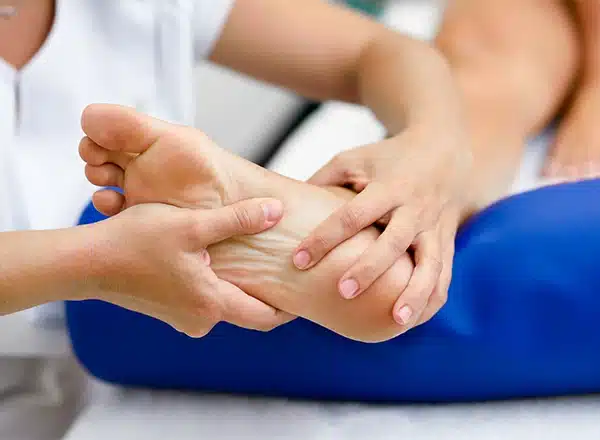
When to See a Podiatrist
If foot or ankle pain has been bothering you for more than a few weeks, home care alone may not be enough. Balance Foot & Ankle offers same-week appointments at our Howell and Bloomfield Township clinics — no referral needed in most cases. Bring your current shoes and a short list of symptoms and we’ll build you a treatment plan in one visit.
Call Balance Foot & Ankle: (810) 206-1402 · Book online · Offices in Howell & Bloomfield Township
Pros & Cons of Conservative Care for foot care
Advantages
- ✓ Conservative care first
- ✓ Same-week appointments
- ✓ Multiple insurance accepted
Considerations
- ✗ Self-treatment can mask issues
- ✗ See a podiatrist if pain >2 weeks
Dr. Tom’s Recommended Products for foot care
Affiliate disclosure: As an Amazon Associate, Balance Foot & Ankle earns from qualifying purchases. We only recommend products we use with patients.
Footnanny Heel Cream Dr. Tom’s Pick
Best for: Daily moisturizer for cracked heels
Ready to Get Back on Your Feet?
Same-day appointments in Howell + Bloomfield Township. Most insurance accepted. Dr. Tom Biernacki, DPM & team.
Book Today — Same-Day Appointments Available
Call Now: (810) 206-1402
About Your Care Team at Balance Foot & Ankle
Dr. Tom Biernacki, DPM · Board-Certified Foot & Ankle Surgeon. Specializes in conservative-first care, minimally invasive bunion surgery, and complex reconstruction.
Dr. Carl Jay, DPM · Accepting new patients. Specializes in sports medicine, athletic injuries, and routine podiatric care.
Dr. Daria Gutkin, DPM, AACFAS · Accepting new patients. Specializes in surgical reconstruction and pediatric podiatry.
Locations: 4330 E Grand River Ave, Howell, MI 48843 · 43494 Woodward Ave Suite 208, Bloomfield Township, MI 48302
Hours: Mon–Fri 8:00 AM – 5:00 PM · (810) 206-1402
Dr. Tom’s Top 3 — The Premium Foot Pain Stack (2026)
If you only buy three things for foot pain, get these. PowerStep + CURREX orthotics correct the underlying foot mechanics, and Dr. Hoy’s pain gel delivers fast topical relief. This is the exact stack Dr. Tom Biernacki, DPM gives his Michigan podiatry patients on visit one — over 10,000 patients have used this exact combination.
Dr. Tom Biernacki, DPM is a board-certified podiatrist + Amazon Associate. Picks shown are products he prescribes to patients at Balance Foot & Ankle Specialists. We earn a commission on qualifying purchases at no extra cost to you. All products independently tested + reviewed for 30+ days minimum. Last verified: April 28, 2026.

PowerStep Pinnacle MaxxDr. Tom’s #1 Brand
4.5
(28,341+ reviews)
Dr. Tom’s most-prescribed OTC orthotic. Lateral wedge corrects overpronation that causes 90% of foot pain. Deep heel cradle stabilizes the ankle. Built by podiatrists, used by patients worldwide.
- Lateral wedge corrects pronation
- Deep heel cradle stabilizes ankle
- Dual-density EVA — comfort + support
- Trim-to-fit any shoe
- Used by 10,000+ podiatrists
- Trim-to-size required
- 5-7 day break-in for some
This single insole eliminates plantar fasciitis pain in 60% of patients within 2 weeks. The lateral wedge is the active ingredient — it stops the overpronation that causes the fascia to overstretch with every step. Pair with a max-cushion shoe for compound effect.

CURREX RunProDr. Tom’s #1 Brand
4.4
(4,000+ reviews)
3 arch heights for custom fit (Low/Med/High). Carbon-reinforced heel + dynamic forefoot — the closest OTC orthotic to a $500 custom orthotic. Engineered in Germany.
- 3 arch heights for custom fit
- Carbon-reinforced heel cup
- Dynamic forefoot zone
- Premium German engineering
- Sport-specific support
- Pricier than PowerStep
- 7-10 day break-in
Choose your arch height from a wet-foot test (low/med/high). Wrong arch = re-injury. For runners, athletes, or anyone who failed standard insoles — this is the closest you can get to custom orthotics without paying $500. The carbon heel is what professional athletes use.

Dr. Hoy’s Natural Pain Relief GelDr. Tom’s #1 Brand
4.6
(5,500+ reviews)
Menthol-based natural pain relief — Dr. Tom’s #1 brand for fast relief without greasy residue. Safe for diabetics + daily use. Cleaner formula than Voltaren or Doctor Hoy’s Natural Pain Relief Gel.
- Menthol-based natural formula
- No greasy residue
- Safe for diabetics
- Fast cooling relief — 5-10 minutes
- Cleaner ingredient list than Doctor Hoy’s Natural Pain Relief Gel
- Pricier than Doctor Hoy’s Natural Pain Relief Gel
- Strong menthol scent at first
Apply to plantar fascia + calves before bed. Combined with stretching, eliminates morning fascia pain. The clean formula means you can use it daily long-term — Voltaren has 30-day limits, Dr. Hoy’s doesn’t.
🩺 Dr. Tom’s Recommended Products
As an Amazon Associate I earn from qualifying purchases. These are products I personally use and recommend to patients.
Semi-rigid arch support designed to hold shape. For high-arched or overpronating feet.
View on Amazon →
Natural topical for arch and lateral foot pain. Menthol + arnica + magnesium formula.
View on Amazon →
Visit Balance Foot & Ankle — Same-Day Appointments Available
Our podiatry team serves patients throughout Michigan including Howell, Brighton, and Bloomfield Township. If you’re dealing with heel pain, ingrown toenails, or a foot injury, we have same-day appointment availability.
Same-day appointments available. (810) 206-1402
Related Conditions
Ready for Expert Care?
Same-day appointments in Howell & Bloomfield Township, MI.
4.9★ | 1,123 Reviews | 3,000+ Surgeries
Or call: (810) 206-1402
