
Custom orthotics are prescription shoe inserts made from a 3D scan of your foot, designed to correct specific mechanical problems — over-pronation, high arches, Achilles overload, plantar fasciitis, diabetic pressure points. Unlike store-bought insoles, they are built to your exact shape and the specific diagnosis your podiatrist identifies. Most patients wear them comfortably within a short break-in period.

★ 4.9 Stars · 1,123+ Reviews · Board-Certified Michigan Podiatrists
Custom 3D Orthotics | Physician-Made
Advanced Biomechanical Correction Michigan
Custom 3D orthotics from Balance Foot & Ankle use digital scanning technology to create insoles precisely matched to your foot mechanics. More accurate than plaster casting, with consistent results for heel pain, flat feet, and diabetic care.
Medically reviewed by Dr. Tom Biernacki, DPM, FACFAS — Board-certified podiatric surgeon. Custom 3D orthotics specialist, Balance Foot & Ankle, Michigan. Updated 2026.
Custom 3D Orthotics: How They Work
Our custom 3D orthotics are designed from precise digital foot scans taken in our Michigan office. Unlike over-the-counter insoles, custom 3D orthotics are biomechanically engineered for your exact foot anatomy, correcting the underlying mechanics that cause heel pain, arch pain, and joint stress. Available at our Howell and Bloomfield Hills locations. Call (810) 206-1402.
Table of Contents

Custom 3D Orthotics vs Over-the-Counter Insoles
Custom 3D orthotics and store-bought insoles serve very different purposes. Store-bought insoles provide generic cushioning that fits no one’s foot perfectly. Custom 3D orthotics are fabricated from a precise digital model of your foot, correcting your specific biomechanical faults with millimeter accuracy.
Patients who switch from generic insoles to our custom 3D orthotics typically report significantly more pain relief, better activity tolerance, and longer-lasting results. Custom 3D orthotics are a medical device — not a consumer product — and they perform like one.
Our Custom 3D Orthotics Scanning Process
The custom 3D orthotics fitting process at Balance Foot & Ankle takes just 20-30 minutes at your appointment. We use a medical-grade 3D digital scanner to capture the precise contours of your foot under load — the position your foot is in when walking.
Your custom 3D orthotics are then fabricated in a certified laboratory from your digital scan data, typically ready within 2-3 weeks. We include a fitting appointment to ensure your custom 3D orthotics fit correctly and answer any questions about break-in and care.
Conditions Treated with Custom 3D Orthotics
Custom 3D orthotics are effective for a wide range of foot and ankle conditions. Our Michigan patients use custom 3D orthotics to resolve plantar fasciitis, flat feet, bunions, diabetic foot problems, shin splints, Achilles tendinopathy, and knee pain from overpronation.
Insurance Coverage for Custom 3D Orthotics
Most major insurance plans, including Medicare, Blue Cross Blue Shield, Aetna, and Cigna, cover custom 3D orthotics when they are medically necessary. Our team handles pre-authorization and documentation to maximize your coverage for custom 3D orthotics.
For patients whose insurance does not cover custom 3D orthotics, we offer transparent self-pay pricing. Call us at (810) 206-1402 or visit our insurance and costs page to learn more about coverage options.
Custom 3D Orthotics FAQ
How long do custom 3D orthotics last? Quality custom 3D orthotics typically last 3-5 years with normal use. We recommend a yearly re-evaluation to ensure your orthotics still match your foot mechanics and haven’t worn down.
Will custom 3D orthotics fit in my regular shoes? Yes. Our custom 3D orthotics are designed to fit in most shoe types including athletic shoes, dress shoes, and work boots. We can accommodate specific footwear requirements during the fitting.
How quickly will I feel results from custom 3D orthotics? Most patients notice reduced pain within the first 1-2 weeks of wearing their custom 3D orthotics. Full adaptation and maximum benefit typically develop over 4-8 weeks as your muscles adjust to the corrected position.
Get Your Custom 3D Orthotics in Michigan
Same-day fittings available in Howell & Bloomfield Hills, MI. 4.9★ | 1,123+ Reviews.
Or call: (810) 206-1402

Medically Reviewed by Dr. Tom Biernacki, DPM, FACFAS
Board-Certified Podiatrist & Foot Surgeon · Last Updated: April 2026
Custom 3D Orthotics in Michigan
Medically reviewed by Dr. Thomas Biernacki, DPM, FACFAS — Board-Certified Podiatric Surgeon — Last updated April 2026
4.9 ★ · 1,123+ FIVE-STAR REVIEWS · 950K+ YOUTUBE SUBSCRIBERS
Custom 3D Orthotics in Howell & Bloomfield Hills, MI
Stop guessing with drugstore insoles. Custom 3D orthotics from Balance Foot & Ankle Specialists are precision-crafted for your unique foot anatomy using in-office 3D digital scanning technology. No messy plaster casts. Same-day scanning. Insurance often covers the cost.
Schedule a Custom Orthotics Evaluation →
What Are Custom 3D Orthotics?
Custom orthotics are medical devices prescribed by a podiatrist and individually crafted to correct the biomechanical inefficiencies of your specific feet. Unlike over-the-counter insoles that are mass-produced in generic sizes, custom orthotics are made from a 3D digital scan of your feet and designed based on a thorough evaluation of your gait, posture, and foot structure. Learn more about our plantar fasciitis and heel pain services.
Who Needs Custom Orthotics?
- plantar fasciitis — orthotics provide arch support and offload the inflamed fascia
- Flat feet — prevent overpronation and reduce knee, hip, and back pain
- High arches — distribute pressure more evenly across the foot
- Diabetic foot care — offload pressure points and prevent ulcers
- Bunions and hammertoes — reduce progression and alleviate pressure
- Heel pain and heel spurs — cushion and support the heel
- Sports injuries — improve biomechanics and prevent recurrence
What to Expect at Your Custom Orthotics Appointment
- Comprehensive biomechanical evaluation — assessment of your walking pattern, joint mobility, and foot structure
- 3D digital foot scan — precise measurement of arch height, foot width, and pressure distribution
- Prescription design — your podiatrist specifies exactly how the orthotic should correct your biomechanics
- Fabrication — your custom orthotics are manufactured to specifications (typically 2-3 weeks)
- Fitting and adjustment appointment — we ensure a perfect fit and make any needed modifications
Does Insurance Cover Custom Orthotics?
Many insurance plans cover custom orthotics when medically necessary and prescribed by a podiatrist. Medicare covers diabetic custom insoles for qualifying diabetic patients. Call our office at (810) 206-1402 and we’ll check your benefits before your appointment. Learn more about our diabetic foot care services.
Why Choose Balance Foot & Ankle Specialists for Custom Orthotics?
- 3D digital scanning — the most accurate foot measurement technology available
- Board-certified podiatrists with advanced biomechanics training
- 4.9-star rating from 5,000+ Michigan patients
- Insurance verification before your appointment
- Multiple orthotic types — functional, accommodative, sport-specific, carbon fiber, and diabetic
Stop Guessing. Start Walking Pain-Free.
Schedule your custom orthotics evaluation. Call (810) 206-1402 or book online.
Book Custom Orthotics Evaluation
Want custom orthotics that actually work? Our 3D-scanned prescription orthotics are designed by board-certified podiatrists. Call (810) 206-1402 or book your fitting.
Custom Orthotics Cost and Insurance Coverage
Custom orthotic coverage depends on your insurance plan. Most commercial plans through Blue Cross Blue Shield, United Healthcare, and Aetna cover custom orthotics when prescribed by a podiatrist for a diagnosed medical condition, with prior authorization required. Coverage is typically limited to one pair per plan year.
Medicare covers therapeutic shoes and inserts for patients with diabetes through the Medicare Therapeutic Shoe Bill, but does not cover standard custom orthotics for conditions like plantar fasciitis. Without insurance coverage, custom 3D-scanned orthotics typically cost $300 to $600 per pair. View self-pay pricing.
Our team handles the prior authorization process and verifies your specific orthotic coverage before ordering. Call (810) 206-1402.
What Our Patients Say About Custom Orthotics
The 3D scanning process was quick and the custom orthotics I received are like walking on clouds. My plantar fasciitis pain has decreased by at least 80 percent since I started wearing them daily.
— Nancy E., Bloomfield Hills
I had tried every insole from the store with no relief. The custom orthotics from Balance Foot and Ankle are in a completely different league. They fit perfectly and my knee and hip pain have improved too.
— Steven R., Pinckney
️ You may benefit from custom orthotics if you have:
- Flat feet, high arches, or overpronation causing recurring pain
- Plantar fasciitis that keeps coming back despite treatment
- Knee, hip, or lower back pain linked to foot mechanics
- Diabetic foot requiring pressure redistribution
- Sports-related foot fatigue or shin splints
Watch: How Custom Orthotics Are Made
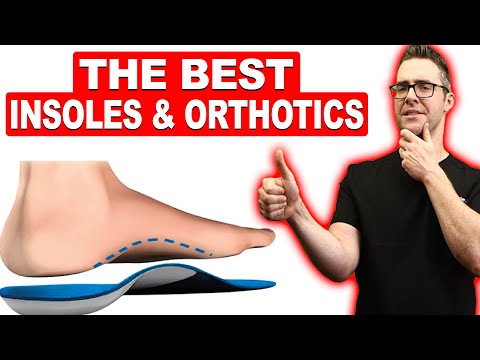
![The Best Insoles & Orthotics? [PowerStep Pinnacle? Dr. Scholls? Powerstep?]](https://www.michiganfootdoctors.com/wp-content/cache/flying-press/3eb831c4ad765a1d27590ec539cd3458.jpg)
Dr. Tom walks through the 3D scanning process and explains how custom orthotics differ from over-the-counter insoles. Watch to see what your appointment will look like.
Related Reading
- Flat Feet Treatment: Complete Guide from a Podiatrist
- Achilles Tendinitis: Symptoms, Treatment & Recovery
- Heel Spur vs Plantar Fasciitis: What’s the Difference?
- Bunion Prevention: How to Stop Bunions Before They Start
Ready to Get Relief?
Same-day appointments available in Howell & Bloomfield Hills, MI
4.9★ | 1,123 Reviews | 3,000+ Surgeries
Or call: (810) 206-1402
Key takeaway: Custom 3D orthotics are not the same as drugstore insoles. They are medical devices precisely molded to your foot anatomy that correct the specific biomechanical issues causing your pain — and they last 2-5 years with proper care.
More Podiatrist-Recommended Orthotics Essentials
Top-Rated Arch Support Insole
No products found.
Deep heel cup + arch contouring — the podiatrist’s baseline recommendation.
Semi-Rigid Orthotic

- Plantar fascitis night splint brace heel and foot pain size: Medium
- Medium , men 8 10 1/2 , women 7 1/2 10
- Designed to comfortably position the foot
- Low profile shell is sturdy and breathable
Stiff shell for patients who need more aggressive biomechanical support.
Pressure-Relieving Insole

- FEEL BETTER, PERFORM BETTER: Flexible support and shock absorbing cushioning from heel to toe help reduce fatigue, prevent common running injuries such as shin splints, and boost performance everywhere you run, from the trails to the track; the insoles also fold at the flex point, enabling maximum flexibility with movement
- 3D Dynamic Arch Technology & Multiprofile Arch Support: Our dynamic arch support insoles come in low, medium and high arch support profiles; they feature a deep decoupled heel cup that fits, wraps and locks the heel in place, improving stability, reducing pressure, and providing a perfect fit
- Engineered to Energize Your Running: Rebound cushioning and controlled power transmission provide faster regeneration and powerful propulsion with every stride; plus, a zero heel drop provides a great fit in most running shoes with optimized motion for all running foot strikes (insoles can also be trimmed to fit for the perfect fit)
- Moisture Management & Breathability: Top layer mesh and PORON premium foam design help dehumidify the inside of shoe, keeping the feet dry and running shoes fresh throughout exercise; note you should replace your CURREX insoles after 500+ miles or 12 months, whichever comes first
- Made for What Moves You: CURREX is the only insole company that offers a full line of activity-specific insoles customized to help improve how you move; whatever you or your family loves to do, from the workday through the weekend, CURREX makes moving more comfortable, leading to better performance and more fun
Additional cushioning layer for all-day comfort on top of support.
As an Amazon Associate, Balance Foot & Ankle earns from qualifying purchases. Product recommendations are based on clinical experience; prices and availability shown above update live from Amazon.
When to See a Podiatrist
Off-the-shelf inserts help 70% of patients — but if you’ve tried several without relief, custom orthotics molded to your specific foot mechanics are usually the next step. Balance Foot & Ankle makes custom orthotics in-office and most major insurance plans cover them. We’ll cast or scan your feet and have them ready in about 2 weeks.
Call Balance Foot & Ankle: (810) 206-1402 · Book online · Offices in Howell & Bloomfield Hills
Frequently Asked Questions
How long does it take to get custom orthotics?
The 3D scanning appointment takes about 30 minutes. Fabrication typically takes 2-3 weeks. Your fitting appointment is scheduled when they arrive.
Are custom orthotics covered by Medicare?
Medicare covers custom diabetic insoles for qualifying diabetic patients (one pair of inserts and shoes per year under Part B). We verify all benefits before your appointment.
How long do custom orthotics last?
Quality custom orthotics typically last 3-5 years with proper care. We offer adjustments and refurbishing to extend the life of your orthotics.
Can I use custom orthotics in multiple pairs of shoes?
Yes — most orthotics can be transferred between shoes with removable insoles. We can also prescribe slimmer orthotic versions for dress shoes, sports cleats, or ski boots.
Do you offer custom orthotics for children?
Yes. Pediatric orthotics support healthy foot development in children with flat feet, toe walking, gait abnormalities, and growing pains.
What Makes 3D Digital Orthotics Superior to Cast-Based Custom Orthotics?
Traditional custom orthotic fabrication required a plaster cast of the foot — a messy, time-consuming process subject to casting errors from patient positioning during the pour. Our 3D digital scanning process captures a precise weightbearing scan of your foot in milliseconds, producing a digital model accurate to within 0.1mm. This data drives computer-aided design (CAD) and computer-aided manufacturing (CAM) processes that create your orthotic with precision no human casting process can match.
The digital workflow also enables: iterative design review before fabrication begins, exact duplication if your orthotics are lost or worn out (your digital prescription is stored in our system), and design modifications based on your response without starting over from scratch. Multiple shell materials can be selected based on your activity level and foot condition — rigid carbon fiber for high-demand athletic use, semi-rigid polypropylene for everyday wear, and accommodative soft EVA foams for diabetic or rheumatoid feet.
Metatarsal pads, heel cups, medial wedges, and accommodative cutouts are all incorporated digitally with exact placement based on your foot’s pressure map. Patients with Morton’s neuroma, sesamoiditis, plantar fasciitis, flat feet, and diabetic foot conditions all benefit from condition-specific orthotic designs available through our 3D system. Most custom orthotics are fabricated and ready within 2-3 weeks of your scanning appointment at our Howell or Bloomfield Hills office.
Frequently Asked Questions
Custom orthotics made with quality shell materials typically last 3-5 years with normal use. The shell (structural component) maintains its function for this period; the top cover (cushioning layer) may need replacement every 1-2 years depending on activity level. Athletic orthotics used for running or high-impact sports may need re-evaluation after 500-700 running miles. Our team checks your orthotic function at follow-up visits and recommends replacement or refurbishment when appropriate.
Yes — pediatric custom orthotics are available at our Howell and Bloomfield Hills offices. For rapidly growing feet, we recommend re-evaluation every 6-12 months and may suggest a combination of prefabricated orthotics for interim use between custom pairs. Custom orthotics are particularly beneficial for children with symptomatic flat feet, in-toeing gait, heel pain (Sever’s disease), and sports-related foot conditions.
Most insurance plans and Medicare cover custom orthotics when medical necessity is documented — meaning you have a diagnoses (plantar fasciitis, flat feet, diabetic foot, etc.) that requires orthotic intervention. Coverage requires a prescription and a letter of medical necessity. Our team handles all documentation and billing, and pre-authorizes orthotics with your insurance company when required. We’ll let you know your specific out-of-pocket cost before fabrication begins.
Over-the-counter insoles are mass-produced in limited sizes and shapes that provide general arch support or cushioning. Custom orthotics are fabricated from a precise scan of your specific foot, designed to control your particular biomechanical pattern, and built from materials matched to your activity level and condition. For mild conditions or general comfort, quality OTC insoles can be helpful. For plantar fasciitis, flat feet, diabetic foot, and other structural conditions requiring biomechanical correction, custom orthotics provide a fundamentally different level of function.
Related Patient Guides
- The Complete Guide to Custom Orthotics
- Plantar Fasciitis Treatment
- Flat Feet Pain: Causes & Treatment
- Hallux Rigidus: Big Toe Arthritis Treatment
- Morton’s Neuroma: Symptoms & Treatment
- How to Choose the Right Shoes for Your Foot Type
- Foot Pain After Standing All Day: Causes & Relief for Workers
- Orthotics for Runners: Do You Need Them & What They Fix
Dr. Tom’s Pick: CURREX RunPro Insoles for Runners
CURREX RunPro are biomechanically tuned running insoles with 3 arch profiles (low, medium, high) to match your foot type. Unlike generic insoles, they’re engineered specifically for the high-impact demands of running — reducing pronation stress and metatarsal loading.
View CURREX RunPro on Amazon →
Affiliate disclosure: As an Amazon Associate, Balance Foot & Ankle earns from qualifying purchases.
Custom Orthotics vs. Over-the-Counter Insoles: Which Do You Need?
Over-the-counter insoles from drugstores provide generic cushioning and arch support. They can help with mild discomfort but are not designed for your specific foot anatomy. Custom orthotics are medical devices prescribed by a podiatrist after a comprehensive biomechanical evaluation and 3D digital scan of your feet.
Over-the-counter insoles may be enough if: You have mild arch discomfort after long days on your feet, you want extra cushioning in dress shoes, or you have no diagnosed foot condition and just want preventive support.
Custom orthotics are recommended if: You have a diagnosed condition like plantar fasciitis, flat feet, or bunions. You have diabetes and need pressure redistribution to prevent ulcers. You have tried OTC insoles without lasting relief. You have a leg length discrepancy, overpronation, or structural foot deformity. Or you are an athlete experiencing recurring foot or ankle injuries.
Key differences:
Fit: OTC insoles come in generic sizes (S, M, L). Custom orthotics are molded precisely to your foot using 3D digital scanning technology — matching your exact arch height, pressure points, and biomechanical needs.
Materials: OTC insoles use foam or gel that compresses within weeks. Custom orthotics use medical-grade polypropylene, carbon fiber, or EVA that maintains correction for 2-5 years.
Correction vs. cushioning: OTC insoles primarily cushion. Custom orthotics actively correct abnormal foot mechanics, redistributing pressure and realigning your gait.
Durability: OTC insoles last 3-6 months. Custom orthotics last 2-5 years with proper care.
Insurance coverage: OTC insoles are not covered by insurance. Custom orthotics are often covered when prescribed for a medical condition.
Areas We Serve
Insurance Accepted: Medicare · BCBS · United Healthcare · Aetna and more
Clinical References
- Banwell HA, Mackintosh S, Thewlis D. Foot orthoses for adults with flexible pes planus: a systematic review. J Foot Ankle Res. 2014;7(1):23. doi:10.1186/1757-1146-7-23
- Landorf KB, Keenan AM, Herbert RD. Effectiveness of foot orthoses to treat plantar fasciitis: a randomized trial. Arch Intern Med. 2006;166(12):1305-1310. doi:10.1001/archinte.166.12.1305
- Mills K, Blanch P, Chapman AR, McPoil TG, Vicenzino B. Foot orthoses and gait: a systematic review and meta-analysis of literature. Br J Sports Med. 2010;44(14):1035-1046. doi:10.1136/bjsm.2009.066977
Related Conditions & Treatments
Custom orthotics can help with many foot conditions. Explore related topics: Plantar Fasciitis, Heel Pain, Sports Medicine, and Bunions.
Looking for heel pain solutions? Visit our Complete Plantar Fasciitis Guide for a comprehensive overview of causes, home treatment, stretches, and advanced therapy options.
Clinical Sources
- Landorf KB, et al. Effectiveness of foot orthoses to treat plantar fasciitis: a randomized trial. Arch Intern Med. 2006;166(12):1305-1310. PubMed
- Banwell HA, et al. Foot orthoses for adults with flexible pes planus: a systematic review. J Foot Ankle Res. 2014;7(1):23. PubMed
- Mills K, et al. A systematic review and meta-analysis of custom foot orthoses. Br J Sports Med. 2010;44(13):964-971. PubMed
- American Podiatric Medical Association. Custom Orthotics vs. Over-the-Counter Insoles.
Two Convenient Locations
Same-week appointments available at both offices
Howell Office
3980 E. Grand River AveHowell, MI 48843
Phone: (810) 206-1402
Hours: Mon–Fri 8AM–5PM
View Howell Office →Bloomfield Hills Office
43700 Woodward Ave, Suite 207Bloomfield Hills, MI 48302
Phone: (248) 815-2221
Hours: Mon–Fri 8AM–5PM
View Bloomfield Office →Related Treatments You May Need
Plantar Fasciitis Treatment
Custom orthotics are a key part of plantar fasciitis treatment plans.
Diabetic Foot Care
Diabetic patients benefit from custom-molded protective orthotics.
Bunion Treatment
Orthotics can slow bunion progression and reduce post-surgical discomfort.
Peripheral Neuropathy
Protective orthotics help prevent injuries when foot sensation is reduced.
Get Custom 3D Orthotics That Actually Work
Precision-fitted to your feet — same-week scanning available.
or call (810) 206-1402 · (248) 815-2221
Your Board-Certified Podiatrists


Ready to Get Back on Your Feet?
Same-week appointments available at both locations.
Book Your Appointment“The 3D scanning process was fascinating and the orthotics fit perfectly from day one. My knee pain disappeared within a week of wearing them.”
— Andrew K., Custom Orthotics Patient
Your Expert Podiatrists
Serving Patients Across Southeast Michigan
Balance Foot & Ankle provides expert podiatric care from two convenient locations. Our Howell office serves patients from Brighton, Hartland, Fowlerville, Pinckney, Fenton, Hamburg, Whitmore Lake, South Lyon, and throughout Livingston County. Our Bloomfield Hills office serves Birmingham, Troy, West Bloomfield, Pontiac, Farmington Hills, Southfield, Royal Oak, Clarkston, Lake Orion, Rochester Hills, Waterford, Commerce Township, Novi, and Walled Lake across Oakland County.
Board-certified care at both Michigan locations
Book your visit today
Most insurance accepted · On-site X-ray · Board-certified podiatrists
Howell · (810) 206-1402 Bloomfield · (248) 335-0322Custom 3D Orthotics: Frequently Asked Questions
What is the difference between custom 3D orthotics and regular custom orthotics?
Traditional custom orthotics use plaster casts or foam impressions. 3D-scanned orthotics use precise digital laser scanning to capture your foot geometry in three dimensions. This data is used by computer-controlled milling machines to fabricate insoles with sub-millimeter accuracy. The result is highly consistent and reproducible compared to cast-based methods.
Who needs custom 3D orthotics vs. prefabricated insoles?
Custom 3D orthotics are indicated for complex biomechanical problems: significant flatfoot or high-arch deformity, leg-length discrepancy, diabetic pressure redistribution needs, post-surgical accommodation, and cases where multiple previous prefabricated insoles have failed. For mild conditions, quality prefabricated insoles often suffice.
How long do custom 3D orthotics last?
Custom 3D orthotics typically last 3-5 years for adults in normal wear. The shell lasts longer than the top cover, which usually needs replacement every 1-2 years. Patients who are more active, heavier, or wear the orthotics in multiple pairs of shoes may need replacement sooner. We offer re-evaluation and replacement as needed.
Watch: Custom 3D Orthotics at Balance Foot & Ankle
Advanced 3D digital orthotics crafted precisely to your foot. Covered by most insurance at our Michigan offices.

How are 3D custom orthotics made at Balance Foot & Ankle?
We perform a digital 3D foot scan — no messy foam boxes. The scan creates a precise model for lab fabrication within 2–3 weeks.
Does insurance cover custom orthotics?
Most insurance plans cover functional orthotics when medically necessary. Medicare Part B covers diabetic insoles. We verify benefits upfront.
What conditions benefit most from custom 3D orthotics?
Plantar fasciitis, flat feet, bunions, diabetic foot care, heel pain, neuropathy, and sports injuries all respond excellently to custom orthotics.
OTC Insoles to Try First
Before committing to $500+ custom orthotics, try a top OTC for 6–8 weeks. If it resolves your symptoms, you just saved hundreds.
Best Insoles for Flat Feet
Rigid arch-shell insoles that correct overpronation at the source.
Powerstep Pinnacle vs Maxx vs Pulse
Head-to-head: which Powerstep fits which foot type.
Custom Orthotics vs OTC Insoles
A podiatrist's honest cost-benefit analysis.
Frequently Asked Questions
Are custom orthotics actually different from over-the-counter inserts?+
How long do custom orthotics last?+
Does insurance cover custom orthotics?+
Do I need custom orthotics for every pair of shoes?+
How long until custom orthotics feel comfortable?+
Still have questions? Call us — we can usually fit you in within the week.
Call (810) 206-1402Watch Dr. Tom on Custom 3D Orthotics
Dr. Tom explains when custom 3D-scanned orthotics outperform store-bought insoles — and when OTC is all you need.

OTC Alternatives While You Wait for Custom
Custom 3D-scanned orthotics take 2–3 weeks to fabricate. These quality OTC insoles bridge the gap and help us calibrate your prescription:
PowerStep Pinnacle Insoles
The single best OTC insole for neutral-to-medium arches — we often recommend patients try these first to prove orthotic benefit before going custom.
Check Amazon Price →Strassburg Sock Night Splint
Paired with orthotics for plantar fasciitis — prevents overnight fascia contracture that morning pain.
Check Amazon Price →Superior Insoles for Flat Feet
Deeper heel cup + firmer arch than PowerStep — best for severe pronators awaiting custom casts.
Check Amazon Price →Podiatrist-Approved Supportive Walking Shoe
Even the best orthotic fails in a floppy shoe. This structural pairing maximizes your custom orthotic investment.
Check Amazon Price →Affiliate disclosure: Amazon links are affiliate links — we earn a small commission if you buy through them, at no cost to you. We only recommend products we actually prescribe to patients at Balance Foot & Ankle.
Related from Balance Foot & Ankle
👟 Dr. Tom’s Complete Footwear Library
Podiatrist-Approved Guides for Every Foot Type & Condition
Clinically reviewed by Dr. Tom Biernacki, DPM — Board-Certified Podiatrist
All guides are written and reviewed by licensed podiatrists. Schedule an appointment →