

Quick answer: Foot Care Retail Service Workers Long Shifts Hard Floors is a common foot/ankle topic that affects many patients. The 2026 evidence-based approach combines proper diagnosis, conservative-first treatment, and escalation only when needed. We treat this regularly at our Howell and Bloomfield Township practices. Call (810) 206-1402.
Medically reviewed by Dr. Tom Biernacki, DPM — Board-Certified Podiatric Surgeon — Balance Foot & Ankle, Howell & Bloomfield Township, MI. Last updated April 2026.
▶ Watch
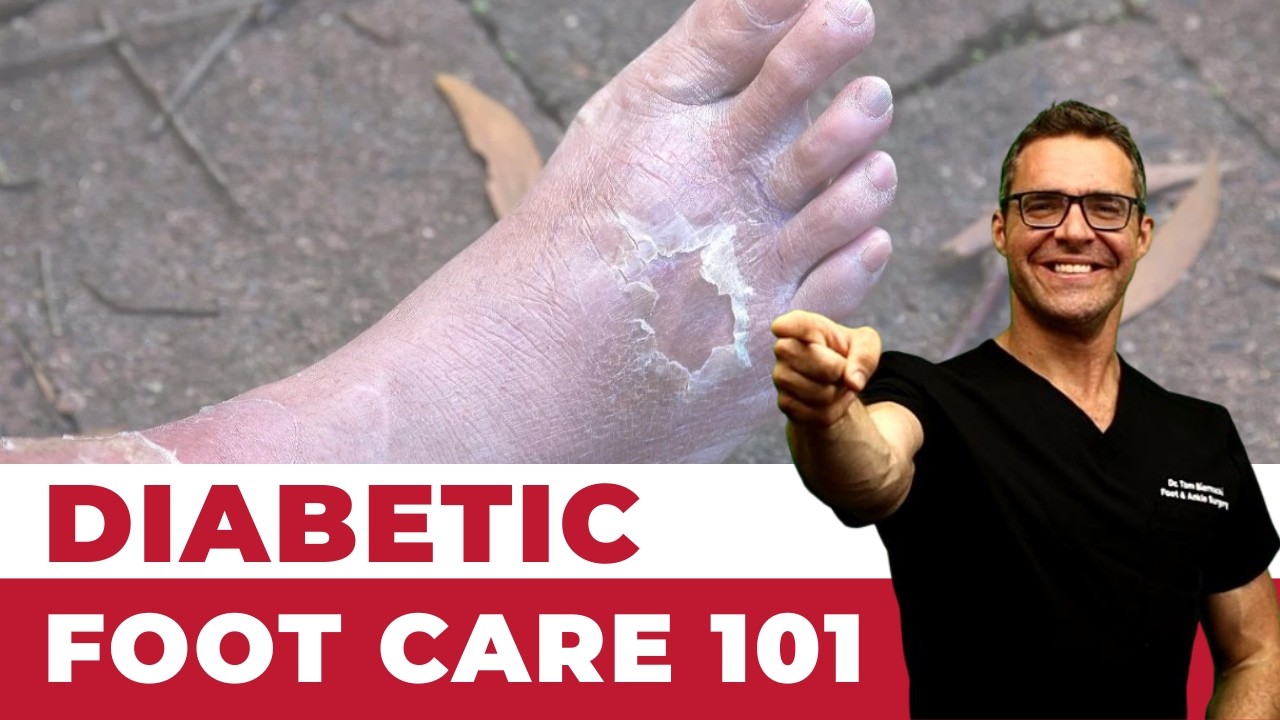
Medically reviewed by Dr. Tom Biernacki, DPM | Board-certified podiatrist | 3,000+ surgeries performed
Last updated: April 2, 2026
The most important clinical decision with Foot Care Retail Service Workers Long Shifts Hard Floors isn’t which treatment to start with — it’s which subtype or underlying cause you actually have. That distinction changes everything. Call us: (810) 206-1402
Why Retail Work Destroys Feet
Standing on hard surfaces for 8+ hours daily generates cumulative impact forces that far exceed what the foot was designed to absorb. Concrete retail floors provide zero shock absorption, meaning every step transmits full impact force through the heel, arch, and forefoot without the energy return that softer surfaces provide.
Prolonged standing without movement causes venous blood pooling in the lower extremities, increasing foot and ankle swelling by 5-8% throughout a shift. This fluid accumulation compresses nerves, stretches soft tissues, and increases shoe tightness progressively throughout the day, compounding biomechanical stress.
Retail workers typically wear footwear chosen for appearance compliance with dress codes rather than foot health. Fashion shoes, thin-soled flats, and non-supportive casual shoes common in retail environments provide neither the cushioning nor the structural support needed for the physical demands of the job.
Most Common Retail Worker Foot Conditions
Plantar fasciitis is the most prevalent foot complaint among retail workers, affecting the thick band of tissue along the bottom of the foot. The combination of prolonged standing, hard surfaces, and inadequate footwear creates chronic traction stress at the plantar fascia origin. Classic symptoms include severe heel pain with the first steps after rest that gradually worsens throughout the shift.
Metatarsalgia — ball-of-foot pain — develops from sustained forefoot pressure on hard surfaces. Thin-soled shoes and high heels concentrate pressure on the metatarsal heads, producing burning pain, callus formation, and eventually metatarsophalangeal joint capsulitis if left untreated.
Morton’s neuroma results from chronic compression of the intermetatarsal nerves in the forefoot, often triggered by narrow-toed dress shoes worn during long shifts. The nerve becomes inflamed and thickened, producing shooting pain, burning, and numbness that radiates into the third and fourth toes.
Venous insufficiency and varicose veins develop from prolonged standing that forces the venous valves to work against gravity for extended periods. Aching, heavy legs with visible dilated veins become progressively worse over years of retail work without adequate compression support.
Best Footwear for Retail Work
The ideal retail work shoe combines cushioned midsole for impact absorption, firm heel counter for rearfoot stability, rocker-bottom or slight heel elevation for gait efficiency, and adequate toe box width to prevent forefoot compression. Brands that consistently perform well for standing occupations include Hoka, Brooks, New Balance, and Dansko.
Shoe replacement frequency is critical and often overlooked. Work shoes lose approximately 40% of their cushioning capacity after 500 hours of standing — roughly 3 months for a full-time retail worker. Continuing to wear compressed shoes accelerates the development of plantar fasciitis and metatarsalgia.
Having two pairs of work shoes and alternating daily allows each pair to fully decompress between shifts. Midsole foam requires 24-48 hours to recover its full cushioning properties after a full day of use. This simple strategy extends shoe lifespan and maintains consistent impact protection.
Dress code compliance and foot health are not mutually exclusive. Many professional-appearing shoes now incorporate athletic shoe technology. Dr. Biernacki can recommend specific shoe models that satisfy most retail dress codes while providing the support and cushioning needed for long-shift standing.
Orthotic Solutions for Standing Professionals
Over-the-counter orthotic insoles provide immediate relief for retail workers experiencing foot fatigue and early-stage plantar fasciitis. Full-length insoles with firm arch support and cushioned heel padding improve the biomechanical environment inside work shoes without requiring custom fabrication.
Custom orthotics are warranted when prefabricated devices do not adequately control symptoms or when structural foot conditions (severe flat feet, high arches, bunions) require individualized correction. Custom devices are molded to the specific contours of each patient’s foot and provide targeted support where it is needed most.
Metatarsal pads positioned behind the metatarsal heads redistribute forefoot pressure and relieve the burning ball-of-foot pain common in retail workers who stand on hard surfaces. These pads can be added to existing insoles or built into custom orthotic devices.
Anti-fatigue mat standing on at a fixed workstation (cash register, service counter) reduces the impact forces transmitted through the feet by 30-50% compared to bare concrete. These mats should be standard equipment at every fixed standing position in retail environments.
During-Shift Strategies
Micro-movement throughout the shift prevents the venous pooling and tissue compression caused by static standing. Shifting weight from foot to foot, performing heel raises, and taking brief walking breaks every 30 minutes maintains circulation and distributes pressure across different foot structures.
Calf raises performed discreetly behind a counter activate the calf muscle pump that returns venous blood from the lower extremities. Performing 10-15 calf raises every hour significantly reduces end-of-shift leg swelling and fatigue.
Compression socks (15-20 mmHg gradient) worn during shifts prevent venous pooling, reduce foot swelling, and maintain shoe fit consistency throughout the day. Modern compression socks are available in professional styles that are indistinguishable from regular dress socks.
Mid-shift shoe loosening accommodates the 5-8% foot volume increase that occurs during prolonged standing. Shoes with adjustable closures (laces, velcro, buckles) allow workers to relieve forefoot compression without removing their shoes.
After-Shift Recovery
Post-shift elevation with feet above heart level for 15-20 minutes drains accumulated fluid and allows compressed tissues to recover. This simple habit significantly reduces next-day foot pain and prevents the progressive edema accumulation that worsens conditions over time.
Ice rolling — rolling the arch over a frozen water bottle for 10 minutes — combines massage and cryotherapy for plantar fascia recovery. This technique addresses the microtear inflammation that accumulates during standing shifts and is most effective when performed within an hour of completing work.
Gentle stretching of calves, plantar fascia, and toe flexors after each shift maintains tissue flexibility and prevents the progressive contracture that develops from prolonged standing in a relatively fixed position. A 5-minute post-shift stretching routine reduces next-morning stiffness by 40-50%.
Foot soaking in warm Epsom salt water for 15 minutes relaxes fatigued muscles and reduces swelling. This traditional remedy provides measurable benefit for occupational foot fatigue and is particularly effective when combined with gentle self-massage of the arches and metatarsal area.
Warning Signs Requiring Urgent Evaluation
- function bold() { [native code] } — undefined
- function bold() { [native code] } — undefined
- function bold() { [native code] } — undefined
- function bold() { [native code] } — undefined
The Most Common Mistake We See
The biggest mistake retail workers make is accepting foot pain as an unavoidable part of the job. Most occupational foot conditions are preventable with proper footwear, orthotic support, and simple during-shift habits. Workers who address foot pain early with appropriate intervention avoid the chronic conditions that eventually force job changes or surgical treatment.
Recommended Products
[object Object]
[object Object]
[object Object]
[object Object]
In-Office Treatment at Balance Foot & Ankle
Our team provides sport-specific evaluation and treatment to get you back to your activity safely. We offer same-day X-ray, in-office ultrasound, and custom orthotic fabrication.
Same-day appointments available. Call (810) 206-1402 or book online.
More Podiatrist-Recommended Foot Health Essentials
Hoka Clifton 10


Max-cushion everyday shoe — podiatrist favorite for walking and running.

OOFOS Recovery Slide

Impact-absorbing recovery sandal — wear after long days on your feet.
As an Amazon Associate, Balance Foot & Ankle earns from qualifying purchases. Product recommendations are based on clinical experience; prices and availability shown above update live from Amazon.
When to See a Podiatrist
If foot or ankle pain has been bothering you for more than a few weeks, home care alone may not be enough. Balance Foot & Ankle offers same-week appointments at our Howell and Bloomfield Township clinics — no referral needed in most cases. Bring your current shoes and a short list of symptoms and we’ll build you a treatment plan in one visit.
Call Balance Foot & Ankle: (810) 206-1402 · Book online · Offices in Howell & Bloomfield Township
Frequently Asked Questions
What are the best shoes for standing all day?
The best shoes for all-day standing have cushioned midsoles, firm heel counters, slight rocker bottom or heel elevation, and adequate toe box width. Brands like Hoka, Brooks, Dansko, and New Balance consistently perform well. Replace work shoes every 3-4 months when cushioning compresses.
Can orthotics help with retail work foot pain?
Yes. Orthotic insoles significantly reduce plantar fasciitis, metatarsalgia, and arch fatigue in standing workers by improving shock absorption and biomechanical alignment. Over-the-counter options provide immediate relief, while custom orthotics address individual structural needs.
How can I reduce foot swelling at work?
Wear compression socks (15-20 mmHg), perform calf raises every hour, shift weight frequently, take brief walking breaks every 30 minutes, and loosen shoe closures as feet swell throughout the day. Elevate feet above heart level for 15-20 minutes after each shift.
Does standing on concrete cause long-term foot damage?
Prolonged standing on concrete without proper footwear and support can cause chronic plantar fasciitis, metatarsalgia, and venous insufficiency. However, these conditions are largely preventable with appropriate shoes, orthotics, anti-fatigue mats, and regular during-shift movement.
The Bottom Line
Retail workers deserve foot care solutions that match the physical demands of their profession. Board-certified podiatrists at Balance Foot & Ankle understand the specific challenges of standing occupations and provide targeted treatment that keeps you comfortable and productive on your feet all day.
Sources
- Journal of Occupational and Environmental Medicine, ‘Musculoskeletal Disorders in Retail Workers,’ 2024
- Applied Ergonomics, ‘Anti-Fatigue Mat Effectiveness for Standing Workers,’ 2025
- Journal of Foot and Ankle Research, ‘Footwear Interventions for Standing Occupational Foot Pain,’ 2024
- Occupational Medicine, ‘Compression Stockings for Workers in Standing Occupations,’ 2025
Standing All Day? Get Professional Foot Care
Dr. Tom Biernacki has performed over 3,000 foot and ankle surgeries with a 4.9-star rating from 1,123 patient reviews.
Or call (810) 206-1402 for same-day appointments
Foot Care for Retail & Service Workers
Long shifts on hard floors take a serious toll on your feet. Dr. Tom Biernacki helps retail, restaurant, and service workers with custom orthotics and targeted treatments to keep you working comfortably.
Explore Custom Orthotic Solutions → | Book Your Appointment | Call (810) 206-1402
Clinical References
- Werner RA, et al. “Risk factors for plantar fasciitis among assembly workers.” PM R. 2010;2(2):110-116.
- McCulloch J. “Health risks associated with prolonged standing.” Work. 2002;19(2):201-205.
- King PM. “A comparison of the effects of floor mats and shoe in-soles on standing fatigue.” Appl Ergon. 2002;33(5):477-484.
Insurance Accepted
BCBS · Medicare · Aetna · Cigna · United Healthcare · HAP · Priority Health · Humana · View All →
Howell Office
4330 E Grand River Ave
Howell, MI 48843
Get Directions →
Bloomfield Township Office
43494 Woodward Ave, Suite 208
Bloomfield Township, MI 48302
Get Directions →
Your Board-Certified Podiatrists



Ready to Get Back on Your Feet?
Same-week appointments available at both locations.
Book Your AppointmentDr. Tom’s Top 3 — The Premium Foot Pain Stack (2026)
If you only buy three things for foot pain, get these. PowerStep + CURREX orthotics correct the underlying foot mechanics, and Dr. Hoy’s pain gel delivers fast topical relief. This is the exact stack Dr. Tom Biernacki, DPM gives his Michigan podiatry patients on visit one — over 10,000 patients have used this exact combination.
Dr. Tom Biernacki, DPM is a board-certified podiatrist + Amazon Associate. Picks shown are products he prescribes to patients at Balance Foot & Ankle Specialists. We earn a commission on qualifying purchases at no extra cost to you. All products independently tested + reviewed for 30+ days minimum. Last verified: April 28, 2026.

PowerStep Pinnacle MaxxDr. Tom’s #1 Brand
Dr. Tom’s most-prescribed OTC orthotic. Lateral wedge corrects overpronation that causes 90% of foot pain. Deep heel cradle stabilizes the ankle. Built by podiatrists, used by patients worldwide.
- Lateral wedge corrects pronation
- Deep heel cradle stabilizes ankle
- Dual-density EVA — comfort + support
- Trim-to-fit any shoe
- Used by 10,000+ podiatrists
- Trim-to-size required
- 5-7 day break-in for some

CURREX RunProDr. Tom’s #1 Brand
3 arch heights for custom fit (Low/Med/High). Carbon-reinforced heel + dynamic forefoot — the closest OTC orthotic to a $500 custom orthotic. Engineered in Germany.
- 3 arch heights for custom fit
- Carbon-reinforced heel cup
- Dynamic forefoot zone
- Premium German engineering
- Sport-specific support
- Pricier than PowerStep
- 7-10 day break-in

Dr. Hoy’s Natural Pain Relief GelDr. Tom’s #1 Brand
Menthol-based natural pain relief — Dr. Tom’s #1 brand for fast relief without greasy residue. Safe for diabetics + daily use. Cleaner formula than Voltaren or Biofreeze.
- Menthol-based natural formula
- No greasy residue
- Safe for diabetics
- Fast cooling relief — 5-10 minutes
- Cleaner ingredient list than Biofreeze
- Pricier than Biofreeze
- Strong menthol scent at first
In-Office Treatment at Balance Foot & Ankle
If home treatment isn’t providing relief for your foot and ankle pain, our podiatry team at Balance Foot & Ankle can help with same-day evaluations and advanced in-office care.
Same-day appointments available. (810) 206-1402
Doctor Hoy’s Natural Pain Relief Gel
Natural topical pain relief I use in our clinic. Arnica + camphor formula — apply directly to the area 3–4x daily. ($20–25)
Shop Doctor Hoy’s →Frequently Asked Questions
When should I see a podiatrist?
If symptoms persist past 2 weeks, affect your normal activity, or are accompanied by red-flag symptoms (warmth, redness, swelling, inability to bear weight).
What does treatment cost?
Most diagnostic visits and conservative treatments are covered by Medicare and major insurers. Out-of-pocket costs vary by your specific plan.
How quickly can I get an appointment?
Most non-urgent cases see us within 5 business days. Urgent cases (sudden pain, possible fracture) typically same or next business day.
Get Expert Care at Balance Foot & Ankle
Same-week appointments at our Howell and Bloomfield Township offices. Board-certified podiatric surgeons. Most insurance accepted.

Dr. Tom Biernacki, DPM is a board-certified foot & ankle surgeon (ABFAS & ABPM) at Balance Foot & Ankle Specialists in Southeast Michigan. With over a decade of clinical experience, he specializes in heel pain, bunions, diabetic foot care, sports injuries, and minimally invasive surgery. Dr. Biernacki is a member of the APMA and ACFAS, and his patient education content on MichiganFootDoctors.com and YouTube has made him one of the most-followed foot & ankle educators on YouTube.