

Medically reviewed by Dr. Tom Biernacki, DPM
Board-certified podiatric surgeon | Balance Foot & Ankle
Last reviewed: May 2026
Quick answer: Foot Pain Standing Line Tips Theme Parks Concerts Events has multiple potential causes including mechanical, neurological, vascular, and inflammatory. The most common causes we identify are overuse, ill-fitting shoes, and biomechanical imbalance. Red flags requiring urgent evaluation: warmth/redness (infection), inability to bear weight (fracture), and unilateral swelling without injury (DVT). Call (810) 206-1402.
![How to Cure Plantar Fasciitis in One Week? [FAST Heel Pain Relief!]](https://www.michiganfootdoctors.com/wp-content/cache/flying-press/b5600c3bfb9845a6095da8266d8b5363.jpg)
Watch: How to Cure Plantar Fasciitis in One Week? [FAST Heel Pain Relief!] — MichiganFootDoctors YouTube

Medically Reviewed by Dr. Tom Biernacki, DPM, FACFAS — Board-certified podiatrist & foot surgeon | Balance Foot & Ankle | Last updated: May 2026
The most important clinical decision with Foot Pain Standing Line Tips Theme Parks Concerts Events isn’t which treatment to start with — it’s identifying the correct subtype. That changes everything. Call (810) 206-1402.
⚡ Quick Answer: Surviving Theme Parks, Concerts & Long Lines Without Foot Pain
Standing in line at theme parks, concerts, stadiums, and events causes predictable foot and ankle pain from three mechanisms: static load accumulation, footwear mismatch with hard flooring, and absence of the calf-muscle pump that normally returns venous blood from the foot. The most effective prevention strategies are: wearing supportive, cushioned footwear with a heel-to-toe drop of at least 8mm, inserting aftermarket orthotics or cushioned insoles into event shoes, taking short active-walking breaks every 30–45 minutes during waits, and compressing calf muscles with graduated compression socks (15–20 mmHg). If you have plantar fasciitis, flat feet, or a prior foot injury, a podiatry consultation before a major event can make the difference between a vacation and a recovery week.
Why Standing in Line Hurts More Than Walking the Same Distance
Static standing is biomechanically harder on the foot than walking, a fact that surprises most patients. During walking, the calf muscle pump contracts with each step, driving blood back up the leg and reducing edema in the foot. During stationary standing, this pump stops — venous blood pools in the lower extremities, interstitial fluid accumulates in the soft tissues of the foot, and plantar pressure remains concentrated on a fixed anatomical area rather than distributing dynamically across the foot’s contact points. A person standing for 4 hours in a theme park line delivers sustained high pressure to the metatarsal heads and heel pad in a way that 4 hours of walking simply does not.
The Five Most Common Foot Pain Patterns at Events
| Pain Pattern | Location | Cause | Immediate Relief |
|---|---|---|---|
| Ball-of-foot burning | Under 2nd–4th metatarsal heads | Metatarsal overload, thin soles, hard flooring | Sit down, massage, metatarsal pad reposition |
| Arch collapse ache | Medial arch, heel insertion | Flat-footed loading, unsupportive shoes | Arch massage, dorsiflexion stretch against wall |
| Top-of-foot nerve pain | Dorsal foot, between toes | Shoe lace pressure, extensor tendon compression | Loosen laces, remove footwear briefly |
| Ankle swelling | Malleolus, anterior ankle | Venous stasis, heat, prolonged static load | Calf raises, ankle circles, elevation during ride |
| Heel pad pain | Central heel fat pad | Heel pad atrophy, concrete flooring, thin soles | Heel cup insert, weight shift to toe-to-heel rocking |
Footwear Selection for Theme Parks, Concerts & Events
Footwear is the single most modifiable risk factor for event-related foot pain. The ideal event shoe combines a cushioned midsole (EVA or polyurethane foam of at least 20mm under the heel), a heel-to-toe drop of 8–12mm to reduce plantar fascia tension during prolonged standing, a wide toebox to prevent nerve compression under load, and a closed-cell foam or cork footbed that does not bottom out over hours of sustained use. Running shoes from current-generation lines (New Balance 1080, Brooks Ghost, HOKA Clifton) are consistently the best performers for theme park and stadium use because they are engineered precisely for this load profile.
| Shoe Type | Event Rating | Why |
|---|---|---|
| Running shoes (max cushion) | ⭐⭐⭐⭐⭐ Excellent | Engineered for sustained impact and standing load |
| Walking shoes with orthotic | ⭐⭐⭐⭐ Very Good | Deep heel cup + removable insole for upgrade |
| Athletic sandals (Birkenstock, Teva) | ⭐⭐⭐ Good | Arch support, cork footbed; less toe protection |
| Canvas sneakers (Converse, Vans) | ⭐ Poor | Flat sole, zero cushion, bottoms out in 2 hours |
| Flip-flops / slides | ⭐ Very Poor | No arch support, toe-gripping fatigue, instability risk |
| Heels / dress shoes | ✗ Avoid | Metatarsal overload, Achilles shortening, blister risk |
Pre-Event Strategies: What to Do the Week Before
Prevention begins before the event date. In the 5–7 days leading up to a long-standing event, patients with known plantar fasciitis or arch pain benefit from daily calf stretching (3 sets of 30-second holds against a wall), rolling the plantar fascia on a frozen water bottle for 5 minutes each morning, and gradually breaking in new event footwear with 1–2 hour wear sessions to identify any pressure points before the 8-hour Disney day reveals them. If you have not used custom orthotics before, a podiatry appointment 2–3 weeks before a major trip allows time for fabrication and adjustment.
In-Line Survival: What to Do During the Wait
While waiting in stationary queues, the goal is to prevent static load accumulation and keep the calf muscle pump active without requiring significant movement. Heel raises (rising onto the balls of both feet, then lowering slowly) performed for 15 repetitions every 10 minutes activate the calf pump, reduce ankle swelling, and shift plantar pressure from the heel pad to the metatarsal heads — giving each area a brief recovery window. Ankle circles (10 rotations each direction) maintain joint mobility. Weight shifting from foot to foot every 5–10 minutes prevents focal pressure concentration. On hard flooring, finding any available mat, grass strip, or softer surface to stand on reduces cumulative load dramatically.
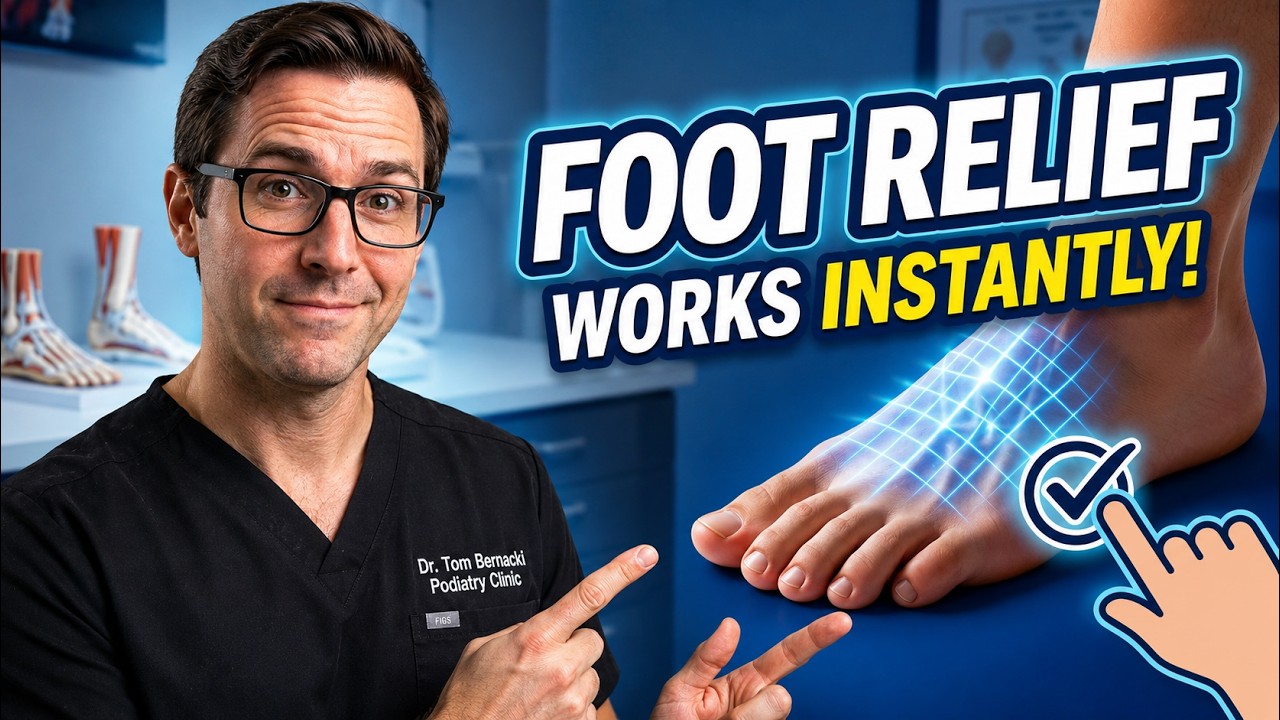
Foot & Nerve Pain While Standing: Watch Dr. Tom Explain
Dr. Tom covers the causes of sharp, burning, and tingling foot pain that worsens with prolonged standing — exactly the nerve compression pattern common in event settings:
Book a same-day evaluation → · (810) 206-1402
Frequently Asked Questions: Foot Pain at Theme Parks & Events
What are the best insoles for theme park walking?
Aftermarket insoles that consistently outperform factory footbeds for long-day event use include the Superfeet GREEN (firm arch support, ideal for high arches and overpronators), Powerstep Pinnacle (semi-rigid, good for most foot types), and Currex RunPro (flexible, designed for high-mileage athletic use). For patients with existing plantar fasciitis, the Superfeet COPPER or a custom orthotic from a podiatrist will provide more targeted arch support than any over-the-counter option. Replace insoles every 400–500 hours of use — compressed foam no longer provides meaningful cushioning regardless of its appearance.
Should I wrap my feet or ankles before a long day at an amusement park?
Prophylactic athletic taping of the plantar fascia (low-dye taping) is effective for patients with known plantar fasciitis and can reduce heel pain by 40–60% for the first 4–6 hours of standing. After 6 hours, tape adhesion degrades with sweat and the support diminishes. Compression socks (15–20 mmHg) are more practical for all-day use — they maintain their function throughout the day, reduce ankle swelling, and require no adhesive. For patients with a prior ankle sprain or instability, a lightweight lace-up ankle brace worn inside a supportive shoe provides the most durable mechanical support for a long standing day.
My feet always swell at concerts and events — is this normal?
Mild bilateral foot and ankle swelling after 4+ hours of standing is normal and caused by venous pooling when the calf muscle pump is inactive. Swelling that is asymmetric (one foot significantly more than the other), accompanied by redness or warmth, or present the next morning after a night of elevation warrants medical evaluation to rule out deep vein thrombosis, lymphedema, or an acute injury sustained during the event. Normal event-related swelling resolves within 2–4 hours of elevation and is best prevented with compression socks and regular calf-raise exercises throughout the day.
How do I get rid of foot pain quickly at a theme park?
The fastest on-site relief protocol is: sit immediately and elevate feet above hip level for 10 minutes; remove footwear and massage the plantar surface from heel to toe for 3 minutes; perform ankle circles (10 each direction) and toe spreads; if the park has a first aid station, request an ice pack for the arch or metatarsal heads (10 minutes maximum); and when you resume standing, shift your weight backward so more load goes through the heel rather than the forefoot. Over-the-counter ibuprofen or naproxen taken with food reduces inflammatory pain within 30–60 minutes but should only be used by patients without contraindications.
Can a podiatrist help me prepare for a Disney World or long-event trip?
Absolutely — a pre-trip podiatry consultation 3–4 weeks before a major event is one of the highest-ROI preventive visits in sports medicine. In a single appointment, we can assess your arch type and gait pattern, fabricate or fit custom orthotics designed for your specific footwear, recommend shoe models matched to your biomechanics, provide a plantar fascia taping tutorial you can do yourself, and identify any structural issues (stress fracture risk, tendinopathy) that might be worsened by 8–10 hours of standing. Patients who take this step almost universally report significantly less pain than on previous trips. Balance Foot & Ankle sees same-day appointments at both Howell and Bloomfield Township, MI.
Foot Pain Before a Big Event? We Can Help Fast
Dr. Tom Biernacki, DPM, FACFAS specializes in rapid-result podiatric care for active patients, travelers, and event-goers. Same-day appointments for plantar fasciitis, nerve pain, arch support fitting, and pre-event taping at both Howell and Bloomfield Township, MI.
Book Same-Day → (810) 206-1402Howell: 4330 E Grand River Ave · Bloomfield Township: 43494 Woodward Ave #208
Related Resources
- Plantar Fasciitis Stretches: Daily Protocol for All-Day Standing
- Podiatrist-Recommended Shoes for Walking & Events
- Custom Orthotics in Michigan: Same-Day Fitting Available
- Foot Pain from Standing at Work: Solutions That Actually Work
- Sharp or Burning Foot Pain: Nerve Causes Explained
In-Office Treatment at Balance Foot & Ankle
If home treatment isn’t providing relief for your foot and ankle conditions, our podiatry team at Balance Foot & Ankle can help with same-day evaluations and advanced in-office care.
Same-day appointments available. (810) 206-1402
Doctor Hoy’s Natural Pain Relief Gel
Natural topical pain relief I use in our clinic. Arnica + camphor formula — apply directly to the area 3–4x daily. ($20–25)
Shop Doctor Hoy’s →Frequently Asked Questions

When should I see a doctor?
See a podiatrist if pain persists past 2 weeks, prevents normal activity, or is accompanied by red-flag symptoms (warmth, swelling, numbness, inability to bear weight).
Can I treat this at home?
Mild cases respond to RICE protocol (rest, ice, compression, elevation), supportive shoes, and OTC anti-inflammatories. Persistent symptoms need professional evaluation.
How long does it take to heal?
Most soft tissue injuries resolve in 2-6 weeks with appropriate care. Bone injuries take 6-12 weeks. Chronic conditions need longer-term management.
What is Foot pain?
Foot pain is a common foot/ankle condition that affects mobility and quality of life. Understanding the underlying cause is the first step in successful treatment. Our podiatrists at Balance Foot & Ankle perform a hands-on biomechanical exam, review your activity history, and use diagnostic imaging when appropriate to identify the root cause—not just treat the symptom. Many patients have been told to “rest and ice” without a deeper diagnostic workup; our approach is different.
Symptoms and warning signs
Common signs of foot pain include pain that worsens with activity, morning stiffness, swelling, tenderness when palpated, and difficulty bearing weight. If you experience sudden severe pain, inability to walk, visible deformity, numbness or color change, contact our office the same day or visit urgent care—these can signal a more serious injury such as a fracture, tendon rupture, or vascular compromise. Diabetics with any foot wound should seek same-day care.
Conservative treatment options
Most cases of foot pain respond to non-surgical care: structured rest, supportive footwear changes, custom orthotics, targeted stretching and strengthening protocols, anti-inflammatory medications when medically appropriate, and in-office procedures such as ultrasound-guided injections. We also offer advanced therapies including MLS laser therapy, EPAT/shockwave, regenerative injections, and image-guided procedures. Treatment is sequenced from least invasive to most invasive, and we explain the rationale at every step.
When is surgery considered?
Surgery is reserved for cases that fail 3-6 months of well-structured conservative care, when there is structural pathology (severe deformity, complete tear, advanced arthritis), or when imaging shows damage that will not heal without intervention. Our surgeons have performed 3,000+ foot and ankle procedures and prioritize minimally-invasive techniques whenever appropriate. We discuss recovery timelines, return-to-activity milestones, and realistic outcome expectations before any procedure is scheduled.
Recovery timeline and prevention
Recovery from foot pain varies based on severity and chosen treatment path. Conservative cases often improve within 4-8 weeks with consistent adherence to the protocol. Post-procedural recovery may range from a few days (in-office procedures) to several months (reconstructive surgery). Long-term prevention involves footwear assessment, activity modification, structured strengthening, and regular check-ins with your podiatrist if you have a history of recurrence. We provide written home-exercise plans and digital follow-up support.
Ready to feel better?
Same-week appointments available in Howell and Bloomfield Township, Michigan.
Book Your VisitReady for Expert Care?
Same-day appointments in Howell & Bloomfield Township, MI.
4.9★ | 1,123 Reviews | 3,000+ Surgeries
Or call: (810) 206-1402

Dr. Tom Biernacki, DPM is a board-certified foot & ankle surgeon (ABFAS & ABPM) at Balance Foot & Ankle Specialists in Southeast Michigan. With over a decade of clinical experience, he specializes in heel pain, bunions, diabetic foot care, sports injuries, and minimally invasive surgery. Dr. Biernacki is a member of the APMA and ACFAS, and his patient education content on MichiganFootDoctors.com and YouTube has made him one of the most-followed foot & ankle educators on YouTube.