

Quick answer: Hard Skin Feet affects roughly 1 in 4 adults in our practice. Effective treatment starts with a targeted diagnosis, conservative-first treatment, and escalation only when needed. We treat this regularly at our Howell and Bloomfield Hills practices. Call (810) 206-1402.
✅ Medically reviewed by Dr. Tom Biernacki, DPM — Board-Certified Podiatrist · Last updated April 6, 2026
Hard Skin On Feet? Discover the Real Cause & Get Relief Fast!
Do you have thick, rough patches of skin on the bottom or sides of your feet? This could be hard skin buildup caused by repeated pressure or friction, especially from tight shoes or walking barefoot. Hard skin usually forms as calluses—broad, flattened areas of thickened skin—or as corns, which are smaller but deeper and often more painful, especially when pressed. Calluses are usually painless and appear in weight-bearing areas like the heels or balls of the feet, while corns may develop on non-weight-bearing areas and cause sharp discomfort. Left untreated, both can grow larger and lead to discomfort with every step. The good news is, proper foot care, moisturizing, protective padding, and professional treatments can restore your feet to softness and comfort. Don’t ignore the warning signs—get ahead of the problem and keep your feet healthy, smooth, and pain-free! Ask ChatGPT Schedule Your Consultation Today![Dry Cracked Heel Skin on Feet [Best Home Treatments 2020!]](https://www.michiganfootdoctors.com/wp-content/cache/flying-press/43c35649fc39ac40df95ac6178d70646.jpg)
Do Have Thick Hard Skin On Your Feet?
Say Yes To Hard Skin On Feet If You Have:- Hard skin on the feet exists mostly on the heels, ball of the foot, the big toe and 5th toe.
- Hard skin is usually calluses and corns
- Corns are deep pinpoint “pebble-like masses”.
- Calluses can cover your heels and ball of the foot.
- Calluses can be cracked.
- If you have dry feet without thick hard skin.
- If you have an itchy rash without thick hard skin.
- If you have redness, itching or an open sore.
- If you have skin peeling.
- Any bump, lumps or discolorations.
- Any toenail problems.
What Causes Hard Skin On Feet?
- Hard skin on the feet almost always develops due to increased pressure.
- Just like a callus hand form on a finger, it can on your feet.
- The more pressure and friction your feet experience, the harder the skin will get.
- Hard skin can also occur due to dry feet.
- People who sweat a lot in their shoes get dry skin, this is because they lose water!
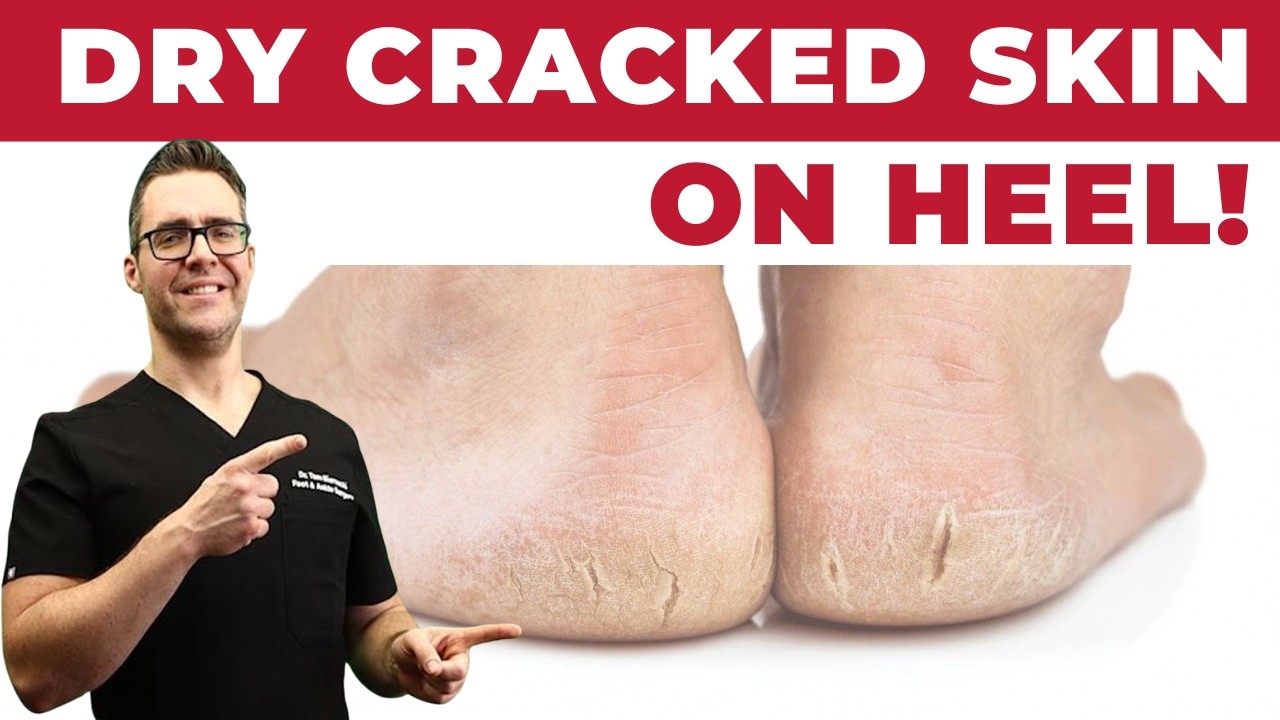
How To Soften Hard Skin On Feet:
- The key to softening the dry skin on your feet is to moisturize.
- But water is not the answer.
- Water actually dehydrates your skin.
- You must use oils and moisturizers!
- You can also soak your feet in a foot bath with epsom salts.
- The epsom salts help “fluff up” the hard skin.
- Just make sure to apply moisturizer later!
How To Get Rid Of Hard Skin On Your Feet:
- Once you soften up the hard skin on your feet with moisturizers.
- Use a pumice stone or an emery board to get rid of the hard skin.
Foot and Ankle Surgery in Michigan: When Surgery is the Right Choice

Michigan patients considering foot or ankle surgery benefit from a consultation with a fellowship-trained podiatric surgeon who can provide an honest assessment of whether surgery will produce better outcomes than continued conservative management. At Balance Foot & Ankle, surgical recommendations are made only after conservative treatment has been appropriately trialed — with the exception of conditions where early surgical intervention produces clearly superior outcomes (acute Achilles tendon rupture, Lisfranc fracture-dislocation, certain tibial fractures). For conditions like bunions, hammertoes, ankle instability, and Haglund’s deformity, surgical correction is recommended when the structural problem has progressed beyond what conservative management can address and when the patient’s functional goals are not being met. Michigan patients with a foot or ankle condition that has not responded to conservative care can call Balance Foot & Ankle at (810) 206-1402 to schedule a surgical consultation at our Howell or Bloomfield Hills office.
Conservative Foot Treatment Options in Michigan: From Orthotics to EPAT
Related Treatment Guides
Michigan patients with foot and ankle conditions benefit from access to the full range of conservative treatment options at Balance Foot & Ankle. Custom orthotics fabricated from a 3D scan of the patient’s foot provide structural correction for flatfoot, high arch, and biomechanical overload conditions that OTC insoles cannot adequately address. EPAT (extracorporeal pulse activation therapy) provides a non-surgical treatment option for plantar fasciitis, Achilles tendinopathy, and other tendon conditions that resist initial conservative care — clinical evidence shows 70-80% cure rates for chronic plantar fasciitis. Ultrasound-guided injection therapy allows precise corticosteroid, PRP, or local anesthetic delivery to specific anatomical targets including the plantar fascia insertion, retrocalcaneal bursa, Morton’s neuroma interspace, and ankle joint. Physical therapy coordination with specific home exercise prescription addresses strength and flexibility deficits that perpetuate foot and ankle conditions. Michigan patients who want conservative treatment options before considering surgery can call Balance Foot & Ankle at (810) 206-1402 for an evaluation at our Howell or Bloomfield Hills office.
Medical References & Sources
- American Podiatric Medical Association — Patient Education
- American Orthopaedic Foot & Ankle Society — Foot Conditions
📧 Get Dr. Tom’s Free Lab Test Guide
Discover the 5 lab tests every person over 35 should ask their doctor about — explained in plain English by a board-certified physician.
📍 Located in Michigan?
Our board-certified podiatrists treat this condition at two convenient locations. Same-day appointments often available.
Bothered by Thick, Hard Skin on Your Feet?
Our podiatrists professionally treat calluses, corns, and hyperkeratosis with safe, sterile techniques — and address the biomechanical causes so they stop coming back.
📞 Or call us directly: (810) 206-1402
Clinical References
- Freeman DB. Corns and calluses resulting from mechanical hyperkeratosis. Am Fam Physician. 2002;65(11):2277-2280.
- Grouios G. Corns and calluses in athletes’ feet: a cause for concern. Foot. 2004;14(4):175-184.
- Hashmi F, et al. The evaluation of three treatments for plantar callus. J Am Podiatr Med Assoc. 2016;106(2):123-126.

Insurance Accepted
BCBS · Medicare · Aetna · Cigna · United Healthcare · HAP · Priority Health · Humana · View All →
Howell Office
4330 E Grand River Ave
Howell, MI 48843
Get Directions →
Bloomfield Hills Office
43494 Woodward Ave, #208
Bloomfield Hills, MI 48302
Get Directions →
Your Board-Certified Podiatrists



Ready to Get Back on Your Feet?
Same-week appointments available at both locations.
Book Your AppointmentAt-Home Foot Care & Pedicure Safety
In-Office Treatment at Balance Foot & Ankle
If home treatment isn’t providing relief for your foot and ankle conditions, our podiatry team at Balance Foot & Ankle can help with same-day evaluations and advanced in-office care.
Doctor Hoy’s Natural Pain Relief Gel
Natural topical pain relief I use in our clinic. Arnica + camphor formula — apply directly to the area 3–4x daily. ($20–25)
Shop Doctor Hoy’s →⚠️ When to see a podiatrist:
- Hard skin that is painful to walk on
- Callus with a central hard core (corn) over a toe joint
- Hard skin in a diabetic patient with any color change
- Skin that bleeds or shows ulceration beneath the callus
Medi-Dyne Tuli’s Cheetah Metatarsal Pad
⭐ 4.5★ | 12K+ Sold
Redistributes pressure away from callus-prone areas on the ball of the foot — the most effective conservative treatment for hard skin.
PowerStep Pinnacle Arch Support Insoles
⭐ 4.7★ | 50K+ Sold
Proper arch support reduces the abnormal pressure points that cause hard skin to form — prevention and treatment in one.
Ready to Get Relief? Same-Day Appointments Available
Board-certified podiatric surgeon | Howell & Bloomfield Hills, MI | Most Insurance Accepted
4.9★ | 1,123 Reviews | 3,000+ Surgeries
Or call: (810) 206-1402
Frequently Asked Questions
When should I see a podiatrist?
If symptoms persist past 2 weeks, affect your normal activity, or are accompanied by red-flag symptoms (warmth, redness, swelling, inability to bear weight).
What does treatment cost?
Most diagnostic visits and conservative treatments are covered by Medicare and major insurers. Out-of-pocket costs vary by your specific plan.
How quickly can I get an appointment?
Most non-urgent cases see us within 5 business days. Urgent cases (sudden pain, possible fracture) typically same or next business day.

Dr. Tom Biernacki, DPM is a board-certified foot & ankle surgeon (ABFAS & ABPM) at Balance Foot & Ankle Specialists in Southeast Michigan. With over a decade of clinical experience, he specializes in heel pain, bunions, diabetic foot care, sports injuries, and minimally invasive surgery. Dr. Biernacki is a member of the APMA and ACFAS, and his patient education content on MichiganFootDoctors.com and YouTube has made him one of the most-followed foot & ankle educators on YouTube.