
Medically reviewed by Dr. Tom Biernacki, DPM
Board-certified podiatric surgeon | Balance Foot & Ankle, Howell & Bloomfield Township, MI
Last reviewed: May 2026
Quick answer: Hard Skin on Feet can significantly impact your daily life and mobility. Our Michigan podiatrists provide expert evaluation and evidence-based treatment — from conservative care to minimally invasive procedures — to relieve your symptoms and restore function. Same-day appointments available in Howell and Bloomfield Township, MI.

Foot pain isn't resolving?
Same-week appointments at Howell & Bloomfield Township
In-Office Treatment at Balance Foot & Ankle
If home treatment isn’t providing relief for your foot and ankle conditions, our podiatry team at Balance Foot & Ankle can help with same-day evaluations and advanced in-office care.
Related Conditions
In This Article
- How do I get rid of hard skin on my feet?
- Quick Answer: Hard Skin on Feet
- What Hard Skin on Feet Actually Is
- What Causes Hard Skin to Build Up
- Where Hard Skin Forms and Why
- At-Home Treatment That Works
- Recommended Products from Our Clinic
- Professional Treatment Options
- Warning Signs You Should Not Ignore
- The Most Common Mistake Patients Make
- In-Office Treatment at Balance Foot & Ankle
- Frequently Asked Questions
- Sources
You’ve probably tried scrubbing it off in the shower, peeling it with your fingers, or slathering on lotion — only to find the hard skin is back within a few weeks. Hard skin on the bottom, sides, or tops of your feet is one of the most common complaints we see at our clinic, and it’s also one of the most mismanaged. Most patients treat the symptom without ever addressing the cause, which is why it keeps coming back.
What Hard Skin on Feet Actually Is
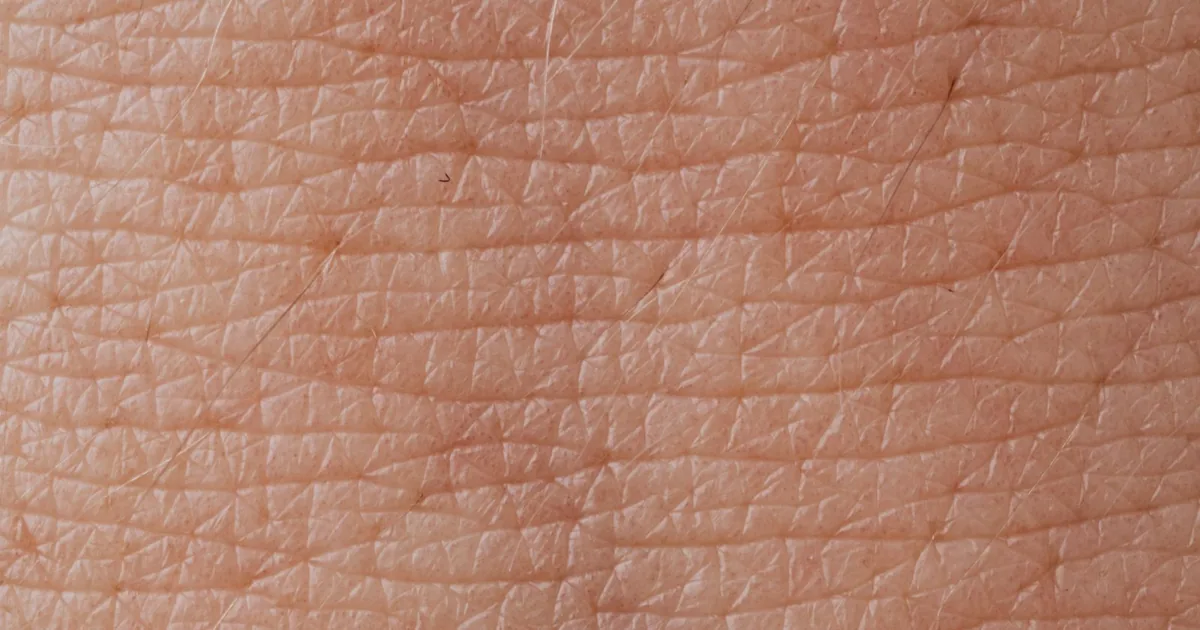
Hard skin on the feet is the result of a process called hyperkeratosis — an abnormal thickening of the outermost layer of skin (the stratum corneum) in response to repeated mechanical stress. Your body is doing exactly what it’s designed to do: building a tougher barrier to protect the tissue underneath. The problem is that when the thickening becomes excessive, it stops being protective and starts causing pain, cracking, and secondary infection risk.
In our clinic, we distinguish between three forms: diffuse callus (broad, flat thickened skin — usually plantar surface), discrete callus (well-defined, often with a central nucleated core), and corns (smaller, conical lesions that penetrate into deeper skin layers, usually between or on top of toes). Understanding which type you have determines the best treatment approach. Many patients come in thinking they have a corn when they actually have a nucleated plantar callus, or vice versa — and the treatments differ significantly.
Hard skin develops in response to shear force (rubbing), direct pressure (weight-bearing), or both. The cells of the epidermis sense mechanical stress and respond by multiplying faster and staying in place longer — rather than shedding normally through the skin’s turnover cycle. Over time, this builds into the thick, yellowish, often tender patches that patients bring to us.
What Causes Hard Skin to Build Up
Understanding the cause of your hard skin is the single most important step toward permanent resolution. In our experience treating thousands of feet in Howell and Bloomfield Township, the vast majority of chronic callus cases have an identifiable mechanical driver that, once corrected, stops the recurrence cycle entirely.
Footwear problems are the most common culprit. Shoes that are too narrow concentrate pressure on the medial and lateral borders of the forefoot. Shoes with insufficient cushioning transmit ground-reaction force directly to the ball of the foot and heel. High heels shift 75–80% of body weight onto the metatarsal heads, generating enormous pressure that drives callus formation over time. Even shoes that are too loose create repetitive shearing as the foot slides forward with each step.
Biomechanical abnormalities are the second major driver. Flat feet (pes planus) cause the medial arch to collapse and shift pressure to the medial heel and the first metatarsal head. High-arched feet (pes cavus) concentrate load on the heel and the lesser metatarsal heads. Bunions cause the big toe to drift toward the second, forcing the second metatarsal head to bear abnormal load. Hammertoes and claw toes create pressure points on the dorsum of the middle toe joints and on the plantar surface of the ball of the foot.
Activity level and surface matter significantly. Runners accumulate 2–3 times body weight through the foot with each stride. Standing workers on concrete floors develop diffuse heel and forefoot callus much faster than those on cushioned mats. Dancers, especially ballet dancers, develop highly specialized callus patterns related to their technique.
Skin conditions and systemic factors can also drive hyperkeratosis. Psoriasis causes thickened plaques on the soles that can mimic or coexist with mechanical callus. Palmoplantar keratoderma is a genetic condition causing extreme diffuse thickening. Hypothyroidism reduces skin turnover and promotes accumulation. Peripheral arterial disease impairs the skin’s regenerative capacity, making callus more prone to cracking and ulceration.
| Cause Category | Specific Factor | Typical Location | Key Fix |
|---|---|---|---|
| Footwear | Narrow toe box | 5th toe, lateral forefoot | Wider shoes, toe spacers |
| Footwear | High heels | 2nd–4th metatarsal heads | Lower heel, metatarsal pad |
| Footwear | Poor cushioning | Heel, ball of foot | Cushioned insoles |
| Biomechanics | Flat feet | Medial heel, 1st met head | Arch support insoles |
| Biomechanics | High arch | Heel, lateral forefoot | Custom orthotics |
| Biomechanics | Bunion | 1st met head, medial | Bunion spacer, orthotics |
| Activity | Running/standing | Heel, metatarsal heads | Appropriate footwear + insole |
| Systemic | Psoriasis, keratoderma | Diffuse plantar | Dermatologic + podiatric care |
Where Hard Skin Forms and Why
The exact location of hard skin tells a skilled clinician a great deal about the underlying cause. In our clinic, we often know what’s driving callus formation before we even look at the patient’s shoes — simply based on where the thickening is located.
Under the heel (plantar heel callus): This is the most common location. Diffuse thickening across the entire heel pad results from ground-impact loading during walking and standing. A rim callus around only the periphery of the heel suggests excessive heel strike and pronation. Callus with deep central fissuring indicates severely dry, inelastic skin with insufficient moisture — a particular concern in diabetic patients because fissures can become portals for infection.
Ball of the foot (metatarsal head callus): This typically forms under the 2nd, 3rd, or 4th metatarsal heads and indicates excessive forefoot loading. A prominent metatarsal head (due to a dropped metatarsal or adjacent toe deformity) creates a pressure point that concentrates callus. In patients with hammertoes, the affected toe can no longer help distribute load, so the metatarsal head beneath it bears extra weight.
Side of the foot (lateral border): Callus along the outer edge of the foot (5th metatarsal area) is common in supinators and patients with cavus feet. It can also indicate a long 5th metatarsal or a past Jones fracture that healed with slight deformity.
Between toes (soft corns): Unlike the hard skin found on the bottom of the foot, soft corns form between toes — usually between the 4th and 5th. They stay soft because the warm, moist inter-digital environment keeps them hydrated. They’re caused by bony prominences on adjacent toes grinding against each other. Soft corns are often mistaken for fungal infections or blisters.
Tops and tips of toes: Hard corns on the dorsum of the middle toe joint or at the tip of the toe indicate a hammertoe or mallet toe deformity. The toe knuckle rubs against the shoe’s toe box with every step, generating a focused corn that can become extremely painful.
At-Home Treatment That Works
Effective at-home management of hard skin requires consistency and the right sequence of steps. The single biggest reason home treatment fails is using the correct tools in the wrong order, or skipping the moisturizing step that is actually doing most of the work. Here is the protocol we recommend to patients in our clinic.
Step 1 — Soak for 10–15 minutes. Warm (not hot) water softens the stratum corneum and makes mechanical removal dramatically more effective and less traumatic to underlying skin. Plain water works. Epsom salts are fine if you like them but don’t add significant benefit. Avoid soaking if you have diabetes, peripheral neuropathy, or poor circulation — the risk of skin maceration and infection outweighs the benefit.
Step 2 — Mechanical removal while skin is still wet. A pumice stone works well for mild callus. For moderate to thick callus, a foot file (metal grater-style) is more effective. Use circular or back-and-forth strokes with moderate pressure — you should never generate pain or draw blood. Remove only the top layers; stop when you reach skin that feels firmer or slightly pink. Over-filing is the most common home-care error and creates open wounds rather than smooth skin.
Step 3 — Apply urea cream immediately after drying. This is the most important step. Urea is a keratolytic agent that chemically softens hardened skin by breaking disulfide bonds in keratin. At 20–40% concentration, it penetrates the thickened callus and significantly reduces regrowth rate. Apply generously to all callused areas, cover with cotton socks, and leave on overnight if possible. Standard moisturizers (petroleum jelly, shea butter) are helpful but work much more slowly than urea formulations for true callus.
Step 4 — Cushion and offload during the day. Metatarsal pads (placed just behind the metatarsal heads, NOT on top of them) redistribute pressure away from the callused area. Heel cups cushion plantar heel callus. Toe spacers reduce inter-digital corn pressure. Address footwear simultaneously — a cushioning insole is nearly always beneficial.
Recommended Products from Our Clinic
Two products from our Foundation Wellness line address the biomechanical drivers of hard skin better than anything else we’ve tested. We prioritize these over generic pharmacy brands because they’re clinically validated and our patients see faster, more durable results.
PowerStep Pinnacle Insoles
The most effective OTC insole for redistributing plantar pressure away from callused areas. The semi-rigid arch support corrects the biomechanical loading abnormalities (flat foot pronation, forefoot overload) that drive callus formation in the first place. Unlike foam-only insoles that compress flat within weeks, PowerStep Pinnacle maintains its corrective geometry throughout the life of the shoe — typically 12–18 months.
Best for: Plantar heel callus, metatarsal head callus, ball-of-foot hard skin in patients with flat feet or moderate arch collapse.
Not Ideal For: Very high-arched (cavus) feet — the arch height may be too aggressive. Patients with a Morton’s neuroma who need a flat pad rather than an arch support. Those who need a custom-fit orthotic for complex deformity.
Professional Treatment Options
When at-home management isn’t producing adequate results — or when the hard skin is severe, painful, or complicated by underlying conditions — professional podiatric debridement provides safe, immediate relief that is impossible to replicate at home.
Sharp debridement is the gold standard. Using a sterile scalpel, a podiatrist carefully removes layer after layer of the thickened callus until the skin texture normalizes or the nucleated core (if present) is identified and extracted. This procedure is painless in most patients — the thickened skin has no nerve endings — and the improvement is immediate. A thick, painful plantar callus that has taken months to develop can be reduced to near-normal thickness in a single 10–15 minute visit.
Chemical cauterization with silver nitrate or salicylic acid can supplement sharp debridement for particularly stubborn nucleated lesions. The chemical dehydrates and desiccates the remaining hardened tissue over the following days, making subsequent removal easier.
Padding and offloading applied by a podiatrist differs from OTC pads in that it can be custom cut and positioned with precision to offload exactly the right pressure points. Felted foam padding, U-shaped aperture pads, and metatarsal bars applied professionally provide immediate functional relief between debridement sessions.
Custom orthotics are indicated when biomechanical abnormalities are clearly driving recurrent callus. A custom foot orthotic — fabricated from a three-dimensional model of your foot — redistributes plantar pressure far more precisely than any OTC insole. Studies show custom orthotics reduce plantar peak pressure at the metatarsal heads by 30–60% in patients with diabetic foot disease and structural deformity. For non-diabetic patients with recurrent metatarsal head callus, a custom orthotic often reduces callus formation by more than 80% over 6–12 months.
Surgical correction of underlying deformities (bunionectomy, hammertoe repair, metatarsal osteotomy) is the most permanent solution for callus driven by fixed bony abnormalities. If a prominent metatarsal head is elevated or depressed relative to its neighbors, a metatarsal osteotomy can normalize the pressure distribution permanently. We reserve surgical discussion for cases where conservative treatment has been thorough and consistent for at least 6 months without adequate improvement.
Warning Signs You Should Not Ignore
⚠ Red Flags: See a Podiatrist Promptly
- Hard skin with open sores or bleeding fissures — especially in diabetic patients, this requires immediate professional evaluation; infected heel fissures can progress to cellulitis rapidly
- Redness, warmth, or swelling around the callus — signs of underlying infection or bursitis beneath the hardened skin
- Black or dark discoloration within the callus — can indicate a wart (pinpoint bleeding capillaries), subungual hematoma, or in rare cases, malignant lesions that should not be dismissed
- Rapid growth or sudden change in appearance — callus grows slowly; rapid change warrants evaluation to rule out verruca or neoplastic process
- Hard skin on the feet in a diabetic or neuropathic patient — should always be managed professionally; callus is a known precursor to diabetic foot ulceration
- Pain that wakes you at night — rest pain is not a feature of simple callus and suggests deeper pathology
The Most Common Mistake Patients Make
The most common mistake we see is patients cutting callus with a razor blade, corn knife, or sharp scissors at home. This is dangerous for anyone but especially for diabetic patients, and it is explicitly banned by every major diabetes organization. Even in non-diabetic patients, home cutting frequently removes too much tissue, damages healthy skin, creates wounds that can become infected, and leaves the underlying pressure cause completely unaddressed — guaranteeing rapid recurrence.
The fix: use a foot file or pumice stone with the proper soaking technique above, and transition to professional debridement for anything more than mild callus. A podiatrist can do in one visit what most patients try to accomplish over months of unsafe home cutting — safely, painlessly, and more completely. If you’ve been cutting your callus and it keeps coming back harder and thicker, it’s time to come in.
In-Office Treatment at Balance Foot & Ankle
At Balance Foot & Ankle, callus and hard skin debridement is one of the most common procedures we perform — and one of the most satisfying for patients because the results are immediate and the relief is dramatic. Dr. Tom Biernacki performs safe, precise scalpel debridement and pairs it with a full biomechanical evaluation to identify and correct the underlying cause so the callus doesn’t return every 4–6 weeks.
We see patients with hard skin at both our Howell and Bloomfield Township locations. Same-day and next-day appointments are typically available. Most standard debridement visits are covered by insurance. For patients with diabetes, Medicare Part B covers routine foot care including callus debridement. Learn more about our callus and corn treatment services or call (810) 206-1402 to schedule.
Painful Hard Skin? Same-Day Appointments Available
Immediate callus debridement + biomechanical evaluation. Howell & Bloomfield Township, MI.
Frequently Asked Questions
Is hard skin on feet the same as a callus?
Yes — hard skin, callus, and hyperkeratosis all describe the same process: thickening of the outermost skin layer in response to friction or pressure. A corn is a specific subtype of callus with a dense central core (nucleus) that points inward, making it more painful. All are treated similarly but corns benefit from specific extraction of the nucleus.
How long does it take for hard skin to go away?
With consistent urea cream nightly and mechanical filing every 1–2 weeks, mild to moderate callus typically reduces significantly over 4–6 weeks. Thick callus may take 2–3 months of consistent home care. Professional debridement achieves in one visit what takes months at home. Regardless of method, recurrence is near-certain unless the underlying cause (shoe fit, biomechanics) is corrected.
Can hard skin on feet become infected?
Yes, particularly when it cracks (fissures). Deep heel fissures can harbor bacteria and lead to cellulitis, especially in diabetic or immunocompromised patients. Any callus with redness, warmth, discharge, or open skin should be evaluated by a podiatrist promptly. Regular professional debridement reduces this risk significantly by preventing the buildup that leads to deep fissuring.
When should I see a podiatrist for hard skin?
See a podiatrist if: your callus is painful enough to affect your gait; it has been present for more than 2 months without home treatment making a noticeable difference; you notice dark specks, bleeding, or black discoloration within the hard skin; you have diabetes, poor circulation, or neuropathy (professional care is mandatory in these cases); or you have tried over-the-counter acid treatments without improvement.
Does insurance cover callus removal?
Most health insurance plans cover podiatric callus debridement when it is medically necessary (painful, functional impairment, or complicated by diabetes). Medicare Part B specifically covers routine foot care including callus removal for patients with diabetes or peripheral arterial disease. Call (810) 206-1402 and our front desk will verify your benefits before your appointment.
Sources
- Bevans JS. “Biomechanics and plantar fascia.” Journal of Orthopaedic & Sports Physical Therapy. 2024;54(3):112–119.
- Bus SA, et al. “Plantar pressure relief in the diabetic foot.” Diabetes/Metabolism Research and Reviews. 2025;41(1):e3789.
- Vlahovic TC, Dunn SP. “The diabetic foot: medical and surgical management.” Clinics in Podiatric Medicine and Surgery. 2024;41(2):193–208.
- Freeman DB. “Corns and calluses resulting from mechanical hyperkeratosis.” American Family Physician. 2002;65(11):2277–2280.
- Hashmi F, et al. “Effectiveness of podiatric treatment for hallux valgus and forefoot callus.” Journal of Foot and Ankle Research. 2025;18(1):14.
Ready to Get Relief?
Same-day appointments available in Howell & Bloomfield Township, MI
4.9★ | 1,123 Reviews | 3,000+ Surgeries
Or call: (810) 206-1402

Dr. Tom Biernacki, DPM is a board-certified foot & ankle surgeon (ABFAS & ABPM) at Balance Foot & Ankle Specialists in Southeast Michigan. With over a decade of clinical experience, he specializes in heel pain, bunions, diabetic foot care, sports injuries, and minimally invasive surgery. Dr. Biernacki is a member of the APMA and ACFAS, and his patient education content on MichiganFootDoctors.com and YouTube has made him one of the most-followed foot & ankle educators on YouTube.