
Quick answer: Soccer Foot Injuries Ankle Sprains Turf Toe Youth is a common foot/ankle topic that affects many patients. The 2026 evidence-based approach combines proper diagnosis, conservative-first treatment, and escalation only when needed. We treat this regularly at our Howell and Bloomfield Township practices. Call (810) 206-1402.
▶ Watch

Medically reviewed by Dr. Tom Biernacki, DPM — Board-certified podiatrist specializing in sports medicine and foot surgery at Balance Foot & Ankle Specialists, serving Howell and Bloomfield Township, Michigan.
Quick Answer: Soccer players are at high risk for lateral ankle sprains, turf toe, metatarsal stress fractures, and plantar fasciitis. Proper cleat fitting, sport-specific insoles, and early podiatric evaluation prevent minor injuries from becoming season-ending problems.

Soccer and Foot Health
Soccer is the most widely played sport in the world and one of the most popular youth sports in Southeast Michigan, with thousands of players participating in recreational and competitive leagues through organizations including Michigan Rush, MYSA, and dozens of local club programs. The sport involves continuous running, explosive sprinting, rapid direction changes, and ball striking — all on grass, turf, or hard indoor surfaces — creating a high-frequency environment for both acute and overuse foot and ankle injuries.
At Balance Foot & Ankle, we treat soccer players from recreational youth leagues to competitive high school varsity and adult amateur players. The sport produces characteristic injury patterns that benefit from specialist podiatric evaluation and sports-specific rehabilitation.
Common Soccer Foot and Ankle Injuries
Lateral Ankle Sprains
The lateral ankle sprain is the most common acute injury in soccer across all age groups and skill levels. Inversion injuries occur during tackles, stepping on an opponent foot, and planting the foot on uneven ground. Grass fields with divots, artificial turf seams, and indoor soccer court surfaces each contribute differently to ankle sprain risk. Initial treatment with RICE therapy and early mobilization produces the fastest recovery for mild to moderate sprains. Grade 3 tears with significant instability require imaging to rule out associated fractures and a structured rehabilitation program before return to play.
Turf Toe
Turf toe is a sprain of the plantar capsuloligamentous complex at the first metatarsophalangeal (MTP) joint, caused by hyperextension of the big toe during push-off on firm surfaces. The injury is common on artificial turf because the surface provides more grip than natural grass, preventing the foot from sliding when the toe is loaded. Soccer players wearing thin-soled cleats on artificial turf surfaces are at particular risk. Immediate treatment with rigid insole support that limits first MTP dorsiflexion, buddy taping, and progressive rehabilitation is appropriate for mild to moderate cases. Severe turf toe with plantar plate rupture may require surgical evaluation.
Sever Disease in Youth Soccer Players
Sever disease (calcaneal apophysitis) is the most common cause of heel pain in young soccer players between ages 8 and 15. During growth spurts, the calcaneal apophysis — the growth plate at the back of the heel bone — is subject to traction from the Achilles tendon during the rapid growth of the calf musculature. The result is pain at the back and bottom of the heel that is worsened by activity and relieved by rest. Treatment includes heel cushioning in cleats, calf stretching, and temporary activity modification. The condition resolves completely when the growth plate closes, typically between ages 14 and 16.
Metatarsal Stress Fractures
High-volume training schedules in competitive youth and adult soccer create conditions for metatarsal stress fractures. The second and third metatarsals are most commonly affected. Pain is typically insidious in onset and worsens with each training session until it becomes present with walking. Point tenderness directly over the affected metatarsal is the most reliable clinical finding. Soccer players who train on both natural grass and artificial turf — the different surface stiffness alternately loads different forefoot areas — may be at somewhat higher risk than players on a single surface type.
Plantar Fasciitis
Adult soccer players who train heavily, particularly those who also participate in recreational running during the off-season, frequently develop plantar fasciitis. The thin insoles of soccer cleats provide minimal arch support and shock absorption compared to training shoes, concentrating stress on the plantar fascia with each ground contact. Wearing orthotics inside cleats, daily stretching, and careful management of training load reduce the risk and severity of plantar fasciitis during the competitive season.

Soccer Cleat Fit and Foot Health
Soccer cleats should fit snugly without compressing the toes — many players choose cleats too small because they associate tighter fit with better ball feel, but this contributes to toe deformities, black toenails, and nail bed injuries over a playing career. The cleat pattern matters as well — molded rubber cleats are appropriate for most recreational and youth players, while screw-in metal cleats provide better traction on soft grass but increase ankle sprain risk on firm surfaces. Turf shoes (flat rubber nubs) are most appropriate for artificial turf, providing grip without the aggressive traction that increases knee and ankle sprain risk.
Ready to Relieve Your Foot Pain?
Board-certified podiatrists serving Southeast Michigan. Same-week appointments available.
Book Your AppointmentInjury Prevention for Soccer Players
Preventing foot and ankle injuries in soccer requires a multi-layered approach that addresses training load, surface conditions, footwear, and conditioning. Players who combine proper warm-up protocols with sport-specific strengthening exercises reduce their injury risk significantly compared to those who rely on stretching alone.
Dynamic warm-up routines should include ankle circles, lateral shuffles, single-leg balance drills, and controlled deceleration practice. The FIFA 11+ injury prevention program, which includes neuromuscular training exercises, has demonstrated a measurable reduction in lower extremity injuries when used consistently before training and matches.
Soccer players who train year-round should incorporate planned rest periods and cross-training to prevent overuse injuries. Monitoring weekly training volume and increasing distance or intensity by no more than 10 percent per week helps the bones and soft tissues adapt without developing stress reactions. Players with flat feet, high arches, or a history of previous injuries benefit from custom orthotic insoles inside their cleats to correct biomechanical imbalances that contribute to injury.
When to See a Podiatrist: Seek immediate evaluation if you experience ankle swelling that does not improve within 48 hours, pain that worsens with each training session, numbness or tingling in the toes after activity, a visible deformity or inability to bear weight, or persistent heel or arch pain that affects your daily activities. Early treatment prevents minor injuries from becoming chronic conditions that end your season.
Related Articles
- Plantar Fasciitis Treatment Guide
- Ankle Pain Conditions Guide
- Custom Orthotics in Michigan
- Podiatrist-Recommended Shoes
- Bumps on Feet: Causes and Treatment
More Podiatrist-Recommended Ankle Sprain Essentials
Stability Walking/Running Shoe
Brooks Adrenaline GTS 25 — lateral support during recovery walking.
KT Tape for Ankle Support
KT Tape — proprioceptive support for athletic return-to-play.
Supportive Insole


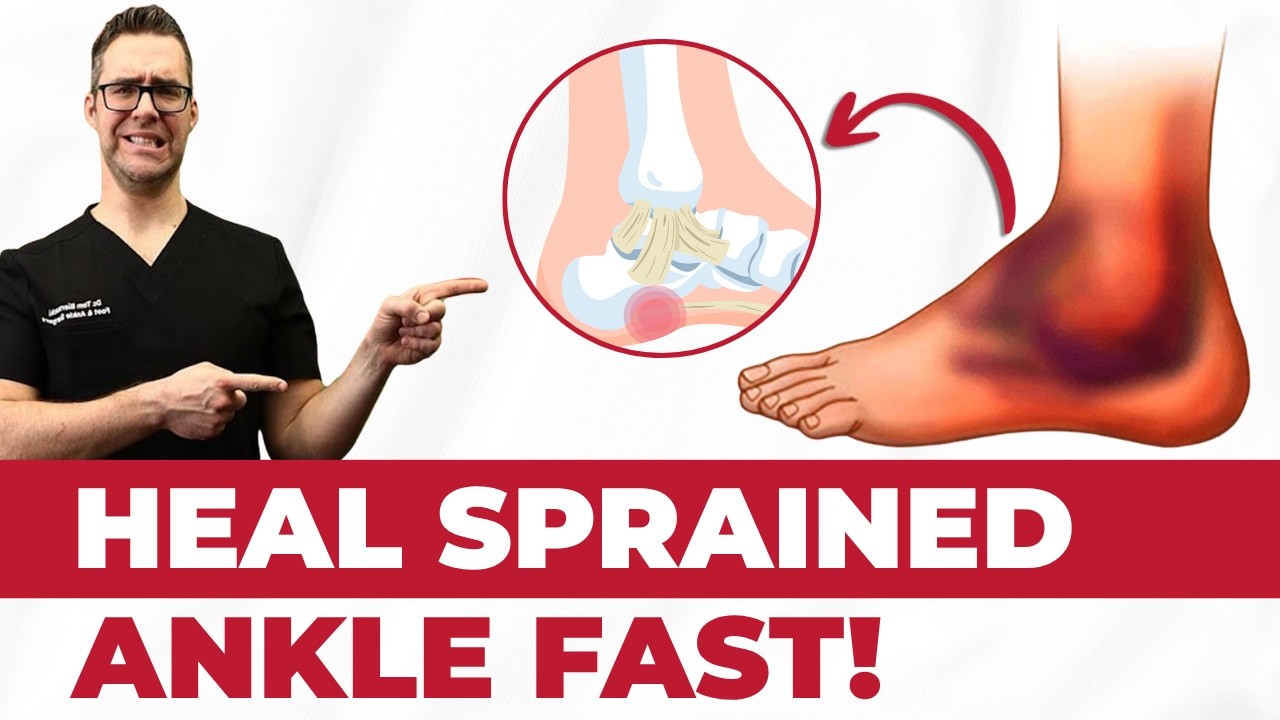
Watch: Fix TWISTED Ankle, ROLLED Ankle or SPRAINED Ankle Ligaments FASTER! — MichiganFootDoctors YouTube
PowerStep Pinnacle — arch support reduces re-injury risk during recovery.
As an Amazon Associate, Balance Foot & Ankle earns from qualifying purchases. Product recommendations are based on clinical experience; prices and availability shown above update live from Amazon.

When to See a Podiatrist
A sprain that hasn’t fully recovered after 6 weeks often has residual ligament laxity or occult fracture that keeps the ankle unstable. Balance Foot & Ankle X-rays and stress-tests every lingering sprain — if the ligament is torn, we offer bracing, PRP, and (for chronic instability) minimally-invasive repair. Don’t keep re-rolling the same ankle; let us stabilize it properly.
Call Balance Foot & Ankle: (810) 206-1402 · Book online · Offices in Howell & Bloomfield Township
Frequently Asked Questions
What are the most common foot injuries in soccer?
The most common foot injuries in soccer include lateral ankle sprains from direction changes and tackles, turf toe from hyperextension on artificial surfaces, metatarsal stress fractures from high training volume, and plantar fasciitis from inadequate arch support in cleats. Youth players are also susceptible to Sever disease, a growth plate condition affecting the heel bone.
How do I know if my soccer cleat is causing foot problems?
Signs that your soccer cleat is contributing to foot problems include toe numbness during or after play, blisters that recur in the same spot, arch or heel pain that worsens during training, and black toenails from repetitive impact against the toe box. A properly fitted cleat should have a thumb-width of space at the toe and should not compress the widest part of your foot.
Can I play soccer with plantar fasciitis?
Playing soccer with plantar fasciitis is possible but requires active management. Custom orthotic insoles designed for low-profile cleats reduce strain on the plantar fascia. Pre-activity stretching of the Achilles tendon and plantar fascia, combined with icing after training, helps control inflammation. If heel pain persists despite these measures, reduce training volume and consult a podiatrist to prevent the condition from becoming chronic.
When should a soccer player see a podiatrist for a foot injury?
Soccer players should see a podiatrist when ankle swelling persists beyond 48 hours, when pain increases with each training session rather than improving, when they experience numbness or tingling in the foot or toes, or when they develop pain that affects walking or daily activities. Early evaluation prevents minor issues from progressing to chronic injuries that require extended time away from the sport.
Dealing With a Soccer Foot or Ankle Injury?
Dr. Tom Biernacki and the team at Balance Foot & Ankle Specialists provide sports injury evaluation and treatment for soccer players of all ages in Howell and Bloomfield Township, Michigan.
Book Your AppointmentCall (810) 206-1402 | Same-day appointments available
Insurance Accepted
BCBS · Medicare · Aetna · Cigna · United Healthcare · HAP · Priority Health · Humana · View All →
Howell Office
4330 E Grand River Ave
Howell, MI 48843
Get Directions →
Bloomfield Township Office
43494 Woodward Ave, Suite 208
Bloomfield Township, MI 48302
Get Directions →
Your Board-Certified Podiatrists



Ready to Get Back on Your Feet?
Same-week appointments available at both locations.
Book Your AppointmentDifferential Diagnosis: What Else Could It Be?
Not every case of turf toe / first mtp sprain is straightforward. In our clinic we routinely rule out three look-alike conditions before confirming the diagnosis. If your symptoms don’t match the classic presentation, one of these may explain the pain — which is why physical exam matters more than self-diagnosis.
| Condition | How It Differs |
|---|---|
| Hallux rigidus | Chronic progressive stiffness, not a single hyperextension event; dorsal osteophyte on X-ray. |
| Sesamoiditis | Pain under the joint (at the sesamoid bones), not on top; worse with push-off. |
| Gout | Warm, erythematous, crystal-driven flare; elevated uric acid and crystal arthrocentesis. |
Red Flags — When to See a Podiatrist Now
Seek same-day evaluation at Balance Foot & Ankle if you notice any of the following:
- Inability to push off big toe
- Swelling and bruising across entire joint
- Grade 3 injury on MRI (complete plantar plate tear)
- Progressive hallux valgus after injury
Call (810) 206-1402 or request an appointment. Our Howell and Bloomfield Township offices reserve same-day slots for urgent foot and ankle issues.
In Our Clinic: What We See
Clinical perspective from Dr. Tom Biernacki, DPM — Balance Foot & Ankle, Howell & Bloomfield Township, MI:
Turf toe is the injury everyone remembers — a football cleat stuck in the turf, a yoga pose that forced the toe too far back, or a misstep off a curb. In our clinic we grade 1, 2, or 3. Grade 1 is taping, a stiff-soled shoe, and return to play in a week. Grade 2 frequently takes 4-6 weeks and may need a carbon-fiber plate inside the shoe. Grade 3 plantar-plate tears need imaging and often surgical repair. We have patients keep a photo of the toe in neutral so we can track swelling and bruising across follow-ups. Return-to-sport is earned, not timed.
In-Office Treatment at Balance Foot & Ankle
If home treatment isn’t providing relief for your ankle instability, our podiatry team at Balance Foot & Ankle can help with same-day evaluations and advanced in-office care.
Same-day appointments available. (810) 206-1402
Doctor Hoy’s Natural Pain Relief Gel
Natural topical pain relief I use in our clinic. Arnica + camphor formula — apply directly to the area 3–4x daily. ($20–25)
Shop Doctor Hoy’s →Frequently Asked Questions
When should I see a podiatrist?
If symptoms persist past 2 weeks, affect your normal activity, or are accompanied by red-flag symptoms (warmth, redness, swelling, inability to bear weight).
What does treatment cost?
Most diagnostic visits and conservative treatments are covered by Medicare and major insurers. Out-of-pocket costs vary by your specific plan.
How quickly can I get an appointment?
Most non-urgent cases see us within 5 business days. Urgent cases (sudden pain, possible fracture) typically same or next business day.
What is Ankle sprain?
Ankle sprain is a common foot/ankle condition that affects mobility and quality of life. Understanding the underlying cause is the first step in successful treatment. Our podiatrists at Balance Foot & Ankle perform a hands-on biomechanical exam, review your activity history, and use diagnostic imaging when appropriate to identify the root cause—not just treat the symptom. Many patients have been told to “rest and ice” without a deeper diagnostic workup; our approach is different.
Symptoms and warning signs
Common signs of ankle sprain include pain that worsens with activity, morning stiffness, swelling, tenderness when palpated, and difficulty bearing weight. If you experience sudden severe pain, inability to walk, visible deformity, numbness or color change, contact our office the same day or visit urgent care—these can signal a more serious injury such as a fracture, tendon rupture, or vascular compromise. Diabetics with any foot wound should seek same-day care.
Conservative treatment options
Most cases of ankle sprain respond to non-surgical care: structured rest, supportive footwear changes, custom orthotics, targeted stretching and strengthening protocols, anti-inflammatory medications when medically appropriate, and in-office procedures such as ultrasound-guided injections. We also offer advanced therapies including MLS laser therapy, EPAT/shockwave, regenerative injections, and image-guided procedures. Treatment is sequenced from least invasive to most invasive, and we explain the rationale at every step.
When is surgery considered?
Surgery is reserved for cases that fail 3-6 months of well-structured conservative care, when there is structural pathology (severe deformity, complete tear, advanced arthritis), or when imaging shows damage that will not heal without intervention. Our surgeons have performed 3,000+ foot and ankle procedures and prioritize minimally-invasive techniques whenever appropriate. We discuss recovery timelines, return-to-activity milestones, and realistic outcome expectations before any procedure is scheduled.
Recovery timeline and prevention
Recovery from ankle sprain varies based on severity and chosen treatment path. Conservative cases often improve within 4-8 weeks with consistent adherence to the protocol. Post-procedural recovery may range from a few days (in-office procedures) to several months (reconstructive surgery). Long-term prevention involves footwear assessment, activity modification, structured strengthening, and regular check-ins with your podiatrist if you have a history of recurrence. We provide written home-exercise plans and digital follow-up support.
Ready to feel better?
Same-week appointments available in Howell and Bloomfield Township, Michigan.
Book Your VisitGet Expert Care at Balance Foot & Ankle
Same-week appointments at our Howell and Bloomfield Township offices. Board-certified podiatric surgeons. Most insurance accepted.

Dr. Tom Biernacki, DPM is a board-certified foot & ankle surgeon (ABFAS & ABPM) at Balance Foot & Ankle Specialists in Southeast Michigan. With over a decade of clinical experience, he specializes in heel pain, bunions, diabetic foot care, sports injuries, and minimally invasive surgery. Dr. Biernacki is a member of the APMA and ACFAS, and his patient education content on MichiganFootDoctors.com and YouTube has made him one of the most-followed foot & ankle educators on YouTube.
More questions patients ask
How long does an ankle sprain take to heal?
Recovery time depends on severity: Grade 1 (mild stretching) typically heals in 1-3 weeks, Grade 2 (partial tear) in 3-6 weeks, and Grade 3 (complete tear) in 6-12 weeks or longer. Proper rehabilitation is critical to prevent chronic ankle instability, which affects up to 40% of patients who don't receive adequate treatment. Dr. Biernacki creates customized recovery plans.
When should I see a doctor for a sprained ankle?
Seek professional evaluation if you can't bear weight, notice significant swelling or bruising, hear a pop at the time of injury, have numbness, or if pain hasn't improved after 5-7 days of RICE treatment. X-rays or MRI may be needed to rule out fractures. Dr. Biernacki offers same-day urgent evaluations at 810-206-1402.
Can a sprained ankle heal without treatment?
While mild sprains may heal with rest and home care, undiagnosed ligament tears and improperly rehabilitated sprains frequently lead to chronic ankle instability, recurrent sprains, and early-onset arthritis. A proper evaluation ensures appropriate treatment and reduces your risk of long-term complications significantly.
Still have a question about coverage or cost? Book online and we will check your benefits before your visit: Book in Howell · Book in Bloomfield Township. Prefer to talk it through first? Call (810) 206-1402.