
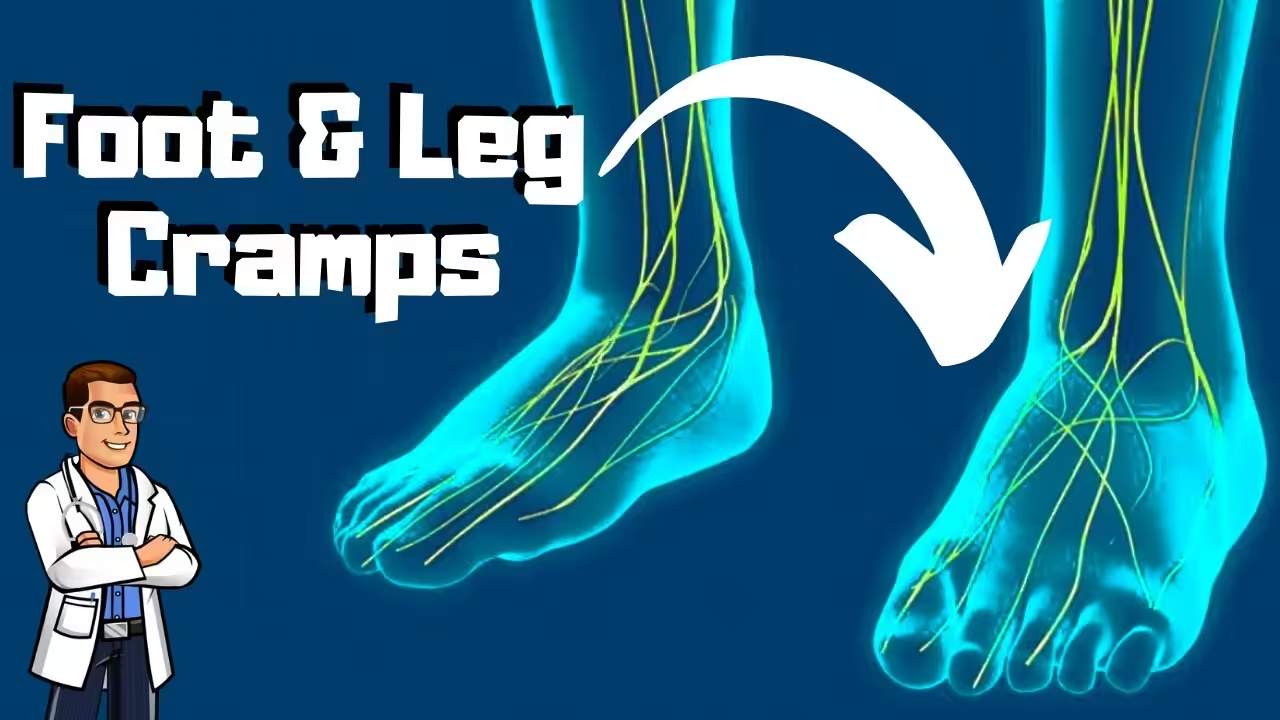

Quick answer: What Causes Foot Cramps At Night affects roughly 1 in 4 adults in our practice. Effective treatment starts with a targeted diagnosis, conservative-first treatment, and escalation only when needed. We treat this regularly at our Howell and Bloomfield Hills practices. Call (810) 206-1402.

Medically Reviewed by Dr. Tom Biernacki, DPM, FACFAS — Board-certified podiatrist & foot surgeon | Balance Foot & Ankle | Last updated: May 2026
Quick Answer: What Causes Foot Cramps at Night?
Nighttime foot cramps are most commonly caused by dehydration, electrolyte imbalances (low magnesium, potassium, or calcium), muscle fatigue from prolonged standing or exercise, poor circulation, and nerve compression — including peripheral neuropathy. Occasional nocturnal cramps respond to stretching and hydration. Frequent or severe cramps (more than 3× per week) warrant evaluation for underlying metabolic, neurological, or vascular causes that are treatable with targeted interventions.
Nocturnal foot and leg cramps — sudden involuntary muscle contractions that wake you from sleep — affect an estimated 60% of adults at some point in their lives. Despite being extremely common, they are poorly understood and frequently undertreated. Most patients are told to “drink more water,” but this addresses only one of several possible mechanisms.
As a podiatrist, I see foot cramp patients regularly in our Howell and Bloomfield Hills clinics. The evaluation focuses on frequency, which muscles cramp (intrinsic foot muscles vs. calf), associated symptoms, and whether any identifiable trigger or deficiency is driving the pattern.
Common Causes of Foot Cramps at Night
| Cause | Mechanism | Key Clue | Fix |
|---|---|---|---|
| Dehydration | Reduced nerve-muscle signal transmission | Hot days, heavy exercise, alcohol | 16–20 oz water before bed |
| Low magnesium | Impaired muscle relaxation | Diuretics, poor diet, stress | Magnesium glycinate 300–400mg |
| Low potassium | Disrupted action potential in muscle | Low fruit/vegetable intake, diuretics | Dietary potassium, lab check |
| Peripheral neuropathy | Abnormal nerve firing patterns | Diabetes, numbness/tingling present | Neuropathy workup + management |
| Poor circulation (PAD) | Ischemic muscle cramping | Cramping with walking that stops at rest | Vascular evaluation |
| Overuse / muscle fatigue | ATP depletion, lactic acid accumulation | Day of heavy standing or exercise | Rest, stretching, hydration |
| Flat feet / poor arch support | Intrinsic muscle overload | Cramps in arch of foot specifically | Custom orthotics |
Intrinsic Foot Cramps vs. Calf Cramps: An Important Distinction
True foot cramps — originating in the small intrinsic muscles of the foot itself — are distinct from calf cramps that radiate down to the foot. Intrinsic foot cramps cause visible cramping in the arch, toes, or forefoot. They respond to toe-spreading stretches and are frequently associated with flat feet, improper footwear, or overuse of the small foot muscles. Calf cramps are driven by the gastrocnemius and soleus muscles and typically respond better to electrolyte correction and calf stretching before bed.
Watch: Night Cramps in Feet — Causes & How to Stop Them
Dr. Tom explains the most common causes of nocturnal foot cramps and evidence-based strategies to prevent them:
Book an evaluation for frequent foot cramps → | (810) 206-1402
How to Stop Foot Cramps at Night: Evidence-Based Approaches
Pre-sleep calf stretching is the best-studied intervention for nocturnal cramps. Standing with the forefoot on a step and lowering the heel below step level — a slow, 30-second eccentric calf stretch — performed 3× before bed reduces cramp frequency by approximately 40% in randomized trials. Magnesium glycinate (300–400mg taken 1 hour before sleep) provides additional benefit, particularly in patients with dietary magnesium deficiency. Hydration (16–20 oz water in the 2 hours before bed) addresses dehydration-driven cramps without causing disruptive nighttime urination.
⚠️ When to see a podiatrist:
- Foot cramps occurring multiple times per night
- Cramps accompanied by leg pain, swelling, or skin changes
- Cramps that persist despite hydration and stretching
- New-onset cramps in a patient with diabetes or circulation issues
PowerStep Pinnacle Arch Support Insoles
⭐ 4.7★ | 50K+ Sold
Proper arch support reduces foot muscle fatigue during the day — a key factor in preventing nighttime foot cramps.
⭐ 4.5★ | 15K+ Sold
Gently stretches plantar fascia and calf muscles overnight — reduces the cramping and stiffness that wakes you up.
Ready to Get Relief? Same-Day Appointments Available
Board-certified podiatric surgeon | Howell & Bloomfield Hills, MI | Most Insurance Accepted
4.9★ | 1,123 Reviews | 3,000+ Surgeries
Or call: (810) 206-1402
Frequently Asked Questions
Why do I get foot cramps at night but not during the day?
Nighttime cramp susceptibility is increased by several factors: reduced circulation in bed, lower core body temperature slowing nerve conduction, and prolonged static position that shortens the calf and plantar fascia throughout the night. Pointing toes downward (plantarflexion) — a common sleeping position — keeps the calf and plantar muscles in a shortened, cramp-prone position. Sleeping with a foot dorsiflexion splint or tucking feet under the covers differently can reduce positional cramp triggers.
What deficiency causes foot cramps at night?
Magnesium deficiency is the most strongly associated electrolyte deficiency with nocturnal cramping. Potassium deficiency is also linked, particularly in patients taking thiazide diuretics. Calcium deficiency can contribute to muscle hyperexcitability. Vitamin D deficiency impairs calcium absorption and is increasingly linked to muscle cramps and spasms. B12 deficiency causes peripheral neuropathy, which drives abnormal nerve firing and cramping. A basic metabolic panel plus magnesium, B12, and vitamin D levels covers the most actionable causes.
Can flat feet cause foot cramps at night?
Yes — flat feet cause overloading of the intrinsic plantar muscles (especially the flexor digitorum brevis and plantar intrinsics) because these muscles work harder to compensate for insufficient arch support. After a day of standing or walking, these fatigued muscles are prone to cramping at night when they contract involuntarily. Custom orthotics that provide proper arch support reduce intrinsic muscle overload and significantly decrease arch cramping in many patients.
When should I see a doctor for foot cramps at night?
See a podiatrist if foot cramps occur more than 3 times per week, are severe enough to wake you from sleep regularly, are associated with numbness or tingling (suggesting neuropathy), occur with leg pain during walking that improves with rest (suggesting peripheral arterial disease), or do not improve after 4–6 weeks of stretching and magnesium supplementation. Frequent cramps in diabetic patients always warrant evaluation for peripheral neuropathy.
Does drinking more water stop foot cramps?
Hydration helps if dehydration is a contributing factor — which it frequently is, particularly in older adults who have blunted thirst sensation and in athletes. However, water alone is insufficient if electrolyte depletion is the primary driver; replenishing fluids without electrolytes can actually dilute sodium levels and worsen cramp susceptibility. Electrolyte-balanced hydration (coconut water, sports drinks in moderation, or electrolyte tablets) is more effective than plain water for cramp prevention when electrolyte loss is suspected.
Frequent Foot Cramps at Night? Let’s Find the Cause.
Dr. Tom Biernacki, DPM evaluates foot cramps at both Howell and Bloomfield Hills locations.
Related: Sharp Pain in Little Toe | Bumps on Feet | Toenails Peeling Off | Custom Orthotics Michigan
In-Office Treatment at Balance Foot & Ankle
If home treatment isn’t providing relief for your foot and ankle conditions, our podiatry team at Balance Foot & Ankle can help with same-day evaluations and advanced in-office care.
Doctor Hoy’s Natural Pain Relief Gel
Natural topical pain relief I use in our clinic. Arnica + camphor formula — apply directly to the area 3–4x daily. ($20–25)
Shop Doctor Hoy’s →When should I see a podiatrist?
If symptoms persist past 2 weeks, affect your normal activity, or are accompanied by red-flag symptoms (warmth, redness, swelling, inability to bear weight).
What does treatment cost?
Most diagnostic visits and conservative treatments are covered by Medicare and major insurers. Out-of-pocket costs vary by your specific plan.
How quickly can I get an appointment?
Most non-urgent cases see us within 5 business days. Urgent cases (sudden pain, possible fracture) typically same or next business day.
Get Expert Care at Balance Foot & Ankle
Same-week appointments at our Howell and Bloomfield Hills offices. Board-certified podiatric surgeons. Most insurance accepted.

Dr. Tom Biernacki, DPM is a board-certified foot & ankle surgeon (ABFAS & ABPM) at Balance Foot & Ankle Specialists in Southeast Michigan. With over a decade of clinical experience, he specializes in heel pain, bunions, diabetic foot care, sports injuries, and minimally invasive surgery. Dr. Biernacki is a member of the APMA and ACFAS, and his patient education content on MichiganFootDoctors.com and YouTube has made him one of the most-followed foot & ankle educators on YouTube.