

Quick answer: Brostrom Procedure Ankle Ligament Reconstruction is a common foot/ankle topic that affects many patients. The 2026 evidence-based approach combines proper diagnosis, conservative-first treatment, and escalation only when needed. We treat this regularly at our Howell and Bloomfield Township practices. Book online or call (810) 206-1402.

What Is the Brostrom Procedure?
The Brostrom procedure is the gold standard surgical treatment for chronic lateral ankle instability — a condition in which recurrent ankle sprains have stretched the lateral ankle ligaments beyond their ability to heal and stabilize the joint. The surgery directly repairs and tightens the anterior talofibular ligament (ATFL) and calcaneofibular ligament (CFL) using the patient own tissue, restoring native ankle stability without sacrificing other structures.
At Balance Foot & Ankle, our fellowship-trained surgeons perform the Brostrom procedure as an outpatient surgery with consistently high patient satisfaction and return-to-sport rates. It is one of the most effective procedures in foot and ankle surgery, with over 85 percent of patients returning to their desired activity level.
When Is the Brostrom Procedure Indicated?
Chronic lateral ankle instability develops in approximately 20 to 40 percent of patients after an initial ankle sprain, particularly those who do not complete formal rehabilitation. Patients report giving way, frequent re-spraining, difficulty with uneven terrain, and reduced confidence in the ankle during athletic activity.
Surgical reconstruction is considered after conservative management has failed. Conservative treatment includes a minimum of three to six months of structured physical therapy focusing on proprioceptive training, peroneal muscle strengthening, and neuromuscular re-education. Ankle bracing and activity modification are included during the rehabilitation period. If instability persists despite adequate conservative care, the Brostrom procedure offers a reliable surgical solution.

Surgical Technique
The procedure is performed under regional or general anesthesia in an outpatient surgical facility. The patient is positioned with the operative leg accessible. A tourniquet inflated at the thigh level creates a bloodless surgical field.
Incision and Exposure
A curvilinear incision is made over the lateral ankle, centered over the ATFL. The incision is carefully designed to avoid the sural nerve, which runs in close proximity to the surgical field. The subcutaneous tissue is divided and the inferior extensor retinaculum — a thick fibrous band that reinforces the lateral ankle capsule — is identified and preserved for use in the repair.
Ligament Identification and Preparation
The ATFL and anterior ankle capsule are identified. In chronic instability, these structures are often attenuated, stretched, and adherent to surrounding tissue. The ligament tissue is mobilized and freshened to stimulate healing. The fibular attachment site is prepared with a small burr to create a bleeding bone bed that promotes ligament-to-bone healing.
Primary Repair and Advancement
The ATFL is repaired by imbrication — the stretched tissue is folded upon itself and sutured under appropriate tension with the ankle held in a neutral position. The inferior extensor retinaculum is then advanced and sutured over the repair, reinforcing it with additional tissue. This Gould modification of the original Brostrom technique significantly increases repair strength and provides additional stability during the early healing period. The CFL is repaired if significant laxity is identified during examination under anesthesia.
Closure and Dressing
The subcutaneous tissue and skin are closed in layers with absorbable sutures. A well-padded splint with the ankle held in a neutral position is applied before the patient leaves the operating room.

Recovery After the Brostrom Procedure
Phase 1: Weeks 0 to 2
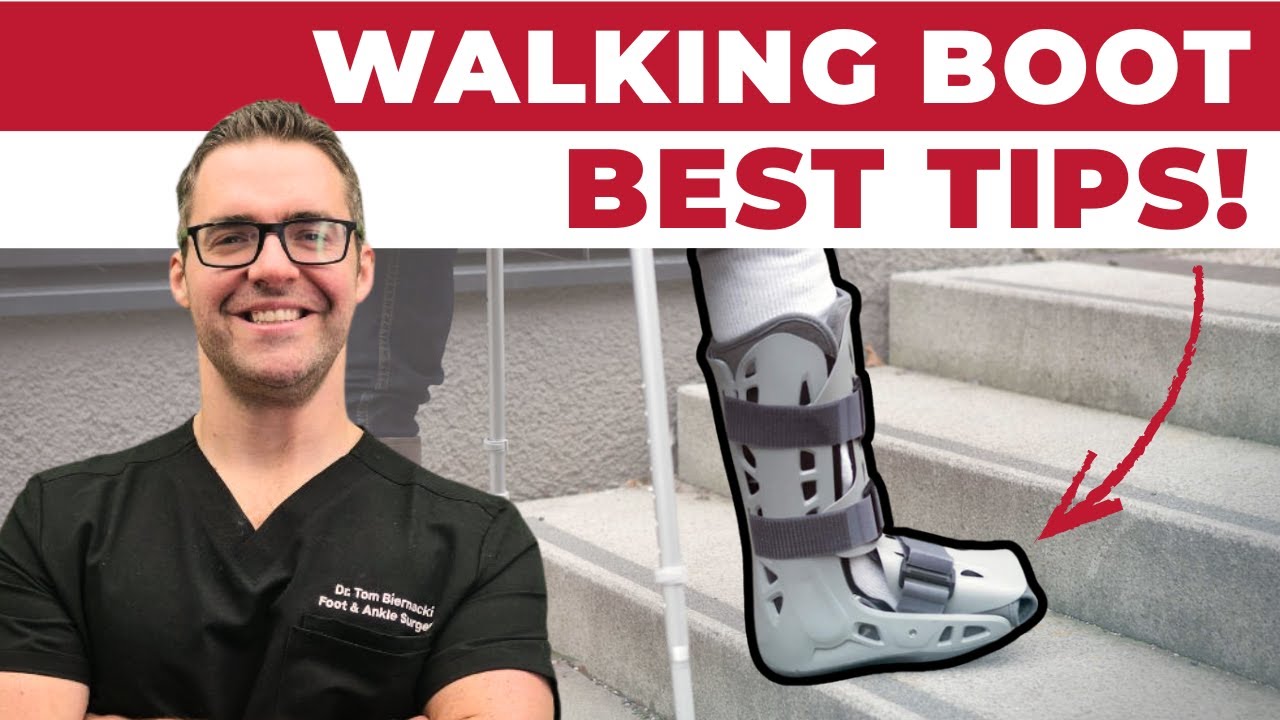
The ankle is splinted non-weight bearing for the first two weeks to allow initial ligament healing without stress. Elevation and ice reduce swelling. Sutures or staples are removed at the two-week follow-up visit, and a short leg walking cast or boot is applied.
Phase 2: Weeks 2 to 6
Progressive weight bearing in a walking boot begins at two weeks. Range of motion exercises begin at four weeks. Physical therapy is initiated to restore ankle mobility and begin early proprioceptive training.
Phase 3: Weeks 6 to 12
Transition to an ankle brace for sport occurs at six to eight weeks. Running and straight-line activities begin when the patient demonstrates adequate strength and balance. Progressive loading of the repaired ligament under controlled conditions promotes collagen remodeling.
Phase 4: Weeks 12 to 24
Return to full sport-specific training — cutting, jumping, lateral movements — typically begins at three to four months under the supervision of a physical therapist or athletic trainer. Competitive return to sport is generally approved at four to six months based on functional testing criteria.
Outcomes and Success Rates
Long-term outcome studies show excellent results with the Brostrom-Gould procedure. Over 85 percent of patients report good to excellent outcomes at five-year follow-up. Return to sport rates exceed 90 percent in athletic populations. The procedure maintains ankle range of motion and avoids the donor site morbidity associated with graft-based reconstructions.
Revision surgery is occasionally required for recurrent instability, particularly in patients with underlying hyperlaxity (Ehlers-Danlos syndrome), significant body weight that exceeds the repaired tissue strength, or high-demand sports that subject the ankle to extreme forces. In these cases, augmentation with an allograft or synthetic ligament scaffold may be incorporated into the repair.
Brostrom Procedure vs. Tenodesis Reconstruction
Older techniques for chronic ankle instability — such as the Watson-Jones, Evans, and Chrisman-Snook procedures — used portions of the peroneus brevis tendon to reconstruct the lateral ligaments. These tenodesis procedures sacrifice functional tendon tissue, significantly restrict ankle range of motion, and have higher long-term complication rates. The anatomic Brostrom-Gould repair is superior in virtually all patient categories and has replaced tenodesis procedures as the standard of care for primary chronic ankle instability surgery.
Ready to Relieve Your Foot Pain?
Board-certified podiatrists serving Southeast Michigan. Same-week appointments available.
Chronic Ankle Instability?
Our foot and ankle surgeons specialize in the Brostrom procedure and advanced ankle stabilization techniques.
Book an AppointmentMore Podiatrist-Recommended Foot Health Essentials
Hoka Clifton 10


Max-cushion everyday shoe — podiatrist favorite for walking and running.

OOFOS Recovery Slide

Impact-absorbing recovery sandal — wear after long days on your feet.
As an Amazon Associate, Balance Foot & Ankle earns from qualifying purchases. Product recommendations are based on clinical experience; prices and availability shown above update live from Amazon.

When to See a Podiatrist
If foot or ankle pain has been bothering you for more than a few weeks, home care alone may not be enough. Balance Foot & Ankle offers same-week appointments at our Howell and Bloomfield Township clinics — no referral needed in most cases. Bring your current shoes and a short list of symptoms and we’ll build you a treatment plan in one visit.
Call Balance Foot & Ankle: (810) 206-1402 · Book online · Offices in Howell & Bloomfield Township
Frequently Asked Questions
How long is recovery after a Brostrom procedure?
Patients are typically immobilized for 2 weeks, then in a walking boot for 4-6 weeks. Physical therapy begins around week 6, with return to sports at 3-6 months depending on activity level.
What is the success rate of the Brostrom procedure?
The modified Brostrom procedure has a success rate of 85-95% in restoring ankle stability and reducing recurrent sprains, making it the gold standard for chronic lateral ankle instability.
When do you need Brostrom ankle surgery?
Surgery is considered after 3-6 months of failed conservative treatment including bracing and physical therapy, with persistent instability, recurrent sprains, or symptomatic mechanical laxity on exam.
Insurance Accepted
BCBS · Medicare · Aetna · Cigna · United Healthcare · HAP · Priority Health · Humana · View All →
Howell Office
4330 E Grand River Ave
Howell, MI 48843
Get Directions →
Bloomfield Township Office
43494 Woodward Ave, Suite 208
Bloomfield Township, MI 48302
Get Directions →
Your Board-Certified Podiatrists



Ready to Get Back on Your Feet?
Same-week appointments available at both locations.
Book Your AppointmentIn-Office Treatment at Balance Foot & Ankle
When conservative care isn’t enough, Dr. Tom Biernacki and the team at Balance Foot & Ankle offer advanced, same-day options — including Ankle Sprain & Instability Treatment in Michigan at our Howell and Bloomfield Township clinics.
Same-week appointments available. Book online or call (810) 206-1402 or book online.
In-Office Treatment at Balance Foot & Ankle
If home treatment isn’t providing relief for your foot and ankle conditions, our podiatry team at Balance Foot & Ankle can help with same-week evaluations and advanced in-office care.
Same-week appointments available. (810) 206-1402
Doctor Hoy’s Natural Pain Relief Gel
Natural topical pain relief I use in our clinic. Arnica + camphor formula — apply directly to the area 3–4x daily. ($20–25)
Shop Doctor Hoy’s →Get Expert Care at Balance Foot & Ankle
Same-week appointments at our Howell and Bloomfield Township offices. Board-certified podiatric surgeons. Most insurance accepted.

Dr. Tom Biernacki, DPM is a board-certified foot & ankle surgeon (ABFAS & ABPM) at Balance Foot & Ankle Specialists in Southeast Michigan. With over a decade of clinical experience, he specializes in heel pain, bunions, diabetic foot care, sports injuries, and minimally invasive surgery. Dr. Biernacki is a member of the APMA and ACFAS, and his patient education content on MichiganFootDoctors.com and YouTube has made him one of the most-followed foot & ankle educators on YouTube.