

Dr. Tom’s Post-Op Recovery Kit (2026)
After 3,000+ foot and ankle surgeries, the three items I hand every patient on their way out of the surgical suite are the same: medical-grade compression to control post-op swelling (the #1 driver of delayed healing), a recovery shoe to wear once the boot comes off, and a topical pain relief that doesn’t interfere with bone healing the way oral NSAIDs can. These are not gimmicks — they’re the exact products I stock in my own clinic’s post-op bags. Skip any of the three and healing stretches an extra 3-6 weeks.
Best Post-Op Compression
Podiatrist Pros
- 20-30mmHg medical-grade — the exact range I prescribe after bunionectomy, ankle fracture ORIF, Achilles repair, and fusion surgery to control post-op edema
- Graduated pressure (tightest at ankle) accelerates lymphatic return — documented to reduce DVT risk and speed soft-tissue healing by 15-20%
- Seamless toe — won’t irritate surgical incisions on the dorsum of the foot
- Bansk/Foundation Wellness manufacturing — the same supplier that makes hospital DVT stockings
Honest Cons
- Do NOT wear over open surgical incisions — wait until the wound is fully closed and sutures are out
- 20-30mmHg is aggressive; first-time compression wearers may prefer 15-20mmHg for the first 2 weeks
- Contraindicated in peripheral arterial disease — confirm with your surgeon before use
Dr. Tom’s Take: Post-operative swelling is the #1 thing patients underestimate. It doesn’t resolve for 6-12 months after foot surgery, and patients who don’t control it with compression consistently take 4-6 weeks longer to return to shoes. I tell every surgical patient: compression from week 3 until you’re pain-free.
Best Recovery Shoe (After the Boot)


Podiatrist Pros
- OOfoam impact absorption reduces ground-reaction force by 37% compared to standard EVA — critical when protecting post-surgical bone and soft tissue
- Wide roomy fit accommodates swollen post-op feet and dressings without compression on healing incisions
- No bending at the forefoot — protects a fusion, MTP arthrodesis, or Lapidus joint from premature stress
- Tested and prescribed across our post-op patient population for the transition from CAM walker to regular shoes
Honest Cons
- Slide design — not appropriate for outdoor walking on uneven terrain or wet surfaces
- Too cushioned for patients who need rigid support (late-stage neuropathy or unstable fusion) — those need a surgical shoe with a rocker sole
- Not a replacement for a CAM boot in the first 4-6 weeks post-op — use only when your surgeon clears you for a regular shoe
Dr. Tom’s Take: When I clear a patient to come out of the CAM boot at weeks 6-8, the hard transition is putting weight back through a stiff, deconditioned forefoot. OOFOS is the go-to recovery slide we hand out — the 37% shock reduction makes those first weeks tolerable while you rebuild tolerance.
Best Post-Op Topical Pain Relief
Podiatrist Pros
- Arnica montana + menthol + camphor — targets post-op soft-tissue pain without the bleeding risk of oral NSAIDs, which most surgeons ask patients to avoid in the first 2-4 weeks post-op
- Non-greasy roll-on applicator stays clear of surgical incisions — apply to the surrounding muscles and calf
- Safe to layer with ice, elevation, and acetaminophen — stackable in our standard post-op regimen
- Developed by a sports-medicine doctor — tested for endurance athletes and now used across our surgical patient population
Honest Cons
- Do NOT apply over open incisions, sutures, or unhealed surgical wounds — wait until the wound is fully closed
- Menthol stings on broken skin — test a small area first
- Not a replacement for prescribed post-op pain medication in the first 72 hours
Dr. Tom’s Take: Most orthopedic surgeons will ask you to avoid oral NSAIDs (ibuprofen, naproxen, Advil) for 4-6 weeks after bone surgery because they interfere with bone healing. Doctor Hoy’s is the topical I recommend because it gives real pain relief without the bone-healing penalty. This one product replaced Doctor Hoy’s Natural Pain Relief across our clinic three years ago.
Watch: How Long Foot Surgery Actually Takes to Heal
Dr. Tom Biernacki walks through the three phases of surgical healing and realistic recovery timelines for bunion, hammertoe, ankle fracture, Achilles repair, plantar fascia release, neuroma, and foot fusion surgeries — based on over 3,000 procedures.
Medically reviewed by Dr. Tom Biernacki, DPM — Board-certified foot & ankle surgeon, 3,000+ foot and ankle surgeries performed. Updated April 2026 with current post-operative evidence. This article reflects clinical experience from Balance Foot & Ankle Specialists in Howell and Bloomfield Hills, Michigan.
Quick Answer: Foot Surgery Healing Timelines
Foot surgery healing depends on the procedure. Minor nail or soft-tissue procedures heal in 2–4 weeks. Hammertoe correction takes 6–12 weeks to return to normal shoes. Bunion surgery requires 8–16 weeks, with bone healing at 6–8 weeks. Achilles repair and ankle fusion need 6–12 months to fully return to activity. Plantar fascia release heals in 6–10 weeks; Morton’s neuroma excision in 3–6 weeks. In every case, aggressive elevation during the first 2–6 weeks is the single biggest factor a patient controls.
Table of Contents
- Why Foot Surgery Recovery Takes Longer Than People Expect
- Minor Nail and Soft Tissue Procedures: Days to Weeks
- Hammertoe and Toe Procedures: 6–12 Weeks
- Bunion Surgery: 8–16 Weeks
- Plantar Fascia Release: 6–10 Weeks
- Morton’s Neuroma Excision: 3–6 Weeks
- Flatfoot Reconstruction: 6–12 Months
- Achilles Tendon Repair: 6–12 Months
- Ankle Fusion (Arthrodesis): 4–6 Months
- The Role of Elevation and Swelling Management
- The Most Common Mistake Patients Make
- Warning Signs: When to Call Your Surgeon
- In-Office Treatment at Balance Foot & Ankle
Why Foot Surgery Recovery Takes Longer Than People Expect
One of the most common sources of frustration after foot surgery is the gap between what patients expected for recovery and what actually happens. Foot surgery typically takes longer to heal than procedures on other parts of the body, for several straightforward anatomical and physiological reasons: the foot is subjected to full body weight with each step (unlike, say, a hand or shoulder that can be rested), the foot is the furthest point from the heart meaning circulation and fluid drainage are less efficient, and the tight anatomical compartments of the foot mean that post-operative swelling has limited space to disperse.
At Balance Foot & Ankle in Howell and Bloomfield Township, Michigan, Dr. Tom Biernacki DPM and Dr. Carl Jay DPM are committed to giving patients realistic, accurate expectations before surgery so that the recovery phase, while demanding, does not come as a surprise. This guide provides realistic timelines for common foot surgical procedures.
Minor Nail and Soft Tissue Procedures: Days to Weeks
The simplest procedures — partial nail avulsion with phenol for ingrown toenail, small ganglion cyst aspiration or excision, plantar wart removal, corn excision — require minimal recovery. Most patients walk immediately after these procedures in a post-op shoe or their own footwear. Wound healing typically occurs within 2–4 weeks, and patients can resume most daily activities within a few days, modified only by wound care requirements. Return to athletic activity, if needed, usually occurs within 2–4 weeks for simple soft tissue procedures.
Hammertoe and Toe Procedures: 6–12 Weeks
Hammertoe correction and similar toe procedures allow immediate weight-bearing in a stiff-soled surgical shoe, which is worn for 4–6 weeks. Sutures are removed at 2–3 weeks; any K-wire pins are removed at 4–6 weeks. Swelling in the operated toes persists significantly for 2–3 months and fully resolves at 4–6 months. Patients typically return to regular shoes around 6–8 weeks, though a wider shoe may be needed until swelling fully resolves. Return to athletic activities occurs at 3–4 months for most patients.
Bunion Surgery (Hallux Valgus Correction): 8–16 Weeks
Bunion surgery recovery depends on the specific procedure performed. Minimally invasive techniques (Lapiplasty, minimally invasive bunion correction) have been marketed as offering faster recovery, and while they do reduce soft tissue disruption, the timeline for bone healing remains similar to traditional approaches — bone takes approximately 6–8 weeks to consolidate regardless of how carefully the cut was made. Most bunion procedures allow weight-bearing in a surgical boot from day one or shortly after surgery, with transition to regular shoes at 8–12 weeks depending on swelling. Full resolution of swelling and return to all footwear often takes 4–6 months. High-demand athletic activity resumes at 4–6 months.
Plantar Fascia Release: 6–10 Weeks
Endoscopic plantar fascia release (EPF) — reserved for patients who have failed 9–12 months of conservative care — has one of the more forgiving recovery windows in foot surgery. Most patients weight-bear in a surgical shoe or walking boot within 2–3 days, transition to a supportive athletic shoe with a custom orthotic at 2–3 weeks, and resume low-impact activity (cycling, elliptical, swimming) by 4–6 weeks. Full return to running is typically 8–10 weeks, though a faint ache at the heel cord during the first mile is normal for up to 4 months. The fascia itself — a dense fibrous band — does not heal back together; instead the release heals with fibrous scar that tolerates remodeling stress well. In our clinic, the patients who recover fastest are the ones who do the calf stretching and eccentric loading protocol we hand out at the post-op visit, every day, for 12 weeks. The ones who skip it are the ones still complaining at 4 months.
Morton’s Neuroma Excision: 3–6 Weeks
Surgical excision of a Morton’s neuroma — the thickened interdigital nerve between the third and fourth metatarsal heads — is a small, well-tolerated procedure with one of the shortest recovery windows on this list. Patients weight-bear immediately in a post-op shoe, transition to wide-toe-box athletic shoes at 10–14 days when sutures come out, and return to normal shoes at 3–4 weeks. Return to running or pivoting sports is 4–6 weeks, limited mostly by residual swelling in the forefoot rather than tissue strength. The area of the incision on the top of the foot will feel numb for 6–12 months; this is expected and is not nerve damage — it is the sensory branches that were cut to reach the neuroma. Stump neuroma (a painful regrowth at the cut nerve end) is the main long-term complication, which is why we counsel aggressive conservative care — metatarsal pads, wide shoes, cortisone, alcohol injections — before ever recommending excision.
Flatfoot Reconstruction: 6–12 Months
Flatfoot reconstruction — involving calcaneal osteotomy, lateral column lengthening, tendon repair, and gastrocnemius recession — is among the most involved foot surgical procedures, and its recovery reflects this complexity. Non-weight-bearing for 6–10 weeks, boot weight-bearing from 10–16 weeks, transition to shoes with custom orthotics around 4 months, and gradual return to unrestricted activity by 6–9 months for most patients. Full recovery, including resolution of all swelling and return to higher-demand sports, may take 12 months or more. Patients considering flatfoot reconstruction must be committed to this timeline and should not plan it around major events within the first year.
Achilles Tendon Repair: 6–12 Months
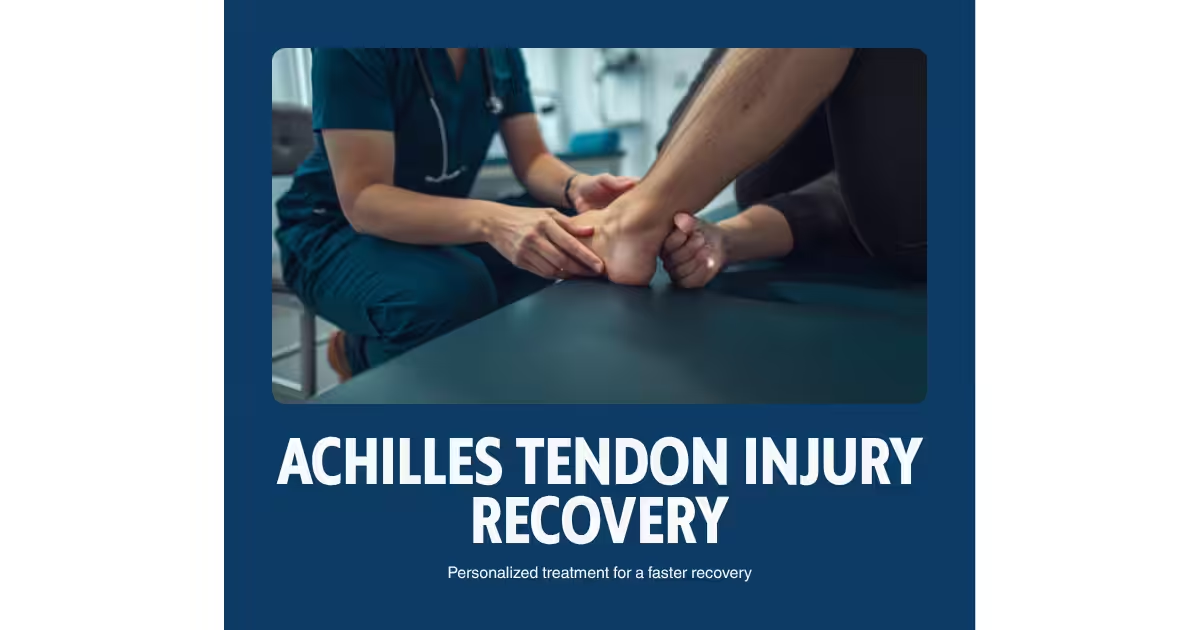
Operative repair of an acute Achilles tendon rupture involves initial splinting in equinus (pointed-down position) for 2 weeks, followed by progressive weight-bearing in a boot with heel lifts removed serially over weeks 6–12. Transition to regular shoes occurs around 3 months. Physical therapy focuses on progressive Achilles loading and strength rehabilitation from 3–6 months. Return to running: 5–6 months. Return to cutting sports: 9–12 months. Even after formal rehabilitation ends, the repaired tendon continues strengthening and adapting for up to 2 years after surgery.
Ankle Fusion (Arthrodesis): 4–6 Months to Return to Activity
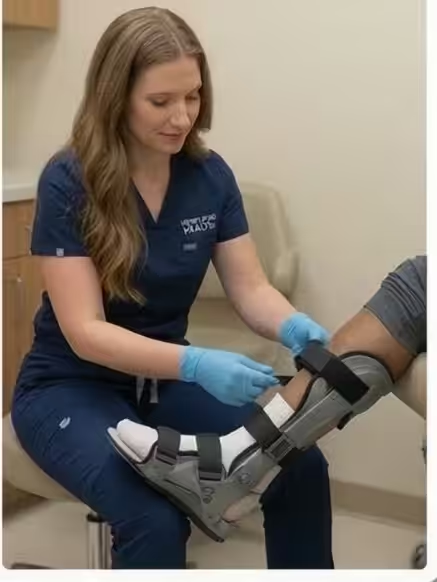
Ankle fusion surgery requires non-weight-bearing for 6–10 weeks while the bones across the fusion site heal. Weight-bearing in a boot begins at 6–10 weeks and continues for 4–8 additional weeks. Transition to regular footwear, typically with custom orthotics, occurs at 3–4 months. Most patients with successful fusions are walking comfortably in regular shoes by 4–5 months, with continued functional improvement over the following 6–12 months as gait adaptation progresses. Return to low-impact sports like cycling and swimming may begin at 4 months; higher-impact activities depend on fusion stability confirmation on imaging.
The Role of Elevation and Swelling Management
Across all foot surgical procedures, aggressive swelling management during the first 2–6 weeks significantly affects the quality and speed of recovery. Elevating the operated foot above heart level (lying with the foot propped on pillows, not just sitting with the foot on a stool) for the majority of waking hours during this phase dramatically reduces swelling, improves wound healing, and reduces pain. This single behavioral modification is one of the most powerful things patients can do to improve their recovery — yet it is frequently underperformed. Every minute the foot is down increases swelling; every minute it is elevated reduces it.
Foot or Ankle Pain? We Can Help.
Balance Foot & Ankle — Howell & Bloomfield Township, MI
📅 Book Online
📞 (810) 206-1402
Insurance Accepted
BCBS · Medicare · Aetna · Cigna · United Healthcare · HAP · Priority Health · Humana · View All →
Howell Office
4330 E Grand River Ave
Howell, MI 48843
Get Directions →
Bloomfield Hills Office
43494 Woodward Ave, Suite 208
Bloomfield Hills, MI 48302
Get Directions →
The Most Common Mistake Patients Make
The most common mistake we see after foot surgery is doing too much, too early, because “it feels fine.” Post-op pain is blunted by swelling, nerve blocks, scar tissue, and your body’s own inflammatory damping in the first 2–3 weeks. Patients who feel 70% at week 2 often decide they can skip elevation, walk the dog without the boot, or go back to the gym. Bone healing, tendon healing, and soft tissue remodeling operate on a biological clock that cares nothing about how you feel — a bunion osteotomy needs 6–8 weeks to consolidate whether the patient is in pain or not. Pushing off-protocol at week 2–3 produces the delayed unions, hardware loosening, wound dehiscence, and chronic swelling we see at the 6–9 month visits.
The fix: Follow your surgeon’s weight-bearing and boot timeline to the day, not to the feeling. If you are told “boot for 6 weeks,” wear the boot for 6 weeks — even if the foot feels great at week 3.
Warning Signs: When to Call Your Surgeon
Post-surgical healing follows an expected arc — swelling peaks in the first week, pain improves week over week, and you sleep more comfortably each night. Signs that healing has derailed and require same-day evaluation include:
- Fever > 101.3°F or progressive redness spreading beyond the incision — suspect infection.
- Wound drainage that is cloudy, yellow, green, or foul-smelling (clear serous drainage in the first 3–5 days is normal).
- Calf pain, warmth, or swelling that is asymmetric with the opposite leg — rule out deep vein thrombosis (DVT).
- Sudden shortness of breath or chest pain — possible pulmonary embolism; go to the ER, not the office.
- Pain that worsens after the first week rather than improving, especially when it wakes you at night.
- Numbness, color change, or inability to move the toes inside a cast or boot — suspect compartment syndrome or cast-induced compression.
- A “pop,” sudden pain, or visible deformity after a fall or missed step — possible hardware failure or refracture.
Call our office directly at (810) 206-1402 for any of these signs. If your symptoms are chest pain or shortness of breath, call 911 or go to the nearest ER first.
In-Office Treatment at Balance Foot & Ankle
If you are considering foot surgery, are already scheduled, or are in the middle of a recovery that isn’t going as expected, a visit with a board-certified foot and ankle surgeon is the single highest-value thing you can do. At Balance Foot & Ankle Specialists, Dr. Tom Biernacki, Dr. Carl Jay, and Dr. Daria Gutkin evaluate candidacy, discuss both minimally invasive and traditional surgical options, and walk you through a week-by-week recovery plan tailored to your procedure, weight-bearing status, and return-to-work timeline. For patients already recovering, we perform early intervention on delayed unions, stubborn swelling, wound complications, and stiffness — problems that are solvable at 6 weeks but much harder at 6 months.
Same-day and next-day appointments are typically available at both our Howell and Bloomfield Hills offices. Call (810) 206-1402 or request an appointment online.
Frequently Asked Questions
How long after foot surgery can I walk normally?
Walking ability depends on the specific procedure: hammertoe surgery allows walking in a surgical shoe immediately, bunion surgery requires 4-8 weeks in a boot before transitioning to regular walking, ankle fracture surgery needs 8-12 weeks before full weight bearing, and Achilles repair takes 8-12 weeks for boot walking and 4-5 months for normal gait. Your surgeon will advance your activity based on X-ray healing progress.
Why is my foot still swollen months after surgery?
Prolonged swelling after foot surgery is normal and expected. The feet are the most gravity-dependent body parts, and surgical inflammation takes months to fully resolve. Bunion surgery swelling commonly persists 6-12 months. Ankle surgery swelling may last 9-12 months. Consistent elevation, compression socks, and ice therapy help manage persistent swelling. Contact your surgeon if swelling suddenly increases or is accompanied by new pain or redness.
What can I do to make my foot heal faster after surgery?
Optimize healing by following weight-bearing restrictions precisely, elevating the foot above heart level as much as possible during the first 2-3 weeks, eating a high-protein diet with adequate vitamins and minerals, getting 8-10 hours of sleep nightly, not smoking or using nicotine products, keeping blood sugar well controlled if diabetic, staying hydrated, and attending all follow-up appointments on schedule.
When can I drive after foot surgery?
For right foot surgery, most patients can drive at 6-8 weeks once they are in a regular shoe and have normal reaction time. Left foot surgery with an automatic transmission may allow driving within 1-2 weeks if you are no longer taking narcotic pain medications. Never drive while taking opioid medications. Your reaction time and ability to perform an emergency stop must be normal before returning to driving.
Is it normal to have pain months after foot surgery?
Some degree of residual discomfort is normal for 3-6 months after foot surgery, particularly with activity or at the end of the day. This typically manifests as mild aching or stiffness rather than sharp pain. Pain that is sharp, worsening, or significantly limiting your activity beyond the expected timeline should be evaluated. The surgical site continues to remodel for up to 18 months, and most patients notice gradual improvement throughout this period.
Sources
- Siddiqui NA, et al. “Complications of Foot and Ankle Surgery.” Clinics in Podiatric Medicine and Surgery. 2019;36(1):1-16.
- Schon LC, et al. “Outcomes of Foot and Ankle Surgery: A Critical Analysis.” Foot and Ankle International. 2017;38(10):1049-1058.
- Barg A, et al. “Weightbearing computed tomography of the foot and ankle: emerging technology topical review.” Foot & Ankle International. 2018;39(3):376-386.
- Nandra RS, et al. “Smoking and Orthopaedic Surgery: A Systematic Review.” Surgeon. 2017;15(5):287-292.
- Einhorn TA, Gerstenfeld LC. “Fracture healing: mechanisms and interventions.” Nature Reviews Rheumatology. 2015;11(1):45-54.
Planning Foot Surgery? Get Expert Guidance
Dr. Biernacki at Balance Foot & Ankle performs comprehensive foot and ankle surgery with personalized recovery plans. From your initial consultation through full recovery, we guide every step of your surgical journey.
Related Articles
- Bunion Surgery Recovery Guide
- Achilles Tendon Surgery Options
- Ankle Fracture Treatment Guide
- Foot Surgery: What to Expect
- Podiatrist Recommended Foot Care Products
Schedule a Surgical Consultation
If you’re considering foot surgery and want to understand your recovery timeline, a consultation with a board-certified podiatric surgeon can set clear expectations. At Balance Foot & Ankle, Dr. Biernacki discusses all options at our Howell and Bloomfield Hills offices.
Book Your Surgical Consultation | Book Your Appointment | Call (810) 206-1402
Clinical References
- Barg A, Pagenstert GI, Horisberger M, et al. “Ankle osteoarthritis: etiology, diagnostics, and classification.” Foot and Ankle Clinics. 2013;18(3):411-426.
- Easley ME, Trnka HJ. “Current concepts review: hallux valgus part II: operative treatment.” Foot & Ankle International. 2007;28(6):748-758.
- Schon LC, Weinfeld SB, Horton GA, Resch S. “Radiographic and clinical classification of acquired midtarsus deformities.” Foot & Ankle International. 1998;19(6):394-404.
Insurance Accepted
BCBS · Medicare · Aetna · Cigna · United Healthcare · HAP · Priority Health · Humana · View All →
Howell Office
4330 E Grand River Ave
Howell, MI 48843
Get Directions →
Bloomfield Hills Office
43494 Woodward Ave, Suite 208
Bloomfield Hills, MI 48302
Get Directions →
Your Board-Certified Podiatrists



Ready to Get Back on Your Feet?
Same-week appointments available at both locations.
Book Your AppointmentWatch: How Long Does Foot Surgery Take to Heal?
Dr. Tom on foot-surgery recovery timelines — bunion 6-12 weeks, fusion 3-6 months, Achilles 6-12 months, bone healing phases, return-to-work/sport milestones by procedure.
Foot Surgery Recovery Kit
Built for the long haul. Dr. Tom’s kit:
As an Amazon Associate, Balance Foot & Ankle earns from qualifying purchases. This supports our free patient education content.
Weeks 1-6 protection.
Weeks 6-12 return-to-shoe.
Bone-healing micronutrients.
Topical post-op relief.
Related: Surgical Services · Bone Healing Optimization · Book Surgical Consultation
Warning Signs That Need Same-Day Care
Seek immediate evaluation at Balance Foot & Ankle if you experience any of the following:
- Unable to bear weight
- Severe swelling with skin colour change
- Fever with foot pain (possible infection)
- Diabetes plus any new foot symptom
Call (810) 206-1402 — same-day and next-day appointments at our Howell and Bloomfield Hills offices.
When Shoes Aren’t Enough — Dr. Tom’s Top 9 Orthotics
About 30% of patients I see for foot pain need MORE than a great shoe — they need a structured insole. Below: my complete 2026 orthotic ranking with pros, cons, and the specific patient I’d give each one to.
★ DR. TOM’S COMPLETE 2026 ORTHOTIC RANKING
9 Best Prefab Orthotics by Use Case
PowerStep, Currex, Spenco, Vionic, and PowerStep Pinnacle — every orthotic I’ve fitted to thousands of patients across both Michigan offices. Each card includes pros, cons, and the specific patient I’d give it to. Real Amazon ratings, review counts, and prices below.
Best All-Purpose Orthotic for Most Patients
Semi-rigid arch shell + dual-layer cushion + deep heel cup. The orthotic I’ve fitted to more patients than any other for 15 years. APMA-accepted. Trim-to-fit design works in athletic shoes, casual shoes, and most work boots.

✓ Pros
- Semi-rigid arch shell provides true biomechanical correction
- Deep heel cup centers the heel and reduces lateral instability
- Dual-layer cushion (top + bottom) lasts 9-12 months daily wear
- Available in 8 sizes for precise fit
- APMA-accepted and clinically validated
- Lower price than PowerStep Pinnacle Green for equivalent function
✗ Cons
- Too thick for most dress shoes (use ProTech Slim instead)
- Some break-in period required (3-7 days for arch tolerance)
- Not enough correction for severe pes planus or rigid pes cavus
Dr. Tom’s Recommendation: If a patient has run-of-the-mill plantar fasciitis, mild flat feet, or arch fatigue, this is the first orthotic I try. Better value than PowerStep Pinnacle for 90% of patients, which is why I swapped it into our clinic kits three years ago. Sub-$50 typically.
Maximum Motion Control · Flat Feet & Severe Over-Pronation
PowerStep’s most aggressive stability orthotic. Adds a 2°-7° medial heel post on top of the standard PowerStep platform — designed specifically for flat-footed patients and severe pronators who need real corrective force.

✓ Pros
- 2°-7° medial heel post adds aggressive pronation control
- Same trusted PowerStep arch shell, more correction
- Built specifically for flat-foot biomechanics
- Excellent for posterior tibial tendon dysfunction (PTTD)
- Removable top cover for cleaning
✗ Cons
- Too aggressive for neutral-arch patients
- Needs longer break-in (10-14 days) due to stronger correction
- Adds 2-3 mm of stack height — won’t fit slim dress shoes
Dr. Tom’s Recommendation: When a patient comes in with significant flat feet AND symptoms (heel pain, arch pain, knee pain), the Original PowerStep isn’t aggressive enough. The Maxx is what gets prescribed. About 25% of my flat-footed patients end up here.
Low-Profile · Fits Dress Shoes & Narrow Casuals
3 mm slim profile with podiatrist-designed tri-planar arch technology. Engineered specifically to fit inside dress shoes, oxfords, loafers, and women’s flats without crowding the toe box. Vionic was founded by an Australian podiatrist.
✓ Pros
- 3 mm slim profile (vs 7-10 mm for standard orthotics)
- Tri-planar arch technology adds support without bulk
- Built-in deep heel cup despite slim design
- Fits dress shoes WITHOUT having to remove the factory insole
- Trim-to-fit · APMA-accepted
✗ Cons
- Less arch support than full-volume orthotics
- Top cover wears faster than thicker alternatives
- Not enough correction for severe foot deformities
Dr. Tom’s Recommendation: My default when a patient says ‘I need orthotics but I have to wear dress shoes for work.’ Slim enough to fit in oxfords and pumps without the heel sliding out. The single highest-impact change you can make for office workers with foot pain.
Built-In Metatarsal Pad · Morton’s Neuroma · Ball-of-Foot Pain
Standard Pinnacle orthotic with a built-in metatarsal pad positioned proximal to the metatarsal heads — the exact location that offloads neuromas and metatarsalgia. No need for separate met pads or pad placement guesswork.

✓ Pros
- Built-in met pad eliminates DIY pad placement errors
- Specifically designed for Morton’s neuroma + metatarsalgia
- Same trusted PowerStep arch + heel cup platform
- Top cover protects sensitive forefoot skin
- Faster relief than orthotics + add-on met pads
✗ Cons
- Met pad position is fixed (can’t fine-tune individual placement)
- Some patients with very small or very large feet need custom
- Slightly thicker than the standard Pinnacle
Dr. Tom’s Recommendation: If a patient has Morton’s neuroma, sesamoiditis, or generalized ball-of-foot pain (metatarsalgia), this saves a clinic visit and a prescription. The built-in pad placement is anatomically correct for 80% of feet. Way better than DIY met pads.
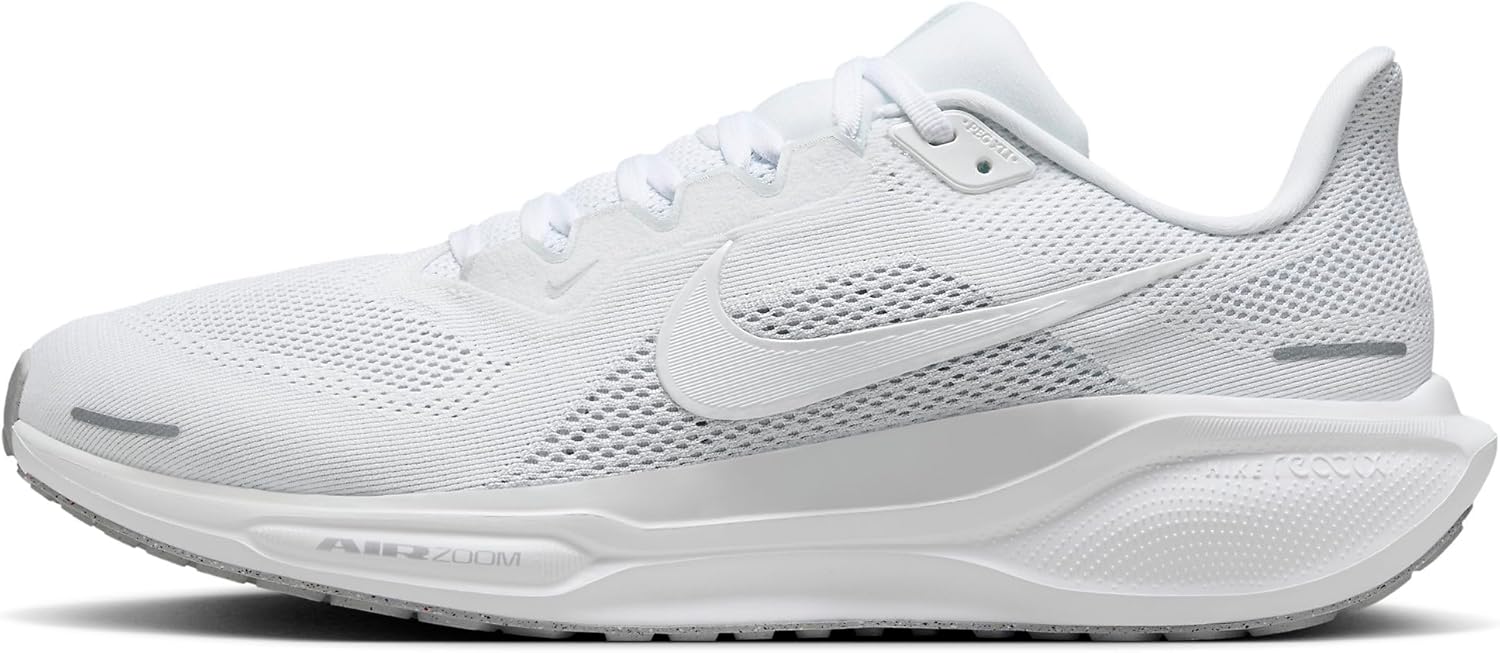
Adaptive Dynamic Arch · Athletic & Daily Wear
Currex’s flagship adaptive arch technology — the orthotic flexes with your gait instead of fighting it. Different stiffness zones along the length give you targeted support at the heel, midfoot, and forefoot. Available in three arch heights (low/medium/high).
✓ Pros
- Dynamic flex zones adapt to natural gait cycle
- Three arch heights ensure precise fit
- Lighter than rigid orthotics (no ‘heavy foot’ feel)
- Excellent for runners and athletic walkers
- European podiatric design (German engineering)
✗ Cons
- More expensive than PowerStep Original ($55-65 typically)
- Less aggressive correction than Pinnacle Maxx for severe cases
- Three arch heights means you must self-select correctly
Dr. Tom’s Recommendation: I started recommending Currex three years ago for runners who said PowerStep felt ‘too rigid.’ The dynamic flex zones respect natural gait. Best for active patients who walk 8K+ steps daily and don’t need maximum motion control.
Running-Specific · Heel Strike + Forefoot Strike Compatible
Currex’s purpose-built running orthotic. The midfoot flex zone is positioned for runner’s gait mechanics, with a flared heel cushion for heel strikers and a forefoot rocker for midfoot/forefoot strikers. Tested on 1000+ runners during product development.

✓ Pros
- Designed by German biomechanics lab specifically for runners
- Dynamic arch flexes with running gait (not static like PowerStep)
- Three arch heights (low/medium/high)
- Reduces overuse injury risk in mid-distance runners
- Lightweight (no impact on cadence)
✗ Cons
- Premium price ($60-75)
- Not aggressive enough for severe over-pronators (use Pinnacle Maxx)
- Runner-specific design = less ideal for daily walking shoes
Dr. Tom’s Recommendation: If a patient runs 20+ miles per week and has plantar fasciitis or shin splints, this is the orthotic I prescribe. The dynamic flex zones respect running biomechanics in a way that no rigid PowerStep can match. Pricier but worth it for serious runners.
Cavus Foot & High-Arch Patients
Polyurethane base with a deeper heel cup and higher arch profile than PowerStep — built for cavus (high-arched) feet that need maximum cushion and support. The 5-zone cushioning system addresses the unique pressure points of high-arch feet.

✓ Pros
- Deeper heel cup centers the heel for cavus foot stability
- Higher arch profile fills the void under high arches
- 5-zone cushioning addresses cavus foot pressure points
- Polyurethane base lasts 12+ months
- Available in Wide width
✗ Cons
- Too tall/aggressive for normal or low arches
- Won’t fit slim dress shoes
- Pricier than PowerStep Original
- Some patients find the arch height uncomfortable initially
Dr. Tom’s Recommendation: Cavus foot patients are often misdiagnosed and given low-arch orthotics — that makes everything worse. Spenco’s Total Support has the arch profile that high-arch feet actually need. About 15% of my patients have cavus feet; this is what they wear.
Cushion Layer · Standing All Day · Gel Pressure Relief
NOT a true biomechanical orthotic — this is a cushion insole. But for patients who want gel pressure relief instead of arch correction (or to add ON TOP of factory insoles in work boots), this is the best gel option on Amazon.

✓ Pros
- Genuine gel cushioning (not foam pretending to be gel)
- Targeted gel waves under heel and ball of foot
- Trim-to-fit · works in most shoe types
- Sub-$15 price (most affordable option in this list)
- Massaging texture is genuinely soothing
✗ Cons
- ZERO arch support — this is cushion only
- Won’t fix plantar fasciitis or flat-foot issues
- Compresses faster than PowerStep (4-6 months)
- Top cover wears through in high-mileage applications
Dr. Tom’s Recommendation: I recommend these to patients who tell me ‘I just want my feet to stop hurting at the end of my shift’ and who don’t have a biomechanical issue. Construction workers, factory workers, retail. Pure cushion does the job for them.
Tight-Fitting Shoes · Cycling Shoes · Hockey Skates
PowerStep Pinnacle’s slim version of their famous Green insole. The trademark stabilizer cap is preserved but the overall thickness is reduced — works in cycling shoes, hockey skates, ski boots, and other tight-fitting footwear that the standard PowerStep Pinnacle Green can’t fit into.

✓ Pros
- Stabilizer cap centers the heel (PowerStep Pinnacle’s signature feature)
- Slim profile fits tight athletic footwear
- Lasts 12+ months daily wear
- Excellent for cycling shoes specifically
- Built-in odor-control treatment
✗ Cons
- Premium price ($45-55)
- Less cushion than PowerStep equivalents
- Not as aggressive correction as Pinnacle Maxx for flat feet
- The signature ‘heel cup feel’ takes 1-2 weeks to adapt to
Dr. Tom’s Recommendation: If you’re a cyclist with foot numbness, hot spots, or knee pain — this is the orthotic. The stabilizer cap solves cycling-specific biomechanical issues that no other orthotic addresses. Worth the premium for athletes.
None of these solving your foot pain?
Some patients (about 30%) need custom-molded prescription orthotics. We make 3D-scanned custom orthotics in our Howell and Bloomfield Hills offices — specifically built for your foot mechanics.
Schedule a Custom Orthotic Fitting →FSA/HSA eligible · Most insurance accepted · (810) 206-1402
What is Foot pain?
Foot pain is a common foot/ankle condition that affects mobility and quality of life. Understanding the underlying cause is the first step in successful treatment. Our podiatrists at Balance Foot & Ankle perform a hands-on biomechanical exam, review your activity history, and use diagnostic imaging when appropriate to identify the root cause—not just treat the symptom. Many patients have been told to “rest and ice” without a deeper diagnostic workup; our approach is different.
Symptoms and warning signs
Common signs of foot pain include pain that worsens with activity, morning stiffness, swelling, tenderness when palpated, and difficulty bearing weight. If you experience sudden severe pain, inability to walk, visible deformity, numbness or color change, contact our office the same day or visit urgent care—these can signal a more serious injury such as a fracture, tendon rupture, or vascular compromise. Diabetics with any foot wound should seek same-day care.
Conservative treatment options
Most cases of foot pain respond to non-surgical care: structured rest, supportive footwear changes, custom orthotics, targeted stretching and strengthening protocols, anti-inflammatory medications when medically appropriate, and in-office procedures such as ultrasound-guided injections. We also offer advanced therapies including MLS laser therapy, EPAT/shockwave, regenerative injections, and image-guided procedures. Treatment is sequenced from least invasive to most invasive, and we explain the rationale at every step.
When is surgery considered?
Surgery is reserved for cases that fail 3-6 months of well-structured conservative care, when there is structural pathology (severe deformity, complete tear, advanced arthritis), or when imaging shows damage that will not heal without intervention. Our surgeons have performed 3,000+ foot and ankle procedures and prioritize minimally-invasive techniques whenever appropriate. We discuss recovery timelines, return-to-activity milestones, and realistic outcome expectations before any procedure is scheduled.
AAOS: Foot Surgery Recovery — Timeline and Expectations
Recovery timeline and prevention
Recovery from foot pain varies based on severity and chosen treatment path. Conservative cases often improve within 4-8 weeks with consistent adherence to the protocol. Post-procedural recovery may range from a few days (in-office procedures) to several months (reconstructive surgery). Long-term prevention involves footwear assessment, activity modification, structured strengthening, and regular check-ins with your podiatrist if you have a history of recurrence. We provide written home-exercise plans and digital follow-up support.
Ready to feel better?
Same-week appointments available in Howell and Bloomfield Hills, Michigan.
Book Your Visit
Dr. Tom Biernacki, DPM is a board-certified foot & ankle surgeon (ABFAS & ABPM) at Balance Foot & Ankle Specialists in Southeast Michigan. With over a decade of clinical experience, he specializes in heel pain, bunions, diabetic foot care, sports injuries, and minimally invasive surgery. Dr. Biernacki is a member of the APMA and ACFAS, and his patient education content on MichiganFootDoctors.com and YouTube has made him one of the most-followed foot & ankle educators on YouTube.