

Medically reviewed by Dr. Tom Biernacki, DPM — Board-Certified Podiatric Surgeon — Balance Foot & Ankle, Howell & Bloomfield Township, MI. Last updated April 2026.
Medically Reviewed by Dr. Tom Biernacki, DPM · Board-Certified Podiatrist · Balance Foot & Ankle Specialists
Last updated: April 2026 · This article reflects current evidence-based podiatric practice for managing foot and ankle manifestations of systemic lupus erythematosus.
Quick Answer: How Lupus Affects the Feet and Ankles
Systemic lupus erythematosus (SLE) affects the feet and ankles in up to 75% of patients during the course of their disease, making foot involvement one of the most common musculoskeletal manifestations of lupus. The autoimmune inflammation that characterizes lupus can target virtually every structure in the foot — joints, tendons, blood vessels, nerves, and skin. Common foot manifestations include symmetric joint pain and swelling (lupus arthritis), Raynaud’s phenomenon causing painful color changes in the toes, vasculitic skin lesions, tendon inflammation, and accelerated osteoporosis from chronic corticosteroid use. Early recognition and proactive management of lupus foot problems prevents deformity progression and maintains mobility during this chronic, relapsing disease.
Table of Contents
- Understanding Lupus and Foot Involvement
- Lupus Arthritis in the Feet
- Raynaud’s Phenomenon and Toe Circulation
- Cutaneous Vasculitis and Skin Manifestations
- Tendon and Soft Tissue Involvement
- Lupus Peripheral Neuropathy
- Medication Side Effects on Feet
- Footwear and Orthotic Recommendations
- Daily Foot Care Protocol for Lupus Patients
- Recommended Products
- Most Common Mistake
- Warning Signs
- Watch: Podiatrist Product Recommendations
- Frequently Asked Questions
- Sources
- Book Your Appointment
Affiliate Disclosure: This article contains affiliate links to products we genuinely recommend. As an Amazon Associate and Foundation Wellness partner, we earn from qualifying purchases at no additional cost to you. Every product listed has been personally evaluated by Dr. Biernacki in clinical practice.
Understanding Lupus and Why It Targets the Feet
If you have been diagnosed with lupus and are experiencing foot or ankle pain, swelling, color changes in your toes, or skin problems on your feet, you are dealing with one of the most common but often under-recognized manifestations of this complex autoimmune disease. Lupus foot problems can be confusing because they may fluctuate with your overall disease activity, appear during flares and improve during remissions, or develop gradually as cumulative damage from chronic inflammation. Understanding which foot symptoms are lupus-related empowers you to communicate effectively with both your rheumatologist and podiatrist and ensures that foot-specific interventions are integrated into your overall lupus management plan.
Systemic lupus erythematosus is an autoimmune condition in which the immune system produces antibodies that attack the body’s own tissues. This autoimmune inflammation can affect virtually any organ system, and the musculoskeletal system — including the feet — is among the most frequently involved. The feet are particularly vulnerable for several reasons. They contain 33 joints each, all of which can become targets of lupus arthritis. The peripheral location of the feet makes them susceptible to Raynaud’s phenomenon and vasculitis. The skin of the feet is exposed to pressure, friction, and trauma from footwear, making it more vulnerable to lupus-related skin breakdown. The weight-bearing demands on the feet mean that even mild joint or tendon inflammation significantly impacts function and mobility.
Lupus foot involvement typically follows the relapsing-remitting pattern of the overall disease, with flares of joint pain, swelling, and skin symptoms correlating with increased disease activity. However, some lupus foot manifestations — particularly tendon damage, joint deformity, and vascular insufficiency — can develop insidiously and progressively even between systemic flares. This makes regular foot monitoring essential for lupus patients, as early intervention during the window of reversibility prevents permanent structural damage that becomes much more difficult to manage once established.
Lupus Arthritis in the Feet and Ankles
Joint involvement is the most common musculoskeletal manifestation of lupus, affecting over 90% of patients at some point during their disease. Lupus arthritis in the feet typically presents as symmetric pain and swelling affecting the small joints of the forefoot (metatarsophalangeal joints and interphalangeal joints), the midfoot, and the ankle. Unlike rheumatoid arthritis, lupus arthritis is classically described as “non-erosive” — meaning it causes inflammation and pain without the bony erosions and joint destruction seen on X-ray in RA. However, this distinction is not absolute, as a subset of lupus patients develops erosive changes, and chronic lupus arthritis can cause significant soft tissue damage and joint deformity through tendon and ligament laxity.
Jaccoud’s arthropathy is a distinctive lupus foot deformity that develops from chronic joint capsule and tendon laxity rather than bony erosion. It manifests as reducible (manually correctable) deformities including hallux valgus (bunion), hammertoes, and forefoot subluxation. The deformities are initially flexible — the toes can be straightened manually — but may become fixed over time as the soft tissue structures permanently elongate. This pattern of deformity is important to recognize because it requires different management than the fixed bony deformities of rheumatoid arthritis. Protective footwear, accommodative orthotics, and metatarsal padding can maintain function and comfort while the deformities remain flexible.
Ankle arthritis and synovitis in lupus causes diffuse swelling around the ankle joint, particularly the medial and lateral gutters, with pain during walking and stair climbing. Subtalar joint involvement affects side-to-side motion of the hindfoot and makes walking on uneven terrain painful. During lupus flares, the combination of forefoot and hindfoot joint inflammation can make every step painful, significantly limiting mobility. Systemic treatment (immunosuppressive therapy managed by rheumatology) addresses the underlying autoimmune inflammation, while podiatric intervention focuses on protecting the affected joints through supportive footwear, orthotic devices, and local therapeutic measures.
Raynaud’s Phenomenon and Toe Circulation Problems
Raynaud’s phenomenon affects approximately 30-50% of lupus patients and causes episodic vasospasm of the small arteries in the toes (and fingers), producing dramatic color changes — white (ischemic phase), blue (cyanotic phase), and red (hyperemic reperfusion phase). Cold exposure is the most common trigger, but emotional stress, vibration, and certain medications can also provoke episodes. During an attack, affected toes become painful, numb, and cold to the touch. Most episodes resolve within minutes to hours without permanent damage, but severe or prolonged episodes can cause digital ulceration and, rarely, tissue necrosis.
Managing Raynaud’s in the feet requires a comprehensive approach to minimize vasospastic episodes and protect the toes during attacks. Cold avoidance is paramount — insulated, waterproof footwear in cold weather, wool or thermal socks, and chemical hand and toe warmers during outdoor exposure all help prevent the cold-triggered vasospasm. Avoiding constricting footwear and tight socks that impair circulation is equally important. Smoking cessation is essential, as nicotine is a potent vasoconstrictor that dramatically worsens Raynaud’s. Medications including calcium channel blockers (nifedipine), phosphodiesterase inhibitors, and topical nitroglycerin can reduce the frequency and severity of attacks for patients with moderate to severe disease.
The intersection of Raynaud’s phenomenon with the mechanical demands of footwear creates unique challenges. Tight shoes compress the digital arteries during the very moments when vasospasm is reducing blood flow, compounding the ischemic effect. Shoes must provide warmth and protection without constrictive pressure on the toes. Warm, lined boots with a wide toe box represent the ideal cold-weather footwear for lupus patients with Raynaud’s. During warm months, well-fitting shoes with adequate toe room prevent pressure-triggered ischemia even without cold exposure.
Cutaneous Vasculitis and Lupus Skin Manifestations on the Feet
Lupus-related cutaneous vasculitis can produce a range of skin manifestations on the feet that require recognition and appropriate management. Small vessel vasculitis causes purpura (non-blanching red-purple spots), petechiae (pinpoint hemorrhages), and livedo reticularis (a lace-like purple discoloration pattern). These lesions reflect inflammation of the small blood vessels in the skin and typically correlate with active systemic disease. While many vasculitic skin lesions resolve with systemic lupus treatment, some can progress to skin ulceration, particularly on the malleoli (ankle bones), toes, and heels where pressure and friction from footwear compound the vascular compromise.
Lupus panniculitis (lupus profundus) can affect the subcutaneous tissue of the feet, producing firm, tender nodules that may ulcerate and heal with depressed scars. Discoid lupus lesions — the chronic, scarring skin lesions characteristic of cutaneous lupus — can occur on the feet, though they are more common on the face and scalp. The plantar surfaces may develop painful erythematous (red) patches that make weight bearing uncomfortable. Oral ulcers are a well-known lupus manifestation, but foot ulcers from vasculitis or pressure in the setting of compromised circulation receive less attention despite their significant impact on mobility.
Wound healing in lupus patients is often impaired by the combination of autoimmune inflammation, immunosuppressive medications, vascular compromise from Raynaud’s or vasculitis, and potential corticosteroid-induced skin fragility. Even minor foot wounds — blisters, shoe-related abrasions, or ingrown toenail infections — can become complicated and slow to heal. This makes preventive foot care paramount for lupus patients. Regular foot inspections, prompt treatment of any skin breakdown, moisturization of dry skin to prevent cracking, and professional nail care reduce the risk of wound complications.
Tendon and Soft Tissue Involvement in Lupus Feet
Lupus can affect the tendons and soft tissue structures of the feet through direct autoimmune inflammation (tenosynovitis), through mechanical consequences of joint laxity (tendon subluxation), and through the effects of chronic corticosteroid therapy (tendon weakening). Tenosynovitis — inflammation of the tendon sheath — is common in the feet, particularly affecting the posterior tibial tendon, peroneal tendons, and Achilles tendon. The posterior tibial tendon is particularly vulnerable because its role in maintaining the arch makes it susceptible to overload when joint laxity from lupus arthritis allows progressive arch collapse.
Tendon rupture, while less common than in rheumatoid arthritis, can occur in lupus patients, particularly those on long-term corticosteroid therapy. Corticosteroids weaken tendon collagen and impair the repair mechanisms that maintain tendon integrity. The Achilles tendon and posterior tibial tendon are the most commonly affected. Patients on chronic corticosteroids should be monitored for progressive flatfoot deformity (indicating posterior tibial tendon dysfunction) and should avoid fluoroquinolone antibiotics, which synergistically increase tendon rupture risk when combined with corticosteroids.
Plantar fasciitis and heel pain are common in lupus patients due to the combination of joint inflammation, biomechanical changes from forefoot deformity, and the effects of medications on bone density and soft tissue integrity. The systemic inflammatory state of lupus can directly inflame the plantar fascia enthesis (the attachment to the calcaneus), and this lupus-related enthesitis may be more difficult to treat than mechanical plantar fasciitis because the underlying autoimmune inflammation continues to drive the condition even when mechanical factors are addressed.
Lupus Peripheral Neuropathy in the Feet
Peripheral neuropathy affects approximately 15-20% of lupus patients and can produce numbness, tingling, burning, and shooting pains in the feet. Lupus neuropathy occurs through multiple mechanisms — direct autoimmune attack on peripheral nerves (vasculitis of the vasa nervorum, the small blood vessels that supply the nerves), entrapment neuropathy from joint swelling compressing nerves, and medication-related neuropathy. The pattern is typically a symmetric, length-dependent sensory neuropathy — meaning it affects the feet before the hands and the toes before the ankle — producing the classic “stocking” distribution of numbness and tingling.
Lupus-related neuropathy in the feet creates a dual vulnerability — reduced sensation impairs the ability to detect injuries, pressure points, and temperature extremes, while the altered biomechanics of lupus arthritis and deformity increase the risk of those very problems. This combination mirrors the challenge seen in diabetic neuropathy, where sensory loss and mechanical abnormalities conspire to create foot complications. Lupus patients with peripheral neuropathy need the same vigilant foot care approach as diabetic patients: daily foot inspections, appropriate protective footwear, avoidance of walking barefoot, regular professional foot exams, and immediate attention to any wounds or skin changes.
How Lupus Medications Affect the Feet
The medications used to manage lupus can produce their own foot-related side effects that must be recognized and managed alongside the disease manifestations themselves. Corticosteroids (prednisone, methylprednisolone) are the most impactful — chronic use causes osteoporosis that increases stress fracture risk in the metatarsals and calcaneus, skin thinning that makes the feet vulnerable to tears and slow-healing wounds, and fat pad atrophy that reduces natural cushioning under the heel and metatarsal heads. These effects are dose-dependent and cumulative, making them an increasingly important consideration for patients on long-term corticosteroid therapy.
Hydroxychloroquine (Plaquenil), a cornerstone of lupus therapy, is generally well-tolerated from a foot perspective but can rarely cause neuromyopathy affecting the lower extremities. Immunosuppressive agents (mycophenolate, azathioprine, cyclophosphamide) impair wound healing and increase infection risk, making foot wound prevention and prompt treatment of any skin breakdown essential. Biologic therapies (belimumab) have generally favorable foot-related side effect profiles. Understanding your medication’s potential foot effects allows you and your podiatrist to implement preventive strategies — for example, adding cushioned insoles to compensate for corticosteroid-induced fat pad atrophy, or monitoring bone density to prevent steroid-related stress fractures.
Footwear and Orthotic Recommendations for Lupus Patients
Footwear selection for lupus patients must balance multiple competing needs — joint support, shock absorption, accommodation of deformity, warmth for Raynaud’s protection, absence of pressure on sensitive skin, and adequate room for swollen joints during flares. The ideal shoe has a soft, seamless interior lining that minimizes friction against fragile skin, a cushioned midsole that absorbs impact forces and reduces metatarsal loading, a supportive heel counter that stabilizes the hindfoot, and a wide, deep toe box that accommodates toe deformities and swelling without compression.
Custom molded shoes or extra-depth therapeutic shoes may be necessary for patients with significant forefoot deformity from Jaccoud’s arthropathy or those with active skin lesions that cannot tolerate standard footwear. Custom orthotic insoles with total contact support, metatarsal padding, and shock-absorbing materials provide optimal biomechanical control and pressure redistribution. Prefabricated orthotic insoles with structured arch support offer a practical starting point for patients with milder foot involvement, providing meaningful biomechanical improvement without the cost and fitting process of custom devices.
Daily Foot Care Protocol for Lupus Patients
Daily foot care is not optional for lupus patients — it is a medical necessity that prevents complications. Inspect both feet daily, checking between the toes and the soles for any redness, swelling, skin changes, cracks, blisters, or wounds. Use a mirror or ask a family member to help check areas you cannot see. Wash feet daily with lukewarm water (test with your elbow or wrist if neuropathy impairs temperature sensation) and a mild soap, drying thoroughly between the toes to prevent fungal infections. Apply a quality moisturizer to all dry areas, avoiding between the toes where excess moisture promotes maceration.
Never walk barefoot — even at home, wear cushioned slippers or house shoes to protect against injuries. Cut toenails straight across, filing edges smooth to prevent ingrown nails. Do not attempt to treat calluses, corns, or ingrown toenails at home — professional podiatric care is safer for lupus patients whose healing capacity may be compromised by medication and disease. Report any new foot symptoms — pain, swelling, color changes, numbness, wounds, or infections — to your healthcare team promptly. Coordination between your rheumatologist and podiatrist ensures that foot symptoms are evaluated in the context of your overall lupus activity and medication regimen.
Recommended Products for Lupus Foot Care
These carefully selected products address the specific challenges that lupus creates for foot health, from joint support and cushioning to pain management and circulation support.
PowerStep Orthotic Insoles — Joint Support and Pressure Redistribution
PowerStep orthotic insoles provide the biomechanical support and cushioning that lupus-affected feet desperately need. The structured arch support reduces the strain on the posterior tibial tendon and helps maintain arch integrity in patients with developing Jaccoud’s arthropathy or lupus-related flatfoot. The dual-layer cushioning system absorbs ground reaction forces that would otherwise be transmitted directly to inflamed joints and corticosteroid-thinned fat pads. For lupus patients, I recommend PowerStep insoles in every pair of shoes as a baseline protective measure — the combination of biomechanical control and shock absorption addresses the joint, tendon, and soft tissue vulnerabilities that lupus creates.
Doctor Hoy’s Natural Pain Relief Gel — Gentle Topical Pain Management
Doctor Hoy’s Natural Pain Relief Gel provides safe, effective topical pain relief for lupus foot and ankle pain. This is particularly valuable for lupus patients because many are already on systemic medications that interact with or are complicated by oral NSAIDs — adding oral anti-inflammatories to a lupus medication regimen increases gastrointestinal and renal risks. Doctor Hoy’s topical formulation delivers localized analgesic and anti-inflammatory effects through the skin directly to the painful joints and tendons without systemic absorption or drug interactions. Applied to the forefoot joints, ankle, plantar fascia, or Achilles tendon, Doctor Hoy’s provides meaningful relief during both flares and baseline activity. The natural arnica and menthol formula is gentle on the skin, an important consideration for patients whose skin may be fragile from corticosteroid use.
DASS Compression Sleeves — Circulation Support and Swelling Control
DASS compression sleeves provide graduated medical-grade compression that addresses the circulatory challenges lupus creates in the lower extremities. For patients with Raynaud’s phenomenon, compression maintains blood flow and warmth in the lower leg and ankle, supporting perfusion during cold exposure. For patients with lupus-related ankle swelling from synovitis or medication side effects, compression reduces edema and improves comfort during walking. The graduated compression profile enhances venous return, which is particularly beneficial for lupus patients who may have compromised vascular function. I recommend DASS compression for daily wear during lupus flares when ankle swelling and foot pain are most prominent, and during cold months for patients with Raynaud’s phenomenon as part of a comprehensive circulation protection strategy.
PowerStep, Doctor Hoy’s, and DASS — Comprehensive Lupus Foot Support
Complete Lupus Foot Care Kit
For lupus patients dealing with foot involvement, I recommend combining all three Foundation Wellness products for comprehensive support. PowerStep insoles provide joint support, pressure redistribution, and cushioning in every pair of shoes. Doctor Hoy’s gel delivers safe topical pain relief without adding to your systemic medication burden. DASS compression supports circulation, manages swelling, and protects against Raynaud’s episodes. Together, these products address the mechanical, inflammatory, and vascular challenges that make lupus foot care uniquely complex.
Most Common Mistake With Lupus Foot Care
Most Common Mistake
The most common mistake I see in lupus patients is attributing all foot pain to “just lupus” and not seeking specific podiatric evaluation. Lupus patients develop the same mechanical foot problems as everyone else — plantar fasciitis, neuromas, bunions, ingrown toenails — and these conditions respond to the same targeted treatments regardless of the lupus diagnosis. When foot pain is dismissed as an inevitable part of lupus without investigation, treatable conditions go unaddressed for months or years. Additionally, some foot symptoms that appear during a “lupus flare” may actually represent medication side effects, mechanical overload, or unrelated conditions that require different management than increasing immunosuppressive therapy. Every new foot complaint deserves specific evaluation.
Warning Signs That Require Urgent Evaluation
Warning Signs — Seek Immediate Medical Attention
Lupus patients should seek urgent evaluation for: a toe that turns white or blue and does not return to normal color within 30 minutes (prolonged Raynaud’s attack with ischemia risk), any open wound or ulcer on the foot that is not healing or is getting worse, sudden severe swelling of one foot or leg (possible deep vein thrombosis — lupus patients are at increased DVT risk, especially those with antiphospholipid antibodies), new onset of foot drop or significant weakness (possible vasculitic neuropathy), rapidly spreading redness and warmth around a wound (possible infection in immunosuppressed patient), dark purple or black discoloration of a toe or skin area (possible tissue necrosis), or fever with new foot pain and swelling (possible septic joint, especially in immunosuppressed patients). These symptoms require expert evaluation because lupus patients’ impaired immune function and vascular status can cause rapid progression of serious conditions.
Watch: Podiatrist Recommended Foot Care Products
In this video, I review the foot care products I recommend most frequently for patients managing chronic conditions, including products that support lupus foot care.

More Podiatrist-Recommended Foot Health Essentials
Hoka Clifton 10


Max-cushion everyday shoe — podiatrist favorite for walking and running.

OOFOS Recovery Slide

Impact-absorbing recovery sandal — wear after long days on your feet.
As an Amazon Associate, Balance Foot & Ankle earns from qualifying purchases. Product recommendations are based on clinical experience; prices and availability shown above update live from Amazon.
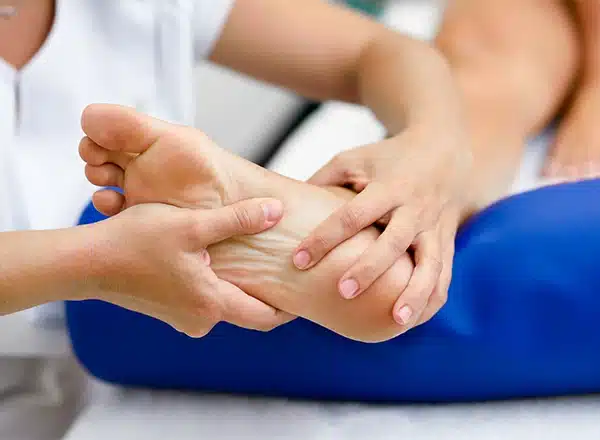
When to See a Podiatrist
If foot or ankle pain has been bothering you for more than a few weeks, home care alone may not be enough. Balance Foot & Ankle offers online booking 24/7 at our Howell and Bloomfield Township clinics — no referral needed in most cases. Bring your current shoes and a short list of symptoms and we’ll build you a treatment plan in one visit.
Call Balance Foot & Ankle: (810) 206-1402 · Book online · Offices in Howell & Bloomfield Township
Frequently Asked Questions About Lupus and the Feet
How common are foot problems in lupus patients?
Foot and ankle involvement affects up to 75% of lupus patients during their disease course. Joint pain and swelling are the most common manifestations, but Raynaud’s phenomenon, skin lesions, tendon problems, and neuropathy also frequently affect the feet. Many patients experience foot symptoms as one of their earliest lupus manifestations, and foot involvement often mirrors overall disease activity — worsening during flares and improving during remissions.
Can lupus cause Raynaud’s in the toes?
Yes, Raynaud’s phenomenon in the toes affects approximately 30-50% of lupus patients. It causes episodic color changes (white, blue, then red) triggered primarily by cold exposure or emotional stress. Management focuses on cold avoidance, warm insulated footwear, non-constricting socks, smoking cessation, and medications like calcium channel blockers for moderate to severe cases. Prolonged episodes lasting more than 30 minutes require urgent evaluation to prevent tissue damage.
Should lupus patients see a podiatrist regularly?
Yes, regular podiatric evaluation is recommended for lupus patients, particularly those with active foot symptoms, peripheral neuropathy, Raynaud’s phenomenon, or those on chronic corticosteroid therapy. Routine visits every 3-6 months allow early detection of developing deformities, skin changes, circulation problems, and medication-related foot effects. Professional nail care, callus management, and biomechanical assessment are particularly valuable for lupus patients whose self-care capacity may be limited by hand involvement or whose healing is impaired by immunosuppressive medications.
Does prednisone affect the feet?
Yes, chronic prednisone use affects the feet in several important ways. It causes osteoporosis that increases stress fracture risk in the metatarsals and calcaneus. It thins the skin, making the feet more vulnerable to tears and slow-healing wounds. It causes fat pad atrophy, reducing the natural cushioning under the heel and forefoot. It weakens tendons, increasing the risk of posterior tibial tendon dysfunction and Achilles tendon problems. Cushioned insoles, protective footwear, and bone density monitoring help mitigate these effects.
What type of shoes are best for lupus patients?
The best shoes for lupus patients have a soft, seamless interior lining to minimize friction on fragile skin, a cushioned midsole for shock absorption, a supportive heel counter for hindfoot stability, a wide and deep toe box to accommodate toe deformities and swelling, and a roomy fit that does not compress swollen joints. Warm, lined boots for cold weather protect against Raynaud’s episodes. Orthotic insoles with arch support and cushioning significantly improve comfort and function in standard footwear. Avoid narrow, tight, or constrictive shoes that could compromise circulation or compress deformities.
In-Office Treatment at Balance Foot & Ankle
If home treatment isn’t providing relief for your foot and ankle conditions, our podiatry team at Balance Foot & Ankle can help with expert evaluations and advanced in-office care.
Book online 24/7. (810) 206-1402
Sources
- Otter SJ, et al. “Foot pain in rheumatology: findings from a patient survey.” Musculoskeletal Care. 2012;10(1):1-11.
- Williams AE, et al. “The foot in systemic lupus erythematosus.” Lupus. 2019;28(4):440-448.
- Santiago MB. “Jaccoud’s arthropathy in systemic lupus erythematosus.” Medicine. 2016;95(18):e3597.
- Herrick AL. “The pathogenesis, diagnosis and treatment of Raynaud phenomenon.” Nature Reviews Rheumatology. 2012;8(8):469-479.
- Tsokos GC. “Systemic lupus erythematosus.” New England Journal of Medicine. 2011;365(22):2110-2121.
Book Your Appointment With Dr. Biernacki
Living With Lupus? Protect Your Feet.
Dr. Biernacki provides specialized podiatric care for autoimmune patients, including comprehensive foot evaluation, custom orthotic solutions, and coordinated management with your rheumatology team.
Schedule Your Evaluation Today
Balance Foot & Ankle Specialists · Southeast Michigan
Related Foot & Ankle Guides
- Podiatrist Recommended Foot Care Products 2026
- Arthritis Treatment Hub
- Skin & Nail Condition Guides
- Foot Pain Treatment Hub
When to See a Podiatrist for Lupus Foot Symptoms
If lupus is causing joint pain, swelling, or skin changes on your feet, a podiatrist can provide targeted treatment to maintain your mobility and comfort. At Balance Foot & Ankle, we manage autoimmune foot conditions at our Howell and Bloomfield Township offices.
Learn About Our Arthritis & Autoimmune Foot Care | Book Your Appointment | Call (810) 206-1402
Clinical References
- Otter SJ, Kumar S, Rai P, et al. “Patterns of foot complaints in systemic lupus erythematosus.” Journal of Foot and Ankle Research. 2016;9:10.
- Williams AE, Graham AS, Davies S, McConnachie J, Sherlock RL. “Guidelines for the management of people with foot health problems related to rheumatoid arthritis.” Musculoskeletal Care. 2011;9(2):86-92.
- Cervera R, Khamashta MA, Font J, et al. “Systemic lupus erythematosus: clinical and immunologic patterns of disease expression in a cohort of 1,000 patients.” Medicine. 1993;72(2):113-124.
Insurance Accepted
BCBS · Medicare · Aetna · Cigna · United Healthcare · HAP · Priority Health · Humana · View All →
Howell Office
4330 E Grand River Ave
Howell, MI 48843
Get Directions →
Bloomfield Township Office
43494 Woodward Ave, Suite 208
Bloomfield Township, MI 48302
Get Directions →

Dr. Tom Biernacki, DPM is a board-certified foot & ankle surgeon (ABFAS & ABPM) at Balance Foot & Ankle Specialists in Southeast Michigan. With over a decade of clinical experience, he specializes in heel pain, bunions, diabetic foot care, sports injuries, and minimally invasive surgery. Dr. Biernacki is a member of the APMA and ACFAS, and his patient education content on MichiganFootDoctors.com and YouTube has made him one of the most-followed foot & ankle educators on YouTube.