
Medically Reviewed by Dr. Tom Biernacki, DPM — Board-Certified Podiatrist, Balance Foot & Ankle Specialists, Michigan. Last updated April 2026.
Custom Orthotics vs. Over-the-Counter Insoles: What Is the Difference?
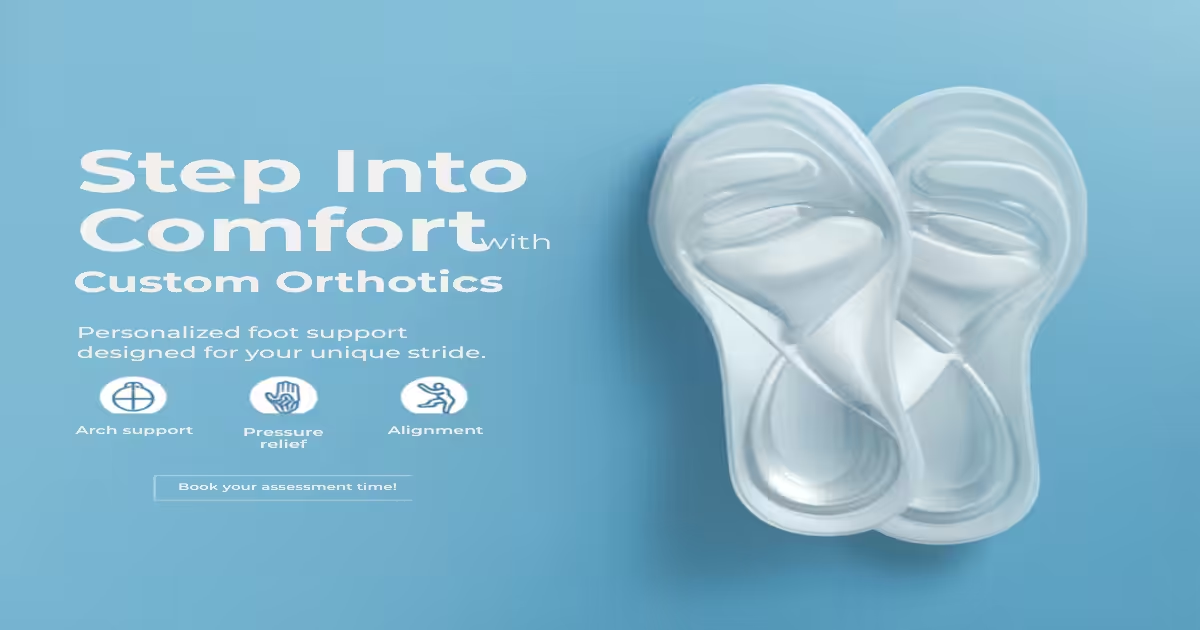
Over-the-counter insoles purchased at a pharmacy or sporting goods store provide generalized cushioning and arch support based on foot size. Custom foot orthotics are prescription medical devices fabricated from a three-dimensional model of your specific foot, corrected to a neutral position. They are designed by a podiatrist based on your diagnosis, gait analysis, and functional goals, then manufactured by a specialized laboratory to exact specifications. The difference is analogous to reading glasses from a drugstore versus prescription lenses from an ophthalmologist.
The Custom Orthotic Process
Evaluation and Casting
The process begins with a comprehensive podiatric evaluation including gait analysis, range of motion assessment, and structural examination of the foot and ankle. Your podiatrist then captures a precise mold or digital scan of your foot in the corrected position — typically using a foam casting box, plaster, or a laser/structured-light scanner. This model is the foundation of the orthotic and must capture the foot in the ideal corrected position for the device to function correctly.
Treatment at Balance Foot & Ankle: Custom 3D Orthotics →
Prescription and Fabrication
Your podiatrist writes a prescription specifying shell material (semi-rigid polypropylene for most patients, carbon fiber for low-profile needs, softer materials for diabetic patients), top cover material, modifications for specific diagnoses, and accommodation cutouts for painful areas. The laboratory fabricates the device over your model, and the finished orthotic is typically delivered within two to three weeks.
Dispensing and Fitting
At your fitting appointment, the orthotics are placed in your shoes and minor adjustments are made as needed. Your podiatrist will review which shoe types work best, how to position the device in the shoe, and what to expect during break-in. Most adjustments are minor — grinding a small amount of the shell or adding padding to a specific area.
The Break-In Period: What to Expect
Custom orthotics require a break-in period because they change the way your foot functions. New muscle activity, altered joint mechanics, and unfamiliar proprioceptive input all require adaptation. Most patients are instructed to wear the orthotics for one to two hours the first day, adding an hour each day over two weeks until they can wear them full time. This gradual introduction prevents the muscle soreness and discomfort that comes from wearing new orthotics all day immediately.
Mild arch discomfort or increased awareness of the devices during break-in is normal. Significant pain, pressure sores, or blisters indicate a fit problem that should be evaluated — contact your podiatrist rather than pushing through significant discomfort.
How Long Before Custom Orthotics Provide Relief?
Most patients notice meaningful improvement in their primary complaint within four to eight weeks of consistent orthotic use. Plantar fasciitis, for example, typically responds within three to six weeks. Conditions involving structural imbalances that have been present for years may take longer to fully respond. Custom orthotics work best as part of a comprehensive treatment plan that may include stretching, physical therapy, and footwear modification.
How Long Do Custom Orthotics Last?
A well-made custom orthotic shell typically lasts three to five years with normal use. The top cover — the padded material on the surface of the device — may need replacement every one to two years as it compresses with use. Children growing rapidly may need new orthotics every one to two years as their foot shape changes. Weight changes of more than twenty pounds may also affect orthotic fit and function and may warrant a new cast and device.
Shoe Compatibility and Everyday Life
Custom orthotics work best in shoes with a removable factory insole and adequate depth. Many athletic shoes, work boots, and casual lace-up shoes accommodate custom orthotics well. Fashion footwear, dress shoes, and sandals may not. Your podiatrist can advise on low-profile orthotic options for specific footwear needs, and can fabricate devices for multiple shoe categories when indicated.
Getting Started with Custom Orthotics
If you have been dealing with recurring foot pain, heel pain, knee pain related to foot mechanics, or have tried over-the-counter insoles without lasting relief, custom orthotics may be the solution. Contact Balance Foot & Ankle to schedule an evaluation and learn whether custom orthotics are appropriate for your specific diagnosis and goals.
Ready to Relieve Your Foot Pain?
Board-certified podiatrists serving Southeast Michigan. Same-week appointments available.
Book Your AppointmentInsurance Accepted
BCBS · Medicare · Aetna · Cigna · United Healthcare · HAP · Priority Health · Humana · View All →
Howell Office
3980 E Grand River Ave, Suite 140
Howell, MI 48843
Get Directions →
Bloomfield Hills Office
43700 Woodward Ave, Suite 207
Bloomfield Hills, MI 48302
Get Directions →
Your Board-Certified Podiatrists



Ready to Get Back on Your Feet?
Same-week appointments available at both locations.
Book Your Appointment
Dr. Tom Biernacki, DPM is a double board-certified podiatrist and foot & ankle surgeon at Balance Foot & Ankle Specialists in Southeast Michigan. With over a decade of clinical experience, he specializes in heel pain, bunions, diabetic foot care, sports injuries, and minimally invasive surgery. Dr. Biernacki is a member of the APMA and ACFAS, and his patient education content on MichiganFootDoctors.com and YouTube has reached over one million views.
- Plantar Fasciitis: Diagnosis and Conservative Management (PubMed)
- Plantar Fasciitis (APMA)
- Diagnosis and Treatment of Plantar Fasciitis (PubMed / AAFP)
- Heel Pain (APMA)
Recommended Products from Dr. Tom