
Medically reviewed by Dr. Tom Biernacki, DPM
Board-certified podiatric surgeon | Balance Foot & Ankle, Howell & Bloomfield Township, MI
Last reviewed: May 2026

Quick answer: Hammer Toe Correction is a common foot/ankle topic that affects many patients. The 2026 evidence-based approach combines proper diagnosis, conservative-first treatment, and escalation only when needed. We treat this regularly at our Howell and Bloomfield Township practices. Call (810) 206-1402.
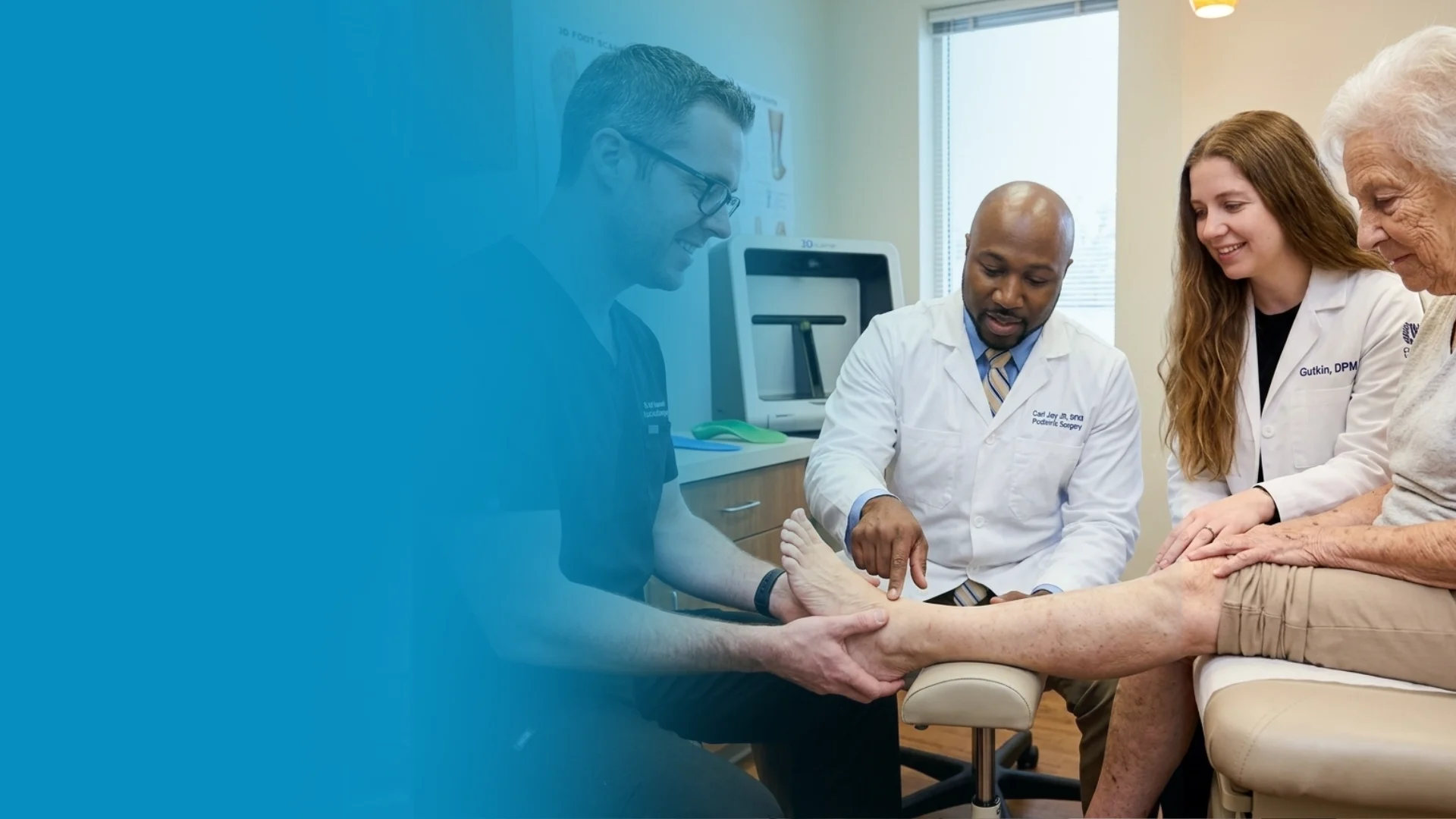
The most important clinical decision with Hammer Toe Correction isn’t which treatment to start with — it’s identifying the correct subtype. That changes everything. Call (810) 206-1402.
Hammer Toe Correction: Quick Answer
Hammer toe correction surgery is indicated when conservative treatment (toe spacers, hammertoe pads, wide toe-box shoes) has failed to relieve pain, when the toe deformity prevents normal shoe wear, or when secondary problems (corns, calluses, ulcerations) develop. The two main surgical options: arthroplasty (removes part of the joint, allowing the toe to straighten and creating a flexible joint) or arthrodesis/fusion (permanently fuses the joint in a straight position with a small pin or screw — more rigid result, lower recurrence). Recovery: walk in a post-op shoe immediately; transition to regular shoes at 4-6 weeks; full activity by 8-12 weeks. Cost: $2,000-5,000 per toe out-of-pocket; usually covered by insurance when medically necessary.
What Is Hammer Toe? (Anatomy and Causes)
A hammer toe is a deformity where one of the smaller toes (typically the 2nd, 3rd, or 4th) bends downward at the proximal interphalangeal (PIP) joint, creating a hammer-like shape. The toe sticks up at the joint while the tip points down.
Causes: Most often genetic predisposition (runs in families) plus shoes that are too short/narrow (force the toe to bend). Other contributors: bunions (push the 2nd toe out of position), tight calf muscles, neurologic conditions (Charcot-Marie-Tooth disease), and rheumatoid arthritis.
Stages: Flexible (the toe can be manually straightened) → semi-rigid (hard to straighten but still moves somewhat) → rigid (the joint has fused in the deformed position). Treatment changes based on stage — flexible hammertoes often respond to conservative care; rigid hammertoes typically need surgery.
When to Consider Surgery
Surgery is appropriate when: Conservative care (wide toe-box shoes, hammertoe crest pads, gel toe sleeves) has failed for 6+ months; pain prevents normal walking or shoe wear; corns, calluses, or ulcerations have developed on top of the toe; the toe is rigid (won’t straighten manually); the deformity is causing secondary problems (other toes affected, gait changes).
Surgery is NOT appropriate when: The hammertoe is mild and not causing significant pain; conservative options haven’t been tried; you have severe peripheral artery disease (impaired healing); active smoking (smoking impairs bone healing — must quit ≥6 weeks pre-op); uncontrolled diabetes; you’re looking for “cosmetic” improvement only.
Two Main Surgical Procedures
Arthroplasty (PIP joint resection): Removes a small portion of bone from the proximal interphalangeal joint, allowing the toe to straighten. Creates a flexible “false joint.” Typical for moderate hammertoes. Pros: preserves some toe motion. Cons: 5-10% recurrence over 5+ years.
Arthrodesis (PIP fusion): Permanently fuses the PIP joint in a straight position. Held with a small temporary K-wire (removed at 4-6 weeks) or permanent intramedullary device. Best for severe rigid hammertoes. Pros: <2% recurrence (most reliable). Cons: no joint motion at the fused level.
Sometimes combined with: Flexor tenotomy (release of the tendon pulling the toe down); 2nd MTP capsule release (if the bottom of the toe joint is also tight); concurrent bunion correction (if 2nd toe hammertoe is being caused by bunion displacement).
Recovery Timeline
Day 0: Outpatient surgery, 30-60 minutes per toe under local + sedation or general anesthesia. Walk out same day in a post-op shoe (rigid sole that prevents toe bending).
Day 1-7: Keep dressings dry; elevate foot; mild pain controlled with NSAIDs and acetaminophen (occasional opioids first 24-48 hours). Walk only as needed.
Week 1-2: First post-op visit. Check incision, sometimes remove K-wire (if external). Continue post-op shoe.
Week 4-6: Transition to a stiff-soled supportive shoe (NOT regular sneakers yet). K-wire usually removed (painless office procedure).
Week 6-8: Begin gentle range of motion exercises if appropriate. Transition to regular sneakers as tolerated.
Month 3-6: Gradual return to all activities. Light running by month 3-4; competitive sports by month 6.
Long-term: Final cosmetic result at 6-12 months as swelling fully resolves.
Cost and Insurance
Out-of-pocket cost (uninsured): $2,000-5,000 per toe at typical surgery centers. Multi-toe procedures may have package pricing.
Insurance coverage: Hammertoe correction is usually covered when medically necessary (failed conservative care for 6+ months, documented pain or functional impairment, secondary problems like corns/calluses/ulcerations). “Cosmetic only” hammertoe surgery is rarely covered.
What to ask your insurance: Is hammertoe correction (CPT 28285 or 28286) covered? Pre-authorization required? In-network surgeons in your area? Estimated patient responsibility (deductible + copay).
Out-of-pocket considerations: Even with insurance, copays/deductibles ($500-3,000 typical), missed work (2-4 weeks usually), and post-op shoes/supplies ($50-150).
Risks and Complications
Common (5-10%): Persistent swelling for 6+ months; mild stiffness; sensitivity at incision sites; floating toe (toe doesn’t touch the ground after surgery — usually self-corrects); cosmetic asymmetry between toes.
Less common (1-5%): Recurrence (5-10% with arthroplasty, <2% with arthrodesis); delayed wound healing; superficial infection; mallet toe (deformity at the next joint down); transfer metatarsalgia (other toes bear more weight).
Rare (<1%): Deep infection requiring hardware removal and IV antibiotics; nonunion (joint doesn’t fuse properly in arthrodesis); CRPS (chronic regional pain syndrome); deep vein thrombosis.
Smoking dramatically increases all complication rates. Smokers should quit 6+ weeks before surgery and continue abstinence post-op.
When to See a Podiatrist About Hammer Toes
Same-week appointment if: hammer toe is causing pain in shoes; corns or calluses on top of the toe; ulceration or skin breakdown on the toe; hammertoe deformity is progressing rapidly; you have diabetes (any deformity warrants evaluation due to ulcer risk); you’re considering surgery and want a consultation. At Balance Foot & Ankle Dr. Tom Biernacki, DPM, FACFAS performs all hammertoe correction techniques. Same-week consultations available at our Howell and Bloomfield Township MI offices.
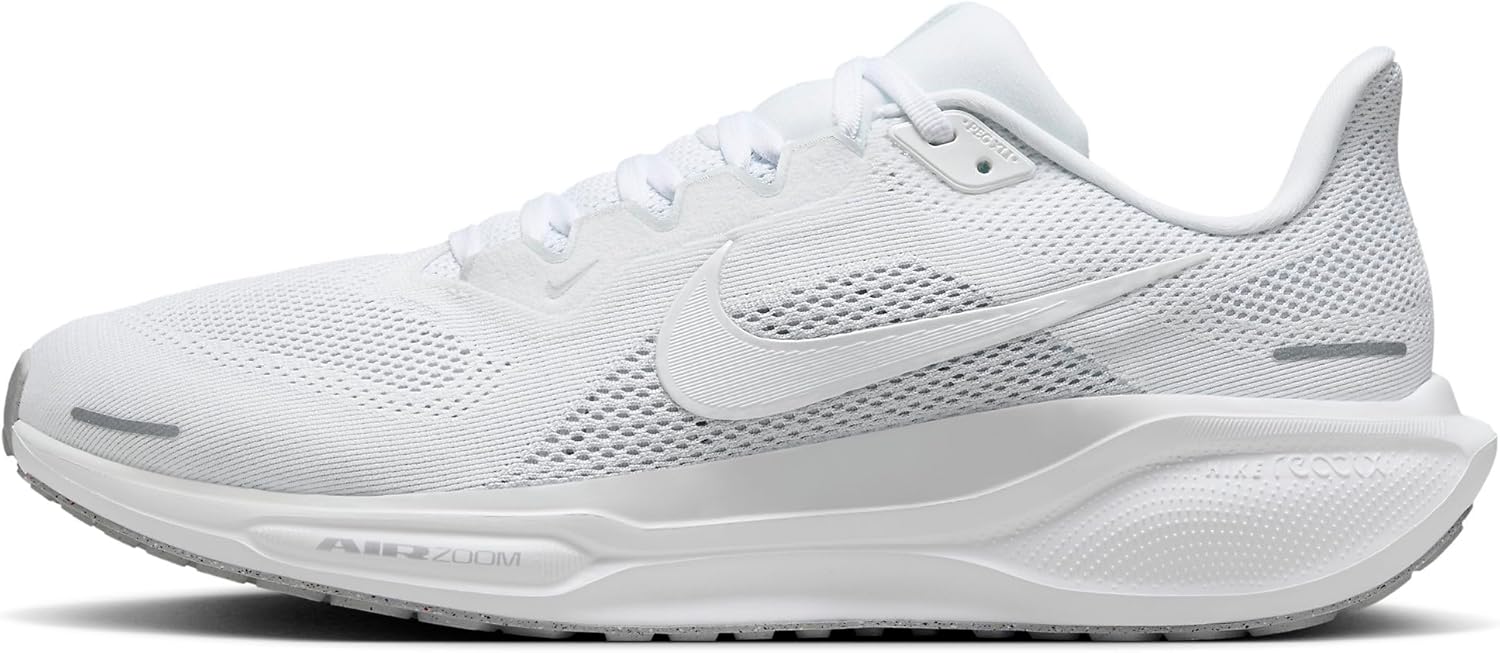
When Shoes Aren’t Enough — Dr. Tom’s Top 9 Orthotics
About 30% of patients I see for foot pain need MORE than a great shoe — they need a structured insole. Below: my complete 2026 orthotic ranking with pros, cons, and the specific patient I’d give each one to.




In-Office Treatment at Balance Foot & Ankle
If home treatment isn’t providing relief for your hammertoe, our podiatry team at Balance Foot & Ankle can help with same-day evaluations and advanced in-office care.
Frequently Asked Questions About Hammer Toe Correction
Can hammer toes be corrected without surgery?
Flexible hammer toes often respond to wide toe-box shoes, hammertoe crest pads, gel toe sleeves, and toe stretching exercises. Rigid (fixed) hammer toes typically require surgery for permanent correction.
How long is recovery from hammer toe surgery?
Walk in post-op shoe immediately; transition to regular shoes at 4-6 weeks; full activity by 8-12 weeks. Final cosmetic result at 6-12 months as swelling resolves.
Is hammer toe surgery painful?
Modest post-op pain managed with multimodal analgesia. Most patients describe pain as mild to moderate, controlled with NSAIDs + acetaminophen + occasional opioid for the first 3-7 days.
How much does hammer toe surgery cost?
$2,000-5,000 per toe out-of-pocket. Usually covered by insurance when medically necessary (failed conservative care, pain, secondary problems like corns).
Will my toe be straight after surgery?
Yes — the goal is straightening. Arthrodesis (fusion) gives the most reliable straight result. Arthroplasty (joint resection) gives a flexible result that’s usually straighter but may have some residual bend.
Can hammer toes come back after surgery?
Recurrence rate: 5-10% with arthroplasty (joint resection), <2% with arthrodesis (fusion). Underlying causes (genetic predisposition, continued shoe pressure) can cause new hammertoes in adjacent toes.
Can you walk after hammer toe surgery?
Yes — walk in a post-op shoe immediately after surgery. Most patients walk normally by 4-6 weeks. Avoid running, jumping, or contact sports until 8-12 weeks.
Related Resources from Balance Foot & Ankle
- Hammer Toes Treatment
- Bunion Treatment
- Lapiplasty Bunion Surgery
- Corns and Calluses
- Heloma Durum (Hard Corn)
- Big Toe Pain
Frequently Asked Questions
When should I see a podiatrist?
If symptoms persist past 2 weeks, affect your normal activity, or are accompanied by red-flag symptoms (warmth, redness, swelling, inability to bear weight).
What does treatment cost?
Most diagnostic visits and conservative treatments are covered by Medicare and major insurers. Out-of-pocket costs vary by your specific plan.
How quickly can I get an appointment?
Most non-urgent cases see us within 5 business days. Urgent cases (sudden pain, possible fracture) typically same or next business day.
What is Hammertoe?
Hammertoe is a common foot/ankle condition that affects mobility and quality of life. Understanding the underlying cause is the first step in successful treatment. Our podiatrists at Balance Foot & Ankle perform a hands-on biomechanical exam, review your activity history, and use diagnostic imaging when appropriate to identify the root cause—not just treat the symptom. Many patients have been told to “rest and ice” without a deeper diagnostic workup; our approach is different.
Symptoms and warning signs
Common signs of hammertoe include pain that worsens with activity, morning stiffness, swelling, tenderness when palpated, and difficulty bearing weight. If you experience sudden severe pain, inability to walk, visible deformity, numbness or color change, contact our office the same day or visit urgent care—these can signal a more serious injury such as a fracture, tendon rupture, or vascular compromise. Diabetics with any foot wound should seek same-day care.
Conservative treatment options
Most cases of hammertoe respond to non-surgical care: structured rest, supportive footwear changes, custom orthotics, targeted stretching and strengthening protocols, anti-inflammatory medications when medically appropriate, and in-office procedures such as ultrasound-guided injections. We also offer advanced therapies including MLS laser therapy, EPAT/shockwave, regenerative injections, and image-guided procedures. Treatment is sequenced from least invasive to most invasive, and we explain the rationale at every step.
When is surgery considered?
Surgery is reserved for cases that fail 3-6 months of well-structured conservative care, when there is structural pathology (severe deformity, complete tear, advanced arthritis), or when imaging shows damage that will not heal without intervention. Our surgeons have performed 3,000+ foot and ankle procedures and prioritize minimally-invasive techniques whenever appropriate. We discuss recovery timelines, return-to-activity milestones, and realistic outcome expectations before any procedure is scheduled.
Recovery timeline and prevention
Recovery from hammertoe varies based on severity and chosen treatment path. Conservative cases often improve within 4-8 weeks with consistent adherence to the protocol. Post-procedural recovery may range from a few days (in-office procedures) to several months (reconstructive surgery). Long-term prevention involves footwear assessment, activity modification, structured strengthening, and regular check-ins with your podiatrist if you have a history of recurrence. We provide written home-exercise plans and digital follow-up support.
Ready to Get Relief?
Same-day appointments available in Howell & Bloomfield Township, MI
4.9★ | 1,123 Reviews | 3,000+ Surgeries
Or call: (810) 206-1402

Dr. Tom Biernacki, DPM is a board-certified foot & ankle surgeon (ABFAS & ABPM) at Balance Foot & Ankle Specialists in Southeast Michigan. With over a decade of clinical experience, he specializes in heel pain, bunions, diabetic foot care, sports injuries, and minimally invasive surgery. Dr. Biernacki is a member of the APMA and ACFAS, and his patient education content on MichiganFootDoctors.com and YouTube has made him one of the most-followed foot & ankle educators on YouTube.