

Medically reviewed by Dr. Tom Biernacki, DPM
Board-certified podiatric surgeon | Balance Foot & Ankle
Last reviewed: May 2026

Table of Contents
- Why the Arch and Heel?
- Cause 1: Tinea Pedis (Athlete’s Foot)
- Cause 2: Contact Dermatitis
- Cause 3: Dyshidrotic Eczema
- Cause 4: Plantar Psoriasis
- Cause 5: Scabies
- Cause 6: Pitted Keratolysis
- How We Diagnose Foot Rashes
- Treatment by Diagnosis
- Warning Signs
- Frequently Asked Questions
That relentless itch on the arch or heel of your foot — the kind that gets worse when you take your shoes off, wakes you up at night, or forces you to scratch through your sock in a meeting — is one of the most common complaints we see in the clinic. Most people assume it is athlete’s foot and grab an antifungal cream. Sometimes they are right. But an itchy rash on the arch or heel of the foot has six or more distinct causes, and treating the wrong one can make things significantly worse. A steroid cream applied to an undiagnosed tinea pedis infection will temporarily calm the itch while allowing the fungus to spread dramatically. An antifungal cream applied to eczema will do nothing at all and delay the right diagnosis by weeks.
Why the Arch and Heel Are Common Rash Locations
The arch and heel are vulnerable to rashes for several overlapping reasons. The arch is a non-weight-bearing surface where heat and moisture accumulate without the friction that helps with ventilation on the ball of the foot. In people who sweat heavily, this creates a warm, moist environment ideal for fungal growth and inflammatory flares. The heel, by contrast, bears significant impact and tends to develop thick callused skin — but that thick skin traps sweat underneath and can develop fissures where organisms enter. Shoes that trap moisture (synthetic materials, tight toe boxes) dramatically increase rash frequency at both locations.
Location alone is a diagnostic clue. A rash that starts in the arch and spreads to the sides of the foot and between the toes is almost certainly fungal. A rash limited to the heel with sharp borders and silvery scale suggests psoriasis. A rash that appeared after wearing a new pair of sandals points to contact dermatitis. Blisters grouped across the arch in a symmetrical pattern bilaterally almost always indicate dyshidrotic eczema. In our clinic, we use this location-pattern approach as the starting filter before any lab work.
Key takeaway: Location and pattern are the first diagnostic filters for foot rashes. Arch-spreading-to-toes = likely fungal. Symmetrical blisters on both arches = likely dyshidrotic eczema. Sharp-bordered heel scale = likely psoriasis. Pattern guides treatment before any test results come back.
Cause 1: Tinea Pedis (Athlete’s Foot)
Tinea pedis is a dermatophyte fungal infection and the most common cause of itchy arch and heel rashes we see. It presents in three main patterns. The interdigital type starts between the toes (most often between the 4th and 5th) with maceration, scaling, and itch. The moccasin type spreads across the entire plantar surface including the arch and heel, producing diffuse fine scale and itching that patients often mistake for dry skin. The vesicular type causes small fluid-filled blisters, usually on the arch, that break open and crust over — this is the most acutely symptomatic and most commonly triggers secondary bacterial infection.
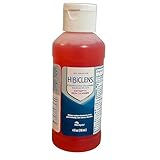
- Pharmaceutical antiseptic skin cleanser
- Safe for a child to use, though parents should practice discretion and always supervise use
- Shown through dermatological testing to be very mild on user skin
The fungal organisms responsible — primarily Trichophyton rubrum and T. mentagrophytes — are acquired from contaminated floors, shared footwear, and locker room surfaces. The infection is unilateral in about 40% of cases, which helps distinguish it from dyshidrotic eczema (typically bilateral). It is also common to have tinea pedis and onychomycosis (toenail fungus) simultaneously — the toenail serves as a reservoir for reinfection after the skin clears. In our clinic, we treat both simultaneously when both are present, otherwise skin recurrence rates are very high.
Treatment for tinea pedis is topical antifungal cream for 2 to 4 weeks for mild-to-moderate cases: terbinafine 1% (Lamisil AT), clotrimazole 1%, or miconazole 2% applied twice daily to the affected area plus 2 cm beyond the rash border. Continuing treatment for one full week after the rash appears clear is important to prevent relapse. Severe or recurrent cases, or any case with concurrent nail involvement, warrant oral terbinafine (250 mg daily for 2 to 4 weeks for skin; 12 to 24 weeks for nails).
Key takeaway: The moccasin-type tinea pedis on the arch looks like dry skin and is frequently missed. If your arch itches and has diffuse fine scale but no clear blisters or toe-web involvement, try terbinafine 1% cream for 4 weeks before assuming it is eczema.
Cause 2: Contact Dermatitis
Allergic contact dermatitis of the foot is more common than most patients realize, and it is one of the most frequently missed diagnoses when someone treats themselves with antifungal creams without improvement. The most common culprits are rubber accelerators in shoe insoles and linings (thiurams and carbamates are the most sensitizing), chromate in leather, and formaldehyde-releasing preservatives in synthetic footwear materials. The rash typically mirrors the shape of the offending material — a rash along the arch that matches the insole, or a band of rash across the foot that matches a sandal strap.
The rash in allergic contact dermatitis is intensely itchy, erythematous, and may have vesicles or oozing. The key history finding is a temporal relationship with new footwear — most reactions develop within 12 to 96 hours of exposure to the allergen. However, in people who have been sensitized for years, the rash may be chronic and patients no longer connect it to their footwear. Irritant contact dermatitis from sweat, moisture, and friction looks similar but develops faster and is not allergen-mediated.
Treatment starts with eliminating the offending shoe or insole. Switching to leather-free, rubber-free footwear and cotton socks often resolves the rash within one to two weeks. Topical mid-potency corticosteroids (triamcinolone 0.1%) accelerate resolution. Patch testing by a dermatologist is the definitive way to identify the specific allergen if the culprit is unclear.
Cause 3: Dyshidrotic Eczema (Pompholyx)
Dyshidrotic eczema, also called pompholyx, is an intensely itchy condition characterized by small tapioca-like vesicles (fluid-filled blisters) erupting on the palms, fingers, and the arches of the feet. The blisters are deep-seated, meaning they sit within the skin rather than on top of it, and they do not pop easily. They appear in crops, often bilaterally, and the arch of the foot is one of the classic locations alongside the sides of the toes. The itch is often described as “deep” or “crawling” and can be severe enough to interfere with sleep.
The cause is multifactorial: atopic background (personal or family history of eczema, asthma, or hay fever), stress, heat, hyperhidrosis (excessive sweating), and nickel sensitivity all contribute. A subset of patients with nickel allergy flare with dyshidrotic eczema when they eat nickel-rich foods (whole grains, legumes, chocolate). In our clinic, the bilateral blistering arch pattern in a patient with a history of hand eczema or asthma makes dyshidrotic eczema the first diagnosis until proven otherwise.
Treatment for acute flares involves high-potency topical steroids (clobetasol 0.05%) applied twice daily on blisters for one to two weeks, followed by a medium-potency agent for maintenance. Soaking the affected area in cool water for 15 minutes then applying the steroid while skin is still slightly damp improves penetration. Severe or refractory cases may require oral prednisone for brief tapering courses, phototherapy (PUVA or narrowband UVB), or systemic immunosuppressants.
Key takeaway: Dyshidrotic eczema = deep-seated tapioca vesicles on arches + sides of toes, typically bilateral. The key distinction from athlete’s foot: bilateral pattern, vesicles look like tapioca pearls (not flat scale), and topical antifungals will provide no relief. Treat with high-potency steroids, not antifungals.
Cause 4: Plantar Psoriasis
Palmoplantar psoriasis affects the palms and soles and presents differently from the classic plaque psoriasis seen elsewhere on the body. On the heel and arch, it typically appears as a well-demarcated plaque with a thickened, yellowish scale that may crack (fissure) and bleed. The itch can be significant but is sometimes less prominent than the pain from fissuring. Unlike tinea pedis, psoriatic plaques have very sharp borders and the scale is silvery-white to yellow rather than the fine powdery scale of fungal infection.
A subset of plantar psoriasis, palmoplantar pustulosis, produces sterile pustules (white or yellow pus-filled bumps) on the heel and arch. These are not infected — they are a sterile inflammatory phenomenon — and are frequently misdiagnosed as bacterial or fungal infection until cultures come back negative. Psoriasis anywhere on the body has a 30% association with psoriatic arthritis, so patients with plantar psoriasis warrant screening for joint symptoms. In our practice we coordinate with rheumatology for patients with joint involvement. The skin changes often show up years before any joint symptoms do, and pitting in the toenails on the same foot is a supporting clue that is easy to miss on your own. Book a foot rash evaluation online.
Cause 5: Scabies
Scabies deserves mention because the arch and heel are among the characteristic locations for the mite Sarcoptes scabiei in adults (alongside finger webs, wrists, and belt line). The itch is characteristically severe and worse at night — disproportionately intense compared to what the rash looks like. Look for burrow tracks: thin, thread-like lines a few millimeters long that represent the mite tunneling through the top layer of skin. These can be subtle but are pathognomonic for scabies.
Scabies is highly contagious via prolonged skin-to-skin contact and can spread through households before anyone realizes the diagnosis. If one family member has foot and hand itch that is worse at night and is not responding to antifungal or steroid cream, consider scabies and treat all household members simultaneously. Treatment is permethrin 5% cream applied from the neck down, left on for 8 to 14 hours, then washed off — repeated in one week. All clothing and bedding used in the previous three days should be washed in hot water.
Cause 6: Pitted Keratolysis
Pitted keratolysis is a bacterial infection of the superficial skin caused by Corynebacterium species and related organisms. It produces shallow pits in the skin of the weight-bearing surfaces — the heel and ball of the foot — along with a characteristic foul odor and a whitish, macerated appearance. Itch is present in roughly half of cases but is less prominent than the odor and appearance. The pits may coalesce into larger erosions, giving the skin a moth-eaten look.
Pitted keratolysis thrives in hyperhidrotic (sweaty) feet with poor ventilation — athletes, people who wear boots or closed shoes for long hours, and those who do not change socks frequently. Treatment is topical erythromycin 2%, clindamycin 1%, or benzoyl peroxide 10% applied twice daily, combined with measures to reduce foot moisture: foot antiperspirant (aluminum chloride), moisture-wicking socks, and rotating footwear to allow drying between uses.
Key takeaway: Pitted keratolysis = bacterial, not fungal. The telltale signs are shallow pits in the heel skin plus malodor and sweaty feet. Antifungals will not help. Topical antibiotics plus moisture control is the correct treatment.
How We Diagnose Foot Rashes in the Clinic
The most important diagnostic tool is the KOH preparation (potassium hydroxide wet mount). We scrape a small amount of scale from the rash, place it on a slide with KOH solution, and examine it under a microscope. If fungal hyphae are visible, it is tinea pedis. If the scraping is negative, we look at the clinical pattern more carefully: bilateral vesicular arch pattern suggests dyshidrosis; sharp-bordered heel plaque suggests psoriasis; shallow pits on the heel with odor confirms pitted keratolysis without needing further testing.
For rashes that do not fit a clear pattern or fail to respond to first-line treatment, skin biopsy or fungal culture may be ordered. Patch testing (allergy testing of the skin to specific contact allergens, placed on the back under Finn chambers) is the gold standard for diagnosing allergic contact dermatitis to shoe materials. In practice, a negative KOH prep and a history of new footwear make contact dermatitis very likely without formal patch testing in most cases.
Treatment Guide by Diagnosis
The treatment depends entirely on the correct diagnosis — which is why self-treating with the wrong category of product for weeks before seeking care is the most common mistake we see.
For tinea pedis: topical terbinafine 1% (Lamisil AT) or clotrimazole 1% twice daily for 2 to 4 weeks. Continue one week past clearing. Oral terbinafine for recurrent or nail-involved cases. Keep feet dry; use antifungal powder in shoes.
For contact dermatitis: remove the offending shoe or material immediately. Triamcinolone 0.1% cream twice daily for one to two weeks. Oral antihistamines for itch relief. Patch testing if cause unclear.
For dyshidrotic eczema: clobetasol 0.05% cream twice daily on blisters for one to two weeks. Cool compresses. Stress management and avoidance of nickel in diet for nickel-sensitive patients. PUVA phototherapy or dupilumab for severe recurrent cases.
For plantar psoriasis: high-potency topical steroids under occlusion, topical calcipotriene, salicylic acid for scale removal. Biologic therapies (IL-17 inhibitors, TNF inhibitors) for moderate-to-severe or joint-involved cases. Coordinate with dermatology or rheumatology.
For scabies: permethrin 5% cream to the whole body from neck down, repeated in one week. Treat all household contacts. Wash all clothing and bedding in hot water.
For pitted keratolysis: topical clindamycin 1% or erythromycin 2% twice daily for 3 to 4 weeks. Aluminum chloride antiperspirant on the soles. Moisture-wicking socks. Rotating shoes daily.
⚠️ When to see a podiatrist or dermatologist
- Rash not improving after 2 full weeks of appropriate over-the-counter treatment
- Blisters becoming painful, crusted, or showing signs of infection (warmth, spreading redness, pus)
- Rash spreading to both feet and/or hands simultaneously
- Severe itch waking you from sleep multiple nights per week
- Rash associated with joint pain or swelling (possible psoriatic arthritis)
- Foul odor combined with pitting and maceration not responding to antifungal treatment
- You have diabetes — any foot rash in a person with diabetes warrants prompt evaluation
Frequently Asked Questions
Why does my arch itch more at night?
Nocturnal itch is worsened by several factors: skin temperature rises when you are under covers, which enhances histamine release and itch signals; there are no distractions from the itch sensation; and cortisol (a natural anti-inflammatory) is at its lowest in the early morning hours. Scabies is classically associated with itch that is specifically worse at night, so if your itch is disproportionately worse at night and you have household contacts with similar symptoms, scabies should be ruled out before attributing the itch to eczema or fungal infection.
I have tried athlete’s foot cream for weeks and it is not working — what else could it be?
If two full weeks of terbinafine or clotrimazole cream applied correctly has not produced clear improvement, the most likely explanations are: (1) the diagnosis is wrong — eczema, psoriasis, or contact dermatitis look like tinea pedis but do not respond to antifungals; (2) you have a resistant or mixed infection; or (3) you are reinfecting from toenail fungus acting as a reservoir. A KOH preparation in the office takes minutes and gives a definitive answer about whether fungus is present. Do not keep using antifungal cream without a confirmed fungal diagnosis — you may be masking or worsening the real problem.
Can I use hydrocortisone cream on my foot rash?
It depends entirely on the cause. Hydrocortisone is appropriate for contact dermatitis and dyshidrotic eczema, where inflammation is the problem. However, applying a topical steroid to an undiagnosed tinea pedis infection suppresses the immune response, temporarily calms the itch, and allows the fungus to spread into a much larger area — a pattern called tinea incognito. The rash looks less red but covers more skin. If there is any chance the rash could be fungal, confirm with a KOH test or a dermatologist before using steroid cream.
Does an itchy foot rash mean I have athlete’s foot?
Not necessarily — athlete’s foot is the most common cause, but dyshidrotic eczema, contact dermatitis, psoriasis, scabies, and pitted keratolysis all produce itchy foot rashes that look similar at first glance. The diagnostic clues are: bilateral symmetrical blisters on both arches = eczema; rash that mirrors a shoe/insole shape = contact dermatitis; sharp-bordered yellow heel scale = psoriasis; thread-like burrow tracks plus nocturnal itch = scabies; pits plus malodor plus sweaty feet = pitted keratolysis. Only tinea pedis reliably responds to antifungal cream.
The Bottom Line
An itchy rash on the arch or heel of the foot has multiple possible causes, and the most common mistake is assuming it is athlete’s foot and treating it with antifungal cream without confirming the diagnosis. Tinea pedis, contact dermatitis, dyshidrotic eczema, plantar psoriasis, scabies, and pitted keratolysis all present with itch in the arch and heel region but require completely different treatments. The location, pattern, bilateral vs. unilateral distribution, presence of vesicles vs. scale vs. pits, and association with footwear are the diagnostic clues that point to the right answer. If two weeks of the correct first-line treatment does not produce clear improvement, a KOH prep and clinical evaluation will identify the actual diagnosis quickly.
The American Academy of Dermatology advises that persistent itchy rash on the foot arch lasting more than two weeks — especially if vesicular or scaling — should be evaluated clinically to distinguish tinea pedis from contact dermatitis, as treatment differs significantly between the two. (AAD: Athlete’s Foot)
Sources
- Ely JW, Rosenfeld S, Stone MS. Diagnosis and management of tinea infections. Am Fam Physician. 2014;90(10):702-710.
- Leung DY, et al. Dyshidrotic eczema (pompholyx): epidemiology and pathogenesis. J Am Acad Dermatol. 2019;80(6):1556-1562.
- Menter A, et al. Joint AAD-NPF guidelines of care for the management of psoriasis with biologics. J Am Acad Dermatol. 2019;80(4):1029-1072.
- Hay RJ. Tinea pedis: evidence-based treatment. Curr Opin Infect Dis. 2015;28(2):139-142.
- Stulberg DL, Penrod MA, Blatny RA. Common bacterial skin infections. Am Fam Physician. 2002;66(1):119-124.
Ready to Get Relief?
Same-week appointments available in Howell & Bloomfield Township, MI
4.9★ | 1,123 Reviews | 3,000+ Surgeries
Or call: (810) 206-1402
Related foot-skin guides
More on itchy rashes and skin changes on the foot:

Dr. Tom Biernacki, DPM is a board-certified foot & ankle surgeon (ABFAS & ABPM) at Balance Foot & Ankle Specialists in Southeast Michigan. With over a decade of clinical experience, he specializes in heel pain, bunions, diabetic foot care, sports injuries, and minimally invasive surgery. Dr. Biernacki is a member of the APMA and ACFAS, and his patient education content on MichiganFootDoctors.com and YouTube has made him one of the most-followed foot & ankle educators on YouTube.
More questions patients ask
What causes an itchy rash on the arch or heel of the foot?
An itchy rash on the foot arch or heel is most commonly caused by athlete's foot (tinea pedis), contact dermatitis (reaction to shoe materials, detergent, or metals), dyshidrotic eczema (tiny blisters on the soles), or psoriasis. The pattern and appearance of the rash help distinguish between causes.
How do I know if my foot rash is athlete's foot or eczema?
Athlete's foot typically starts between the toes, has a scaly, peeling, or blistered appearance, and may smell. Eczema tends to appear as dry, thickened, cracked skin or tiny water blisters on the soles and arches. A podiatrist can examine skin scrapings or perform a KOH test to distinguish fungal from inflammatory causes.
How do you treat a foot arch rash?
Athlete's foot is treated with antifungal cream (clotrimazole, terbinafine). Contact dermatitis responds to avoiding the trigger and using hydrocortisone cream. Dyshidrotic eczema benefits from moisturizers, cool compresses, and prescription steroids for severe flares. See a podiatrist if the rash doesn't respond to OTC treatment within 2 weeks.
Still have a question about coverage or cost? Book online and we will check your benefits before your visit: Book in Howell · Book in Bloomfield Township. Prefer to talk it through first? Call (810) 206-1402.