

You felt the pop — the right call between surgery and casting depends on your goals, age, and activity level.
Not sure which one you have? A podiatrist can tell in one visit — book a real appointment time online, 24/7: Howell or Bloomfield Township. Takes about a minute, 24/7.
You are in the right place. Dr. Tom Biernacki, DPM, FACFAS — board-certified foot & ankle surgeon with 3,000+ surgeries — explains exactly what Achilles rupture — surgery vs nonsurgical treatment means and what works. Call (810) 206-1402 for same-day appointment at Howell or Bloomfield Township.
Medically reviewed by Dr. Tom Biernacki, DPM · Board-Certified Podiatric Surgeon · Last reviewed: April 2026 · Editorial Policy
The most important clinical decision with Achilles Rupture Operative Vs Nonoperative Treatment Guide isn’t which treatment to start with — it’s identifying the correct subtype. That changes everything. Call (810) 206-1402.
Quick Answer
Achilles Tendon Rupture Treatment 2026 DPM relates to Achilles tendonitis — typically caused by sudden activity increase. Most patients improve in 8-12 weeks with conservative care. Same-week appointments in Howell + Bloomfield Township: (810) 206-1402.

Medically reviewed by Dr. Tom Biernacki, DPM — Board-Certified Podiatric Surgeon — Balance Foot & Ankle, Howell & Bloomfield Township, MI. Last updated April 2026.
▶ Watch
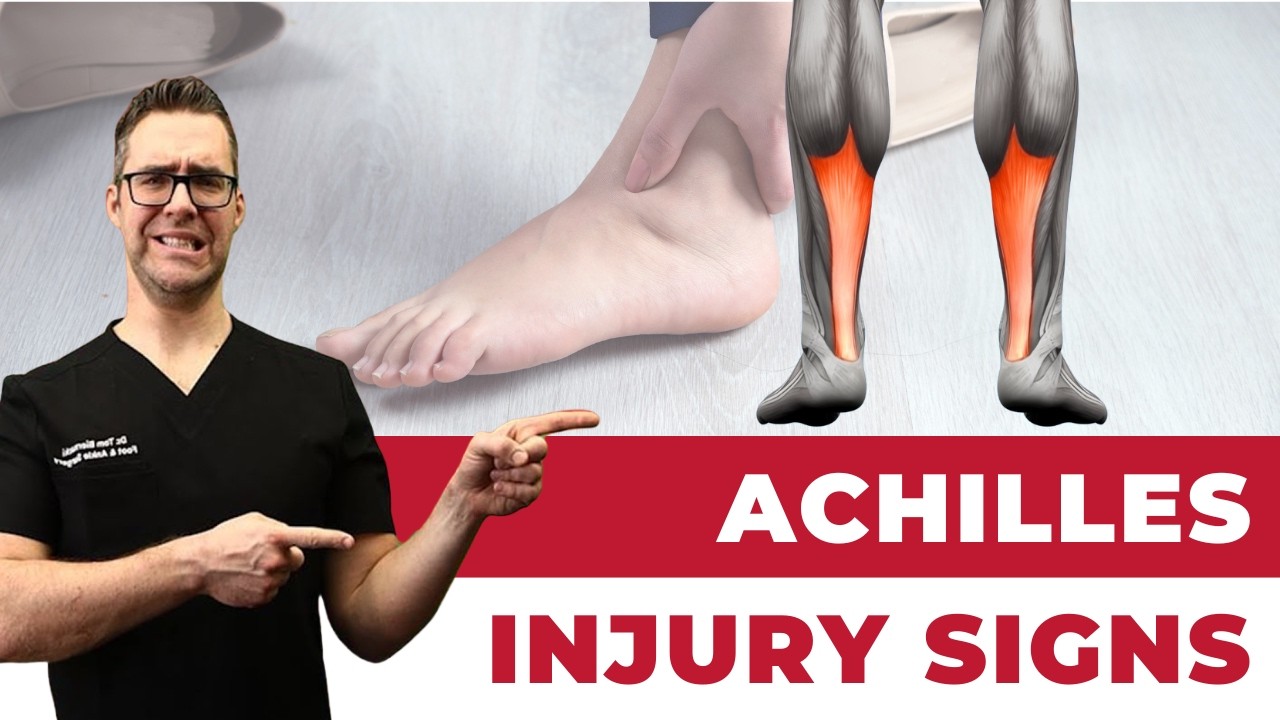
Medically Reviewed by Dr. Tom Biernacki, DPM — Board-Certified Podiatrist, Balance Foot & Ankle Specialists, Michigan. Last updated April 2026.
Achilles tendon rupture is one of the most debated injuries in orthopaedic and podiatric surgery — the decision between operative repair and non-operative functional rehabilitation is not as clear-cut as it once was. Understanding the current evidence helps patients and surgeons make the right choice for each individual’s lifestyle, goals, and risk tolerance.
How Achilles Tendon Ruptures Occur
The Achilles tendon — the strongest and largest tendon in the body — typically ruptures in the “watershed zone” approximately 2–6 cm proximal to the calcaneal insertion, where blood supply is least dense. The classic mechanism is a sudden eccentric load: a middle-aged recreational athlete (the “weekend warrior”) lunging, sprinting, or jumping after a period of reduced activity. The classic triad of symptoms: a loud “pop” heard or felt, sudden severe calf pain, and inability to stand on tiptoe.
Thompson test (squeezing the calf does not produce ankle plantarflexion) confirms the diagnosis clinically. Palpable gap in the tendon is pathognomonic. Ultrasound or MRI confirms the diagnosis, characterizes the gap size, and quantifies tendon retraction — all factors that influence management decisions.
The Historical Debate: Surgery vs. Conservative Treatment
For decades, operative repair was preferred for active patients based on early studies showing lower re-rupture rates (3–5% for surgery vs. 10–15% for cast immobilization). However, the comparison was flawed: it compared surgery to prolonged non-functional cast immobilization — not to modern accelerated functional rehabilitation.
The landmark 2010 Willits randomized controlled trial and subsequent meta-analyses comparing surgery to accelerated functional rehabilitation (early weight-bearing in equinus position, progressive range of motion) demonstrated equivalent re-rupture rates (approximately 4% in both groups) with similar functional outcomes and return-to-sport timelines. This evidence fundamentally changed the treatment landscape.
Current Treatment Approach: Individualized Decision-Making
Non-Operative Accelerated Functional Rehabilitation
Appropriate for: most acute Achilles ruptures in active patients willing to comply with a structured protocol. The protocol begins immediately after rupture: equinus cast or boot for 2 weeks, then progressive range of motion in a hinged boot with heel lifts (dorsiflexion gradually allowed over 8–10 weeks), full weight-bearing within 2–4 weeks. Physical therapy begins at 6–8 weeks with progressive strengthening. Return to sport averages 6–9 months.
Advantages: no surgical risks (wound complications, sural nerve injury, infection, DVT), shorter recovery in the early phase, equivalent outcomes to surgery when protocol is followed. Disadvantage: requires strict compliance; non-compliance dramatically increases re-rupture risk.
Operative Repair
Indications where surgery has advantages: competitive or elite athletes (slightly faster return to peak performance in some studies), patients with large gaps (>5 cm tendon retraction, where non-operative apposition may be inadequate), re-ruptures after prior non-operative treatment, and patients unlikely to comply with a strict non-operative protocol. Techniques include open primary repair, minimally invasive (percutaneous) repair, and augmented repair with tendon grafts for large defects.
Complications unique to surgery: wound healing problems (particularly in poorly vascularized watershed zone skin), deep infection, sural nerve injury producing lateral foot numbness, and DVT. These risks are reduced but not eliminated with minimally invasive techniques.
Chronic and Neglected Achilles Ruptures
Ruptures presenting after 4–6 weeks are considered chronic and typically require surgical reconstruction with augmentation — the proximal tendon has retracted, contracted, and is embedded in scar tissue. Reconstruction options include V-Y plasty lengthening with direct repair, flexor hallucis longus transfer, turndown flap procedures, and allograft augmentation. Outcomes for chronic repairs are inferior to acute repair but generally satisfactory for daily activity.
At Balance Foot & Ankle, Dr. Biernacki evaluates acute and chronic Achilles tendon ruptures at both Bloomfield Township and Howell offices, providing evidence-based management including both non-operative and operative options individualized to each patient. Call (810) 206-1402 — prompt evaluation after suspected rupture is critical.
Schedule Your Appointment at Balance Foot & Ankle
Board-certified podiatric physician and surgeon serving Southeast Michigan from Bloomfield Township and Howell.
📞 (810) 206-1402 |
📧 Get Dr. Tom’s Free Lab Test Guide
Discover the 5 lab tests every person over 35 should ask their doctor about — explained in plain English by a board-certified physician.
📍 Located in Michigan?
Our board-certified podiatrists treat this condition at two convenient locations. Same-day appointments often available.

Insurance Accepted
BCBS · Medicare · Aetna · Cigna · United Healthcare · HAP · Priority Health · Humana · View All →
Howell Office
4330 E Grand River Ave
Howell, MI 48843
Get Directions →
Bloomfield Township Office
43494 Woodward Ave, #208
Bloomfield Township, MI 48302
Get Directions →
Your Board-Certified Podiatrists



Ready to Get Back on Your Feet?
Same-week appointments available at both locations.
Book Your AppointmentIn Our Clinic
Most Achilles tendonitis patients we see at Balance Foot & Ankle are recreational runners in their 40s or 50s who ramped up mileage too quickly, plus a second cohort of middle-aged women who recently switched from heels to flat shoes. The first question we ask is whether the pain is at the insertion on the heel bone versus 2–6 cm up the mid-substance — the treatment ladder is genuinely different. Eccentric heel-drops, heel lifts, and a soft-strike gait retraining pass resolve ~80 % of cases. The ones who aren’t improving by week 8 usually have an unrecognized Haglund’s deformity or insertional calcific tendinosis that needs imaging.
Watch: Dr. Tom explains
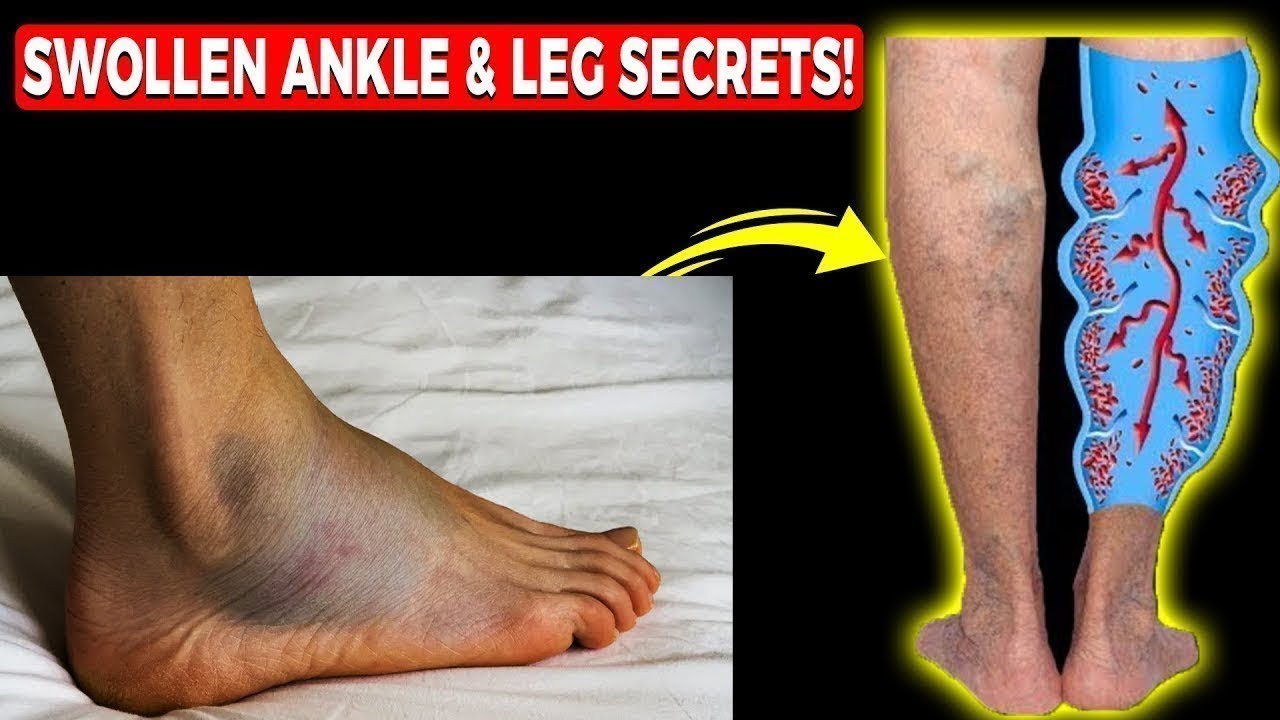
Podiatrist-recommended products
As an Amazon Associate, Dr. Tom earns from qualifying purchases.
Standard non-operative Achilles rupture protocol requires progressive wedge boot.
View on Amazon →Post-rupture swelling control in acute phase.
View on Amazon →Topical relief during Achilles healing.
View on Amazon →Post-healing arch support reduces Achilles load.
View on Amazon →Related resources
Ready to solve this? Book today.
Same-week appointments · Howell & Bloomfield Township · 4.9★ (1,123+ reviews)
☎ (810) 206-1402Book Online →More Podiatrist-Recommended Achilles Essentials
Achilles Night Splint
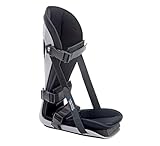
United Ortho dorsiflexion splint — reduces morning Achilles tendon stiffness.
Cushioned Running Shoe

- JACQUARD KNIT UPPER
- Lining Textile
Hoka Clifton 10 — max-heel-cushion offloads the Achilles with every step.
Calf Foam Roller

- Patented foam roller design offers a superior, multi-density exterior constructed over a rigid, hollow core
- Constructed from quality materials that won’t break down or lose shape from repeated use
- Includes access to free online instructional video library on foam rolling best practices from the experts at trigger point
- Trusted foam roller of physical and massage therapists, coaches, trainers and athletes
- Original Grid: Standard density, 13 x 5.5 inches, 500 pound weight limit; 1 year manufacturer’s warranty

TriggerPoint foam roller — releases calf tension that upstream-drives Achilles inflammation.
As an Amazon Associate, Balance Foot & Ankle earns from qualifying purchases. Product recommendations are based on clinical experience; prices and availability shown above update live from Amazon.


![Torn Achilles Tendon Rupture or Achilles Tendonitis? [HOW TO TELL]](https://www.michiganfootdoctors.com/wp-content/cache/flying-press/60ed45640b065c0cbec21baaeb18e9ab.jpg)
Watch: Torn Achilles Tendon Rupture or Achilles Tendonitis? [HOW TO TELL] — MichiganFootDoctors YouTube
When to See a Podiatrist
Achilles tendonitis that lasts more than 3 months has usually caused structural tendon changes that heating and stretching can’t reverse. Balance Foot & Ankle offers shockwave therapy and ultrasound-guided PRP for chronic Achilles pain — both treatments rebuild tendon tissue without surgery. If you’ve been icing, stretching, and modifying activity without improvement, it’s time for an in-office evaluation.
Call Balance Foot & Ankle: (810) 206-1402 · Book online · Offices in Howell & Bloomfield Township
Pros & Cons of Conservative Care for Achilles tendonitis
Advantages
- ✓ Eccentric heel drops 80%+ effective
- ✓ Conservative treatment first
- ✓ Strong recovery prognosis
Considerations
- ✗ Recovery 8-12 weeks typical
- ✗ Risk of rupture if ignored
- ✗ Surgery required if rupture
Dr. Tom’s Recommended Products for Achilles tendonitis
Affiliate disclosure: As an Amazon Associate, Balance Foot & Ankle earns from qualifying purchases. We only recommend products we use with patients.
TriggerPoint Footballer Dr. Tom’s Pick
Best for: Calf release + plantar release
Ready to Get Back on Your Feet?
Same-day appointments in Howell + Bloomfield Township. Most insurance accepted. Dr. Tom Biernacki, DPM & team.
Book Today — Same-Day Appointments Available
Call Now: (810) 206-1402
About Your Care Team at Balance Foot & Ankle
Dr. Tom Biernacki, DPM · Board-Certified Foot & Ankle Surgeon. Specializes in conservative-first care, minimally invasive bunion surgery, and complex reconstruction.
Dr. Carl Jay, DPM · Accepting new patients. Specializes in sports medicine, athletic injuries, and routine podiatric care.
Dr. Daria Gutkin, DPM, AACFAS · Accepting new patients. Specializes in surgical reconstruction and pediatric podiatry.
Locations: 4330 E Grand River Ave, Howell, MI 48843 · 43494 Woodward Ave Suite 208, Bloomfield Township, MI 48302
Hours: Mon–Fri 8:00 AM – 5:00 PM · (810) 206-1402
Frequently Asked Questions
Which is better for plantar fasciitis?
The shoe with more cushioning and a stronger rocker typically wins for plantar fasciitis. See full comparison for our specific verdict.
Which lasts longer?
Both options typically last 300-500 miles for runners or 9-12 months for daily walkers. Material durability varies; check our detailed comparison.
Which is better for flat feet?
Flat feet need stability or motion control. The neutral option is not ideal unless paired with a custom orthotic.
What is Achilles tendon?
Achilles tendon is a common foot/ankle condition that affects mobility and quality of life. Understanding the underlying cause is the first step in successful treatment. Our podiatrists at Balance Foot & Ankle perform a hands-on biomechanical exam, review your activity history, and use diagnostic imaging when appropriate to identify the root cause—not just treat the symptom. Many patients have been told to “rest and ice” without a deeper diagnostic workup; our approach is different.
Symptoms and warning signs
Common signs of Achilles tendon include pain that worsens with activity, morning stiffness, swelling, tenderness when palpated, and difficulty bearing weight. If you experience sudden severe pain, inability to walk, visible deformity, numbness or color change, contact our office the same day or visit urgent care—these can signal a more serious injury such as a fracture, tendon rupture, or vascular compromise. Diabetics with any foot wound should seek same-day care.
Conservative treatment options
Most cases of Achilles tendon respond to non-surgical care: structured rest, supportive footwear changes, custom orthotics, targeted stretching and strengthening protocols, anti-inflammatory medications when medically appropriate, and in-office procedures such as ultrasound-guided injections. We also offer advanced therapies including MLS laser therapy, EPAT/shockwave, regenerative injections, and image-guided procedures. Treatment is sequenced from least invasive to most invasive, and we explain the rationale at every step.
When is surgery considered?
Surgery is reserved for cases that fail 3-6 months of well-structured conservative care, when there is structural pathology (severe deformity, complete tear, advanced arthritis), or when imaging shows damage that will not heal without intervention. Our surgeons have performed 3,000+ foot and ankle procedures and prioritize minimally-invasive techniques whenever appropriate. We discuss recovery timelines, return-to-activity milestones, and realistic outcome expectations before any procedure is scheduled.
Recovery timeline and prevention
Recovery from Achilles tendon varies based on severity and chosen treatment path. Conservative cases often improve within 4-8 weeks with consistent adherence to the protocol. Post-procedural recovery may range from a few days (in-office procedures) to several months (reconstructive surgery). Long-term prevention involves footwear assessment, activity modification, structured strengthening, and regular check-ins with your podiatrist if you have a history of recurrence. We provide written home-exercise plans and digital follow-up support.
Ready to feel better?
Same-week appointments available in Howell and Bloomfield Township, Michigan.
Book Your VisitGet Expert Care at Balance Foot & Ankle
Same-week appointments at our Howell and Bloomfield Township offices. Board-certified podiatric surgeons. Most insurance accepted.
Ready for Expert Care?
Same-day appointments in Howell & Bloomfield Township, MI.
4.9★ | 1,123 Reviews | 3,000+ Surgeries
Or call: (810) 206-1402

Dr. Tom Biernacki, DPM is a board-certified foot & ankle surgeon (ABFAS & ABPM) at Balance Foot & Ankle Specialists in Southeast Michigan. With over a decade of clinical experience, he specializes in heel pain, bunions, diabetic foot care, sports injuries, and minimally invasive surgery. Dr. Biernacki is a member of the APMA and ACFAS, and his patient education content on MichiganFootDoctors.com and YouTube has made him one of the most-followed foot & ankle educators on YouTube.
More questions patients ask
How long does an ankle sprain take to heal?
Recovery time depends on severity: Grade 1 (mild stretching) typically heals in 1-3 weeks, Grade 2 (partial tear) in 3-6 weeks, and Grade 3 (complete tear) in 6-12 weeks or longer. Proper rehabilitation is critical to prevent chronic ankle instability, which affects up to 40% of patients who don't receive adequate treatment. Dr. Biernacki creates customized recovery plans.
When should I see a doctor for a sprained ankle?
Seek professional evaluation if you can't bear weight, notice significant swelling or bruising, hear a pop at the time of injury, have numbness, or if pain hasn't improved after 5-7 days of RICE treatment. X-rays or MRI may be needed to rule out fractures. Dr. Biernacki offers same-day urgent evaluations at 810-206-1402.
Can a sprained ankle heal without treatment?
While mild sprains may heal with rest and home care, undiagnosed ligament tears and improperly rehabilitated sprains frequently lead to chronic ankle instability, recurrent sprains, and early-onset arthritis. A proper evaluation ensures appropriate treatment and reduces your risk of long-term complications significantly.
Still have a question about coverage or cost? Book online and we will check your benefits before your visit: Book in Howell · Book in Bloomfield Township. Prefer to talk it through first? Call (810) 206-1402.