

Medically reviewed by Dr. Tom Biernacki, DPM
Board-certified podiatric surgeon | Balance Foot & Ankle, Howell & Bloomfield Township, MI
Last reviewed: May 2026
| Type | Location | Pathology | Classic Symptom | Provocative Test |
|---|---|---|---|---|
| Anterior Ankle Impingement | Anterior ankle joint (tibiotalar) | Osteophytes on anterior tibia and/or talar neck; soft tissue synovitis | Pain with dorsiflexion (squatting, lunging, uphill); “football ankle” | Anterior impingement sign (pain with forced DF) |
| Anterolateral Impingement | Anterolateral gutter (lateral talar dome) | Thickened synovial tissue / meniscoid lesion after lateral ankle sprain | Anterolateral pain with DF + inversion; pain persists after sprain “healing” | Anterolateral impingement test (dorsiflexion + inversion) |
| Posterior Ankle Impingement | Posterior ankle (os trigonum zone) | Os trigonum / Stieda process compression in plantarflexion | Deep posterior ankle pain with pointed-foot position; dancers, kickers | Posterior impingement test (forced plantarflexion) |
| Posteromedial Impingement | Posteromedial recess | Deltoid ligament scarring; loose bodies; FHL tenosynovitis | Posteromedial pain; FHL catching (hallux trigger toe) | FHL resistance test; posteromedial palpation |
| Treatment | Indication | Technique | Success Rate | Recovery |
|---|---|---|---|---|
| Activity Modification + NSAIDs | First-line; all types; acute flare | Avoid provocative range of motion; 2–4 weeks | Temporary relief; not curative for osseous impingement | Days to weeks |
| Corticosteroid Injection | Soft tissue impingement (anterolateral, synovitis); pre-surgical diagnostic | US-guided into impingement zone; max 2 injections | 60–75% short-term; lower for osseous impingement | Days to 2 weeks for effect |
| Ankle Arthroscopy — Anterior Debridement | Anterior/anterolateral impingement; failed conservative care 3–6 months | 2.7mm scope; osteophyte resection with 4mm burr; synovectomy | 80–90% return to sport; 85% pain resolution | 2–4 weeks to walking; 3–4 months return to sport |
| Ankle Arthroscopy — Posterior (Endoscopic) | Posterior impingement; os trigonum syndrome; FHL tenosynovitis | Posterior 2-portal endoscopy; os trigonum excision; FHL release | 85–95% resolution in dancers and athletes | 2–3 weeks non-weight-bearing; 6–8 weeks return to dance/sport |
| Open Excision (rare) | Large osteophytes; failed arthroscopy; complex loose bodies | Anterior or posterior open approach; spur resection | 75–85% | 6–8 weeks; longer than arthroscopic |
Foot pain isn't resolving?
Same-week appointments at Howell & Bloomfield Township
Medically Reviewed | Dr. Tom Biernacki, DPM | Board-Certified Podiatric Surgeon | Balance Foot & Ankle, Michigan
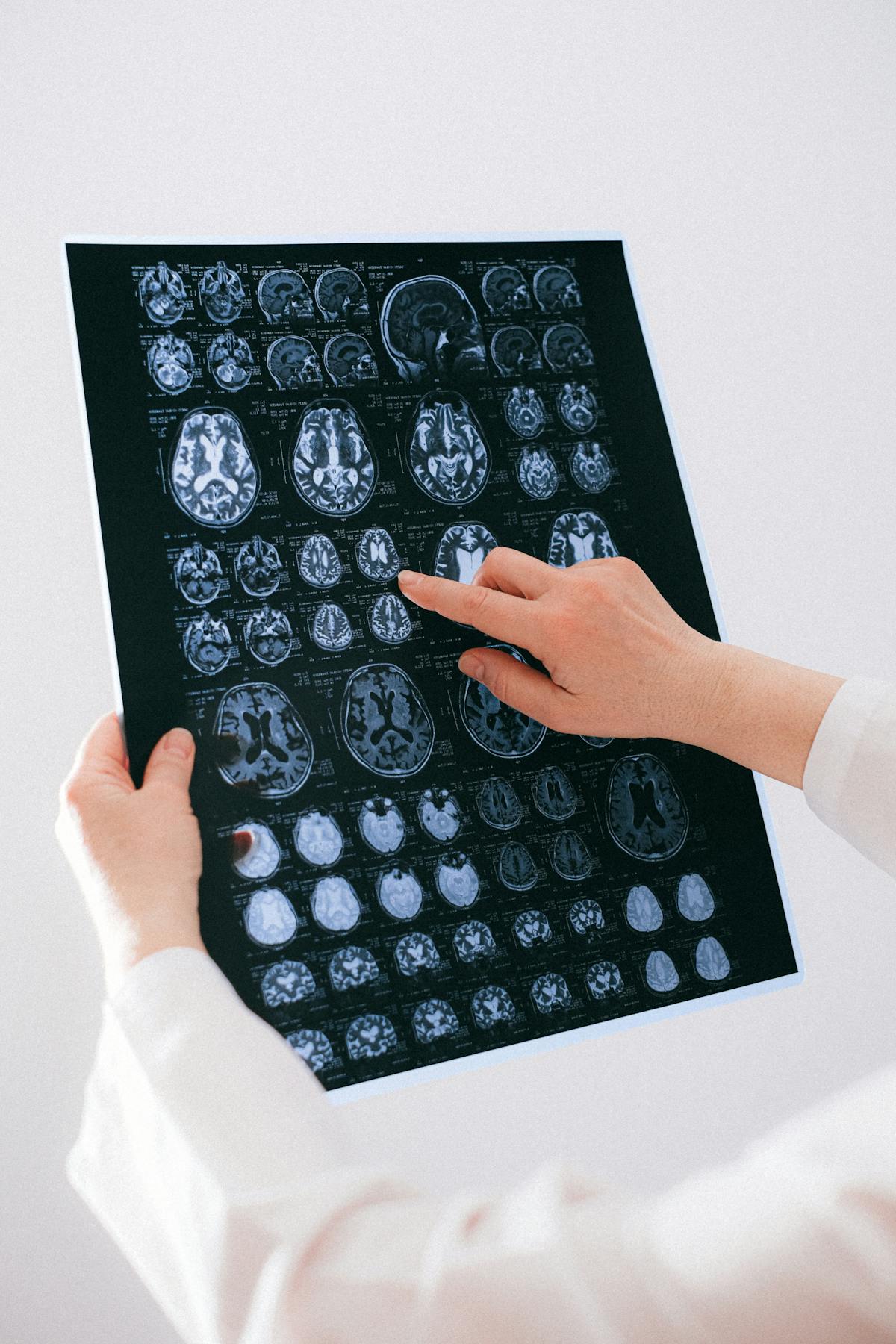
Ankle impingement syndrome is a broad term describing pain caused by mechanical trapping—or impingement—of soft tissue or bony structures within or around the ankle joint during movement. It is one of the most common causes of persistent ankle pain in athletes and active adults, yet it is frequently misdiagnosed or attributed simply to a “chronic sprain” that never healed. Accurate identification of the impingement type—anterior versus posterior—is essential because the clinical presentation, provocative movements, and treatment approaches differ significantly.
Anterior Ankle Impingement
Anterior ankle impingement affects the front of the ankle joint and is provoked by activities requiring ankle dorsiflexion (bending the foot upward)—squatting, climbing stairs, running uphill, and deep ankle flexion in athletes. Pain is felt in the anterior ankle crease—the fold between the front of the shin and the top of the foot. The condition results from either soft tissue impingement (inflamed synovium or scar tissue caught between the tibia and talus) or bony impingement (osteophytes—bone spurs—at the anterior tibial or talar margins mechanically blocking full dorsiflexion).
Bony anterior impingement is classified by the Scranton and McDermott system (Grade I–IV based on spur size and secondary arthritic changes). Large Grade III–IV spurs typically require surgical removal—conservative measures manage symptoms but cannot address the mechanical block from established bone spurs. Soft tissue impingement from synovitis or scar tissue (particularly following recurrent ankle sprains) can often be managed with a targeted cortisone injection and physical therapy, with arthroscopic debridement reserved for refractory cases.
The anterolateral soft tissue impingement specifically—scarring of the anterior talofibular and anterior syndesmotic ligaments against the anterolateral talus following ankle sprain—is one of the most common causes of “ankle that never felt right after a sprain.” This is a soft tissue impingement presenting with anterolateral ankle pain and giving-way sensation after a sprain that has clinically healed.
Posterior Ankle Impingement
Posterior ankle impingement affects the back of the ankle and is provoked by ankle plantarflexion (pointing the foot downward)—ballet en pointe, soccer instep kicks, and downhill running. Pain is felt deep at the very back of the ankle, posterior to the Achilles tendon and the tibiotalar joint line. The most common bony cause is an os trigonum—an accessory bone behind the talus present in 7–14% of the population—or a prominent posterior talar process (Stieda process) that gets impinged between the heel bone and the back of the shin during plantarflexion.
Soft tissue posterior impingement arises from inflamed synovium, posterior ankle capsule, or flexor hallucis longus (FHL) tendon tenosynovitis—the FHL tendon runs immediately adjacent to the posterior ankle joint and is frequently irritated concurrently. The posterior impingement test—rapid passive plantarflexion of the ankle—reproduces the characteristic pain and is the key clinical diagnostic maneuver.
Diagnosis: Weight-Bearing X-Ray and MRI
Lateral ankle X-rays (weight-bearing) are the first imaging step for both anterior and posterior impingement. Anterior bone spurs are visible on the anterior tibial and talar margins; the os trigonum appears as a rounded ossicle behind the posterior talus on lateral view. MRI confirms soft tissue pathology—synovial hypertrophy, scar tissue, FHL tenosynovitis, and bone marrow edema within impinging bony structures—and guides treatment planning by differentiating soft tissue impingement (potentially amenable to injection) from bony impingement requiring surgical removal.
Treatment: Conservative to Arthroscopic
Cortisone injection under ultrasound guidance into the anterior or posterior ankle joint provides anti-inflammatory relief that can be diagnostic (confirming the impingement location is the pain source) and therapeutic. Soft tissue impingement cases often respond to injection combined with physical therapy—with many patients achieving lasting relief without surgery.
Physical therapy addresses the posterior chain tightness that contributes to anterior impingement (tight gastrocnemius-soleus increases compressive forces at the anterior ankle during dorsiflexion) and the posterior ankle flexibility limitations contributing to os trigonum irritation. Activity modification reduces the sport-specific provocation during the treatment phase.
Arthroscopic debridement is the definitive surgical treatment for both anterior (bony osteophyte removal, synovectomy) and posterior (os trigonum excision, FHL tenosynovectomy) impingement. Minimally invasive portals allow the camera and instruments to access both ankle compartments through small incisions. Published outcomes consistently show 70–90% good-to-excellent results for arthroscopic ankle impingement treatment, with return to sport at 6–12 weeks post-operatively for most patients.
Dr. Tom's Product Recommendations
Superfeet GREEN Arch Support Insoles
⭐ Highly Rated
High-arch support insoles that improve ankle alignment and reduce compressive forces at the anterior ankle during activity.
Dr. Tom says: “These helped take some of the impingement pressure off my ankle while I was working through PT.”
Anterior ankle impingement patients with pes planus needing arch support to reduce dorsiflexion load
Posterior ankle impingement patients (different biomechanical intervention needed)
Disclosure: We earn a commission at no extra cost to you.
Vive Lace Up Ankle Brace
⭐ Highly Rated
Adjustable ankle support that limits extremes of plantarflexion and dorsiflexion—protective management for ankle impingement during activity.
Dr. Tom says: “Wore this during activity while managing my ankle impingement—kept me moving without aggravating it.”
Ankle impingement patients maintaining activity during conservative management phase
Post-arthroscopic surgery patients who need specific surgeon-prescribed rehabilitation protocol
Disclosure: We earn a commission at no extra cost to you.
Biofreeze Professional Gel Pain Relief
⭐ Highly Rated
Topical menthol pain relief gel for anterior or posterior ankle impingement soreness after activity.
Dr. Tom says: “Applying this after practice helped manage the ankle aching while I waited for my injection appointment.”
Ankle impingement patients managing post-activity soreness during conservative management
Replacement for cortisone injection or arthroscopic treatment when surgery is indicated
Disclosure: We earn a commission at no extra cost to you.
✅ Pros / Benefits
- Arthroscopic treatment achieves 70–90% good-to-excellent results for both anterior and posterior impingement
- Diagnostic cortisone injection confirms impingement location while providing therapeutic relief
- Return to sport at 6–12 weeks after arthroscopic debridement in most patients
❌ Cons / Risks
- Large Grade III–IV bone spurs almost always require surgery eventually—conservative measures only delay it
- Posterior impingement in high-level dancers often requires surgical excision for return to full professional performance
- Concurrent FHL tendinopathy requires concurrent treatment or posterior impingement symptoms may persist
Dr. Tom Biernacki’s Recommendation
When patients come to me with chronic ankle pain that has been going on for months since a sprain that ‘should have healed by now,’ ankle impingement is high on my differential. The anterior and posterior types feel very different—anterior pain is provoked by squatting and going upstairs, posterior pain by pointing the foot and kicking. Once I’ve identified the type, the treatment is usually clear. Cortisone injection and PT first for soft tissue impingement; arthroscopic debridement when that fails or when bone spurs are the issue. The arthroscopic results are excellent and the recovery is fast—most of my patients are back doing what they love within two months of surgery.
— Dr. Tom Biernacki, DPM | Board-Certified Podiatric Surgeon | Balance Foot & Ankle
Frequently Asked Questions
What is the difference between anterior and posterior ankle impingement?
Anterior ankle impingement causes pain at the front of the ankle (ankle crease) provoked by squatting, climbing stairs, and walking uphill—activities requiring ankle dorsiflexion. Posterior ankle impingement causes pain at the very back of the ankle provoked by pointing the foot (plantarflexion)—common in ballet dancers, soccer players, and downhill runners.
How is ankle impingement treated?
Conservative treatment with cortisone injection and physical therapy works for soft tissue impingement and mild bony impingement. Arthroscopic debridement (minimally invasive surgery to remove bone spurs and inflamed tissue) is indicated when conservative measures fail or when bone spurs are large. Recovery after arthroscopy is typically 6–12 weeks to return to sport.
Can ankle impingement go away without surgery?
Soft tissue impingement can resolve with cortisone injection and physical therapy in many cases—particularly when the underlying cause (anterior lateral ligament scar tissue, synovitis) is identified and treated. Bony impingement from established osteophytes does not resolve without surgical removal of the spurs; conservative treatment manages symptoms but not the mechanical cause.
Is ankle impingement the same as ankle arthritis?
No—though they can coexist. Impingement is a mechanical pinching problem. Arthritis refers to cartilage loss and degeneration within the joint. Impingement can contribute to arthritis over time if untreated, but many patients with impingement have no significant arthritis. MRI differentiates the two.
Does Dr. Biernacki treat ankle impingement in Michigan?
Yes—Dr. Biernacki evaluates and treats both anterior and posterior ankle impingement at Balance Foot & Ankle in Howell, Michigan. Schedule at MichiganFootDoctors.com or call (517) 579-1881.
Michigan Foot Pain? See Dr. Biernacki In Person
4.9★ rated | 1,123 Reviews | 3,000+ Surgeries
Same-week appointments · Howell & Bloomfield Township
📞 (810) 206-1402 Book Online →Foot pain typically responds best to early podiatrist evaluation, conservative treatments such as supportive footwear and targeted physical therapy, and—when needed—custom orthotics or in-office procedures. Most patients see meaningful improvement within 4-6 weeks of starting a structured treatment plan. Schedule an evaluation at our Howell or Bloomfield Township office for a clinical assessment.
Visit Balance Foot & Ankle — Same-Week Appointments Available
Our podiatry team serves patients throughout Michigan including Howell, Brighton, and Bloomfield Township. If you’re dealing with heel pain, ingrown toenails, or a foot injury, we have same-week appointment availability.
American Podiatric Medical Association: Find a Podiatrist
Ready to Get Relief?
Same-week appointments available in Howell & Bloomfield Township, MI
4.9★ | 1,123 Reviews | 3,000+ Surgeries
Or call: (810) 206-1402

Dr. Tom Biernacki, DPM is a board-certified foot & ankle surgeon (ABFAS & ABPM) at Balance Foot & Ankle Specialists in Southeast Michigan. With over a decade of clinical experience, he specializes in heel pain, bunions, diabetic foot care, sports injuries, and minimally invasive surgery. Dr. Biernacki is a member of the APMA and ACFAS, and his patient education content on MichiganFootDoctors.com and YouTube has made him one of the most-followed foot & ankle educators on YouTube.