


Quick answer: For neuropathy, podiatrists recommend shoes with structured arch support, deep heel cup, and forefoot rocker. Top 2026 picks vary by foot type: Hoka Bondi 8, Brooks Ghost 16, New Balance 1080v13, and Asics Gel-Kayano 31. Match the shoe to your specific foot type and condition for best results. Call (810) 206-1402.
Peripheral neuropathy — whether from diabetes, chemotherapy, vitamin B12 deficiency, or idiopathic causes — fundamentally changes what the feet need from footwear. When sensory nerve function is impaired, the foot loses its warning system: blisters, sores, and pressure injuries develop without pain, making footwear choice a genuine safety concern rather than just a comfort issue. In our practice, we see neuropathy-related foot complications range from preventable skin breakdown to limb-threatening infections — all because of footwear that created pressure points a patient couldn’t feel. This guide gives you the podiatric standard for neuropathy footwear selection.
The most important clinical decision with Best Shoes For Neuropathy isn’t which treatment to start with — it’s identifying the correct subtype. That changes everything. Call (810) 206-1402.
Understanding Neuropathy and Why Footwear Matters
Medically reviewed by Dr. Tom Biernacki, DPM
Board-certified podiatric surgeon | Balance Foot & Ankle, Howell & Bloomfield Hills, MI
Last reviewed: May 2026
Peripheral neuropathy impairs sensory, motor, and autonomic nerve function in the feet. Sensory impairment means reduced ability to feel pressure, temperature, and pain — so a shoe seam rubbing against a toe for 8 hours creates a wound the patient never notices. Motor impairment causes foot drop, intrinsic muscle atrophy (producing hammertoes and claw toes), and abnormal gait mechanics that create new pressure points. Autonomic impairment reduces sweat production, causing skin to become dry, cracked, and more vulnerable to breakdown. Standard shoes designed for neurologically intact feet can be catastrophic for neuropathic patients — the risk is not just discomfort but infection, ulceration, and amputation.
According to the American Diabetes Association, 15–25% of diabetic patients will develop a foot ulcer in their lifetime, and improperly fitted footwear is the most common precipitating factor. A 2019 systematic review in Diabetes/Metabolism Research and Reviews confirmed that therapeutic footwear significantly reduces diabetic foot ulcer recurrence rates when properly prescribed and used consistently.
Top Shoes for Neuropathy — Podiatrist Ranked
These picks are evaluated specifically for neuropathy patients: interior smoothness, depth, width, and the absence of features that create concentrated pressure. I’ve organized by neuropathy severity and patient lifestyle needs.
Critical Features for Neuropathic Feet
The requirements for neuropathy shoes are fundamentally different from standard footwear. These aren’t preferences — they’re clinical criteria that determine whether a shoe is safe for a patient who can’t feel their feet properly.
- Extra depth (1/2 inch minimum): Extra depth provides room for custom diabetic insoles without creating toe-box compression. Standard-depth shoes force diabetic insoles to compress the toes, creating the exact pressure injuries they’re meant to prevent.
- Seamless or minimal-seam interior: Every interior seam is a potential pressure point that a neuropathy patient cannot feel. Look for shoes with smooth, seamless uppers — or at minimum, flat-stitched seams with no exposed ridges against the foot.
- Wide or extra-wide toe box (2E, 4E, 6E): Motor neuropathy causes toe deformity (hammertoes, claw toes). Narrow toe boxes trap these toes against each other, creating inter-digital pressure ulcers. Measure foot width before purchasing — standard D width is often inadequate.
- Soft, flexible uppers: Leather or soft mesh uppers conform to foot shape rather than creating rigid pressure points. Avoid stiff synthetic materials, patent leather, or any upper that doesn’t flex with the foot during gait.
- Removable insole (mandatory): A removable insole allows placement of Medicare-covered diabetic insoles or custom orthotics — the primary tool for redistributing plantar pressure away from ulcer-risk areas.
- Firm, stable outsole: Motor neuropathy impairs proprioception and balance. A wide, firm outsole improves stability and reduces fall risk. Avoid very flexible soles that offer no torsional resistance.
- Velcro or adjustable closure: Autonomic neuropathy causes foot edema that varies throughout the day. Velcro closures allow adjustment as foot volume changes — laces may require fine motor control that neuropathy patients sometimes lack.
Diabetic Neuropathy: Medicare Therapeutic Footwear Benefit
Patients with diabetes and peripheral neuropathy may qualify for the Medicare Therapeutic Shoe Bill (Section 4149 of the Omnibus Budget Reconciliation Act), which covers one pair of depth-inlay shoes plus three pairs of custom insoles per year — at 80% after Medicare deductible. To qualify, patients must have diabetes, at least one of the qualifying conditions (peripheral neuropathy with evidence of callus formation, history of pre-ulcerative callus, history of previous ulceration, foot deformity, previous amputation, or poor circulation), and must receive a prescription from their treating physician.
The Right Orthotic for Neuropathy
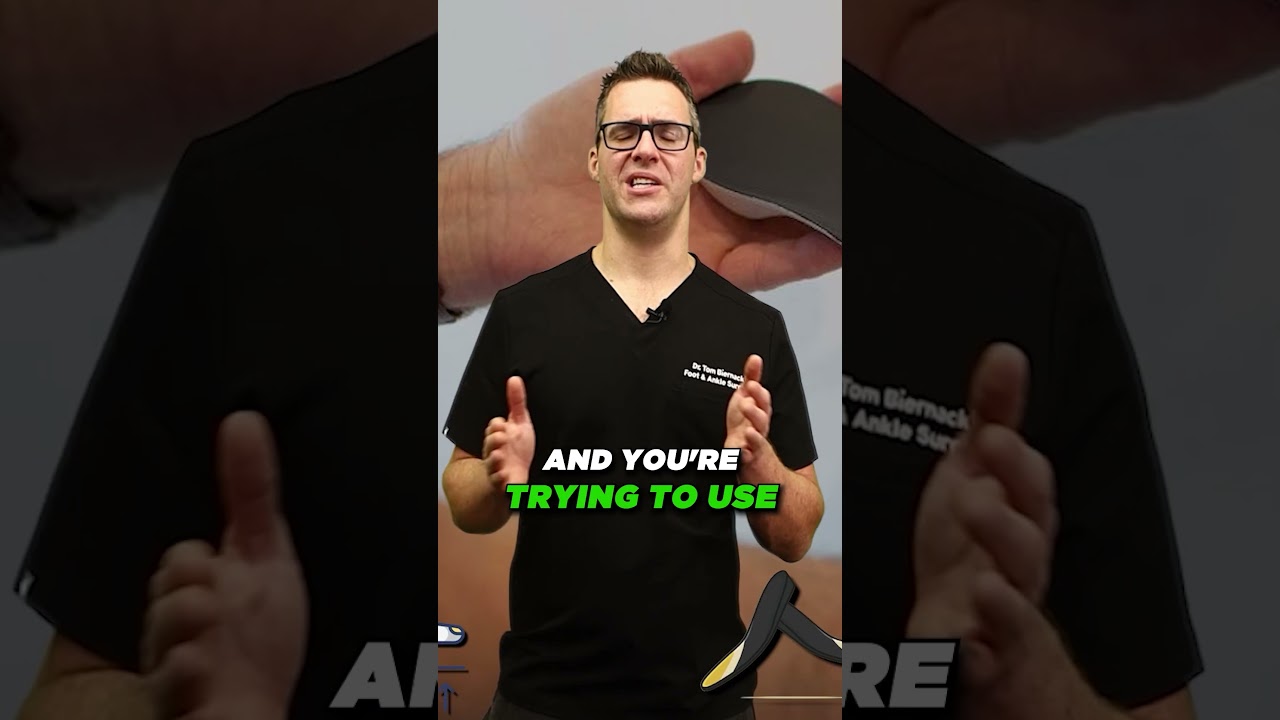
Standard semi-rigid orthotics like the PowerStep Pinnacle are appropriate for mild to moderate neuropathy without active ulceration. They provide arch support and plantar pressure redistribution without aggressive corrective forces. For patients with moderate to severe neuropathy, diabetic custom insoles made of multi-density PPT or Plastazote materials are indicated — these redistribute pressure from high-risk areas (metatarsal heads, heel) across the entire plantar surface.
Shoe Types by Neuropathy Severity
Not all neuropathy is equal. Mild sensory loss from early diabetic neuropathy has very different footwear requirements than severe loss-of-protective-sensation (LOPS) neuropathy with history of ulceration. Match the shoe to the clinical severity.
| Neuropathy Severity | Shoe Type | Insole Type | Special Requirements |
|---|---|---|---|
| Mild (early numbness) | Wide-toe, cushioned athletic shoe | PowerStep Pinnacle OTC | Seamless interior, removable insole |
| Moderate (reduced LOPS) | Extra-depth shoe (Orthofeet, New Balance MW928) | Diabetic OTC insole | Velcro closure, no interior seams |
| Severe (full LOPS) | Medicare therapeutic extra-depth shoe | Custom multi-density accommodative | Physician prescription, 3-6 month follow-up |
| History of ulceration | Total-contact cast or CAM boot (acute) → therapeutic shoe | Custom off-loading insole | Podiatric supervision mandatory |
Most Common Neuropathy Shoe Mistake
The most common — and most dangerous — mistake I see neuropathy patients make is buying shoes by feel rather than by fit. Because the foot is numb, a shoe that feels “comfortable” may actually be compressing deformed toes, rubbing an interior seam against a bony prominence, or creating a pressure hotspot under a metatarsal head. The correct way to select neuropathy shoes: have the foot measured for both length AND width by a trained fitter, inspect the shoe interior with your hand for seams and ridges before purchasing, and do a daily visual foot check for any red marks, blisters, or skin changes after wearing.
Red Flags: When to See a Podiatrist Immediately
Related Conditions
In-Office Treatment at Balance Foot & Ankle
If home treatment isn’t providing relief for your nerve pain, our podiatry team at Balance Foot & Ankle can help with same-day evaluations and advanced in-office care.
Frequently Asked Questions
What type of shoes should neuropathy patients wear?
Neuropathy patients need extra-depth shoes with wide or extra-wide toe boxes, seamless or minimal-seam interiors, removable insoles, soft flexible uppers, and Velcro closures. Patients with diabetic neuropathy and qualifying conditions may receive Medicare-covered therapeutic footwear. The key priority is eliminating pressure points the patient cannot feel.
Are orthotics good for neuropathy?
Yes — orthotics redistribute plantar pressure away from high-risk areas. For mild neuropathy, the PowerStep Pinnacle provides arch support and metatarsal offloading. For moderate-severe neuropathy or diabetes, custom multi-density accommodative insoles made of PPT or Plastazote materials provide superior pressure distribution across the entire plantar surface.
Does Medicare cover shoes for neuropathy?
Medicare covers therapeutic footwear for diabetic patients with peripheral neuropathy who meet qualifying conditions. The benefit includes one pair of extra-depth shoes plus three pairs of custom insoles per calendar year, covered at 80% after deductible. A physician must certify medical necessity and include it in the care plan. We provide Medicare-certified therapeutic footwear at both our Howell and Bloomfield Hills locations.
What is the best shoe for diabetic neuropathy?
The best shoes for diabetic neuropathy are APMA-accepted extra-depth diabetic shoes with seamless interiors, wide toe boxes, and removable insoles for diabetic footbed placement. Brands like Orthofeet, New Balance (therapeutic line), and Drew Shoes consistently meet these standards. Pair with custom accommodative insoles for maximum plantar pressure redistribution.
When should I see a podiatrist for neuropathy foot care?
See a podiatrist at least annually for diabetic neuropathy foot screening — more frequently if you have moderate-severe LOPS, history of ulceration, or active foot deformity. Any wound, sore, blister, or skin change warrants immediate evaluation. We offer same-day appointments for neuropathy-related foot emergencies in Howell and Bloomfield Hills.
Neuropathy Foot Care at Balance Foot & Ankle
Dr. Tom Biernacki provides comprehensive diabetic foot care and neuropathy management at both our Howell and Bloomfield Hills locations, including annual neuropathy screenings, therapeutic footwear prescription and fitting, custom accommodative orthotic fabrication, callus and wound care, and coordination with endocrinology and vascular surgery when needed. If you have diabetes or neuropathy, consistent podiatric monitoring is one of the most effective interventions for preventing serious foot complications.
Sources
- Bus SA, Lavery LA, Monteiro-Soares M, et al. “Guidelines on the prevention of foot ulcers in persons with diabetes.” Diabetes/Metabolism Research and Reviews. 2020;36(Suppl 1):e3269.
- Cavanagh PR, Lipsky BA, Bradbury AW, Botek G. “Treatment for diabetic foot ulcers.” The Lancet. 2005;366(9498):1725-1735.
- Raspovic A, Landorf KB. “A survey of offloading practices for diabetes-related plantar neuropathic foot ulcers.” Journal of Foot and Ankle Research. 2014;7(1):35.
- American Diabetes Association. “Microvascular Complications and Foot Care.” Diabetes Care. 2021;44(Supplement_1):S151-S167.
Frequently Asked Questions
When should I see a podiatrist?
See a podiatrist if: foot or ankle pain has lasted more than 2–4 weeks without improvement, you’re changing your gait to avoid pain, you have an open wound or sore that isn’t healing, you notice nail discoloration or thickening, you have diabetes and any foot concern, or pain is severe enough to wake you at night. Most foot conditions are easier and cheaper to treat early — what starts as a minor issue can become a surgical problem with months of delay.
What is the difference between a podiatrist and an orthopedic surgeon?
Podiatrists (DPM — Doctor of Podiatric Medicine) specialize exclusively in the foot, ankle, and lower leg. Orthopedic surgeons (MD/DO) have broader musculoskeletal training but variable foot/ankle subspecialization. For foot and ankle-specific problems, a podiatrist often has more focused training and experience. For injuries involving the leg above the ankle, complex pediatric cases, or multi-level reconstruction, orthopedic consultation may be appropriate. We frequently co-manage patients with orthopedic colleagues.
How do I know if my foot pain is serious?
Signs that warrant same-day or next-day evaluation: severe pain that appeared suddenly without clear cause, swelling, redness, and warmth that appeared suddenly (possible gout, infection, or Charcot fracture), an open wound that looks infected (redness spreading, pus, warmth), inability to bear weight, or any foot problem in a diabetic patient. Pain that’s been present for weeks and is stable is important but not an emergency — schedule within 1–2 weeks.
Can foot problems cause back and knee pain?
Yes — this is a kinetic chain effect. Abnormal foot mechanics (overpronation, supination, leg length discrepancy) cause compensatory changes in knee, hip, and lumbar alignment. Roughly 30% of patients presenting to our clinic with knee pain have a treatable foot-level biomechanical cause. Correcting foot mechanics with orthotics or appropriate footwear often provides significant knee and back relief. If you have chronic knee or back pain and haven’t had your foot mechanics evaluated, it’s worth a consult.
Are orthotics worth it?
For the right conditions, yes — custom orthotics are among the most cost-effective interventions in podiatry. They’re most effective for: plantar fasciitis, flat feet with secondary knee/back pain, leg length discrepancy, metatarsalgia, posterior tibial tendon dysfunction, and diabetic foot pressure management. Quality OTC orthotics ($35–60) resolve symptoms for 60% of patients with mild-to-moderate conditions. Custom orthotics are appropriate when OTC options have failed or when the biomechanical problem is complex. We cast custom orthotics in-office.
How do I choose the right running shoes?
Start with your foot type (flat, neutral, high arch) and running pattern (overpronator, neutral, supinator). Flat feet and overpronators do best in stability or motion-control shoes. Neutral feet do well in neutral-cushioned shoes. High arches need maximum cushioning with flexible soles. Always buy running shoes at the end of the day (foot swelling peaks then), get properly fitted by a specialist, and replace every 300–500 miles. If you’ve been injured repeatedly, a gait analysis can identify the mechanical flaw driving your injury pattern.
What is the difference between a sprain and a fracture?
A sprain is a ligament injury (the tissue connecting bones); a fracture is a break in the bone itself. Both can occur with the same trauma (ankle roll, fall). The old test — ‘if you can walk, it’s not broken’ — is wrong; many fractures are initially weight-bearable. Key differences: a fracture typically produces localized bone tenderness along the bone itself, while a sprain is tender over the ligament. X-ray is the standard to differentiate. High-grade sprains without proper treatment can be as disabling as fractures.
How do I prevent foot and ankle injuries?
The four most impactful prevention strategies: (1) Supportive, appropriately fitted footwear for your foot type and activity. (2) Gradual activity progression — the 10% rule (never increase weekly mileage or intensity by more than 10%). (3) Regular calf and ankle mobility work. (4) Strengthening the posterior tibial tendon, peroneals, and intrinsic foot muscles. Most overuse injuries are preventable; most acute injuries are not — but ankle sprain recurrence (60–70% without rehab) is prevented by balance and proprioception training.
American Podiatric Medical Association: Neuropathy
Ready to Get Relief?
Same-day appointments available in Howell & Bloomfield Hills, MI
4.9★ | 1,123 Reviews | 3,000+ Surgeries
Or call: (810) 206-1402

Dr. Tom Biernacki, DPM is a board-certified foot & ankle surgeon (ABFAS & ABPM) at Balance Foot & Ankle Specialists in Southeast Michigan. With over a decade of clinical experience, he specializes in heel pain, bunions, diabetic foot care, sports injuries, and minimally invasive surgery. Dr. Biernacki is a member of the APMA and ACFAS, and his patient education content on MichiganFootDoctors.com and YouTube has made him one of the most-followed foot & ankle educators on YouTube.