
Board-certified foot & ankle surgeon · Balance Foot & Ankle · (810) 206-1402
Last reviewed: June 2026
Quick answer
High (cavus) arches are rigid and absorb shock poorly, so the best shoes are maximum-cushion, flexible, and neutral — not stability or motion-control shoes, which are built for flat feet. Our top picks are the HOKA Bondi 9 (max cushion), the Brooks Ghost 16 (everyday neutral), and the New Balance Fresh Foam 1080 V14 (plush). Add a cushioned high-arch insole, and avoid flat, firm shoes that pound the heel and ball of the foot.
A high arch (pes cavus) is the opposite of a flat foot: the arch sits high and stays rigid, so your weight lands on just two small areas — the heel and the ball of the foot — instead of spreading across the whole sole. That rigid, poorly-cushioning structure is why people with high arches are prone to heel pain, metatarsalgia (ball-of-foot pain), lateral ankle sprains, and stress injuries. The right shoe makes up for what a high arch can’t do on its own: absorb shock and spread out pressure.
Why high arches need different shoes than flat feet
Flat feet roll inward and need stability or motion-control shoes to limit that motion. High arches do the reverse — they’re rigid and tend to roll outward (supinate), and they don’t flex enough to absorb impact. Putting a high-arched foot in a stiff stability shoe makes things worse. What a cavus foot needs is cushioning, flexibility, and a neutral platform that adapts to the foot rather than fighting it.
What to look for
- Maximum, soft cushioning — to do the shock absorption your arch can’t.
- A neutral (not stability) shoe — no medial posts or motion-control features.
- A flexible midsole — a rigid sole transmits more shock to a rigid foot.
- Good heel and forefoot cushioning — those are the two high-pressure zones in a cavus foot.
- A removable insole — so you can add a cushioned high-arch orthotic if needed.
Best shoes for high arches — podiatrist picks
How we chose: High arches are rigid and absorb shock poorly, so every pick is a cushioned, neutral shoe — the Bondi 9 for maximum cushioning, the Brooks Ghost 16 as an everyday neutral, and the New Balance 1080 V14 for plush all-day comfort. We avoid stability and motion-control models, which are built for flat feet.

- ENGINEERED MESH
- Lining Textile

- THIS MEN’S SHOE IS FOR: Runners looking for a smooth ride that won’t distract from the fun of the run. The Ghost 16 offers a refined 3D Fit Print to create a more seamless, secure fit. This Brooks Ghost 16 is a certified PDAC A5500 Diabetic shoe and has been granted the APMA Seal of Acceptance. The Ghost 16 is a certified carbon neutral product. Predecessor: Ghost 15.
- SOFT CUSHIONING: The Ghost 16 offers neutral support while providing soft, nitrogen-infused DNA Loft v3 cushioning to deliver lightweight comfort. Ideal for road running, walking, cross training, the gym or wherever you might want to take them!
- SMOOTH TRANSITIONS: The soft midsole and Segmented Crash Pad promotes an easy flow from landing to toe-off to provide distraction- free cushioning under your feet with every stride.
- BREATHABLE UPPER: Engineered air mesh upper blends stretch and structure with just-right breathability to keep you comfortable.
- ROADTACK RUBBER OUTSOLE: New, do-it-all rubber compound includes recycled silica and is designed to be durable, lightweight, and rebound.
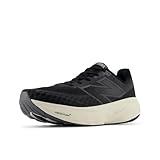
- Fresh Foam X midsole foam with approximately 3% bio-based content delivers our most cushioned Fresh Foam experience for incredible comfort. Bio-based content is made from renewable resources to help reduce our carbon footprint, enhancing these road running shoes.
- These running shoes for women feature a gusseted tongue designed to help keep debris out
- No-sew overlays
- Synthetic and engineered mesh upper
- Adjustable lace closure for a customized fit
As an Amazon Associate we may earn from qualifying purchases — it never affects our clinical picks.
Add a high-arch insole
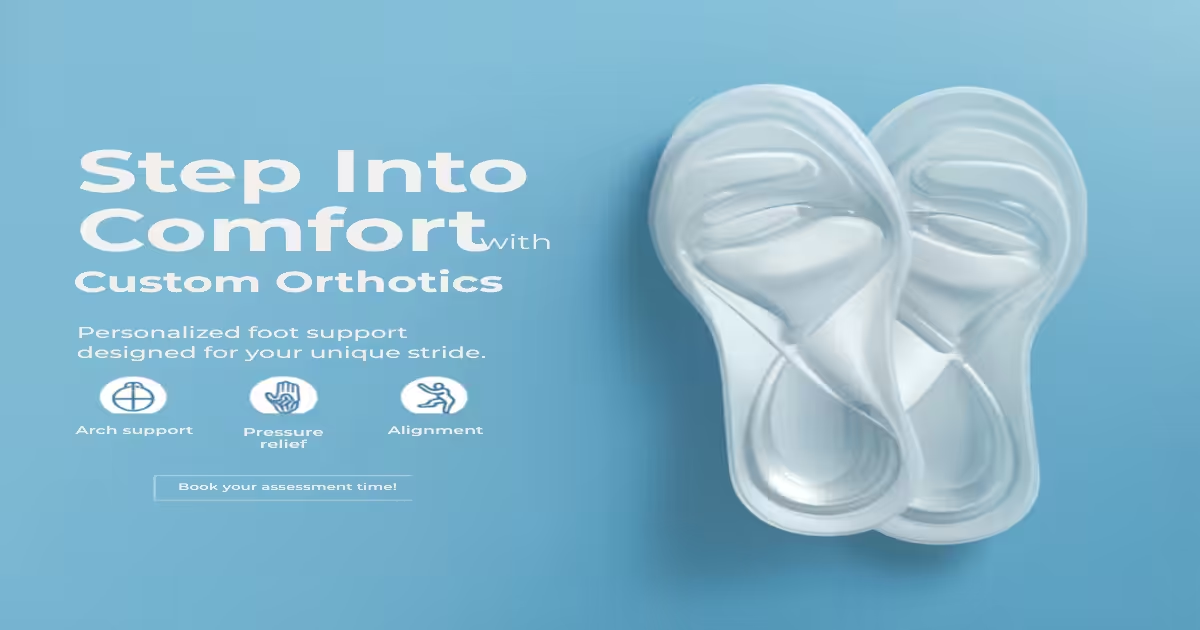
Because high arches leave a gap under the midfoot, a cushioned, high-arch-contoured insole fills that space and shares the load that would otherwise hammer the heel and ball of the foot. Over-the-counter high-arch insoles help many people; if you have recurring pain, stress injuries, or significant cavus deformity, a custom orthotic built to your arch height is worth it. We cast custom orthotics in-office.
What to avoid
- Stability and motion-control shoes (those are for flat feet).
- Flat, thin, or minimalist shoes — no shock absorption.
- Stiff, inflexible soles that don’t move with the foot.
- Worn-out shoes with flattened cushioning.
When to see a podiatrist
- Recurring ankle sprains or a feeling of instability
- Heel or ball-of-foot pain that doesn’t settle with better shoes
- A high arch that’s getting worse, or that runs in your family with foot problems (possible underlying neurologic cause)
- Calluses or stress pain under the ball of the foot
FAQ
Are high arches a problem? They can be. A rigid high arch absorbs shock poorly and concentrates pressure on the heel and forefoot, which raises the risk of heel pain, metatarsalgia, ankle sprains, and stress injuries. Good cushioning and sometimes an orthotic manage it well.
What kind of shoes are best for high arches? Cushioned, flexible, neutral shoes — like the Hoka Bondi, Brooks Ghost, or New Balance 1080. Avoid stability/motion-control models, which are designed for flat feet.
Do I need orthotics for high arches? Many people do well with a cushioned high-arch insole. A custom orthotic helps if you have recurring pain, instability, or a pronounced cavus foot.
Can high arches cause other problems? Yes — because the foot is rigid and supinates, high arches are linked to lateral ankle sprains, peroneal tendon strain, and forefoot overload. A sudden or worsening high arch should be checked, as it can occasionally signal a nerve condition.
High arches causing pain?
Dr. Tom Biernacki and the team at Balance Foot & Ankle offer same-week evaluations, gait analysis, and custom high-arch orthotics.
Call (810) 206-1402 · Howell: 4330 E Grand River Ave · Bloomfield Hills: 43494 Woodward Ave #208
Related: Plantar fasciitis treatment · Best shoes for metatarsalgia · Podiatrist-recommended orthotics

Dr. Tom Biernacki, DPM is a board-certified foot & ankle surgeon (ABFAS & ABPM) at Balance Foot & Ankle Specialists in Southeast Michigan. With over a decade of clinical experience, he specializes in heel pain, bunions, diabetic foot care, sports injuries, and minimally invasive surgery. Dr. Biernacki is a member of the APMA and ACFAS, and his patient education content on MichiganFootDoctors.com and YouTube has made him one of the most-followed foot & ankle educators on YouTube.