

Most bunion surgery patients walk the same day in a surgical shoe, transition to wide athletic shoes at 6–8 weeks (Austin/chevron and minimally invasive procedures) or 8–12 weeks (Lapidus fusion), and return to athletic activity at 3–6 months. Residual swelling for 6–12 months is normal. Questions about your recovery? Call (810) 206-1402.
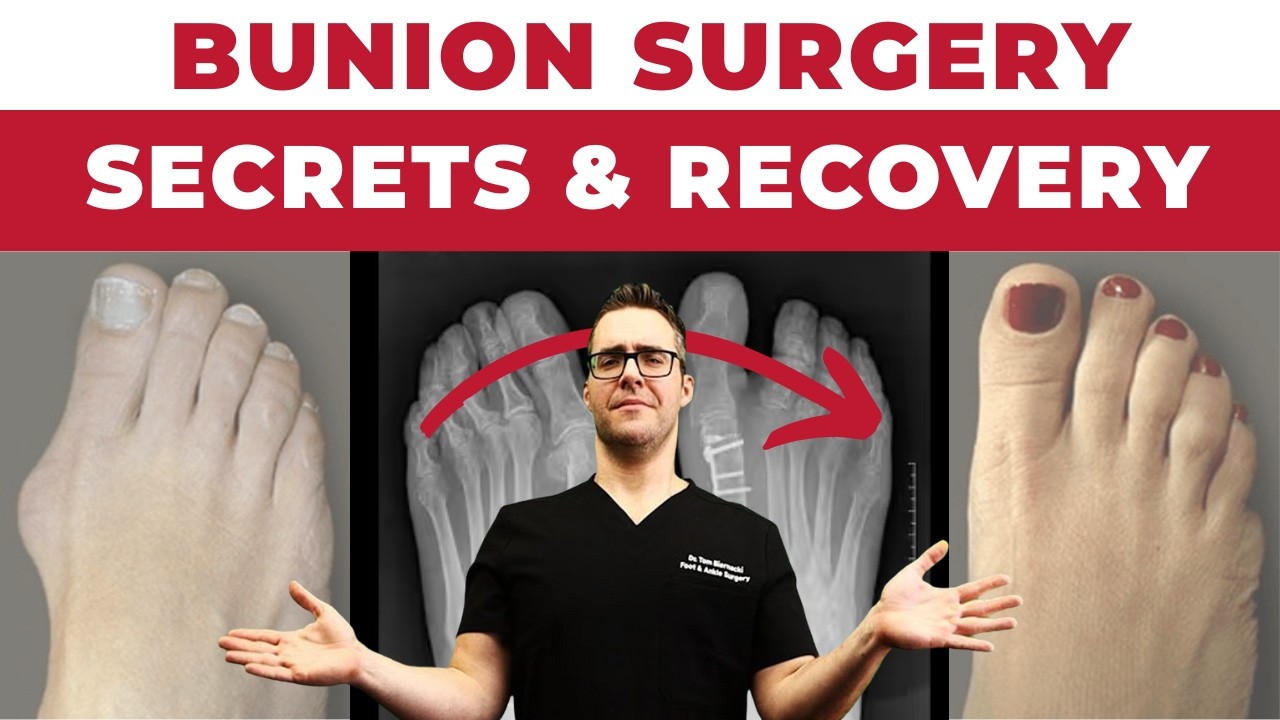
Watch Dr. Tom Biernacki DPM share how to recover from bunion surgery faster — MichiganFootDoctors YouTube
Table of Contents
- Recovery Timeline Week-by-Week
- Weight-Bearing After Bunion Surgery
- Managing Swelling
- Podiatrist-Recommended Recovery Products
- Frequently Asked Questions
You’ve had your bunion surgery — or you’re planning it and want to know exactly what lies ahead. Either way, the recovery phase is where outcomes are made or broken, and most patients are surprised at how much of the result is in their hands post-operatively. Here’s a week-by-week breakdown of what to expect, drawn directly from how we manage recovery at Balance Foot & Ankle.
Bunion Surgery Recovery Timeline
Days 1–3 (Acute phase): Elevation is your most important job. Keep the foot above heart level as much as possible. Ice the foot 20 minutes on/off through the surgical dressing. Take prescribed pain medication as directed. Limited weight-bearing in the provided surgical shoe.
Week 1–2: First postoperative visit — dressing change, wound inspection, X-ray confirmation of bone correction. Continue elevation when seated. Shower with waterproof bag over the surgical dressing. Most patients manage well on prescription pain medications during this phase, transitioning to OTC ibuprofen by week 2.
Week 3–6: Swelling continues but begins to plateau. Most patients transition from surgical shoe to a stiff-soled boot. Range-of-motion exercises for the big toe may begin at our direction. Driving restriction typically 4–6 weeks for right foot procedures.
Week 6–10: X-rays confirm bone healing is progressing. Transition to regular shoes begins — wide-toe box, low-heel athletic shoes first. Custom orthotics are fitted to protect the correction long-term. Return to desk work typically at 4–6 weeks; physical work at 8–12 weeks.
Month 3–6: Swelling continues to resolve (this is the most patience-testing phase — foot appearance continues improving for a full year). Most patients return to most activities including gym work and low-impact exercise. High-impact sports at 4–6 months minimum.
Key takeaway: Swelling after bunion surgery is normal for 6–12 months — foot appearance continues improving long after you’re back to normal activities. Judge outcomes at 1 year, not 3 months.
Weight-Bearing After Bunion Surgery
Weight-bearing protocol depends on the type of bunion correction performed. For most Lapidus bunionectomies (tarsometatarsal fusion) and osteotomies with screw fixation (Austin/chevron, Akin), we allow immediate protected weight-bearing in a stiff surgical shoe or boot. Complete non-weight-bearing is rarely required for isolated bunion correction. The key: “weight-bearing” means heel-only weight in the surgical shoe — not toe push-off or normal gait mechanics, which stress the repair. For a full breakdown of how each procedure differs, see our complete bunion surgery guide.
Managing Swelling After Bunion Surgery
Swelling is the most persistent aspect of bunion recovery and the most common source of patient frustration. Strategies we recommend: elevate the foot above heart level for 30 minutes, 3–4 times daily, for the first 6 weeks; compression stocking (light, 15–20 mmHg) from week 3 onward when ambulatory; contrast baths (warm then cold soaks) starting at week 4; avoid prolonged standing and minimize airplane travel for the first 3 months; and expect that shoes will continue to fit slightly differently for 6–12 months post-operatively due to residual edema.
⚠️ When to see a podiatrist:
- Increasing redness, warmth, or drainage at the incision site
- Fever over 38.5°C (101.3°F)
- Sudden sharp pain at the surgical site after a fall or impact
- Numbness or tingling in the big toe that is new or worsening
- Foot appears to be shifting back toward its pre-operative position (early recurrence)
Podiatrist-Recommended Recovery Products
After performing over 3,000 foot surgeries, I know exactly which products make the biggest difference in bunion surgery recovery. These are what I recommend to my own patients in Howell and Bloomfield Hills.

DJO OrthoWedge Off-Loading Shoe
The post-op shoe most surgeons send patients home in — for good reason. The rigid rocker sole keeps weight off your toe while the open-toe design prevents contact with the incision site. I recommend this for the first 2–4 weeks of recovery when regular footwear is impossible.

Sigvaris Medical-Grade Compression Socks (15–20 mmHg)
Swelling control is the #1 factor in recovery speed. Medical-grade graduated compression — worn from the arch to the knee — pushes fluid out of the foot and dramatically reduces the swelling that causes pain. Start using these once your surgeon clears you from the post-op shoe (usually week 3–4).

Inflatable Leg Elevation Wedge Pillow
Elevation above heart level for the first week is non-negotiable — it’s the most effective way to control swelling and pain. A proper leg wedge keeps your foot at the right angle all night without your leg slipping off flat pillows at 3am. This is one of the most underrated recovery tools I recommend.

Hibiclens Antiseptic Skin Cleanser
Infection prevention is critical in the first 2 weeks post-surgery. Many surgeons prescribe Hibiclens for pre-op washes, but I also recommend it for carefully cleaning the surrounding skin (not the incision itself) as you transition out of the post-op dressing. It reduces bacterial load significantly compared to regular soap.
For the complete list including toe spacers and bunion sleeves, see our full bunion surgery recovery product guide. As an Amazon Associate, Balance Foot & Ankle earns from qualifying purchases.
Frequently Asked Questions
When can I wear normal shoes after bunion surgery? Wide-toe box athletic shoes at 6–8 weeks. Dress shoes at 3–4 months. High heels (with moderation) at 4–6 months minimum — and we counsel patients that returning to the shoes that caused the bunion risks recurrence over time.
When can I drive after bunion surgery? For right foot procedures, typically 4–6 weeks post-operatively — once you can safely perform emergency braking. Left foot procedures with automatic transmission may permit driving sooner (2–3 weeks). We provide specific guidance at your preoperative visit.
Is bunion surgery painful? The first 3–5 days are the most uncomfortable. Most patients describe post-surgical discomfort as 4–6 out of 10, well managed with prescribed medication. By week 2, most patients are comfortable on OTC pain relief. The “throbbing with gravity” feeling when the foot hangs down is normal and resolves as swelling decreases.
The Bottom Line
Bunion surgery recovery is predictable and manageable — the patients who do best are those who take the recovery as seriously as the surgery itself: elevating consistently, following weight-bearing restrictions, attending all follow-up appointments, and being patient with swelling. Our team at Balance Foot & Ankle walks you through every phase of recovery and is available for questions throughout the process.
Sources
- Easley ME, Trnka HJ. Current concepts in hallux valgus surgery and recovery. JAAOS 2023.
- Robinson AHN et al. Bunion surgery patient expectations and outcomes. Bone Joint J 2022.
Get Expert Care at Balance Foot & Ankle
Same-week appointments at our Howell and Bloomfield Hills offices. Board-certified podiatric surgeons. Most insurance accepted.

Dr. Tom Biernacki, DPM is a board-certified foot & ankle surgeon (ABFAS & ABPM) at Balance Foot & Ankle Specialists in Southeast Michigan. With over a decade of clinical experience, he specializes in heel pain, bunions, diabetic foot care, sports injuries, and minimally invasive surgery. Dr. Biernacki is a member of the APMA and ACFAS, and his patient education content on MichiganFootDoctors.com and YouTube has made him one of the most-followed foot & ankle educators on YouTube.