
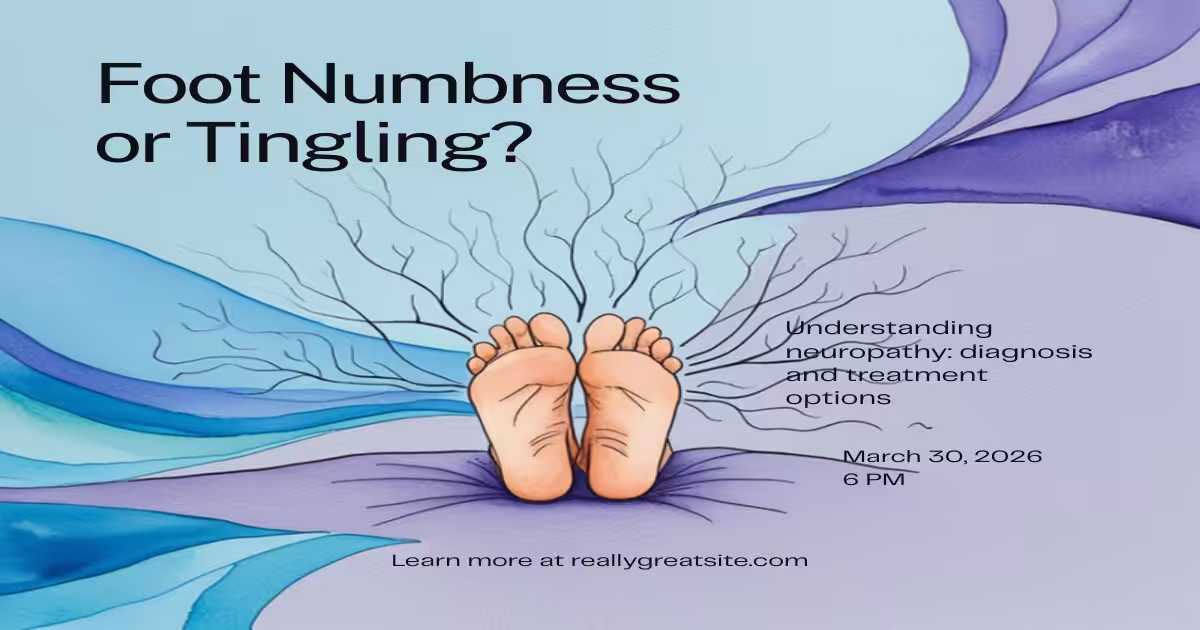
Quick answer: Peripheral neuropathy is nerve damage that causes burning, tingling, numbness, or shooting pain in the feet — most often from diabetes, but also from other causes. While established nerve damage usually can’t be fully reversed, the right plan can relieve symptoms and, critically, protect insensate feet from wounds and amputation. At Balance Foot & Ankle in Howell and Bloomfield Hills, we diagnose the type and cause, manage the pain, and build a protective foot-care plan. Call (810) 206-1402.
★ 4.9-star rated by Michigan patients on Google · Board-certified podiatrists · Same-week appointments
Peripheral Neuropathy Treatment in Howell & Bloomfield Hills, MI
Neuropathy is one of the most important foot conditions to take seriously — not just because of the discomfort, but because numb feet are vulnerable feet. A small cut or blister you can’t feel can become a serious wound. The goal of care is twofold: ease your symptoms and protect your feet from complications.
What is peripheral neuropathy?
Peripheral neuropathy is damage to the nerves that carry signals between your feet and your brain. It usually starts in the toes and feet (a “stocking” distribution) and can affect sensation, and sometimes balance and muscle control.
Common causes
- Diabetes — by far the most common cause; high blood sugar damages small nerves over time.
- Other causes — vitamin B12 deficiency, alcohol use, certain medications (including some chemotherapy and statins), thyroid disease, nerve compression, and idiopathic (no identified cause).
Identifying the underlying cause matters, because treating it can slow or halt further nerve damage.
Symptoms
- Burning, tingling, or “pins and needles”
- Numbness or reduced ability to feel pain/temperature
- Sharp, electric, or shooting pains
- Sensitivity to touch; feeling like you’re walking on cushions
- Balance problems or weakness in more advanced cases
Why neuropathy is dangerous for your feet
When you can’t feel your feet, you can’t feel the warning signs — a blister, a stone in your shoe, a small cut. These can progress to ulcers and infections before you notice. This is why people with neuropathy need regular professional foot care and daily self-inspection; prevention is far easier than treating a wound.
How we diagnose it
We assess sensation (10-gram monofilament and vibration testing), check circulation and reflexes, review your history and medications, and order bloodwork or further testing when a cause needs to be identified. This tells us the severity and guides both symptom relief and protection.
Treatment options
Treat the underlying cause
Optimizing blood sugar, correcting vitamin deficiencies, addressing medications or alcohol, and managing thyroid or vascular issues can slow progression — the single most important long-term step.
Symptom and pain management
Options include topical agents, nerve-targeted medications (such as gabapentin or duloxetine when appropriate), and advanced in-office therapies. We offer MLS laser therapy and other modalities that can reduce neuropathic pain for suitable patients, coordinated with your primary care or specialist.
Protective foot care
Regular podiatric exams, professional nail and callus care, diabetic/therapeutic shoes and custom inserts to offload pressure, and patient education on daily inspection. (See diabetic foot care and custom orthotics.)
Living with neuropathy: daily tips
- Inspect your feet every day (use a mirror or ask for help); call us about any sore, blister, or color change.
- Never go barefoot; check inside shoes before putting them on.
- Keep skin moisturized (avoid between the toes); test water temperature with your hand, not your feet.
- Don’t perform “bathroom surgery” on corns or nails — let us do it safely.
Why patients choose Balance Foot & Ankle
Dr. Tom Biernacki, Dr. Carl Jay, and Dr. Daria Gutkin are board-certified and rated 4.9 stars by Michigan patients on Google, with deep experience preventing diabetic foot complications. We treat the symptoms and protect your feet — the part that prevents emergencies.
Visit us — two Michigan offices
Balance Foot & Ankle — Howell
4330 E Grand River Ave, Howell, MI 48843
Livingston County · (810) 206-1402
Mon–Fri 9:00 AM–4:30 PM · Free on-site parking
Balance Foot & Ankle — Bloomfield
43494 Woodward Ave #208, Bloomfield Township, MI 48302
Oakland County · (810) 206-1402
Mon–Fri 9:00 AM–4:30 PM · Serving Bloomfield Hills, Birmingham, Troy & West Bloomfield
Request your neuropathy evaluation →
Frequently asked questions
Where can I get neuropathy treatment near me?
Balance Foot & Ankle treats peripheral neuropathy at two Michigan offices — Bloomfield Hills (serving Oakland County) and Howell (serving Livingston County) — with the same board-certified podiatrists. We test for the cause of numbness, burning, and tingling and build a plan to protect against ulcers and complications. Call (810) 206-1402 to book at the location nearest you.
Can neuropathy in the feet be reversed?
Established nerve damage usually can’t be fully reversed, but progression can often be slowed or halted by treating the underlying cause (especially blood-sugar control), and symptoms can be meaningfully reduced. Some patients see real improvement in comfort with a proper plan.
What does neuropathy in the feet feel like?
Commonly burning, tingling, “pins and needles,” numbness, or sharp shooting pains — often starting in the toes. Some people feel like they’re walking on cushions or have trouble sensing the ground.
How often should someone with neuropathy see a podiatrist?
At least every 6 months for neuropathy without other risk factors, and every 1–3 months if you also have circulation problems, foot deformity, or a history of ulcers. Regular care is how we catch problems before they become wounds.
Does Medicare cover neuropathy foot care?
Medicare covers diabetic foot exams and therapeutic shoes/inserts for qualifying patients, and evaluation of neuropathy. We verify your benefits and explain coverage before your visit.
Do I need a referral?
No — podiatrists are direct-access providers in Michigan, so you can book directly even if your plan usually requires a referral.
Related: understand why you might have cold feet and poor circulation and when it signals a nerve or vascular problem.
Burning, tingling, or stabbing in the feet? See our guide to neuropathy foot pain — causes and what actually helps.
Living with burning, tingling, or numb feet? Our podiatrists build real neuropathy management plans, not quick fixes. Visit Balance Foot & Ankle in Bloomfield Hills or Howell — same-week appointments. Call (810) 206-1402.
Looking for neuropathy treatment near you? Balance Foot & Ankle treats peripheral neuropathy and nerve pain — nerve testing, medication management, and regenerative options — at our Bloomfield Hills office (Oakland County) and Howell office (Livingston County). We focus on protecting sensation and preventing diabetic foot complications. Book online or call (810) 206-1402.
Prefer we call you?
Leave your info and our team calls back within 2 hours, the same business day — to get you scheduled with a board-certified podiatrist at our Howell or Bloomfield Township office. Same-week appointments; most insurance accepted, and we verify your benefits up front.
Nerve, neuropathy & circulation guides
Nerve & neuropathy
- Foot Numbness and Tingling
- Numbness in Toes, Feet and Legs
- Pinched Nerve in the Foot
- Spinal Stenosis and Foot Numbness
- Neuropathy from Lyme Disease
- Neuropathy from Amiodarone
- Neuropathy from Fluoroquinolones
- Magnesium, Neuropathy and Chronic Pain