

Quick answer: Treatment for crossover toe treatment follows a stepwise approach: 1) conservative care first (rest, ice, supportive footwear, OTC anti-inflammatories), 2) physical therapy and targeted exercises, 3) in-office treatments (injections, custom orthotics) if conservative fails at 4-6 weeks, 4) surgery for refractory cases. Most patients resolve at step 1 or 2. Call (810) 206-1402.

What Is Crossover Toe?
Medically reviewed by Dr. Tom Biernacki, DPM
Board-certified podiatric surgeon | Balance Foot & Ankle, Howell & Bloomfield Township, MI
Last reviewed: May 2026
Crossover toe is a progressive deformity in which the second toe drifts over the top of the big toe, caused by instability of the plantar plate — the thick fibrocartilaginous ligament at the base of the second metatarsophalangeal (MTP) joint. As the plantar plate stretches or tears, the toe loses its ability to remain in proper alignment, and the long flexor and extensor tendons progressively pull it into a dorsal and medial position above the hallux.
This condition is closely related to plantar plate tears and is almost always preceded by a period of second MTP joint inflammation and pain (“pre-dislocation syndrome”). The deformity progresses through three stages: Stage 1 (inflammation, no deformity), Stage 2 (medial drift of the toe), and Stage 3 (complete dislocation with the toe resting on top of the big toe).
Causes and Risk Factors
The most important risk factor is a long second metatarsal (Morton’s foot pattern), which concentrates disproportionate load at the second MTP joint. Hallux valgus (bunion) pushes the big toe into the space of the second toe, mechanically forcing it into a crossover position. Tight calf muscles that increase forefoot loading, inflammatory arthritis (rheumatoid arthritis), and wearing narrow pointed shoes all accelerate plantar plate attrition.
Crossover toe affects women significantly more than men (approximately 4:1), largely due to the tendency toward narrower footwear and higher heel usage — both of which transfer enormous loads to the second MTP joint.
Treatment Options
Early/Conservative (Stage 1–2): The goal is to unload the second MTP joint and stabilize the plantar plate. Metatarsal pads placed proximal to the second metatarsal head offload the joint. Taping the second toe in a plantarflexed position (buddy taping down and slightly lateral) can slow progression dramatically. Wider shoes, a lower heel, and orthotics with metatarsal accommodation are essential.
Surgical (Stage 2–3): Surgery addresses both the deformity and the underlying cause. Plantar plate repair is performed through a dorsal approach with reduction of the second MTP joint. If a concurrent hallux valgus is present, bunion correction is performed simultaneously — failing to address the bunion leads to recurrence. Second metatarsal shortening osteotomy (Weil osteotomy) reduces the stress across the MTP joint. Recovery involves a flat surgical shoe for 6 weeks with limited weight-bearing.
Dr. Tom's Product Recommendations

PowerStep Pinnacle Insoles
⭐ Highly Rated | Foundation Wellness Partner |
Metatarsal accommodation and forefoot offloading are the foundation of crossover toe conservative management. PowerStep Pinnacle insoles with an added metatarsal pad placed just proximal to the second metatarsal head redistribute load away from the second MTP joint.
Dr. Tom says: “The OTC insole I start all early crossover toe patients on. I add a 3/8-inch felt metatarsal pad proximal to the second metatarsal head. This combination reliably slows progression in Stage 1 and Stage 2 crossover toe when patients also switch to wider footwear.”
Stage 1–2 crossover toe, second MTP offloading, daily wear
Stage 3 complete dislocation (surgical correction needed); narrow dress shoes
Disclosure: We earn a commission if you purchase through our links at no extra cost to you.
Foot Petals Tip Toes
⭐ Highly Rated | Foundation Wellness Partner |
For women with crossover toe in dress shoes where a full insole won’t fit, Foot Petals Tip Toes provide targeted ball-of-foot cushioning that reduces second MTP joint impact. Discreet enough for pumps and flats.
Dr. Tom says: “The product I recommend for my female patients who refuse to give up their dress shoes. Foot Petals Tip Toes slip into any shoe and provide meaningful forefoot cushioning at the second MTP. Not a cure, but a valuable pain management tool for special occasions.”
Dress shoes, flats, pumps where full insoles won’t fit; women’s footwear
Athletic shoes (use full insole instead); not adequate for advanced deformity
Disclosure: We earn a commission if you purchase through our links at no extra cost to you.
✅ Pros / Benefits
- Early Stage 1–2 responds well to conservative care
- Surgical correction is highly effective with good long-term results
- Taping and offloading can halt progression for years
- Treating concurrent bunion prevents surgical recurrence
❌ Cons / Risks
- Progressive — without treatment, Stage 3 dislocation is inevitable
- Conservative care does not reverse existing deformity
- Surgery requires 6–8 weeks of limited weight-bearing
- Recurrence if bunion correction is not performed simultaneously
Dr. Tom Biernacki’s Recommendation
Crossover toe is a slow-motion disaster. Patients come in at Stage 2 having ignored it for years, and I see an opportunity slipping away. At Stage 1 or early Stage 2, aggressive conservative management — metatarsal pads, wider shoes, toe taping, and PowerStep insoles — genuinely slows the clock. By Stage 3 when the toe rides on top of the big toe, surgery is the only option. Act early.
— Dr. Tom Biernacki, DPM | Board-Certified Podiatric Surgeon | Balance Foot & Ankle, Michigan
Frequently Asked Questions
What causes the second toe to cross over the big toe?
Plantar plate insufficiency allows the second MTP joint to dislocate medially and dorsally. Underlying causes include a long second metatarsal, hallux valgus deformity, tight shoes, and inflammatory arthritis.
Can crossover toe be fixed without surgery?
Stage 1 and early Stage 2 can be managed conservatively with taping, orthotics, metatarsal pads, and wider shoes. Complete deformity (Stage 3) requires surgical correction.
Is crossover toe the same as a hammertoe?
Related but different. Hammertoe is a sagittal plane (up/down) deformity of the toe. Crossover toe is primarily a transverse/frontal plane deformity where the toe shifts medially across the big toe, though hammertoe deformity often coexists.
How is crossover toe surgery performed?
Plantar plate repair through a dorsal incision at the MTP joint, with reduction and temporary Kirschner wire fixation. Often combined with Weil osteotomy (shortening the metatarsal) and bunion correction if indicated.
How long is recovery from crossover toe surgery?
Flat surgical shoe for 6 weeks with protected weight-bearing. Return to regular footwear at 6–8 weeks. Full recovery including resolution of swelling takes 4–6 months.
When Shoes Aren’t Enough — Dr. Tom’s Top 9 Orthotics
About 30% of patients I see for foot pain need MORE than a great shoe — they need a structured insole. Below: my complete 2026 orthotic ranking with pros, cons, and the specific patient I’d give each one to.


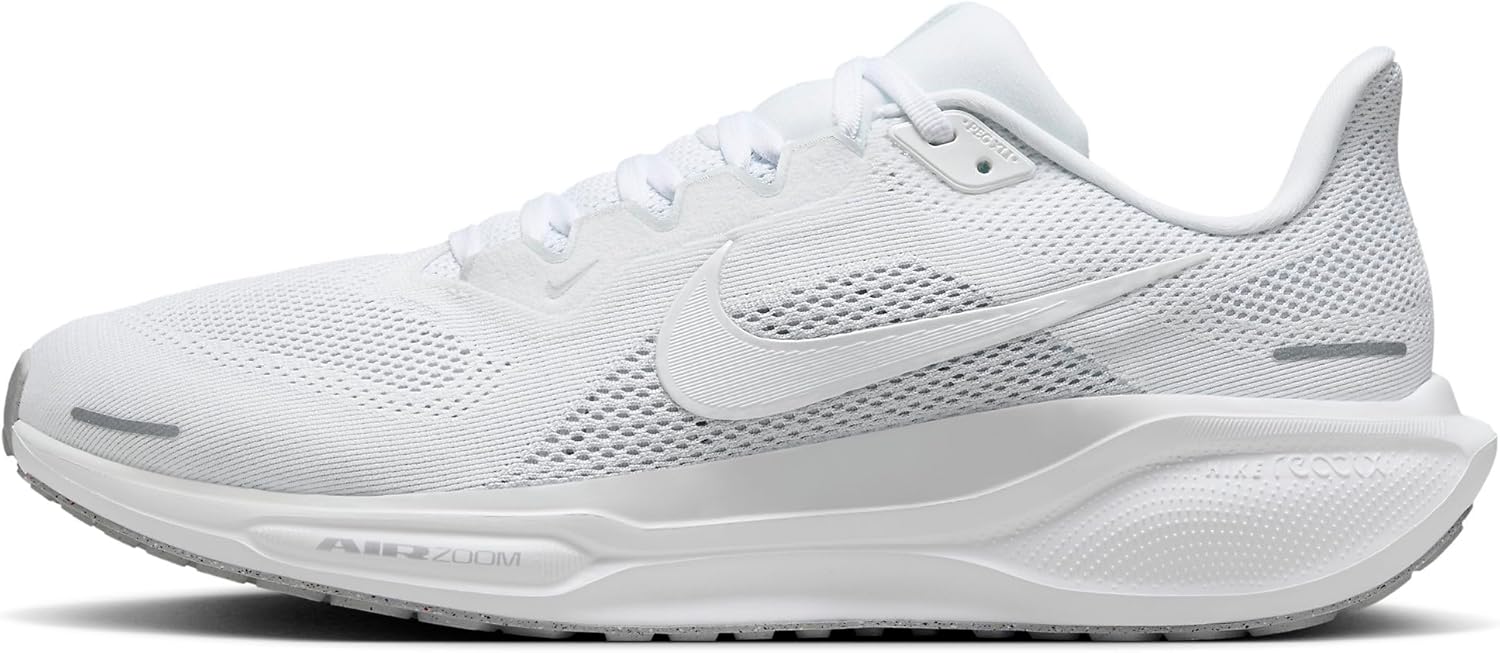


In-Office Treatment at Balance Foot & Ankle
If home treatment isn’t providing relief for your crossover toe treatment, our podiatry team at Balance Foot & Ankle can help with same-week evaluations and advanced in-office care.
Ready to Get Relief?
Same-week appointments available in Howell & Bloomfield Township, MI
4.9★ | 1,123 Reviews | 3,000+ Surgeries
Or call: (810) 206-1402

Dr. Tom Biernacki, DPM is a board-certified foot & ankle surgeon (ABFAS & ABPM) at Balance Foot & Ankle Specialists in Southeast Michigan. With over a decade of clinical experience, he specializes in heel pain, bunions, diabetic foot care, sports injuries, and minimally invasive surgery. Dr. Biernacki is a member of the APMA and ACFAS, and his patient education content on MichiganFootDoctors.com and YouTube has made him one of the most-followed foot & ankle educators on YouTube.