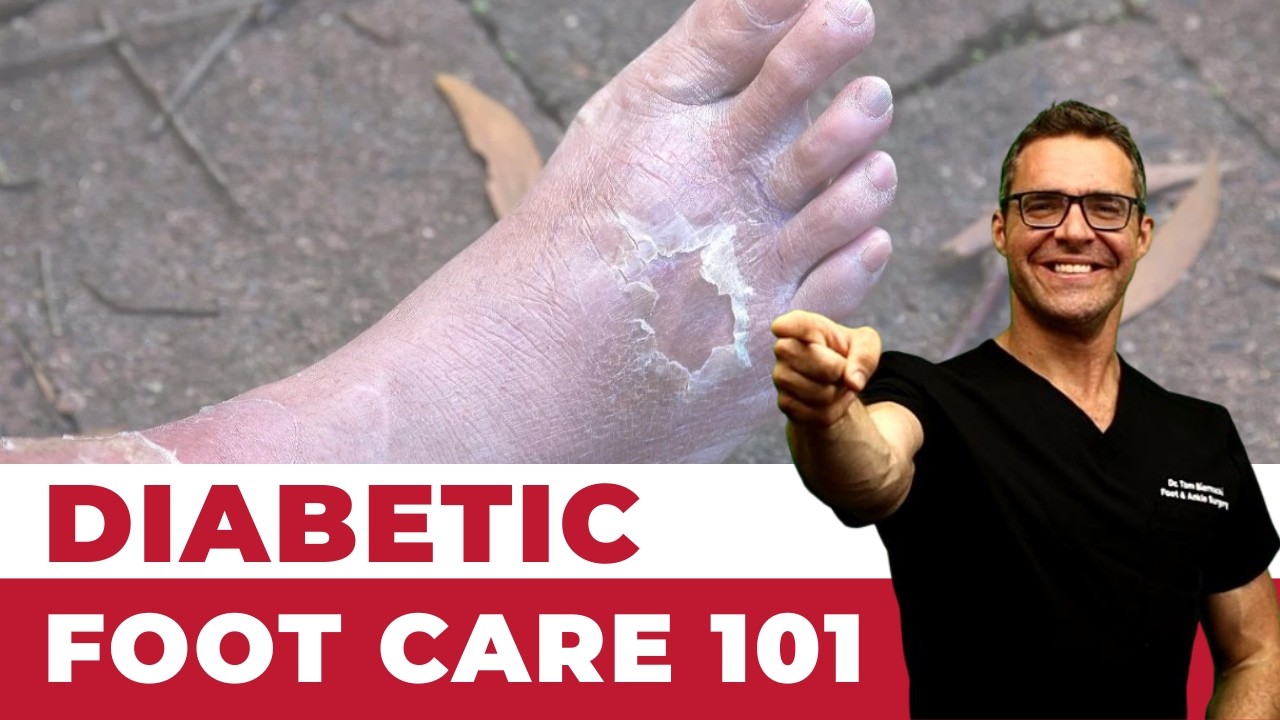
Medically reviewed by Dr. Tom Biernacki, DPM — Board-Certified Podiatric Surgeon — Balance Foot & Ankle, Howell & Bloomfield Hills, MI. Last updated April 2026.
Medically Reviewed by Dr. Tom Biernacki, DPM — Board-Certified Podiatrist, Balance Foot & Ankle Specialists, Michigan. Last updated April 2026.
Why Pregnancy Affects Your Feet
Pregnancy causes significant changes throughout the body, and the feet are no exception. Hormonal changes, weight gain, postural shifts, and fluid retention combine to create a range of foot and ankle problems that can significantly affect comfort and mobility during all three trimesters. The good news is that most pregnancy-related foot conditions are manageable with appropriate care, and many resolve after delivery.
At Balance Foot & Ankle in Howell and Bloomfield Township, Michigan, we regularly evaluate pregnant patients dealing with foot pain, swelling, and structural changes. Understanding what is normal and what warrants attention helps expectant mothers stay comfortable and active throughout their pregnancies.
Foot Swelling (Edema) During Pregnancy
Foot and ankle swelling is extremely common in pregnancy, particularly during the second and third trimesters. Fluid retention, increased blood volume, and pressure from the growing uterus on pelvic veins slowing venous return all contribute. Normal pregnancy edema typically worsens throughout the day and with standing, and improves with leg elevation and rest.
Strategies to manage pregnancy-related foot swelling include: elevating legs above heart level during rest; wearing graduated compression stockings (15–20 mmHg is usually sufficient); avoiding prolonged standing; staying active with low-impact exercise like walking or swimming; and staying well hydrated. Contact your obstetrician immediately if swelling is sudden, severe, or accompanied by headache or vision changes, as this may indicate preeclampsia.
Arch Changes and Flatfoot During Pregnancy
The hormone relaxin, produced in increasing quantities during pregnancy, loosens ligaments throughout the body to prepare the pelvis for delivery. Unfortunately, it also relaxes the ligaments of the feet, allowing the arch to flatten and the foot to lengthen. Many women find their shoe size permanently increases by a half to full size during pregnancy. This ligamentous laxity combined with weight gain creates or worsens flat feet, which can cause arch pain, heel pain, and fatigue with standing and walking.
Supportive footwear with arch support and cushioning is essential during pregnancy. Flip-flops, flat sandals, and unsupportive shoes worsen symptoms. Custom or over-the-counter orthotics providing arch support can be very helpful, particularly for women who spend significant time on their feet.
Plantar Fasciitis During Pregnancy
Plantar fasciitis — inflammation of the plantar fascia ligament along the bottom of the foot — is one of the most common foot complaints in pregnancy. The combination of weight gain, arch flattening from ligamentous laxity, and increased time on foot creates the perfect conditions for plantar fascia overload. Classic symptoms include sharp heel pain with first steps in the morning and after periods of rest.
Safe and effective treatments during pregnancy include: supportive footwear worn from the first step out of bed; stretching the plantar fascia and calf muscles gently several times daily; over-the-counter gel heel cups for additional cushioning; and ice massage to the heel for 15 minutes after activity. More invasive treatments like corticosteroid injections are generally deferred until after delivery and breastfeeding when possible, though they can be considered in severe cases under obstetric guidance.
Overpronation and Its Consequences
The arch flattening of pregnancy often causes increased inward rolling of the foot (overpronation) during walking. This altered biomechanics can cause not only arch and heel pain but also medial ankle strain, shin pain, knee pain, and hip discomfort as the effects cascade up the kinetic chain. Arch-supportive footwear and orthotics address overpronation at the source, reducing downstream musculoskeletal complaints throughout pregnancy.
Ingrown Toenails and Nail Care
As the abdomen grows during pregnancy, reaching the feet for nail care becomes increasingly difficult. Nails that are not trimmed properly can become ingrown, causing pain and potential infection. If you are unable to safely care for your own nails during pregnancy, professional podiatric nail care is a safe and practical option that prevents ingrown nail complications.
Numbness and Tingling
Fluid retention and tissue swelling during pregnancy can compress nerves in the lower leg and foot, causing numbness, tingling, and burning sensations. Tarsal tunnel syndrome — compression of the posterior tibial nerve at the inner ankle — is a recognized complication of pregnancy edema. These symptoms usually improve after delivery as swelling resolves. Elevation, compression stockings, and avoiding prolonged positions that worsen symptoms provide relief in most cases.
Safe Footwear Choices During Pregnancy
Footwear during pregnancy should have a wide, accommodating toebox; low heel (under 1.5 inches); substantial arch support or the ability to accommodate orthotics; secure fit that adjusts for swelling; and non-slip soles for stability as center of gravity shifts. High heels significantly increase fall risk and metatarsal stress during pregnancy and should be avoided in the third trimester especially.
When to See a Podiatrist During Pregnancy
Expectant mothers should seek podiatric evaluation for persistent heel or arch pain that limits normal activity, significant foot swelling that does not respond to conservative measures, nail or skin problems that are difficult to self-manage, or any foot concern affecting ability to walk comfortably. Balance Foot & Ankle provides safe, pregnancy-aware podiatric care at our Howell and Bloomfield Township offices. We are experienced in managing foot conditions throughout pregnancy and can coordinate care with your obstetric provider.
Foot or Ankle Pain? We Can Help.
Balance Foot & Ankle — Howell & Bloomfield Township, MI
📅 Book Online
📞 (810) 206-1402
Foot Care During Pregnancy in Michigan
Pregnancy causes significant changes to your feet including swelling, arch flattening, and pain. At Balance Foot & Ankle, our podiatrists provide safe, effective treatment for pregnancy-related foot problems at our Howell and Bloomfield Hills offices.
Learn About Our Foot Pain Treatments | Book Your Appointment | Call (810) 206-1402
Clinical References
- Segal NA, et al. “Pregnancy leads to lasting changes in foot structure.” Am J Phys Med Rehabil. 2013;92(3):232-240. doi:10.1097/PHM.0b013e31827443a9
- Alvarez R, et al. “Changes in the feet during pregnancy.” J Am Podiatr Med Assoc. 1988;78(5):264-269.
- Ponnapula P, Boberg JS. “Lower extremity changes experienced during pregnancy.” J Foot Ankle Surg. 2010;49(5):452-458.
Insurance Accepted
BCBS · Medicare · Aetna · Cigna · United Healthcare · HAP · Priority Health · Humana · View All →
Howell Office
3980 E Grand River Ave, Suite 140
Howell, MI 48843
Get Directions →
Bloomfield Hills Office
43700 Woodward Ave, Suite 207
Bloomfield Hills, MI 48302
Get Directions →
Your Board-Certified Podiatrists
Ready to Get Back on Your Feet?
Same-week appointments available at both locations.
Book Your AppointmentDr. Tom Biernacki, DPM is a double board-certified podiatrist and foot & ankle surgeon at Balance Foot & Ankle Specialists in Southeast Michigan. With over a decade of clinical experience, he specializes in heel pain, bunions, diabetic foot care, sports injuries, and minimally invasive surgery. Dr. Biernacki is a member of the APMA and ACFAS, and his patient education content on MichiganFootDoctors.com and YouTube has reached over one million views.
- Plantar Fasciitis: Diagnosis and Conservative Management (PubMed)
- Plantar Fasciitis (APMA)
- Diagnosis and Treatment of Plantar Fasciitis (PubMed / AAFP)
- Heel Pain (APMA)