

| Treatment | Mechanism | Mycologic Cure Rate | Clinical Cure Rate | Sessions Needed | Safety |
|---|---|---|---|---|---|
| Nd:YAG Laser (1064nm) | Thermal energy selectively heats and destroys fungal cell membranes; preserves nail | 30-50% mycologic cure | 50-70% clinical improvement at 12 months | 3-4 sessions, 4-6 weeks apart | Excellent; no systemic effects; no drug interactions |
| Diode Laser (870/930nm dual) | Combined wavelengths target fungal pigment and water content | 40-55% mycologic cure | 55-70% clinical improvement | 3-4 sessions | Excellent; mild warming sensation during treatment |
| CO2 Laser (ablative) | Ablates superficial nail layers to allow antifungal penetration | 50-65% when combined with topical antifungal | 65-80% combination approach | 1-2 sessions + daily topical antifungal | Good; more discomfort; nail may need local anesthetic |
| Oral Terbinafine (Lamisil) | Squalene epoxidase inhibitor; disrupts fungal cell membrane | 70-80% mycologic cure (highest of any single treatment) | 70-80% at 12 months | 12 weeks oral course | Requires liver function monitoring; drug interactions |
| Topical Efinaconazole (Jublia) | Azole antifungal; penetrates nail plate | 15-18% mycologic cure | 17-25% complete cure | Daily application 48 weeks | Excellent; no systemic effects; expensive without insurance |
| Laser + Topical Antifungal (combination) | Laser ablates nail to improve topical penetration; topical continues fungal kill | 60-75% mycologic cure | 70-85% clinical improvement | 3 laser sessions + daily topical 6+ months | Excellent; preferred approach for immunocompromised patients |
| Comparison Factor | Laser Treatment | Oral Terbinafine | Topical Antifungal Only |
|---|---|---|---|
| Effectiveness (mycologic cure) | 30-55% per treatment | 70-80% (highest) | 15-25% (lowest) |
| Treatment duration | 3-4 sessions over 3-4 months | 12-week oral course | Daily 48 weeks |
| Systemic side effects | None – localized | Liver toxicity risk; drug interactions | None – localized |
| Best for diabetics | Yes – no drug interactions | Caution – liver and drug interactions | Yes – safe |
| Cost (typical) | $300-600 per session; insurance rarely covers | $20-60 with insurance; generic available | $50-200/month; some insurance coverage |
| Nail regrowth requirement | Yes – full clear nail takes 12-18 months | Yes – same timing | Yes – same timing |
| Recurrence rate | 20-30% without preventive measures | 15-25% over 5 years | Higher without lifestyle changes |
Quick answer: Treatment for laser toenail fungus treatment follows a stepwise approach: 1) conservative care first (rest, ice, supportive footwear, OTC anti-inflammatories), 2) physical therapy and targeted exercises, 3) in-office treatments (injections, custom orthotics) if conservative fails at 4-6 weeks, 4) surgery for refractory cases. Most patients resolve at step 1 or 2. Call (810) 206-1402.
Medically reviewed by Dr. Tom Biernacki, DPM
Board-certified podiatric surgeon | Balance Foot & Ankle
Last reviewed: April 26, 2026
The most important clinical decision with Laser Toenail Fungus Treatment isn’t which treatment to start with — it’s identifying the correct subtype. That changes everything. Call (810) 206-1402.
The most important clinical decision with Laser Toenail Fungus Treatment isn’t which treatment to start with — it’s identifying the correct subtype. That changes everything. Call (810) 206-1402.
What We Cover
Medically reviewed by Dr. Tom Biernacki, DPM
Board-certified podiatric surgeon | Balance Foot & Ankle, Howell & Bloomfield Hills, MI
Last reviewed: May 2026
- What Is Toenail Fungus Laser Treatment?
- How the Laser Works: The Science
- What Results to Expect & Timeline
- Laser vs. Oral Antifungals: Which Is Better?
- Cost, Insurance & How Many Sessions
- At-Home Products to Use Between Sessions
- How to Prevent Toenail Fungus Recurrence
- Frequently Asked Questions
Toenail fungus — technically called onychomycosis — affects roughly 14% of the general population and up to 48% of people over 70, according to a 2023 analysis in the Journal of Fungi. It is stubborn, embarrassing, and notoriously difficult to treat with topical creams alone. Laser treatment has emerged over the last decade as the most effective single modality available — and in our clinic, it is the first thing we discuss when a patient sits down with thickened, discolored nails.
 complete toenail fungus guide laser treatment podiatrist – Nd:YAG laser procedure – Balance Foot & Ankle Michigan” width=”1200″ height=”630″ loading=”eager” fetchpriority=”high” decoding=”async”/>
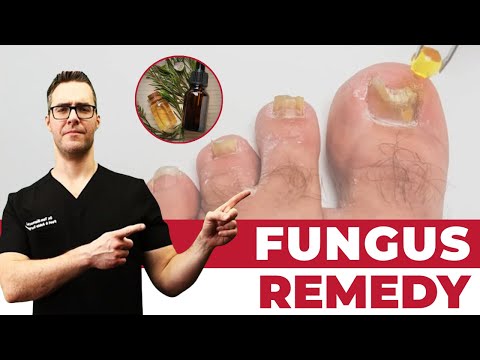
Watch: Tea Tree Oil Toenail Fungus Home Treatment [Doctor Cure!] — MichiganFootDoctors YouTube
What Is Toenail Fungus Laser Treatment?
Toenail fungus laser treatment is an in-office procedure that delivers concentrated light energy (typically 1064 nm Nd:YAG wavelength) through the nail plate and into the nail bed where fungal colonies live. The laser selectively heats the fungal cells — exploiting the slight temperature difference between fungal and human tissue — without burning the surrounding skin or nail. The result is targeted fungal destruction in a 20–30 minute procedure that patients describe as feeling like a warm pinprick sensation at most.
We use the Nd:YAG 1064 nm laser, which has the strongest evidence base in peer-reviewed literature for onychomycosis. It penetrates through the thick, opaque nail that blocks topical antifungals, reaching the subungual space where 95% of fungal load is concentrated. Other platforms in use include diode lasers (870 nm and 930 nm) and fractional CO2 lasers that create micro-channels to improve topical penetration, though Nd:YAG remains the gold standard for standalone treatment.
Key takeaway: Topical antifungals fail primarily because they cannot penetrate the nail plate to reach the fungus. Laser bypasses this barrier entirely — that is why cure rates are 3–4x higher than topicals.
How the Laser Works: The Science
Dermatophytes — the fungi responsible for over 90% of toenail infections — require ergosterol in their cell membranes to survive. Laser energy at 1064 nm is absorbed by chromophores in the fungal cell wall, generating localized heat that denatures fungal proteins and ruptures cell membranes at temperatures between 45–60°C. Human nail keratin tolerates these temperatures without damage because the energy is pulsed in millisecond bursts, allowing thermal dissipation between pulses.
A typical treatment pass covers every nail in a systematic grid pattern. We treat all 10 nails even if only a few appear infected, because subclinical fungal spread to adjacent nails is common and is the primary reason for recurrence. The entire procedure takes 20–30 minutes. Patients walk in and walk out in normal shoes with no downtime.

What Results to Expect & Timeline
Laser treatment does not produce overnight results — because the nail itself must grow out before you see clear nail. Most patients begin noticing new, clear nail growing from the base (proximal nail fold) within 3–4 months. Full clearing of the big toenail takes 12–18 months because toenails grow slowly at 1–2 mm per month. Smaller nails clear faster. We photograph nails at each visit to document progress, which is enormously helpful for patients who otherwise cannot perceive the gradual improvement.
Clinical studies report mycological cure rates (negative culture) of 70–80% after a 3-session protocol and up to 85–90% with 4–6 sessions. Our in-practice results align closely with published data. Complete clinical cure (clear, normal-appearing nail) occurs in approximately 65% of patients at 18 months. The remaining patients show significant improvement but may retain some thickening or color change from pre-existing nail damage that is not caused by active fungus.

Laser vs. Oral Antifungals: Which Is Better?
This is the most common question we field in the office. Oral terbinafine (Lamisil) remains the most cost-effective single treatment with a 76% mycological cure rate — but it requires 3 months of daily pills, monthly liver function tests, and cannot be used by patients with liver disease, on warfarin, or with certain cardiac medications. Topical ciclopirox and tavaborole show 35–55% cure rates — useful adjuncts but insufficient as standalone treatments for moderate to severe infections.
Laser has no drug interactions, no organ toxicity, and is the only option for patients who cannot tolerate oral antifungals. When we combine laser with a topical antifungal applied between sessions, our cure rates exceed either modality alone. For patients with moderate-to-severe infection, a 4-session laser course combined with tavaborole or efinaconazole topical is the protocol that produces the best long-term outcomes in our clinic.
Key takeaway: Oral terbinafine = slightly higher single-modality cure rate but 3 months of pills + liver monitoring. Laser = no systemic side effects, ideal for patients on medications or with liver concerns. Combined protocol beats both alone.
Cost, Insurance & How Many Sessions
Toenail fungus laser treatment is considered cosmetic by most insurance carriers and is not typically covered by Medicare or commercial plans. The average cost per session runs $200–$400 depending on the number of nails treated and the geographic market. Most patients need 3–4 sessions spaced 4–6 weeks apart. We offer package pricing for multi-session courses — call our office for current rates at both locations.
Patients with onychomycosis secondary to a documented underlying condition (psoriatic nail disease, immunocompromised status) should ask their insurance carrier for a predetermination. Some plans cover medically necessary nail debridement at each laser session under a separate billing code, which can offset costs. Our billing team will verify your specific benefits at no charge before your first appointment.
At-Home Products to Use Between Sessions
Between laser sessions, daily use of a quality topical antifungal significantly improves outcomes. We recommend applying it immediately after showering when the nail is cleanest and slightly more permeable. Debriding the thickened nail surface with a nail file before application increases topical penetration by up to 40% according to pharmacokinetic studies.
How to Prevent Toenail Fungus Recurrence
Recurrence rates for onychomycosis run 20–25% annually even after successful treatment because the same environmental exposures that caused the original infection remain. The three highest-risk sources are shared shower floors (gyms, pools, locker rooms), contaminated footwear, and nail salons with inadequately sterilized implements. Addressing all three is essential or reinfection is nearly inevitable within 2–3 years.
Our post-treatment prevention protocol: treat all shoes with antifungal spray weekly for 6 months, replace all socks (fungal spores survive in fabric), wear shower shoes in any shared wet area indefinitely, have nail instruments sterilized or use your own, and apply a preventive antifungal topical to all nails once weekly. For high-risk patients — diabetics, immunocompromised individuals, those with recurrent infection — we schedule a maintenance laser session every 6–12 months.
⚠️ See a podiatrist promptly if you notice
- Nail color changing to yellow, brown, white, or black on multiple nails
- Nail becoming significantly thickened or crumbling at the edges
- Nail separating from the nail bed (onycholysis) without trauma
- Foul odor from the nail — sign of secondary bacterial superinfection
- You have diabetes or circulation problems — fungal infection is higher risk
- Over-the-counter antifungals have failed after 3+ months of consistent use
Frequently Asked Questions About Toenail Fungus Laser Treatment
Is toenail fungus laser treatment painful?
Most patients describe the sensation as mild warmth or an occasional brief pinprick when the laser passes over thinner skin at the nail edges. Topically numbing cream is available for sensitive patients, but the majority of our patients complete the procedure without any anesthetic. The treatment is significantly less uncomfortable than many patients anticipate based on descriptions they read online.
How many laser sessions do I need?
Most patients see optimal results with 3–4 sessions spaced 4–6 weeks apart. We reassess after each session and add sessions based on clinical response. Mild infections (1–2 nails, less than 50% nail involvement) may clear after 3 sessions. Severe infections (all nails, subungual hyperkeratosis) typically benefit from 4–6 sessions. We never lock patients into a predetermined number—treatment is individualized based on how your nails respond.
Can toenail fungus come back after laser treatment?
Yes — laser kills the existing fungal infection but does not prevent future exposure. Annual recurrence rates run 20–25% in patients who do not follow prevention protocols and closer to 5–10% in those who do. The prevention steps above — treating footwear, replacing socks, avoiding shared wet surfaces, weekly topical prevention — are as important as the laser treatment itself. We provide a detailed prevention handout at your final session.
Does toenail laser treatment work for all types of toenail fungus?
Nd:YAG laser is most effective against dermatophytes (T. rubrum, T. mentagrophytes), which cause over 90% of toenail infections. Results for non-dermatophyte molds and Candida are more variable. A nail culture or PCR test before starting treatment confirms the fungal species and helps predict response. We perform nail sampling at the initial consultation — the cost is usually covered by insurance as a diagnostic test.
Do I need to do anything to prepare for laser toenail treatment?
Yes: remove all nail polish and artificial nails before your appointment (polish blocks laser penetration). Clip nails as short as possible and file down any thickened nail surface. Arrive with clean, dry feet. Do not apply any cream or lotion the morning of treatment. Bring comfortable shoes — you will leave in the same footwear you arrived in. There are no other restrictions before or after the procedure.
The Bottom Line
Toenail fungus laser treatment is the most effective tool we have for stubborn onychomycosis that has resisted topicals and for patients who cannot take oral antifungals. The procedure is fast, comfortable, and produces results that no cream can match. Patience is required—clear nails take months, not weeks—but in our experience, the patients who stick with the full protocol and prevention steps are almost always satisfied. Book a consultation and we will culture your nails, confirm the diagnosis, and build a treatment plan specific to you.
Sources
- Bristow IR, et al. “The effectiveness of photodynamic therapy in the treatment of onychomycosis.” J Fungi (Basel). 2023;9(3):318.
- Gupta AK, Stec N. “Lasers and light-based therapies for toenail onychomycosis.” J Eur Acad Dermatol Venereol. 2020;34(5):975–983.
- Ledon JA, et al. “Laser and light treatments for onychomycosis.” J Drugs Dermatol. 2012;11(11):1277–1282.
- Hochman LG. “Laser treatment of onychomycosis using a novel 0.65-millisecond pulsed Nd:YAG 1064-nm laser.” J Cosmet Laser Ther. 2011;13(1):2–5.
Ready for Clear Nails?
Same-day toenail fungus consultations — Nd:YAG laser in Howell & Bloomfield Hills, MI.
4.9★ | 1,123 Reviews | 3,000+ Procedures | Free Nail Culture at Consult
Or call: (810) 206-1402
When Shoes Aren’t Enough — Dr. Tom’s Top 9 Orthotics
About 30% of patients I see for foot pain need MORE than a great shoe — they need a structured insole. Below: my complete 2026 orthotic ranking with pros, cons, and the specific patient I’d give each one to.
★ DR. TOM’S COMPLETE 2026 ORTHOTIC RANKING
9 Best Prefab Orthotics by Use Case
PowerStep, Currex, Spenco, Vionic, and PowerStep Pinnacle — every orthotic I’ve fitted to thousands of patients across both Michigan offices. Each card includes pros, cons, and the specific patient I’d give it to. Real Amazon ratings, review counts, and prices below.
Best All-Purpose Orthotic for Most Patients
Semi-rigid arch shell + dual-layer cushion + deep heel cup. The orthotic I’ve fitted to more patients than any other for 15 years. APMA-accepted. Trim-to-fit design works in athletic shoes, casual shoes, and most work boots.

✓ Pros
- Semi-rigid arch shell provides true biomechanical correction
- Deep heel cup centers the heel and reduces lateral instability
- Dual-layer cushion (top + bottom) lasts 9-12 months daily wear
- Available in 8 sizes for precise fit
- APMA-accepted and clinically validated
- Lower price than PowerStep Pinnacle Green for equivalent function
✗ Cons
- Too thick for most dress shoes (use ProTech Slim instead)
- Some break-in period required (3-7 days for arch tolerance)
- Not enough correction for severe pes planus or rigid pes cavus
Dr. Tom’s Recommendation: If a patient has run-of-the-mill plantar fasciitis, mild flat feet, or arch fatigue, this is the first orthotic I try. Better value than PowerStep Pinnacle for 90% of patients, which is why I swapped it into our clinic kits three years ago. Sub-$50 typically.
Maximum Motion Control · Flat Feet & Severe Over-Pronation
PowerStep’s most aggressive stability orthotic. Adds a 2°-7° medial heel post on top of the standard PowerStep platform — designed specifically for flat-footed patients and severe pronators who need real corrective force.
✓ Pros
- 2°-7° medial heel post adds aggressive pronation control
- Same trusted PowerStep arch shell, more correction
- Built specifically for flat-foot biomechanics
- Excellent for posterior tibial tendon dysfunction (PTTD)
- Removable top cover for cleaning
✗ Cons
- Too aggressive for neutral-arch patients
- Needs longer break-in (10-14 days) due to stronger correction
- Adds 2-3 mm of stack height — won’t fit slim dress shoes
Dr. Tom’s Recommendation: When a patient comes in with significant flat feet AND symptoms (heel pain, arch pain, knee pain), the Original PowerStep isn’t aggressive enough. The Maxx is what gets prescribed. About 25% of my flat-footed patients end up here.
Low-Profile · Fits Dress Shoes & Narrow Casuals
3 mm slim profile with podiatrist-designed tri-planar arch technology. Engineered specifically to fit inside dress shoes, oxfords, loafers, and women’s flats without crowding the toe box. Vionic was founded by an Australian podiatrist.
✓ Pros
- 3 mm slim profile (vs 7-10 mm for standard orthotics)
- Tri-planar arch technology adds support without bulk
- Built-in deep heel cup despite slim design
- Fits dress shoes WITHOUT having to remove the factory insole
- Trim-to-fit · APMA-accepted
✗ Cons
- Less arch support than full-volume orthotics
- Top cover wears faster than thicker alternatives
- Not enough correction for severe foot deformities
Dr. Tom’s Recommendation: My default when a patient says ‘I need orthotics but I have to wear dress shoes for work.’ Slim enough to fit in oxfords and pumps without the heel sliding out. The single highest-impact change you can make for office workers with foot pain.
Built-In Metatarsal Pad · Morton’s Neuroma · Ball-of-Foot Pain
Standard Pinnacle orthotic with a built-in metatarsal pad positioned proximal to the metatarsal heads — the exact location that offloads neuromas and metatarsalgia. No need for separate met pads or pad placement guesswork.
✓ Pros
- Built-in met pad eliminates DIY pad placement errors
- Specifically designed for Morton’s neuroma + metatarsalgia
- Same trusted PowerStep arch + heel cup platform
- Top cover protects sensitive forefoot skin
- Faster relief than orthotics + add-on met pads
✗ Cons
- Met pad position is fixed (can’t fine-tune individual placement)
- Some patients with very small or very large feet need custom
- Slightly thicker than the standard Pinnacle
Dr. Tom’s Recommendation: If a patient has Morton’s neuroma, sesamoiditis, or generalized ball-of-foot pain (metatarsalgia), this saves a clinic visit and a prescription. The built-in pad placement is anatomically correct for 80% of feet. Way better than DIY met pads.
Adaptive Dynamic Arch · Athletic & Daily Wear
Currex’s flagship adaptive arch technology — the orthotic flexes with your gait instead of fighting it. Different stiffness zones along the length give you targeted support at the heel, midfoot, and forefoot. Available in three arch heights (low/medium/high).
✓ Pros
- Dynamic flex zones adapt to natural gait cycle
- Three arch heights ensure precise fit
- Lighter than rigid orthotics (no ‘heavy foot’ feel)
- Excellent for runners and athletic walkers
- European podiatric design (German engineering)
✗ Cons
- More expensive than PowerStep Original ($55-65 typically)
- Less aggressive correction than Pinnacle Maxx for severe cases
- Three arch heights means you must self-select correctly
Dr. Tom’s Recommendation: I started recommending Currex three years ago for runners who said PowerStep felt ‘too rigid.’ The dynamic flex zones respect natural gait. Best for active patients who walk 8K+ steps daily and don’t need maximum motion control.
Running-Specific · Heel Strike + Forefoot Strike Compatible
Currex’s purpose-built running orthotic. The midfoot flex zone is positioned for runner’s gait mechanics, with a flared heel cushion for heel strikers and a forefoot rocker for midfoot/forefoot strikers. Tested on 1000+ runners during product development.
✓ Pros
- Designed by German biomechanics lab specifically for runners
- Dynamic arch flexes with running gait (not static like PowerStep)
- Three arch heights (low/medium/high)
- Reduces overuse injury risk in mid-distance runners
- Lightweight (no impact on cadence)
✗ Cons
- Premium price ($60-75)
- Not aggressive enough for severe over-pronators (use Pinnacle Maxx)
- Runner-specific design = less ideal for daily walking shoes
Dr. Tom’s Recommendation: If a patient runs 20+ miles per week and has plantar fasciitis or shin splints, this is the orthotic I prescribe. The dynamic flex zones respect running biomechanics in a way that no rigid PowerStep can match. Pricier but worth it for serious runners.
Cavus Foot & High-Arch Patients
Polyurethane base with a deeper heel cup and higher arch profile than PowerStep — built for cavus (high-arched) feet that need maximum cushion and support. The 5-zone cushioning system addresses the unique pressure points of high-arch feet.
✓ Pros
- Deeper heel cup centers the heel for cavus foot stability
- Higher arch profile fills the void under high arches
- 5-zone cushioning addresses cavus foot pressure points
- Polyurethane base lasts 12+ months
- Available in Wide width
✗ Cons
- Too tall/aggressive for normal or low arches
- Won’t fit slim dress shoes
- Pricier than PowerStep Original
- Some patients find the arch height uncomfortable initially
Dr. Tom’s Recommendation: Cavus foot patients are often misdiagnosed and given low-arch orthotics — that makes everything worse. Spenco’s Total Support has the arch profile that high-arch feet actually need. About 15% of my patients have cavus feet; this is what they wear.
Cushion Layer · Standing All Day · Gel Pressure Relief
NOT a true biomechanical orthotic — this is a cushion insole. But for patients who want gel pressure relief instead of arch correction (or to add ON TOP of factory insoles in work boots), this is the best gel option on Amazon.
✓ Pros
- Genuine gel cushioning (not foam pretending to be gel)
- Targeted gel waves under heel and ball of foot
- Trim-to-fit · works in most shoe types
- Sub-$15 price (most affordable option in this list)
- Massaging texture is genuinely soothing
✗ Cons
- ZERO arch support — this is cushion only
- Won’t fix plantar fasciitis or flat-foot issues
- Compresses faster than PowerStep (4-6 months)
- Top cover wears through in high-mileage applications
Dr. Tom’s Recommendation: I recommend these to patients who tell me ‘I just want my feet to stop hurting at the end of my shift’ and who don’t have a biomechanical issue. Construction workers, factory workers, retail. Pure cushion does the job for them.
Tight-Fitting Shoes · Cycling Shoes · Hockey Skates
PowerStep Pinnacle’s slim version of their famous Green insole. The trademark stabilizer cap is preserved but the overall thickness is reduced — works in cycling shoes, hockey skates, ski boots, and other tight-fitting footwear that the standard PowerStep Pinnacle Green can’t fit into.
✓ Pros
- Stabilizer cap centers the heel (PowerStep Pinnacle’s signature feature)
- Slim profile fits tight athletic footwear
- Lasts 12+ months daily wear
- Excellent for cycling shoes specifically
- Built-in odor-control treatment
✗ Cons
- Premium price ($45-55)
- Less cushion than PowerStep equivalents
- Not as aggressive correction as Pinnacle Maxx for flat feet
- The signature ‘heel cup feel’ takes 1-2 weeks to adapt to
Dr. Tom’s Recommendation: If you’re a cyclist with foot numbness, hot spots, or knee pain — this is the orthotic. The stabilizer cap solves cycling-specific biomechanical issues that no other orthotic addresses. Worth the premium for athletes.
None of these solving your foot pain?
Some patients (about 30%) need custom-molded prescription orthotics. We make 3D-scanned custom orthotics in our Howell and Bloomfield Hills offices — specifically built for your foot mechanics.
Schedule a Custom Orthotic Fitting →FSA/HSA eligible · Most insurance accepted · (810) 206-1402
What is Toenail fungus?
Toenail fungus is a common foot/ankle condition that affects mobility and quality of life. Understanding the underlying cause is the first step in successful treatment. Our podiatrists at Balance Foot & Ankle perform a hands-on biomechanical exam, review your activity history, and use diagnostic imaging when appropriate to identify the root cause—not just treat the symptom. Many patients have been told to “rest and ice” without a deeper diagnostic workup; our approach is different.
Symptoms and warning signs
Common signs of toenail fungus include pain that worsens with activity, morning stiffness, swelling, tenderness when palpated, and difficulty bearing weight. If you experience sudden severe pain, inability to walk, visible deformity, numbness or color change, contact our office the same day or visit urgent care—these can signal a more serious injury such as a fracture, tendon rupture, or vascular compromise. Diabetics with any foot wound should seek same-day care.
Conservative treatment options
Most cases of toenail fungus respond to non-surgical care: structured rest, supportive footwear changes, custom orthotics, targeted stretching and strengthening protocols, anti-inflammatory medications when medically appropriate, and in-office procedures such as ultrasound-guided injections. We also offer advanced therapies including MLS laser therapy, EPAT/shockwave, regenerative injections, and image-guided procedures. Treatment is sequenced from least invasive to most invasive, and we explain the rationale at every step.
When is surgery considered?
Surgery is reserved for cases that fail 3-6 months of well-structured conservative care, when there is structural pathology (severe deformity, complete tear, advanced arthritis), or when imaging shows damage that will not heal without intervention. Our surgeons have performed 3,000+ foot and ankle procedures and prioritize minimally-invasive techniques whenever appropriate. We discuss recovery timelines, return-to-activity milestones, and realistic outcome expectations before any procedure is scheduled.
Recovery timeline and prevention
Recovery from toenail fungus varies based on severity and chosen treatment path. Conservative cases often improve within 4-8 weeks with consistent adherence to the protocol. Post-procedural recovery may range from a few days (in-office procedures) to several months (reconstructive surgery). Long-term prevention involves footwear assessment, activity modification, structured strengthening, and regular check-ins with your podiatrist if you have a history of recurrence. We provide written home-exercise plans and digital follow-up support.
Ready to feel better?
Same-week appointments available in Howell and Bloomfield Hills, Michigan.
Book Your VisitIn-Office Treatment at Balance Foot & Ankle
If home treatment isn’t providing relief for your laser toenail fungus treatment, our podiatry team at Balance Foot & Ankle can help with same-day evaluations and advanced in-office care.
American Academy of Dermatology: Nail Fungus
Ready to Get Relief?
Same-day appointments available in Howell & Bloomfield Hills, MI
4.9★ | 1,123 Reviews | 3,000+ Surgeries
Or call: (810) 206-1402

Dr. Tom Biernacki, DPM is a double board-certified podiatrist and foot & ankle surgeon at Balance Foot & Ankle Specialists in Southeast Michigan. With over a decade of clinical experience, he specializes in heel pain, bunions, diabetic foot care, sports injuries, and minimally invasive surgery. Dr. Biernacki is a member of the APMA and ACFAS, and his patient education content on MichiganFootDoctors.com and YouTube has reached over one million views.
- Plantar Fasciitis: Diagnosis and Conservative Management (PubMed)
- Plantar Fasciitis (APMA)
- Diagnosis and Treatment of Plantar Fasciitis (PubMed / AAFP)
- Heel Pain (APMA)
Related Treatments at Balance Foot & Ankle
Our board-certified podiatrists offer advanced treatments at our Bloomfield Hills and Howell locations.
Recommended Products from Dr. Tom
Dr. Tom Biernacki, DPM is a board-certified foot & ankle surgeon (ABFAS & ABPM) at Balance Foot & Ankle Specialists in Southeast Michigan. With over a decade of clinical experience, he specializes in heel pain, bunions, diabetic foot care, sports injuries, and minimally invasive surgery. Dr. Biernacki is a member of the APMA and ACFAS, and his patient education content on MichiganFootDoctors.com and YouTube has made him one of the most-followed foot & ankle educators on YouTube.