
Medically reviewed by Dr. Tom Biernacki, DPM
Board-certified podiatric surgeon | Balance Foot & Ankle, Howell & Bloomfield Hills, MI
Last reviewed: May 2026

Quick answer: Mls Laser Therapy Foot is a common foot/ankle topic that affects many patients. The 2026 evidence-based approach combines proper diagnosis, conservative-first treatment, and escalation only when needed. We treat this regularly at our Howell and Bloomfield Hills practices. Call (810) 206-1402.

The most important clinical decision with Mls Laser Therapy Foot isn’t which treatment to start with — it’s identifying the correct subtype. That changes everything. Call (810) 206-1402.
How MLS Laser Therapy Works
MLS (Multiwave Locked System) laser therapy delivers two synchronized infrared wavelengths — 808nm (continuous wave) and 905nm (pulsed wave) — simultaneously to affected tissue. The 808nm wavelength targets hemoglobin and water molecules to reduce inflammation, while the 905nm wavelength penetrates deeper to stimulate mitochondrial activity and accelerate cellular repair. The synchronized delivery amplifies both effects while minimizing the thermal energy that could damage tissue.
At the cellular level, MLS laser stimulates cytochrome c oxidase in the mitochondrial respiratory chain — the fundamental mechanism of photobiomodulation. This leads to increased ATP production, accelerated collagen synthesis, enhanced circulation, reduced prostaglandin synthesis (lowering inflammation), and direct modulation of pain signal transmission through C-fiber and Aδ-fiber activity reduction.
Conditions Treated with MLS Laser
Plantar fasciitis: MLS laser is among the most effective non-surgical treatments for chronic plantar fasciitis, with multiple studies demonstrating 70–85% reduction in pain after a course of treatment. The laser targets the fascia insertion and the inflammatory cascade driving morning heel pain. Achilles tendinopathy: Combined with the Alfredson eccentric protocol, MLS laser accelerates collagen remodeling and reduces neovascularization-mediated pain. Peripheral neuropathy: Multiple studies support MLS laser for diabetic peripheral neuropathy, with improvements in burning, tingling, and nerve conduction velocity. Morton’s neuroma, metatarsalgia, ankle sprains, post-surgical healing, and chronic wound management also respond well.
What to Expect During Treatment
Each MLS laser session takes 8–12 minutes. The robotic delivery system ensures precise, consistent dosing over the treatment area. Patients feel a gentle warmth — no pain, no vibration. There is no recovery time after each session. Most patients notice improvement beginning after sessions 3–4, with maximum benefit achieved after completing the full course of 6–10 sessions.
At Balance Foot & Ankle, we offer MLS laser in both our Howell and Bloomfield Hills locations. Treatment is available as a standalone therapy or as part of a comprehensive treatment protocol combining orthotics, physical therapy, and when appropriate, other in-office procedures. Many insurances cover MLS laser for neuropathy and chronic wound indications; self-pay pricing is available for other conditions.
Dr. Tom's Product Recommendations

PowerStep Pinnacle Insoles
⭐ Highly Rated
MLS laser addresses tissue inflammation and stimulates healing — but biomechanical correction prevents the problem from returning. PowerStep Pinnacle insoles are prescribed alongside MLS therapy to ensure the structural causes of plantar fasciitis, Achilles tendinopathy, or metatarsalgia are simultaneously addressed.
Dr. Tom says: “I always combine MLS laser with orthotics. The laser heals the tissue; the insole prevents it from being re-injured. PowerStep Pinnacle is the OTC orthotic I prescribe most in this combination — it provides the arch support that prevents the repetitive microtrauma that started the condition.”
Post-MLS laser maintenance, PF and Achilles rehab, daily biomechanical support
Does not replace the therapeutic effect of MLS laser; not for acute injuries
Disclosure: We earn a commission at no extra cost to you.

Doctor Hoy’s Natural Pain Relief Gel
⭐ Highly Rated
On days between MLS laser sessions, Doctor Hoy’s Natural Pain Relief Gel maintains topical anti-inflammatory activity. The arnica and camphor formula complements the laser’s tissue healing effects during the treatment course.
Dr. Tom says: “Between laser sessions, I recommend Doctor Hoy’s as a topical adjunct. Apply to the treatment area morning and evening. The arnica maintains anti-inflammatory activity between the laser sessions, and patients consistently report better day-to-day comfort during their treatment course.”
Between-session pain management, adjunct to MLS therapy, daily use
Not a substitute for MLS laser treatment; consult before combining with other topicals
Disclosure: We earn a commission at no extra cost to you.
✅ Pros / Benefits
- FDA-cleared, non-invasive, no downtime
- Highly effective for PF, Achilles, neuropathy (70–85% pain reduction)
- No injections or medications required
- Accelerates healing of chronic conditions that failed other conservative care
❌ Cons / Risks
- Requires 6–10 sessions (time and cost commitment)
- Not covered by all insurance for all indications
- Effects take 3–4 sessions before noticeable improvement
- Not effective for osseous (bone) pathology — targets soft tissue only
Dr. Tom Biernacki’s Recommendation
MLS laser has genuinely changed how I treat chronic plantar fasciitis and Achilles tendinopathy in my practice. For patients who’ve been suffering for 6+ months and failed stretching, orthotics, and injections, MLS laser provides a real path to healing. I typically see 70–80% meaningful improvement after a full course. I combine it with PowerStep insoles and the stretching protocol — treat the tissue AND fix the biomechanics. That combination is as close to a cure as conservative care gets.
— Dr. Tom Biernacki, DPM | Board-Certified Podiatric Surgeon | Balance Foot & Ankle
Frequently Asked Questions
Is MLS laser therapy painful?
No. MLS laser is completely painless. Patients feel a gentle warmth over the treatment area. There is no downtime, no needles, and no side effects.
How many MLS laser sessions do I need?
Most foot conditions require 6–10 sessions, typically 2–3 times per week. Plantar fasciitis and neuropathy generally need the full 10-session course for maximum benefit.
Is MLS laser covered by insurance?
Diabetic peripheral neuropathy and some wound care indications may be covered. Most musculoskeletal indications (plantar fasciitis, Achilles) are currently self-pay. Our office can verify your specific coverage.
How soon will I feel results from MLS laser?
Most patients notice improvement beginning around sessions 3–4. Full benefit is achieved after completing the course, with continued improvement for 4–8 weeks following the final session.
Is MLS laser the same as cold laser (LLLT)?
No. MLS laser is a Class IV therapeutic laser (higher power) with synchronized dual wavelengths. LLLT (cold laser/Class III) operates at much lower power levels with different penetration depth and clinical evidence.
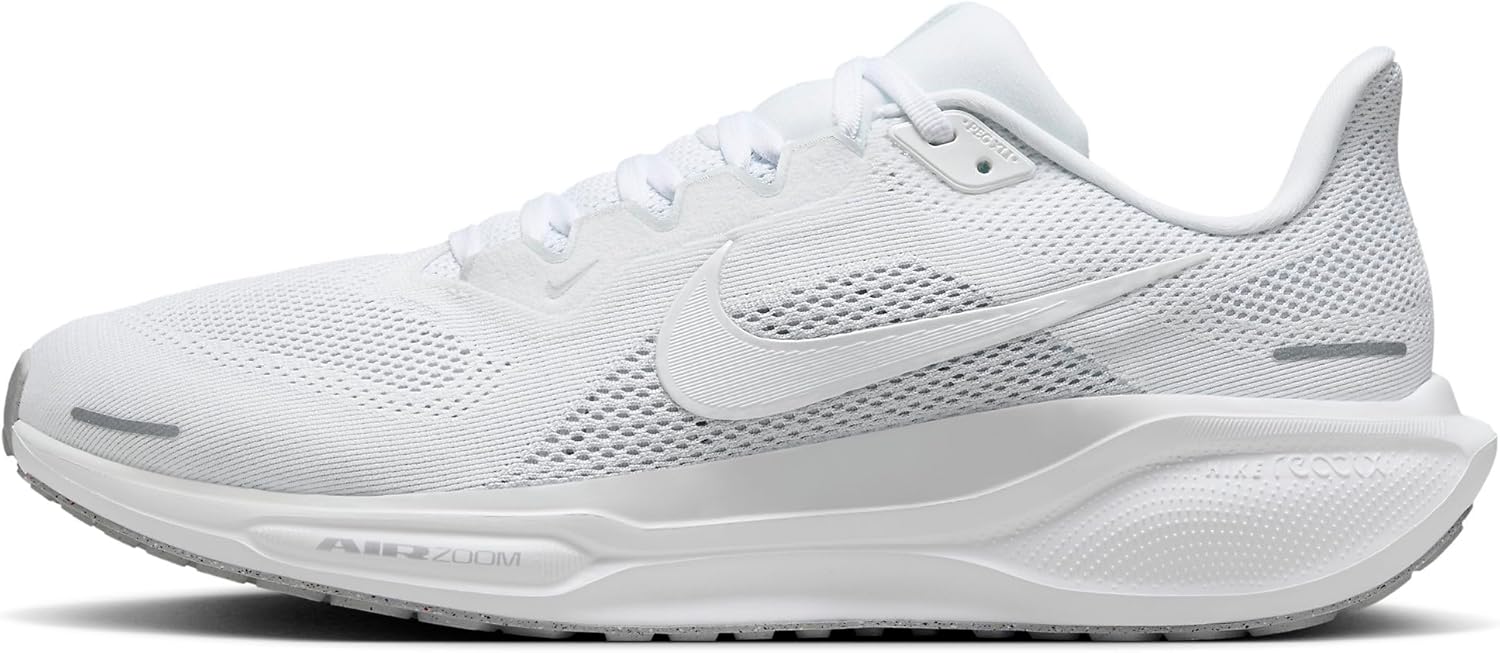
When Shoes Aren’t Enough — Dr. Tom’s Top 9 Orthotics
About 30% of patients I see for foot pain need MORE than a great shoe — they need a structured insole. Below: my complete 2026 orthotic ranking with pros, cons, and the specific patient I’d give each one to.




What is Foot pain?
Foot pain is a common foot/ankle condition that affects mobility and quality of life. Understanding the underlying cause is the first step in successful treatment. Our podiatrists at Balance Foot & Ankle perform a hands-on biomechanical exam, review your activity history, and use diagnostic imaging when appropriate to identify the root cause—not just treat the symptom. Many patients have been told to “rest and ice” without a deeper diagnostic workup; our approach is different.
Symptoms and warning signs
Common signs of foot pain include pain that worsens with activity, morning stiffness, swelling, tenderness when palpated, and difficulty bearing weight. If you experience sudden severe pain, inability to walk, visible deformity, numbness or color change, contact our office the same day or visit urgent care—these can signal a more serious injury such as a fracture, tendon rupture, or vascular compromise. Diabetics with any foot wound should seek same-day care.
Conservative treatment options
Most cases of foot pain respond to non-surgical care: structured rest, supportive footwear changes, custom orthotics, targeted stretching and strengthening protocols, anti-inflammatory medications when medically appropriate, and in-office procedures such as ultrasound-guided injections. We also offer advanced therapies including MLS laser therapy, EPAT/shockwave, regenerative injections, and image-guided procedures. Treatment is sequenced from least invasive to most invasive, and we explain the rationale at every step.
When is surgery considered?
Surgery is reserved for cases that fail 3-6 months of well-structured conservative care, when there is structural pathology (severe deformity, complete tear, advanced arthritis), or when imaging shows damage that will not heal without intervention. Our surgeons have performed 3,000+ foot and ankle procedures and prioritize minimally-invasive techniques whenever appropriate. We discuss recovery timelines, return-to-activity milestones, and realistic outcome expectations before any procedure is scheduled.
Recovery timeline and prevention
Recovery from foot pain varies based on severity and chosen treatment path. Conservative cases often improve within 4-8 weeks with consistent adherence to the protocol. Post-procedural recovery may range from a few days (in-office procedures) to several months (reconstructive surgery). Long-term prevention involves footwear assessment, activity modification, structured strengthening, and regular check-ins with your podiatrist if you have a history of recurrence. We provide written home-exercise plans and digital follow-up support.
NCBI: MLS Laser Therapy — Efficacy & Cost Evidence
NCBI: MLS Laser Therapy — Efficacy & Cost Evidence
Ready to Get Relief?
Same-day appointments available in Howell & Bloomfield Hills, MI
4.9★ | 1,123 Reviews | 3,000+ Surgeries
Or call: (810) 206-1402

Dr. Tom Biernacki, DPM is a board-certified foot & ankle surgeon (ABFAS & ABPM) at Balance Foot & Ankle Specialists in Southeast Michigan. With over a decade of clinical experience, he specializes in heel pain, bunions, diabetic foot care, sports injuries, and minimally invasive surgery. Dr. Biernacki is a member of the APMA and ACFAS, and his patient education content on MichiganFootDoctors.com and YouTube has made him one of the most-followed foot & ankle educators on YouTube.