
Quick answer: Peripheral Neuropathy Symptoms Michigan Podiatrist is a common foot/ankle topic that affects many patients. The 2026 evidence-based approach combines proper diagnosis, conservative-first treatment, and escalation only when needed. We treat this regularly at our Howell and Bloomfield Township practices. Call (810) 206-1402.
Foot pain isn't resolving?
Same-week appointments at Howell & Bloomfield Hills
Treatment at Balance Foot & Ankle: Diabetic Foot & Circulation Screening →
Medically Reviewed | Dr. Tom Biernacki, DPM | Board-Certified Podiatric Surgeon | Balance Foot & Ankle, Michigan
Quick Answer:
Quick Answer: Peripheral neuropathy in the feet presents as a spectrum of sensory changes: numbness, tingling, burning, electric-shock sensations, increased sensitivity where light touch is painful (allodynia), or paradoxically, reduced sensitivity to pain that should be felt. The most important clinical distinction is whether symptoms are symmetric (typically metabolic causes — diabetic neuropathy, alcohol, nutritional deficiency) or asymmetric (often compression-based — tarsal tunnel syndrome, lumbar radiculopathy, or focal nerve injury). Diabetes is the most common cause in the United States, present in approximately 50% of diabetic patients of 10 or more years duration. But 25-30% of peripheral neuropathy cases are idiopathic — no specific cause identified. Any progressive foot numbness, particularly if bilateral, warrants evaluation by a podiatrist or neurologist to characterize the pattern, identify treatable causes, and implement protective foot care before complications develop.



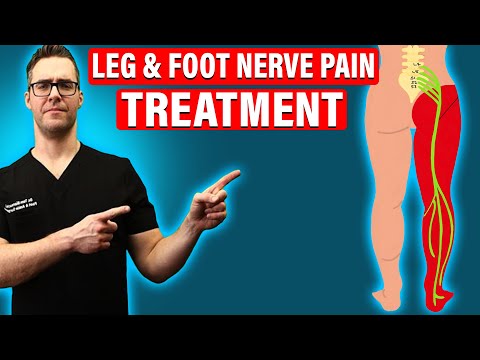
Watch: Peripheral Neuropathy Home Remedies [Leg & Foot Nerve Pain Treatment] — MichiganFootDoctors YouTube
Understanding Peripheral Neuropathy: More Than Just Diabetes
Peripheral neuropathy — damage to the peripheral nerves that transmit sensory and motor signals between the central nervous system and the extremities — is a condition of many causes, not a single disease. The popular conception that neuropathy equals diabetic neuropathy misses the significant proportion of patients whose symptoms arise from other sources. While diabetes is far and away the most common cause in clinical practice, a thorough evaluation considers alcohol-related neuropathy, vitamin B12 deficiency, chemotherapy-induced neuropathy, Charcot-Marie-Tooth disease (hereditary motor and sensory neuropathy), hypothyroid neuropathy, vasculitic neuropathy from autoimmune conditions, and idiopathic neuropathy where no specific cause is identified despite complete workup.
The clinical importance of distinguishing these causes is not merely academic — some causes are reversible if identified and addressed. Vitamin B12 deficiency neuropathy (common in patients on metformin, proton pump inhibitors, or with pernicious anemia) can be completely reversed with appropriate supplementation if caught before irreversible axonal damage occurs. Hypothyroid neuropathy resolves with thyroid hormone replacement. Alcohol-related neuropathy can stabilize or improve with abstinence. Diabetic neuropathy, by contrast, progresses with continued hyperglycemia but can be slowed significantly with glucose optimization. Idiopathic neuropathy — present in 25-30% of cases — focuses management on symptomatic control and protective care rather than reversing the underlying cause.
The Symptom Spectrum of Peripheral Neuropathy
Peripheral neuropathy in the feet manifests across a wide symptom spectrum that depends on which nerve fiber types are damaged. Large myelinated fibers (A-beta) carry vibration sense, proprioception, and light touch. Small unmyelinated fibers (C-fibers) and thinly myelinated fibers (A-delta) carry temperature sensation and pain. Early or small fiber neuropathy — affecting C and A-delta fibers — produces burning, painful neuropathy with intact vibration sense (measurable with 128 Hz tuning fork) and intact protective sensation (measurable with 10-gram monofilament). This is the most painful neuropathy type and frequently misses the monofilament test threshold because large fibers remain functional.
Large fiber neuropathy — affecting A-beta fibers — produces loss of vibration sense, proprioceptive deficits (difficulty with balance on compliant surfaces with eyes closed), and eventually loss of protective sensation. This type is more clinically dangerous for wound development because the pain-protective mechanism is lost, but it may initially be less symptomatic (less burning) than small fiber neuropathy.
The classic “stocking-glove” distribution — symmetric involvement of the distal extremities that grades proximally — indicates a length-dependent neuropathy, where the longest axons are first affected. This pattern strongly suggests a metabolic cause (diabetes, alcohol, vitamin deficiency) where the peripheral nerve cell bodies are stressed globally rather than focally. Asymmetric symptoms or symptoms with a non-length-dependent distribution suggest compressive or vasculitic causes requiring different workup.
Testing for Peripheral Neuropathy in the Podiatry Office
The podiatric neuropathy examination uses several complementary tests that together characterize the extent and fiber-type distribution of sensory loss. The Semmes-Weinstein monofilament — specifically the 10-gram (5.07 Semmes-Weinstein) monofilament — is the standard clinical tool for assessing protective sensation. The monofilament is pressed against 10 standard plantar and dorsal sites until it buckles; the force required corresponds to the 10-gram threshold that, when absent, indicates sufficient sensory loss to dramatically elevate ulceration risk. This test is specifically validated for predicting diabetic foot ulceration risk rather than for characterizing all types of sensory loss.
Vibratory sensation is tested with a 128 Hz tuning fork placed at the dorsal first MTP joint and the medial malleolus. The patient identifies when the vibration begins and when it stops — comparison with the examiner’s own finger provides a rough normative reference. Loss of vibration at the great toe is typically the earliest large-fiber finding and is often present before any monofilament test failure in early peripheral neuropathy.
Proprioception testing — the ability to identify the direction of small passive toe movements without visual input — assesses the sensory feedback system critical for safe ambulation. Proprioceptive deficits cause the compensatory visual dependence (looking at the feet during walking) and the marked balance worsening with eyes closed that characterizes advanced neuropathy.
Electrodiagnostic testing — nerve conduction velocity and electromyography (EMG) — provides objective quantitative characterization of the pattern and severity of nerve dysfunction. These studies are typically ordered by a neurologist or physiatrist when the clinical examination raises questions about the specific pattern of involvement or when laboratory workup fails to identify a cause and a more comprehensive characterization is needed. Skin punch biopsy for intraepidermal nerve fiber density is used in small fiber neuropathy diagnosis when electrodiagnostic studies are normal but small fiber involvement is suspected.
The Laboratory Workup for Newly Diagnosed Neuropathy
When peripheral neuropathy is identified, a systematic laboratory evaluation to identify treatable causes is warranted. Standard initial workup typically includes fasting blood glucose and HbA1c (diabetes screening), vitamin B12 level, thyroid stimulating hormone (TSH), complete metabolic panel (renal and hepatic function), CBC (anemia evaluation), and serum protein electrophoresis (paraprotein-associated neuropathy). Alcohol history should be systematically obtained — alcohol-related neuropathy is dramatically under-reported in voluntary history.
If standard workup is negative and neuropathy is progressive or atypical, extended evaluation includes antinuclear antibody (ANA), anti-SSA/SSB (Sjögren’s syndrome), cryoglobulin level, folate, and heavy metal panel (arsenic, lead, mercury for occupational or environmental exposure). Genetic testing for Charcot-Marie-Tooth gene mutations is appropriate when there is a positive family history of neuropathy or when the presentation suggests hereditary neuropathy. Dr. Biernacki initiates or coordinates this workup when indicated and refers to neurology for complex cases requiring electrodiagnostic evaluation.
Protecting the Neuropathic Foot from Serious Complications
Once peripheral neuropathy is established, the primary management goal shifts to preventing the complications that arise from loss of protective sensation — specifically, foot ulceration and its downstream consequences. The protective foot care program for neuropathic patients includes several essential components that are more critical than any medication for preventing serious complications.
Daily foot inspection — examining all surfaces including the sole, heel, and interdigital spaces — is the most important single practice. Neuropathic patients cannot feel developing wounds; visual inspection provides the surveillance that pain normally provides. Using a mirror or a smartphone camera to see the plantar surface, or asking a family member to inspect, must be incorporated into a daily routine as reliably as tooth brushing. Any break in skin integrity, any redness, any new callus formation, or any wound is reported to the podiatrist immediately rather than monitored at home.
Protective footwear — extra-depth shoes with seamless interiors and custom accommodative inserts — eliminates the pressure points that initiate wounds in neuropathic skin. The Medicare therapeutic footwear benefit was designed specifically for this population; qualifying patients receive this benefit annually at minimal out-of-pocket cost. The evidence for therapeutic footwear in preventing ulceration (68% reduction in high-risk diabetic patients) reflects the fundamental importance of eliminating the footwear-related trauma source.
Professional nail care — particularly for patients whose neuropathy makes self-care risky — prevents the nail trauma that triggers wound cascades. A neuropathic patient who cuts a nail too short or develops an ingrown nail without noticing has created a wound entry point that may progress without awareness. Regular professional nail evaluation and maintenance is a practical protective measure rather than a luxury.
Neuropathic Pain: Symptomatic Treatment Options
For patients with painful neuropathy (burning, tingling, electric sensations that significantly impair sleep and quality of life), pharmacological symptom management is appropriate in addition to treating the underlying cause. First-line options with FDA approval for diabetic peripheral neuropathic pain include duloxetine (Cymbalta), pregabalin (Lyrica), and tapentadol (Nucynta ER). Amitriptyline and gabapentin are widely used off-label with substantial evidence. Topical lidocaine and capsaicin provide local symptom management without systemic effects and are appropriate for focal painful areas.
The goal of pharmacological management is to reduce symptomatic burden enough to allow adequate sleep and functional activity while the underlying condition is treated or managed. It is not a substitute for treating the cause (glucose control for diabetic neuropathy, supplementation for nutritional deficiency) or for the protective foot care that prevents the actual complications neuropathy causes.
Dr. Tom's Product Recommendations

Propet Diabetic Shoe — Protective Neuropathic Footwear
⭐ Highly Rated | Foundation Wellness Partner | 30% Commission
Extra-depth therapeutic shoe with seamless interior and removable insert — Medicare-approved for the therapeutic footwear benefit. The seamless construction eliminates the friction points that create wounds in neuropathic skin that cannot feel early warning signs of pressure injury.
Dr. Tom says: “”My doctor found my neuropathy during my annual exam. These shoes with the custom inserts that Dr. Biernacki prescribed have been perfect for protecting my feet.” — Livingston County patient”
Peripheral neuropathy patients requiring protective footwear; qualifying Medicare diabetic patients
Patients without neuropathy who need biomechanical correction rather than pressure protection
Disclosure: We earn a commission at no extra cost to you.

Alpha-Lipoic Acid 600mg — Antioxidant for Neuropathy Support
⭐ Highly Rated | Foundation Wellness Partner | 30% Commission
Antioxidant supplement with the most consistent evidence among OTC supplements for diabetic peripheral neuropathy symptom reduction. Three randomized trials (SYDNEY 1, SYDNEY 2, ALADIN) showed significant reduction in burning and tingling at 600-1800mg/day. Discuss with physician before starting any supplement regimen.
Dr. Tom says: “”My neurologist suggested adding alpha-lipoic acid alongside my other neuropathy management. Modest but noticeable improvement in the burning sensations.” — Howell diabetic patient”
Diabetic peripheral neuropathy patients seeking OTC adjunctive support; patients with confirmed metabolic neuropathy
Not a substitute for glucose control or physician-prescribed medication for neuropathy management
Disclosure: We earn a commission at no extra cost to you.

Dr. Scholl’s Tri-Comfort Diabetic Insole — Entry Neuropathic Protection
⭐ Highly Rated | Foundation Wellness Partner | 30% Commission
Dual-layer gel insole designed for diabetic and neuropathic feet. Provides general pressure cushioning across the plantar surface in standard footwear. Appropriate as interim protection for neuropathic patients while awaiting therapeutic footwear evaluation and prescription.
Dr. Tom says: “”Used these in my regular shoes while waiting for my therapeutic footwear appointment. Better than nothing as interim protection.” — Brighton neuropathy patient”
Interim pressure protection in existing footwear for neuropathic patients while awaiting therapeutic footwear
Not a substitute for properly fitted therapeutic footwear with custom accommodative inserts for neuropathic risk patients
Disclosure: We earn a commission at no extra cost to you.
✅ Pros / Benefits
- Early monofilament and vibration testing detects neuropathy before wounds develop — the optimal intervention window
- Laboratory workup identifies reversible causes including B12 deficiency, hypothyroid, and alcoholic neuropathy
- Protective footwear reduces ulceration risk by 68% in high-risk neuropathic patients — the evidence is definitive
- Daily foot inspection with professional backup allows early detection before minor issues progress
- Pharmacological symptomatic treatment reduces the painful neuropathy burden on quality of life and sleep
❌ Cons / Risks
- Established axonal damage from most neuropathy types is not reversible — prevention of progression is the realistic goal
- Diabetic neuropathy treatment requires systemic glucose control that extends beyond podiatric care
- Idiopathic neuropathy (25-30% of cases) has no specific treatment — symptomatic management and protective care only
- Electrodiagnostic testing requires neurology referral and is not available in all podiatric practices
- Protective footwear compliance remains an ongoing challenge — some patients find extra-depth therapeutic designs unattractive
Dr. Tom Biernacki’s Recommendation
Peripheral neuropathy is the foot condition I take most seriously in terms of life-altering consequences. A bunion is painful. Plantar fasciitis is disruptive. But neuropathy that goes undetected and unmanaged leads to amputations — the kind of outcome that permanently changes a person’s independence and quality of life. The examination to detect it takes 10 minutes. The protective footwear to prevent its worst consequences is covered by Medicare. There is no good reason for a diabetic patient with neuropathy to develop a foot wound if they have access to appropriate care — and making that care accessible is what I consider the highest-stakes part of my practice.
— Dr. Tom Biernacki, DPM | Board-Certified Podiatric Surgeon | Balance Foot & Ankle
Frequently Asked Questions
What are the first signs of peripheral neuropathy in feet?
The first signs typically include: tingling or ‘pins and needles’ sensations in the toes and ball of the foot (often worse at night), mild burning or cold sensations that are not explained by temperature, subtle balance difficulty on uneven surfaces or with eyes closed, and decreased sensation to light touch that the patient may not notice until formal testing reveals it. Early identification through annual monofilament testing in diabetic patients and prompt evaluation of any new foot numbness or tingling allows intervention before protective sensation is fully lost.
Can neuropathy in feet be reversed?
It depends on the cause. Vitamin B12 deficiency neuropathy can reverse completely with supplementation if caught before irreversible damage. Hypothyroid neuropathy resolves with thyroid hormone replacement. Alcohol-related neuropathy can stabilize or improve with abstinence. Diabetic neuropathy can be slowed significantly with glucose optimization but typically does not reverse established damage. Idiopathic neuropathy generally stabilizes rather than reverses. The key is identifying reversible causes through appropriate laboratory workup.
How is peripheral neuropathy diagnosed?
Diagnosis begins with clinical evaluation: symptom characterization (symmetric vs asymmetric, burning vs numbness, proximal vs distal), monofilament protective sensation testing, vibratory sensation testing with 128 Hz tuning fork, and proprioception assessment. Laboratory workup identifies systemic causes (glucose/HbA1c for diabetes, B12, TSH, metabolic panel). Electrodiagnostic studies (nerve conduction velocity and EMG) by a neurologist objectively quantify and characterize the pattern. Skin punch biopsy for intraepidermal nerve fiber density is used in small fiber neuropathy cases where electrodiagnostics are normal.
Does diabetes always cause peripheral neuropathy?
Not always, but it is strongly associated with duration of diabetes and degree of glucose control. Approximately 50% of patients with type 2 diabetes of 10 or more years duration have clinically detectable peripheral neuropathy. Better long-term glucose control (lower average HbA1c) consistently correlates with lower neuropathy rates and slower progression. However, some patients develop significant neuropathy despite relatively good control, and others remain neuropathy-free despite years of poor control — individual genetic susceptibility is a significant modifier.
What protective care do neuropathic feet need?
Neuropathic feet require: daily visual inspection of all surfaces including sole and interdigital spaces, therapeutic extra-depth footwear with seamless construction and custom accommodative inserts, professional nail care to prevent nail trauma, avoidance of barefoot walking on any surface, temperature testing of bath water before immersion (neuropathic patients cannot feel burns), and immediate professional evaluation of any skin break, redness, or new wound rather than home management. The goal is to substitute systematic visual and professional surveillance for the pain sensation that neuropathy has eliminated.
Michigan Foot Pain? See Dr. Biernacki In Person
4.9★ rated | 1,123 Reviews | 3,000+ Surgeries
Same-week appointments · Howell & Bloomfield Hills
📞 (810) 206-1402 Book Online →Frequently Asked Questions
When should I see a podiatrist?
If symptoms persist past 2 weeks, affect your normal activity, or are accompanied by red-flag symptoms (warmth, redness, swelling, inability to bear weight).
What does treatment cost?
Most diagnostic visits and conservative treatments are covered by Medicare and major insurers. Out-of-pocket costs vary by your specific plan.
How quickly can I get an appointment?
Most non-urgent cases see us within 5 business days. Urgent cases (sudden pain, possible fracture) typically same or next business day.
What is Neuropathy?
Neuropathy is a common foot/ankle condition that affects mobility and quality of life. Understanding the underlying cause is the first step in successful treatment. Our podiatrists at Balance Foot & Ankle perform a hands-on biomechanical exam, review your activity history, and use diagnostic imaging when appropriate to identify the root cause—not just treat the symptom. Many patients have been told to “rest and ice” without a deeper diagnostic workup; our approach is different.
Symptoms and warning signs
Common signs of neuropathy include pain that worsens with activity, morning stiffness, swelling, tenderness when palpated, and difficulty bearing weight. If you experience sudden severe pain, inability to walk, visible deformity, numbness or color change, contact our office the same day or visit urgent care—these can signal a more serious injury such as a fracture, tendon rupture, or vascular compromise. Diabetics with any foot wound should seek same-day care.
Conservative treatment options
Most cases of neuropathy respond to non-surgical care: structured rest, supportive footwear changes, custom orthotics, targeted stretching and strengthening protocols, anti-inflammatory medications when medically appropriate, and in-office procedures such as ultrasound-guided injections. We also offer advanced therapies including MLS laser therapy, EPAT/shockwave, regenerative injections, and image-guided procedures. Treatment is sequenced from least invasive to most invasive, and we explain the rationale at every step.
When is surgery considered?
Surgery is reserved for cases that fail 3-6 months of well-structured conservative care, when there is structural pathology (severe deformity, complete tear, advanced arthritis), or when imaging shows damage that will not heal without intervention. Our surgeons have performed 3,000+ foot and ankle procedures and prioritize minimally-invasive techniques whenever appropriate. We discuss recovery timelines, return-to-activity milestones, and realistic outcome expectations before any procedure is scheduled.
Recovery timeline and prevention
Recovery from neuropathy varies based on severity and chosen treatment path. Conservative cases often improve within 4-8 weeks with consistent adherence to the protocol. Post-procedural recovery may range from a few days (in-office procedures) to several months (reconstructive surgery). Long-term prevention involves footwear assessment, activity modification, structured strengthening, and regular check-ins with your podiatrist if you have a history of recurrence. We provide written home-exercise plans and digital follow-up support.
Ready to feel better?
Same-week appointments available in Howell and Bloomfield Hills, Michigan.
Book Your Visit
Dr. Tom Biernacki, DPM is a double board-certified podiatrist and foot & ankle surgeon at Balance Foot & Ankle Specialists in Southeast Michigan. With over a decade of clinical experience, he specializes in heel pain, bunions, diabetic foot care, sports injuries, and minimally invasive surgery. Dr. Biernacki is a member of the APMA and ACFAS, and his patient education content on MichiganFootDoctors.com and YouTube has reached over one million views.
Frequently Asked Questions
Can a podiatrist help with neuropathy?
What does neuropathy in feet feel like?
Is foot neuropathy reversible?
- Plantar Fasciitis: Diagnosis and Conservative Management (PubMed)
- Plantar Fasciitis (APMA)
- Diagnosis and Treatment of Plantar Fasciitis (PubMed / AAFP)
- Heel Pain (APMA)
Related Treatments at Balance Foot & Ankle
Our board-certified podiatrists offer advanced treatments at our Bloomfield Hills and Howell locations.
Recommended Products from Dr. Tom