

The most important clinical decision with Pincer Nail Trumpet Toenail Treatment Michigan Podiatrist isn’t which treatment to start with — it’s identifying the correct subtype. That changes everything. Call (810) 206-1402.
The most important clinical decision with Pincer Nail Trumpet Toenail Treatment Michigan Podiatrist isn’t which treatment to start with — it’s identifying the correct subtype. That changes everything. Call (810) 206-1402.
Pincer Nail Treatment: Classification by Deformity Severity and Mechanism
Pincer nail (omega nail / trumpet nail deformity) involves transverse overcurvature of the nail plate that compresses the soft tissue beneath, causing pain, nail bed damage, and secondary ingrown nail. Treatment selection depends on deformity grade, underlying cause (subungual exostosis vs. onychomycosis vs. idiopathic), and patient age. Permanent correction requires nail matrix manipulation or addressing structural bone causes.
| Pincer Nail Type | Transverse Curve | Primary Cause | Conservative Treatment | Surgical Indication | Procedure |
|---|---|---|---|---|---|
| Mild (Grade 1) | 10-25° overcurvature at distal nail | Tight footwear; hereditary; early onychomycosis; elderly nail dystrophy | Wider shoes; nail plate grinding to reduce pressure; nail bracing (orthonyxia — composite resin + wire brace lifts nail plate); antifungal if fungal etiology; first-line for Grade 1 | Bracing fails after 6-12 months; significant daily pain despite footwear modification | Winograd partial matrixectomy if lateral edges causing secondary ingrown; phenol matrixectomy of lateral horn to reduce overcurvature |
| Moderate (Grade 2) | 25-40° overcurvature; nail plate tenting from nail bed | Subungual exostosis; psoriatic nail; post-traumatic; hereditary | Nail bracing (Podofix, BS brace, VHO-Osthold); monthly replacement; 60-70% success without bony cause | Subungual exostosis on X-ray; failed 12 months bracing; significant nail bed erosion; recurrent secondary infection | Subungual exostosis excision (cheilectomy) via dorsal approach; nail plate avulsion + lateral matrixectomy for soft tissue pincer |
| Severe (Grade 3) | >40° overcurvature; complete tenting; nail bed maceration; pain with any shoe | Long-standing hereditary; post-surgical; severe onychomycosis with plate thickening and lateral overcurvature | Conservative inadequate at Grade 3; bracing cannot overcome severe structural deformity; palliative nail grinding only | Strong indication — Grade 3 rarely managed conservatively long-term | Total nail plate avulsion + bilateral lateral matrix horn excision; nail plate resection with nail bed reconstruction; subungual exostosis removal if contributing |
| Pincer nail with subungual exostosis | Any degree; dorsal elevation of nail plate from beneath | Reactive bone formation from trauma, microtrauma (running), or degenerative; bony spur elevates nail plate creating secondary overcurvature | Bracing ineffective when bony cause present; orthotics to offload 1st toe; wider toe box; temporary relief only | Confirmed exostosis on X-ray; persistent pain; progressive nail damage | Exostectomy via dorsal or medial approach; nail plate avulsion first to access; bone wax to prevent regrowth |
Pincer Nail vs. Ingrown Toenail vs. Onychomycosis: Clinical Differentiation
| Feature | Pincer Nail | Ingrown Toenail | Onychomycosis |
|---|---|---|---|
| Pain location | Diffuse across nail bed beneath nail; worst at center and apex; no specific lateral groove tenderness initially | Unilateral — one specific lateral nail groove; tenderness precisely at nail fold where edge pierces skin | Often painless until nail thickens to pressure point; nail bed pain from plate separation; pain from secondary ingrown if thickened nail curves |
| Nail appearance | Transverse overcurvature visible at distal edge; nail appears tubular or omega-shaped; lateral edges rolled under; normal color unless secondary fungus | Normal flat nail plate; one lateral edge buried in nail fold; erythema, swelling, granulation tissue at affected corner | Thickened, discolored (yellow-brown-white), brittle, friable nail; subungual debris; onycholysis; often bilateral or multiple nails |
| X-ray findings | May show subungual exostosis beneath nail plate — always X-ray before deciding bracing vs. surgery; normal in idiopathic pincer | Normal; soft tissue swelling visible; no bony abnormality unless chronic with periosteal reaction | Normal bony structure; nail plate changes only; KOH or PAS stain confirms fungal diagnosis |
| Treatment | Bracing (orthonyxia) for Grade 1-2; surgical matrixectomy + exostectomy for Grade 2-3 or exostosis confirmed | Warm soaks + conservative for mild; partial nail avulsion + phenol matrixectomy for recurrent/severe | Oral terbinafine 250mg × 12 weeks for hallux (first-line); topical efinaconazole (adjunct); nail avulsion + matrixectomy for end-stage |
| Recurrence risk | HIGH without footwear modification or exostosis removal; bracing requires long-term maintenance | HIGH (50-80%) after simple avulsion alone; LOW (5-15%) after phenol matrixectomy | HIGH (20-50% at 1 year) — reinfection from shoes/environment; oral terbinafine ~70-80% mycologic cure |
Quick answer: Treatment for pincer nail trumpet toenail treatment michigan podiatrist follows a stepwise approach: 1) conservative care first (rest, ice, supportive footwear, OTC anti-inflammatories), 2) physical therapy and targeted exercises, 3) in-office treatments (injections, custom orthotics) if conservative fails at 4-6 weeks, 4) surgery for refractory cases. Most patients resolve at step 1 or 2. Call (810) 206-1402.
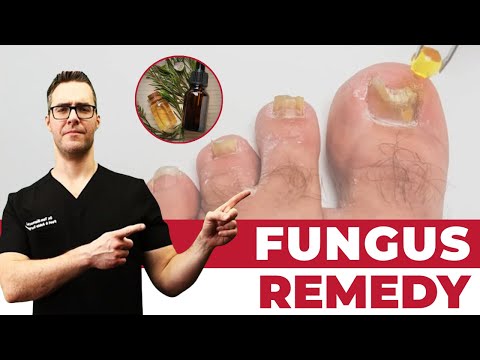
Watch: Tea Tree Oil Toenail Fungus Home Treatment [Doctor Cure!] — MichiganFootDoctors YouTube
Symptoms and Clinical Presentation
Pincer nails produce a characteristic deep, aching pressure pain across the width of the nail—not just at the corners. Examination shows the nail plate curling transversely, often dramatically enough that the lateral edges nearly meet beneath the nail plate. The nail bed tissue may appear erythematous, swollen, and hyperkeratotic. In severe cases, the compressed nail bed ulcerates. The hallux is most commonly affected, though lesser toenails and fingernails can develop pincer deformity.
Nail Bracing (Orthonyxia) — Conservative Management
Nail bracing is one of the most elegant conservative treatments in podiatry. A thin elastic wire or composite nail brace is attached to the nail plate and applies gentle, sustained force to flatten the transverse curvature over time—similar to orthodontic braces for teeth. The brace is replaced at monthly intervals as the nail grows and gradually achieves a flatter profile. Nail bracing is most effective for mild to moderate pincer nails and requires patient compliance over 6–12 months. It avoids surgery and preserves the nail plate. Dr. Biernacki fits and monitors nail braces in office.
Surgical Options for Pincer Nail
Severe or refractory pincer nails may require surgical intervention. Options include: Nail plate and lateral matrix excision—partial matrixectomy (phenol or surgical) to narrow the nail plate and eliminate the pathological curvature; Nail bed-matrix reconstruction—Z-plasty, flap reconstruction, or nail bed scoring to permanently reshape the nail apparatus; Total nail avulsion with matrixectomy—elimination of the entire nail plate for patients who prefer no nail to a painful one. Dr. Biernacki discusses each option’s trade-offs, including cosmetic appearance of the nail after healing.
Underlying Cause Must Be Addressed
Successful long-term management of pincer nails requires addressing the underlying contributor. If subungual exostosis is driving the deformity, the exostosis must be removed or the nail will re-deform. If onychomycosis is present, antifungal treatment is integrated. Footwear counseling—avoiding narrow toe boxes and selecting shoes with adequate toe height—prevents mechanical recurrence. Dr. Biernacki addresses all contributing factors in a single comprehensive treatment plan.
Dr. Tom's Product Recommendations
Nail Nipper Curved Blade — Professional Toenail Cutting
⭐ Highly Rated
Heavy-duty stainless steel nail nippers with curved cutting blades navigate extremely thick or curved pincer nail plate to trim safely without cracking or tearing. Proper nail trimming technique (straight across, not curved into corners) reduces pressure from excessive curvature. For clinical-grade nail care in patients managing pincer nails conservatively.
Dr. Tom says: “My podiatrist showed me how to use these properly and it’s made a huge difference in managing my pincer nail between appointments.”
Best for: Conservative nail management in patients with pincer nail or thickened nails; caregiver use
Not ideal for: Active infected nails or wounds; not a substitute for professional podiatric nail care
Disclosure: We earn a commission at no extra cost to you.
Wide Toe Box Shoes — Reduced Transverse Nail Compression
⭐ Highly Rated
Shoes with a spacious, rounded toe box prevent the lateral nail plate compression that contributes to pincer nail deformity and worsens existing curvature. Essential footwear for patients managing pincer nails conservatively or post-surgically. Multiple width options available.
Dr. Tom says: “I had no idea my narrow dress shoes were making my toenail deformity worse. Switching to a wider toe box improved my daily pain significantly.”
Best for: All pincer nail patients; prevention of worsening deformity; post-surgical recovery footwear
Not ideal for: Formal dress or narrow fashion shoe requirements
Disclosure: We earn a commission at no extra cost to you.
✅ Pros / Benefits
- Nail bracing (orthonyxia) offers gradual, non-surgical correction for mild to moderate pincer nail over 6–12 months
- Underlying causes (subungual exostosis, onychomycosis) identified and treated simultaneously
- Surgical nail reconstruction provides permanent correction for severe or refractory deformity
❌ Cons / Risks
- Nail bracing requires monthly visits for brace replacement and is a long-term commitment
- Surgical partial matrixectomy permanently narrows the nail plate—cosmetically different from a normal nail
- Recurrence is possible if footwear is not modified or underlying exostosis is not addressed
Dr. Tom Biernacki’s Recommendation
Pincer nails are often dismissed as ‘just a nail problem’ by patients who’ve been quietly suffering with deep nail bed pain for years. They’re not an ingrown nail—they require different thinking and different treatment. Nail bracing can produce notable results in the right patient without any surgery. For severe cases, surgical reconstruction is very effective. The key is accurate diagnosis and a real treatment plan—not just trimming back the nail every few months and sending the patient home.
— Dr. Tom Biernacki, DPM | Board-Certified Podiatric Surgeon | Balance Foot & Ankle
Frequently Asked Questions
What is the difference between a pincer nail and an ingrown nail?
An ingrown nail (onychocryptosis) has a lateral or medial nail edge that pierces the surrounding skin, causing localized corner pain and infection. A pincer nail (trumpet nail) involves excessive transverse curvature of the entire nail plate, which pinches the nail bed tissue from above without necessarily piercing the skin. Treatment is different: ingrown nails are treated with lateral nail margin avulsion; pincer nails require reshaping the nail plate curvature itself.
Does nail bracing hurt?
Nail bracing is generally painless. A thin elastic wire or composite brace is attached across the nail plate surface and applies gentle tension. Initial fitting may cause mild awareness of the brace, but there is no pain from the corrective force. The brace does not require any nail cutting, injections, or tissue manipulation.
How many nail bracing sessions do I need?
Most patients require monthly brace replacements for 6–12 months, depending on the severity of curvature and nail growth rate. Nails grow approximately 1–1.5mm per week, so a full nail replacement takes 3–4 months. The brace is adjusted at each visit based on progress. Compliance with appointments is essential for successful outcome.
Will my nail look normal after pincer nail surgery?
After partial lateral matrixectomy (the most common surgical procedure), the nail plate is permanently narrower than the original deformed nail, but the visible nail plate is flat, pain-free, and cosmetically acceptable to most patients. Complete nail removal is an option for patients who prefer no nail. Dr. Biernacki shows patients photos of post-operative outcomes during the surgical consultation.
Michigan Foot Pain? See Dr. Biernacki In Person
4.9★ rated | 1,123 Reviews | 3,000+ Surgeries
Same-week appointments · Howell & Bloomfield Hills
Medically Reviewed | Dr. Tom Biernacki, DPM | Board-Certified Podiatric Surgeon | Balance Foot & Ankle, Michigan



A pincer nail—sometimes called a trumpet nail or omega nail because of its extreme curvature—is not simply an ingrown toenail. The entire nail plate rolls inward transversely, pinching the nail bed from both sides simultaneously. Unlike a standard ingrown nail where a lateral edge pierces the skin, pincer nails compress the nail bed tissue from above, causing deep, constant pain and sometimes frank ulceration. Dr. Tom Biernacki at Balance Foot & Ankle offers the full range of pincer nail treatments—from conservative nail bracing to definitive surgical correction.
What Causes Pincer Nails?
Pincer nail deformity has multiple causes. Hereditary/idiopathic is the most common cause—an inherited nail matrix shape produces excessive transverse curvature that worsens with age. Subungual exostosis beneath the nail raises the nail plate and promotes inward rolling. Fungal infection (onychomycosis) can distort nail plate architecture and promote pincer deformity. Tight footwear compresses the nail transversely over years. Systemic conditions including psoriasis, lupus erythematosus, and occasionally medications (beta-blockers, cancer treatments) can alter nail plate morphology. Underlying subungual exostosis should always be ruled out with X-ray before any nail treatment.
Symptoms and Clinical Presentation
Pincer nails produce a characteristic deep, aching pressure pain across the width of the nail—not just at the corners. Examination shows the nail plate curling transversely, often dramatically enough that the lateral edges nearly meet beneath the nail plate. The nail bed tissue may appear erythematous, swollen, and hyperkeratotic. In severe cases, the compressed nail bed ulcerates. The hallux is most commonly affected, though lesser toenails and fingernails can develop pincer deformity.
Nail Bracing (Orthonyxia) — Conservative Management
Nail bracing is one of the most elegant conservative treatments in podiatry. A thin elastic wire or composite nail brace is attached to the nail plate and applies gentle, sustained force to flatten the transverse curvature over time—similar to orthodontic braces for teeth. The brace is replaced at monthly intervals as the nail grows and gradually achieves a flatter profile. Nail bracing is most effective for mild to moderate pincer nails and requires patient compliance over 6–12 months. It avoids surgery and preserves the nail plate. Dr. Biernacki fits and monitors nail braces in office.
Surgical Options for Pincer Nail
Severe or refractory pincer nails may require surgical intervention. Options include: Nail plate and lateral matrix excision—partial matrixectomy (phenol or surgical) to narrow the nail plate and eliminate the pathological curvature; Nail bed-matrix reconstruction—Z-plasty, flap reconstruction, or nail bed scoring to permanently reshape the nail apparatus; Total nail avulsion with matrixectomy—elimination of the entire nail plate for patients who prefer no nail to a painful one. Dr. Biernacki discusses each option’s trade-offs, including cosmetic appearance of the nail after healing.
Underlying Cause Must Be Addressed
Successful long-term management of pincer nails requires addressing the underlying contributor. If subungual exostosis is driving the deformity, the exostosis must be removed or the nail will re-deform. If onychomycosis is present, antifungal treatment is integrated. Footwear counseling—avoiding narrow toe boxes and selecting shoes with adequate toe height—prevents mechanical recurrence. Dr. Biernacki addresses all contributing factors in a single comprehensive treatment plan.
Dr. Tom's Product Recommendations
Nail Nipper Curved Blade — Professional Toenail Cutting
⭐ Highly Rated
Heavy-duty stainless steel nail nippers with curved cutting blades navigate extremely thick or curved pincer nail plate to trim safely without cracking or tearing. Proper nail trimming technique (straight across, not curved into corners) reduces pressure from excessive curvature. For clinical-grade nail care in patients managing pincer nails conservatively.
Dr. Tom says: “My podiatrist showed me how to use these properly and it’s made a huge difference in managing my pincer nail between appointments.”
Best for: Conservative nail management in patients with pincer nail or thickened nails; caregiver use
Not ideal for: Active infected nails or wounds; not a substitute for professional podiatric nail care
Disclosure: We earn a commission at no extra cost to you.
Wide Toe Box Shoes — Reduced Transverse Nail Compression
⭐ Highly Rated
Shoes with a spacious, rounded toe box prevent the lateral nail plate compression that contributes to pincer nail deformity and worsens existing curvature. Essential footwear for patients managing pincer nails conservatively or post-surgically. Multiple width options available.
Dr. Tom says: “I had no idea my narrow dress shoes were making my toenail deformity worse. Switching to a wider toe box improved my daily pain significantly.”
Best for: All pincer nail patients; prevention of worsening deformity; post-surgical recovery footwear
Not ideal for: Formal dress or narrow fashion shoe requirements
Disclosure: We earn a commission at no extra cost to you.
✅ Pros / Benefits
- Nail bracing (orthonyxia) offers gradual, non-surgical correction for mild to moderate pincer nail over 6–12 months
- Underlying causes (subungual exostosis, onychomycosis) identified and treated simultaneously
- Surgical nail reconstruction provides permanent correction for severe or refractory deformity
❌ Cons / Risks
- Nail bracing requires monthly visits for brace replacement and is a long-term commitment
- Surgical partial matrixectomy permanently narrows the nail plate—cosmetically different from a normal nail
- Recurrence is possible if footwear is not modified or underlying exostosis is not addressed
Dr. Tom Biernacki’s Recommendation
Pincer nails are often dismissed as ‘just a nail problem’ by patients who’ve been quietly suffering with deep nail bed pain for years. They’re not an ingrown nail—they require different thinking and different treatment. Nail bracing can produce notable results in the right patient without any surgery. For severe cases, surgical reconstruction is very effective. The key is accurate diagnosis and a real treatment plan—not just trimming back the nail every few months and sending the patient home.
— Dr. Tom Biernacki, DPM | Board-Certified Podiatric Surgeon | Balance Foot & Ankle
Frequently Asked Questions
What is the difference between a pincer nail and an ingrown nail?
An ingrown nail (onychocryptosis) has a lateral or medial nail edge that pierces the surrounding skin, causing localized corner pain and infection. A pincer nail (trumpet nail) involves excessive transverse curvature of the entire nail plate, which pinches the nail bed tissue from above without necessarily piercing the skin. Treatment is different: ingrown nails are treated with lateral nail margin avulsion; pincer nails require reshaping the nail plate curvature itself.
Does nail bracing hurt?
Nail bracing is generally painless. A thin elastic wire or composite brace is attached across the nail plate surface and applies gentle tension. Initial fitting may cause mild awareness of the brace, but there is no pain from the corrective force. The brace does not require any nail cutting, injections, or tissue manipulation.
How many nail bracing sessions do I need?
Most patients require monthly brace replacements for 6–12 months, depending on the severity of curvature and nail growth rate. Nails grow approximately 1–1.5mm per week, so a full nail replacement takes 3–4 months. The brace is adjusted at each visit based on progress. Compliance with appointments is essential for successful outcome.
Will my nail look normal after pincer nail surgery?
After partial lateral matrixectomy (the most common surgical procedure), the nail plate is permanently narrower than the original deformed nail, but the visible nail plate is flat, pain-free, and cosmetically acceptable to most patients. Complete nail removal is an option for patients who prefer no nail. Dr. Biernacki shows patients photos of post-operative outcomes during the surgical consultation.
Michigan Foot Pain? See Dr. Biernacki In Person
4.9★ rated | 1,123 Reviews | 3,000+ Surgeries
Same-week appointments · Howell & Bloomfield Hills
Visit Balance Foot & Ankle — Same-Day Appointments Available
Our podiatry team serves patients throughout Michigan including Howell, Brighton, and Bloomfield Hills. If you’re dealing with heel pain, ingrown toenails, or a foot injury, we have same-day appointment availability.
Same-day appointments available. (810) 206-1402
Doctor Hoy’s Natural Pain Relief Gel
Natural topical pain relief I use in our clinic. Arnica + camphor formula — apply directly to the area 3–4x daily. ($20–25)
Frequently Asked Questions
How long does treatment take to work?
Most patients see improvement in 4-8 weeks with consistent conservative care. Persistent symptoms after 8 weeks need imaging and escalation.
When is surgery needed?
Surgery is reserved for cases that fail 3-6 months of conservative care, structural deformities, or fractures requiring stabilization.
Is this covered by insurance?
Most diagnostic visits and conservative treatments are covered by Medicare and major insurers. Custom orthotics often require diabetic or post-surgical justification.
What is Foot pain?
Foot pain is a common foot/ankle condition that affects mobility and quality of life. Understanding the underlying cause is the first step in successful treatment. Our podiatrists at Balance Foot & Ankle perform a hands-on biomechanical exam, review your activity history, and use diagnostic imaging when appropriate to identify the root cause—not just treat the symptom. Many patients have been told to “rest and ice” without a deeper diagnostic workup; our approach is different.
Symptoms and warning signs
Common signs of foot pain include pain that worsens with activity, morning stiffness, swelling, tenderness when palpated, and difficulty bearing weight. If you experience sudden severe pain, inability to walk, visible deformity, numbness or color change, contact our office the same day or visit urgent care—these can signal a more serious injury such as a fracture, tendon rupture, or vascular compromise. Diabetics with any foot wound should seek same-day care.
Conservative treatment options
Most cases of foot pain respond to non-surgical care: structured rest, supportive footwear changes, custom orthotics, targeted stretching and strengthening protocols, anti-inflammatory medications when medically appropriate, and in-office procedures such as ultrasound-guided injections. We also offer advanced therapies including MLS laser therapy, EPAT/shockwave, regenerative injections, and image-guided procedures. Treatment is sequenced from least invasive to most invasive, and we explain the rationale at every step.
When is surgery considered?
Surgery is reserved for cases that fail 3-6 months of well-structured conservative care, when there is structural pathology (severe deformity, complete tear, advanced arthritis), or when imaging shows damage that will not heal without intervention. Our surgeons have performed 3,000+ foot and ankle procedures and prioritize minimally-invasive techniques whenever appropriate. We discuss recovery timelines, return-to-activity milestones, and realistic outcome expectations before any procedure is scheduled.
American Podiatric Medical Association: Find a Podiatrist
Recovery timeline and prevention
Recovery from foot pain varies based on severity and chosen treatment path. Conservative cases often improve within 4-8 weeks with consistent adherence to the protocol. Post-procedural recovery may range from a few days (in-office procedures) to several months (reconstructive surgery). Long-term prevention involves footwear assessment, activity modification, structured strengthening, and regular check-ins with your podiatrist if you have a history of recurrence. We provide written home-exercise plans and digital follow-up support.
Ready to feel better?
Same-week appointments available in Howell and Bloomfield Hills, Michigan.
Our podiatrists treat the underlying cause, not just the symptom. Same-week appointments at our Howell and Bloomfield Hills, Michigan offices.
Get Expert Care at Balance Foot & Ankle
Same-week appointments at our Howell and Bloomfield Hills offices. Board-certified podiatric surgeons. Most insurance accepted.
Same-Week Appointments in Howell & Bloomfield Hills
Three board-certified podiatric surgeons. 1,123+ five-star reviews. Most insurance accepted.

Dr. Tom Biernacki, DPM is a double board-certified podiatrist and foot & ankle surgeon at Balance Foot & Ankle Specialists in Southeast Michigan. With over a decade of clinical experience, he specializes in heel pain, bunions, diabetic foot care, sports injuries, and minimally invasive surgery. Dr. Biernacki is a member of the APMA and ACFAS, and his patient education content on MichiganFootDoctors.com and YouTube has reached over one million views.
Recommended Products from Dr. Tom
Dr. Tom Biernacki, DPM is a board-certified foot & ankle surgeon (ABFAS & ABPM) at Balance Foot & Ankle Specialists in Southeast Michigan. With over a decade of clinical experience, he specializes in heel pain, bunions, diabetic foot care, sports injuries, and minimally invasive surgery. Dr. Biernacki is a member of the APMA and ACFAS, and his patient education content on MichiganFootDoctors.com and YouTube has made him one of the most-followed foot & ankle educators on YouTube.