
Quick answer: Treatment for plantar wart treatment podiatrist follows a stepwise approach: 1) conservative care first (rest, ice, supportive footwear, OTC anti-inflammatories), 2) physical therapy and targeted exercises, 3) in-office treatments (injections, custom orthotics) if conservative fails at 4-6 weeks, 4) surgery for refractory cases. Most patients resolve at step 1 or 2. Call (810) 206-1402.
Medically Reviewed | Dr. Tom Biernacki, DPM | Board-Certified Podiatric Surgeon | Balance Foot & Ankle, Michigan


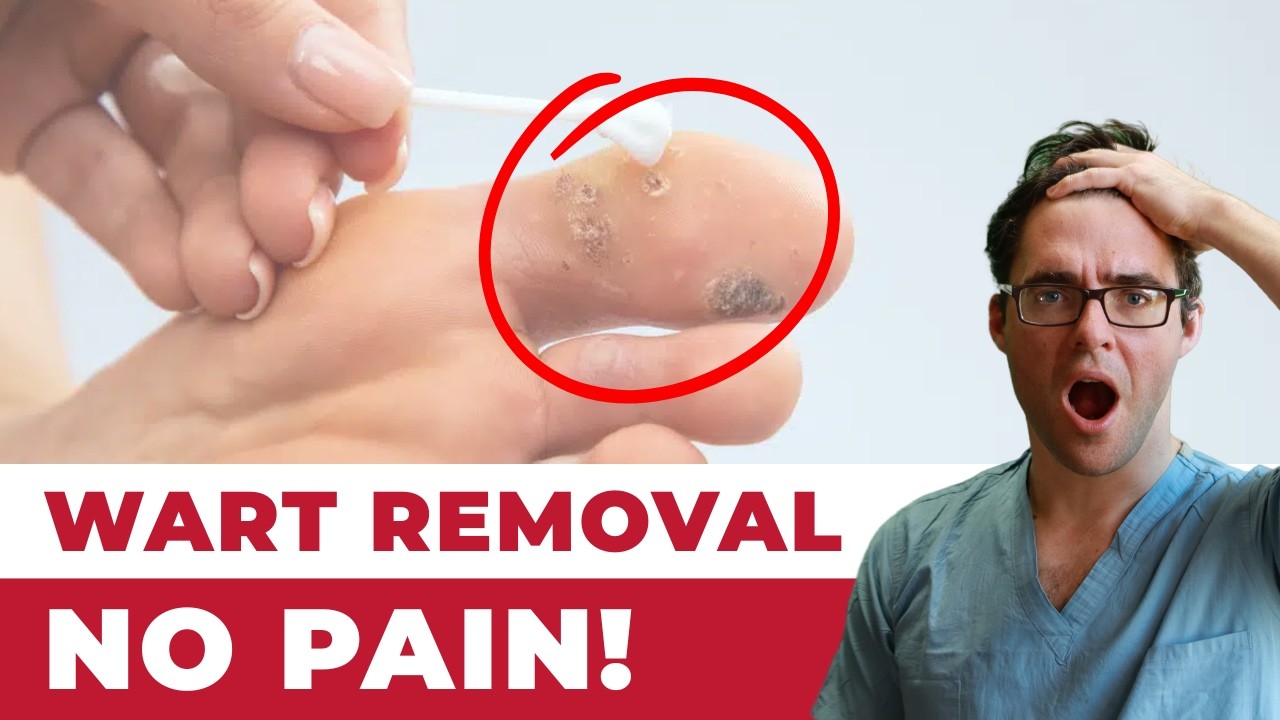
Watch: Plantar Wart Removal: How to Get Rid of a Foot Wart with No PAIN! — MichiganFootDoctors YouTube
The most important clinical decision with Plantar Wart Treatment Podiatrist isn’t which treatment to start with — it’s identifying the correct subtype. That changes everything. Call (810) 206-1402.
What Plantar Warts Are and Why They’re Difficult to Treat
Plantar warts (verruca plantaris) are benign skin growths caused by infection of the plantar foot skin with human papillomavirus (HPV)—typically types 1, 2, 4, 27, and 57. HPV invades through small breaks in the plantar skin, typically acquired through barefoot contact with contaminated surfaces (locker rooms, pools, communal showers). The viral DNA integrates into the host keratinocytes, causing them to proliferate abnormally.
Unlike warts elsewhere on the body, plantar warts grow inward (endophytic) due to the constant pressure from weight-bearing. The result is a thickened, callus-covered lesion that is tender with direct pressure and side-to-side pinching (distinguishing it from callus, which is painful primarily with direct pressure but not pinching). Examination after paring reveals the pathognomonic finding: small hemorrhagic dots (thrombosed capillaries) in a pattern unlike the parallel skin lines of normal plantar skin.
Plantar warts are notoriously difficult to treat for several reasons: the thick stratum corneum of the plantar skin limits penetration of topical antiviral agents; the plantar location means constant traumatic inoculation from walking; the HPV evades immune surveillance effectively (no systemic HPV antibody response develops); and the plantar wart creates a reservoir of viral particles in the shed keratinocytes, re-infecting surrounding skin if not fully eradicated.
Over-the-Counter Versus Professional Treatments
OTC treatments: salicylic acid (up to 40% in pads or liquid) is the most evidence-based OTC option, with cure rates of 50–70% in clinical trials for accessible warts. Requires consistent daily application for 12+ weeks, regular debridement of macerated tissue, and high patient compliance. OTC cryotherapy (dimethyl ether sprays) achieves temperatures insufficient to destroy viral tissue on the plantar foot—temperatures of -50°C or below are needed; OTC products reach only -15°C to -20°C. Their effectiveness for plantar warts is minimal.
Professional treatments: in-office liquid nitrogen cryotherapy (reaching -196°C at the application point) creates full-thickness plantar tissue destruction sufficient to eliminate the viral reservoir. Protocol: pare overlying callus, apply liquid nitrogen for 10–20 seconds, allow thaw, repeat 2–3 cycles per session. Repeat every 2–4 weeks. Average cure rate: 60–75% with consistent treatment courses. Swift microwave therapy is a newer modality achieving higher temperatures in the viral tissue than cryotherapy and showing 80–85% cure rates in clinical trials.
Additional professional options: salicylic acid under occlusion at high concentration (professional-grade, combined with cryotherapy); intralesional bleomycin injection (chemotherapy agent injected directly into the wart—effective but associated with significant post-treatment pain); immunotherapy (intralesional candida antigen or other immune stimulants to promote local immune response against HPV); and surgical curettage under local anesthesia (effective but associated with painful scar formation at a weight-bearing site).
Practical Management and Prevention
Multi-modal treatment typically achieves better results than any single modality alone. The combination of professional cryotherapy or Swift therapy with home salicylic acid application between visits produces higher cure rates than either alone.
Patient expectations: plantar warts in adults often require 6–12 treatment sessions over 3–6 months. Recurrence after apparent cure occurs in approximately 20–30% of cases. Children’s immune systems typically mount a more effective response—many children’s warts resolve spontaneously within 2 years without treatment, but treatment is appropriate if the wart is painful or enlarging.
Prevention: wear protective footwear (flip-flops or sandals) in locker rooms, pool areas, and communal showers. Keep feet dry—moisture softens the stratum corneum and supports HPV entry. Don’t share towels or socks with infected individuals. Address any wart promptly before it seeds surrounding skin.
Dr. Tom's Product Recommendations
✅ Pros / Benefits
- Professional cryotherapy and Swift microwave therapy achieve 60-85% cure rates superior to OTC treatments
- Multi-modal treatment (professional + home salicylic acid) produces better results than single modality
❌ Cons / Risks
- OTC cryotherapy products are ineffective for plantar warts—temperatures reached are insufficient to destroy plantar viral tissue
Dr. Tom Biernacki’s Recommendation
Plantar warts are one of the most frustrating conditions for both patients and practitioners. Patients often come to me after using OTC products for months without success—and the reason those products fail is that the OTC spray canisters simply don’t get cold enough to destroy tissue on the thick plantar skin. Swift therapy has been the biggest advance I’ve seen in plantar wart treatment in years: the microwave energy penetrates deeper and activates a stronger immune response, and the cure rates are significantly better than liquid nitrogen alone.
— Dr. Tom Biernacki, DPM | Board-Certified Podiatric Surgeon | Balance Foot & Ankle
Frequently Asked Questions
Why won’t my plantar wart go away with OTC treatment?
OTC cryotherapy sprays don’t reach the temperatures needed to destroy plantar tissue. Salicylic acid can work but requires 12+ weeks of consistent daily application. Professional treatment with in-office liquid nitrogen or Swift microwave therapy is substantially more effective.
Are plantar warts contagious?
Yes—HPV is transmitted through direct contact with the virus, typically in moist barefoot environments. Wearing protective footwear in communal areas significantly reduces transmission risk.
Do plantar warts go away on their own?
In children, plantar warts often resolve spontaneously over 1–2 years as the immune system responds. In adults, spontaneous resolution is less common—treatment is generally recommended for painful or enlarging warts.
Michigan Foot Pain? See Dr. Biernacki In Person
4.9★ rated | 1,123 Reviews | 3,000+ Surgeries
Same-week appointments · Howell & Bloomfield Township
📞 (810) 206-1402 Book Online →In-Office Treatment at Balance Foot & Ankle
If home treatment isn’t providing relief for your plantar wart, our podiatry team at Balance Foot & Ankle can help with same-day evaluations and advanced in-office care.
Same-day appointments available. (810) 206-1402
Doctor Hoy’s Natural Pain Relief Gel
Natural topical pain relief I use in our clinic. Arnica + camphor formula — apply directly to the area 3–4x daily. ($20–25)
Shop Doctor Hoy’s →Frequently Asked Questions
How long does treatment take to work?
Most patients see improvement in 4-8 weeks with consistent conservative care. Persistent symptoms after 8 weeks need imaging and escalation.
When is surgery needed?
Surgery is reserved for cases that fail 3-6 months of conservative care, structural deformities, or fractures requiring stabilization.
American Academy of Dermatology: Warts
Is this covered by insurance?
Most diagnostic visits and conservative treatments are covered by Medicare and major insurers. Custom orthotics often require diabetic or post-surgical justification.
Get Expert Care at Balance Foot & Ankle
Same-week appointments at our Howell and Bloomfield Township offices. Board-certified podiatric surgeons. Most insurance accepted.

Dr. Tom Biernacki, DPM is a board-certified foot & ankle surgeon (ABFAS & ABPM) at Balance Foot & Ankle Specialists in Southeast Michigan. With over a decade of clinical experience, he specializes in heel pain, bunions, diabetic foot care, sports injuries, and minimally invasive surgery. Dr. Biernacki is a member of the APMA and ACFAS, and his patient education content on MichiganFootDoctors.com and YouTube has made him one of the most-followed foot & ankle educators on YouTube.