
The most important clinical decision with Sweaty Feet isn’t which treatment to start with — it’s identifying the correct subtype. That changes everything. Call (810) 206-1402.
Sweaty Feet (Plantar Hyperhidrosis): Severity Grading and Treatment by Stage
Plantar hyperhidrosis — excessive sweating of the feet — affects an estimated 3% of the population and is one of the most undertreated foot conditions in primary care. The reason most patients suffer for years: topical antiperspirants are applied incorrectly, and the clinical hierarchy of treatment (from aluminum chloride to iontophoresis to botulinum toxin to ETS surgery) is rarely explained. Here is the evidence-based grading system and corresponding treatment ladder.
| Severity Grade | Definition | Clinical Features | Impact on Daily Life | First-Line Treatment | When to Advance Treatment |
|---|---|---|---|---|---|
| Grade 1 — Mild | Sweating is noticeable but tolerable; does not interfere with daily activities; socks may be damp by end of day | Moist soles with minimal visible sweating; no maceration between toes; minimal odor; no fungal superinfection | Mild self-consciousness; occasional sock change; no activity restriction | Over-the-counter 12-15% aluminum chloride (Certain Dri, Drysol OTC); applied to completely dry feet at night; cover with socks; wash off in morning; 3-7 nights until controlled, then 1-2×/week maintenance | If not controlled after 4 weeks of consistent OTC aluminum chloride → Grade 2 protocol |
| Grade 2 — Moderate | Sweating interferes with daily activities; socks and shoes are noticeably wet; may have to change socks 1-2× per day; visible sweat droplets | Visible beading or pooling of sweat on soles; maceration between toes common; tinea pedis superinfection frequent; odor significant; shoe saturation; slippage in shoes | Activity restriction (avoids sandals, certain shoes); social embarrassment; occupational impact for standing workers; foot odor affecting relationships | Prescription aluminum chloride 20% (Drysol, Hypercare) — applied to completely dry feet (hairdryer recommended) at night under occlusion (plastic wrap or gloves); 3-5 nights consecutively then 1×/week maintenance; treat concurrent tinea pedis with antifungal | If Grade 2 protocol fails after 6-8 weeks → iontophoresis |
| Grade 3 — Severe | Sweating severely limits daily functioning; constant wet socks; slipping out of shoes; significant odor; may have skin breakdown from maceration | Constant visible sweating regardless of temperature or activity; skin maceration with fissuring between toes; recurrent tinea pedis or bacterial superinfection; significant foot odor; shoe destruction from moisture | Cannot wear open shoes or sandals ever; occupational limitations; social isolation from odor; significant psychological burden; interference with physical activity | Iontophoresis — low-level electrical current (15-20 mA) passed through water-soaked foot trays for 20-30 minutes, 3×/week × 2-4 weeks; reduces eccrine sweat gland output by polarizing gland cells; requires consistent use; home devices (Drionic, RA Fischer) available after initial prescription guidance | If iontophoresis fails or patient cannot comply → botulinum toxin injections |
| Grade 4 — Incapacitating | Hyperhidrosis is debilitating; severe skin breakdown; constant infection; cannot perform normal activities; significant psychological comorbidity (social phobia, depression) | Continuous dripping sweat; recurrent cellulitis or severe tinea; skin breakdown and ulceration from maceration; complete inability to wear normal footwear | Cannot work or perform activities of daily living normally; requires daily wound care; significant depression or social phobia requiring concurrent mental health care | Botulinum toxin (Botox) injections into the plantar surface — 100-200 units per foot; 50-100 injection points at 1-2cm intervals; highly effective (80-90% reduction); requires topical anesthetic or nerve block; duration 4-6 months; repeat injections required; covered by most insurance with prior auth | If botulinum toxin fails or patient refuses repeat injections → ETS surgery consultation (thoracic endoscopic sympathectomy); last resort due to compensatory hyperhidrosis risk |
Sweaty Feet Treatment Comparison: Evidence, Efficacy, and Cost
| Treatment | Efficacy | Duration of Effect | Cost | How It Works | Key Limitation |
|---|---|---|---|---|---|
| Aluminum chloride 12-20% (OTC and prescription) | 60-70% of patients achieve adequate control with Grade 1-2 disease; less effective for severe plantar (plantar skin is thicker than palmar/axillary) | Effect maintained with 1-2×/week maintenance; stops when discontinued | OTC: $8-20; Rx (20%): $20-40; minimal ongoing cost | Aluminum ions enter eccrine sweat gland ducts → mechanical plugging → gland atrophy with continued use; works best applied to completely dry skin under occlusion | Plantar skin requires more aggressive application than axillary; skin irritation common; may not be sufficient for Grade 3-4; must be applied to DRY skin or chemical burns possible |
| Iontophoresis (tap water) | 70-85% achieve clinically significant improvement with consistent treatment; highly effective for moderate-severe cases refractory to aluminum chloride | 4-8 week induction (3×/week sessions); maintenance 1-2×/week; sustained with compliance | Office sessions: $30-60/session; Home device: $400-600 one-time (Drionic, RA Fischer); usually covered by insurance with Rx | Direct electrical current passed through water creates ion concentration that disrupts eccrine sweat gland function; mechanism not fully understood but clinically well-validated since 1952 | Time-intensive (20-30 min/session, 3×/week); cannot use with pacemakers, metal implants in extremities, or during pregnancy; requires ongoing compliance — sweating returns within weeks of stopping |
| Botulinum toxin A (Botox) injections | 80-90% of patients achieve >50% reduction in sweating; most effective single treatment for severe plantar hyperhidrosis | 4-6 months per injection session; requires repeat treatment 2-3×/year for sustained control | $400-1000 per foot per session out of pocket; insurance often covers with hyperhidrosis ICD-10 code (L74.510) and prior authorization | Botulinum toxin A blocks acetylcholine release at the neuromuscular junction of eccrine sweat glands → gland paralysis; takes 1-2 weeks for full effect after injection | Plantar injections are painful — topical anesthetic alone often insufficient; nerve block (tibial nerve) or ice analgesia recommended; not permanent; cost/compliance barrier; bruising and transient weakness in intrinsic muscles possible |
| Anticholinergic medications (glycopyrrolate, oxybutynin) | 50-70% effective; useful as bridge therapy or adjunct to topical treatments; glycopyrrolate 1-2mg BID or oxybutynin 2.5-5mg QD | Effect while taking medication; systemic treatment | Generic glycopyrrolate: $15-40/month; oxybutynin: $10-30/month | Systemic anticholinergic effect reduces eccrine gland secretion throughout body — reduces sweating systemically, not just plantarly | Systemic side effects: dry mouth (most common), urinary retention, constipation, blurred vision, cognitive effects; not appropriate for patients with glaucoma, BPH, or elderly patients; treats all sweating including normal thermoregulation |
| ETS surgery (endoscopic thoracic sympathectomy) | 90%+ efficacy for palmar hyperhidrosis; less effective and less commonly used for plantar (lumbar sympathectomy required for plantar — higher risk) | Permanent — surgical disruption of sympathetic chain | $3,000-8,000; insurance coverage variable | Surgical interruption of sympathetic nerve chain that controls eccrine gland activity; for plantar: lumbar sympathectomy (T12-L2); higher complication profile than thoracic approach | Compensatory hyperhidrosis (sweating becomes worse in untreated areas — trunk, thighs) occurs in 30-80% of patients; some find compensatory sweating worse than original problem; considered last resort by most dermatologists and podiatrists |

Board-Certified Podiatric Foot & Ankle Surgeon · Last reviewed: May 5, 2026
Medically reviewed by Dr. Tom Biernacki, DPM
Board-certified podiatric surgeon | Balance Foot & Ankle
Last reviewed: April 2026
Table of Contents
- What Is Plantar Hyperhidrosis?
- Symptoms & Impact
- Causes & Risk Factors
- Complications
- Diagnosis
- Treatment Options
- Recommended Products
- When to See a Doctor
- Common Mistakes
- Frequently Asked Questions
- The Bottom Line
Excessively sweaty feet are far more than a cosmetic or social inconvenience. In our clinic at Balance Foot & Ankle, we regularly see patients who have been embarrassed by this condition for years — removing their shoes reluctantly, soaking through socks within hours, and struggling with recurrent fungal infections — who had no idea that effective medical treatments exist. Plantar hyperhidrosis (from the Greek “hyper” meaning excessive and “hidrosis” meaning sweating) is a legitimate medical condition with real treatment options, and no one should feel they simply have to live with it.

What Is Plantar Hyperhidrosis?
Plantar hyperhidrosis is defined as sweating from the soles of the feet that exceeds what is physiologically necessary for thermoregulation. The feet contain approximately 250,000 eccrine sweat glands — the highest concentration per unit area of any part of the body — and in hyperhidrosis, these glands are chronically overactivated by the sympathetic nervous system, producing sweat even in the absence of heat or exercise. The condition can occur in isolation on the feet (focal hyperhidrosis) or as part of a pattern involving multiple areas simultaneously — palms, axillae (armpits), and face are commonly affected together with the feet (generalized hyperhidrosis).
Primary focal hyperhidrosis — the most common form — is a benign neurological condition with no identifiable underlying medical cause. It tends to run in families, typically begins in childhood or adolescence, and is significantly aggravated by emotional stress. Secondary hyperhidrosis occurs as a result of an underlying medical condition (hyperthyroidism, diabetes, menopause, infection, medication side effects) and is an important diagnostic consideration, particularly in adults with new-onset excessive sweating. Distinguishing primary from secondary hyperhidrosis is one of the first steps in our evaluation.
Symptoms & Impact of Sweaty Feet
The symptoms of plantar hyperhidrosis extend well beyond simply having wet feet. The social, psychological, and dermatological consequences of chronic excessive foot sweating significantly affect quality of life — in ways that are often underappreciated by practitioners who haven’t evaluated this condition carefully.
- Constant or near-constant foot dampness: Wet socks within 30–60 minutes of putting on shoes, regardless of activity level or temperature
- Visible sweating: Sweat dripping from feet when barefoot; wet footprints left on floors
- Foot odor (bromhidrosis): Bacteria that thrive in moist environments produce odorous compounds — the foot odor of hyperhidrosis is distinctly more pronounced than normal post-exercise perspiration
- Maceration: Skin softening and whitening (particularly between the toes) from chronic moisture exposure, creating portals of entry for fungal and bacterial infection
- Slipping within shoes: Excessive moisture reduces grip between foot and shoe interior, causing the foot to slide with each step — altering gait mechanics and creating blister risk
- Shoe damage and rapid deterioration: Chronic moisture exposure accelerates breakdown of shoe linings, insoles, and uppers — patients report shoes lasting only months rather than years
- Social anxiety and avoidance: Many patients avoid situations requiring shoe removal (yoga, martial arts, certain workplaces, home visits) due to embarrassment
- Recurrent skin infections: Athlete’s foot (tinea pedis), bacterial toe web infections, and soft tissue infections occur at higher rates in hyperhidrosis patients
In quality-of-life studies, hyperhidrosis patients consistently report impairment comparable to severe psoriasis or eczema in daily function, emotional wellbeing, and social interactions. This is not a minor cosmetic complaint — it is a condition that genuinely impacts lives, and effective treatment has the potential to be significant.
Causes & Risk Factors
The fundamental mechanism of primary plantar hyperhidrosis is overactivity of the sympathetic nervous system’s cholinergic innervation of eccrine sweat glands. In normal physiology, the sympathetic nervous system activates sweat glands in response to heat or exercise to cool the body. In hyperhidrosis, this signaling is dysregulated — glands receive excessive cholinergic stimulation even at rest, particularly in response to emotional stress, anxiety, or environmental triggers.
Genetics play a substantial role. Studies show that 30–50% of primary hyperhidrosis patients have a positive family history of the condition. The mode of inheritance appears to be autosomal dominant with variable penetrance — meaning it passes through families but doesn’t affect every member equally. Identical twin studies show higher concordance rates than fraternal twins, strongly supporting a genetic basis. If a parent has hyperhidrosis, each child has approximately a 1-in-2 chance of developing it.
Emotional triggers are perhaps the most characteristic feature of primary hyperhidrosis. Anxiety, stress, public speaking, interpersonal interactions, and even anticipation of potential sweating episodes all powerfully activate sweating in affected individuals. This creates a self-reinforcing cycle: the patient sweats in social situations, becomes anxious about the sweating, which triggers more sweating, which increases anxiety. Many of our patients describe developing social anxiety secondary to the hyperhidrosis itself.
Secondary causes to rule out include: hyperthyroidism (excess thyroid hormone stimulates sweating), diabetes mellitus (neuropathy can cause asymmetric sweating patterns), menopause (hot flashes with sweating), medication side effects (SSRIs, beta-blockers, opioids, tricyclics), lymphoma and other malignancies (night sweats with constitutional symptoms), infection (HIV, tuberculosis), and neurological conditions (Parkinson’s disease, spinal cord injury). Any adult with new-onset excessive sweating, particularly with constitutional symptoms (unintentional weight loss, fever, night sweats, fatigue), requires thorough medical evaluation before attributing it to primary hyperhidrosis.
Complications of Untreated Sweaty Feet
Left unmanaged, plantar hyperhidrosis creates a chronically moist environment that significantly increases the risk of several secondary conditions we regularly treat alongside the sweating itself.
Tinea pedis (athlete’s foot) is the most common complication. The fungi responsible — primarily Trichophyton rubrum and T. mentagrophytes — thrive in warm, moist environments and readily colonize macerated interdigital skin. Hyperhidrosis patients may experience recurrent tinea pedis despite appropriate antifungal treatment because the underlying moisture problem is not being addressed. Treating hyperhidrosis is often the key to finally breaking the cycle of recurrent fungal infections.
Onychomycosis (toenail fungus) develops when tinea pedis spreads to the toenails, causing thickening, discoloration, and brittleness. Nail fungus is significantly harder to treat than skin fungus and carries a high recurrence rate in patients with ongoing plantar hyperhidrosis. We address both conditions simultaneously in our practice — treating the nail fungus while managing the hyperhidrosis to prevent reinfection.
Pitted keratolysis is a bacterial infection caused by Corynebacterium and Kytococcus species that produces characteristic small pits across the weight-bearing surface of the heel and ball of foot, along with a distinctive foul odor. It is almost exclusively seen in hyperhidrosis patients and responds well to topical antibiotics once the moisture is controlled. Many patients with particularly malodorous feet who think they just have “bad foot odor” are actually experiencing pitted keratolysis — a treatable condition.
Blisters and skin breakdown occur because moist skin has dramatically reduced friction tolerance — the shear forces of walking that normal dry skin handles easily cause blister formation in persistently wet feet. This is particularly problematic for athletes and workers who spend long hours on their feet in enclosed footwear.
Diagnosis
The diagnosis of plantar hyperhidrosis is primarily clinical — based on patient history, physical examination, and the characteristic pattern of symptoms. However, our evaluation goes beyond simply confirming excessive sweating; we systematically assess for secondary causes, characterize severity, identify complications, and determine which treatment approach is most appropriate for each patient.
We use the Hyperhidrosis Disease Severity Scale (HDSS) — a validated 4-point scale — to quantify functional impairment. Scores of 3 or 4 (sweating that is “barely tolerable” or “intolerable” and frequently interferes with daily activities) indicate severe hyperhidrosis that warrants aggressive treatment, including procedural or systemic options. Scores of 1 or 2 typically respond well to topical measures alone.
Laboratory evaluation is guided by the history and examination findings. In patients with features suggesting secondary hyperhidrosis (new onset in adulthood, constitutional symptoms, asymmetric distribution, medication history), we obtain thyroid function tests, fasting glucose, complete blood count, and other targeted studies. In patients with the classic primary hyperhidrosis profile (family history, onset in childhood/adolescence, bilateral and symmetric, emotional triggers), extensive laboratory workup is generally not required.
Treatment Options for Sweaty Feet
Treatment is stepwise, moving from the simplest and least invasive options to more aggressive interventions based on severity and response. The good news is that effective options exist at every level of severity, and most patients achieve meaningful improvement with appropriate treatment selection.
Foot hygiene optimization is the foundation regardless of which additional treatments are used. Washing feet twice daily with antibacterial soap, thoroughly drying between the toes (a hairdryer on low heat is more effective than towel drying for interdigital spaces), rotating footwear to allow 24+ hours drying between wears, and using foot powder (talc or cornstarch-based) to absorb moisture throughout the day — these measures alone reduce the consequences of sweating even when they don’t reduce the sweating volume itself.
Moisture-wicking and antibacterial socks represent a significant upgrade from conventional cotton socks for hyperhidrosis patients. Merino wool and synthetic moisture-wicking materials (CoolMax, Drymax) actively draw moisture away from the skin surface, reducing maceration and bacterial overgrowth. Changing socks midday is highly effective for patients in occupations where soaked socks are a daily reality. Copper-infused and silver-threaded socks provide antimicrobial properties that reduce odor-causing bacterial growth.
Topical aluminum chloride antiperspirants are the first-line pharmacological treatment for plantar hyperhidrosis. Prescription-strength aluminum chloride hexahydrate (Drysol, Hypercare, 20% concentration) works by forming a plug in sweat gland ducts that physically blocks sweat secretion. It is applied to completely dry feet at bedtime and washed off in the morning. Initial results require 2–3 applications before the effect becomes apparent; maintenance is typically once or twice weekly. Many patients achieve 50–80% reduction in sweating with consistent use. The main side effect is local irritation — applying to completely dry skin and using a hair dryer briefly before application minimizes this.
Iontophoresis is a non-invasive treatment that uses a mild electrical current to temporarily block eccrine sweat gland function. The patient places their feet in shallow trays of tap water, through which a low-voltage electrical current is passed for 20–30 minutes per session. Initial treatment requires daily sessions for 2–3 weeks, followed by maintenance sessions every 1–4 weeks. Multiple randomized controlled trials demonstrate 50–80% sweat reduction with regular iontophoresis. Home iontophoresis devices (Drionic, Fischer MD-1A) allow long-term self-treatment without ongoing clinic visits — an excellent investment for motivated patients with moderate-to-severe hyperhidrosis.
Botulinum toxin A (Botox) injections into the plantar surface of the feet represent the most effective office-based treatment for severe plantar hyperhidrosis. Botox blocks the release of acetylcholine from sympathetic nerve endings at the sweat gland, eliminating sweat secretion for 4–6 months per treatment. Efficacy rates of 80–90% sweat reduction are consistently reported in the literature. Plantar Botox requires 50–100 units per foot injected at multiple points — more uncomfortable than palmar or axillary injection due to plantar skin density — and we offer nerve blocks or nitrous oxide analgesia to ensure patient comfort. Treatments are repeated every 4–6 months; many patients elect to continue long-term.
Oral anticholinergic medications (glycopyrrolate, oxybutynin) reduce sweating systemically by blocking cholinergic stimulation of all sweat glands throughout the body. They can be effective for severe or generalized hyperhidrosis but carry systemic side effects — dry mouth, blurred vision, urinary retention, constipation — that limit tolerability at doses required for significant sweat reduction. Low-dose oxybutynin (2.5–5 mg daily) has a more favorable side effect profile and is supported by multiple clinical trials. We use systemic anticholinergics selectively for patients with generalized hyperhidrosis or inadequate response to topical and procedural treatments.
Endoscopic thoracic sympathectomy (ETS) is a surgical procedure that permanently interrupts the sympathetic nerve signals driving hyperhidrosis. It is highly effective (95%+ success rates for palmar hyperhidrosis) but carries the significant risk of compensatory hyperhidrosis — excessive sweating in other body areas (typically the trunk and thighs) that develops as a compensatory response after sympathetic chain disruption. For this reason, ETS is generally reserved for severe, refractory palmar hyperhidrosis and is not routinely performed for isolated plantar hyperhidrosis.
Key takeaway: Start with prescription aluminum chloride antiperspirant applied to completely dry feet at bedtime. Add iontophoresis for moderate-to-severe cases. Botox injections provide the most powerful and reliable control for severe plantar hyperhidrosis, lasting 4–6 months per treatment.
Recommended Products for Sweaty Feet
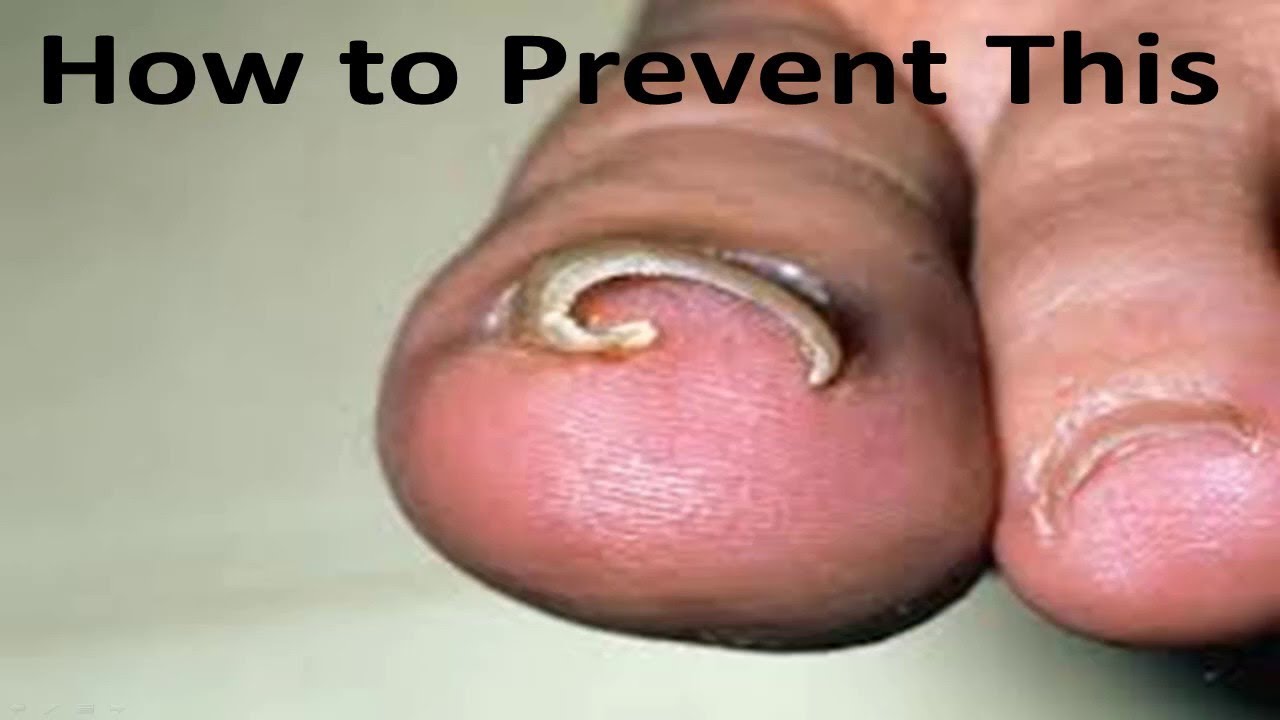
Watch: Foot Sweating & Odor Solutions
When to See a Doctor
⚠️ See a doctor promptly if excessive foot sweating is accompanied by:
- Unintentional weight loss, fever, or night sweats — possible lymphoma, infection, or other systemic disease requiring urgent evaluation
- New onset of sweating in adulthood with no prior history — secondary causes must be ruled out before assuming primary hyperhidrosis
- Signs of skin infection between the toes — redness, pain, foul odor, skin breakdown — bacterial or fungal infections can spread rapidly in immunocompromised patients
- Sweating affecting only one foot or asymmetrically distributed — asymmetric hyperhidrosis suggests a neurological cause requiring evaluation
- Sweating accompanied by heart palpitations, tremor, or heat intolerance — thyroid disease or cardiac condition should be excluded
Most Common Mistakes
The most common mistake is applying aluminum chloride antiperspirant to wet or damp feet. Aluminum chloride reacts with moisture to form hydrochloric acid, which causes significant skin irritation — burning, stinging, redness — without improving efficacy. The correct technique is to apply to completely dry feet (use a hair dryer on low heat after washing if necessary), apply before bed, and wash off in the morning. This simple change in application technique often converts a “doesn’t work” experience into an effective treatment.
The second mistake is exclusively wearing cotton socks. Cotton absorbs moisture effectively initially but rapidly becomes saturated and holds moisture against the skin — exactly the wrong property for hyperhidrosis management. Moisture-wicking synthetic materials or merino wool actively move moisture away from the skin surface and allow it to evaporate, keeping the foot significantly drier throughout the day. This single change often makes a noticeable difference in comfort, odor, and skin health.
Third: not seeking professional evaluation for what seems like a purely social problem. Many patients endure years of embarrassment, recurrent skin infections, and reduced quality of life without knowing that a podiatrist or dermatologist can offer highly effective treatments up to and including Botox injections. Plantar hyperhidrosis is a medical condition that responds to medical treatment — it is not something you simply have to accept.
Frequently Asked Questions
Why do my feet sweat so much even when I’m not hot?
Excessive foot sweating at rest or in cool conditions — independent of temperature or exercise — is the hallmark of primary plantar hyperhidrosis. In this condition, the sympathetic nervous system overactivates eccrine sweat glands in response to emotional triggers (stress, anxiety, anticipation) rather than thermoregulatory need. The glands are structurally normal; they are simply receiving too much neural stimulation. This explains why the sweating often worsens in socially demanding situations and why patients may sweat less during physical exercise (when the body’s overall thermoregulatory response overrides the localized sympathetic excess) than during emotionally stressful rest.
Does Botox for feet hurt?
Botox injections in the plantar foot are more uncomfortable than in other locations because plantar skin is thick and densely innervated. However, with appropriate pain management, the procedure is very well tolerated. We offer topical anesthetic cream applied 30–45 minutes before injection, local nerve blocks, vibration analgesia, and nitrous oxide sedation for patients with significant anxiety. Most patients who were initially reluctant due to pain concerns describe the actual procedure as much more manageable than anticipated and readily return for repeat treatment when the effect wears off — the clearest indicator that the treatment experience was acceptable.
How effective is iontophoresis for sweaty feet?
Iontophoresis is effective in 80%+ of patients with plantar hyperhidrosis who use it consistently as prescribed. The key limitation is the time commitment: initial treatment requires 20–30 minute sessions daily or every other day for 2–3 weeks before results are achieved, followed by indefinite maintenance sessions every 1–4 weeks. Patients who discontinue iontophoresis typically return to baseline sweating within 4–8 weeks. The investment in a home device — which costs $150–$700 — pays for itself rapidly relative to the alternative of ongoing Botox treatments and makes long-term self-management achievable.
The Bottom Line
Sweaty feet — plantar hyperhidrosis — is a real, treatable medical condition that affects millions of people and significantly impacts quality of life. Starting with prescription aluminum chloride antiperspirant, upgrading to moisture-wicking socks, and following optimal foot hygiene practices resolves or substantially improves symptoms for most patients. Those with moderate-to-severe hyperhidrosis have excellent options in iontophoresis and Botox injections that provide powerful, lasting control. If foot sweating has been limiting your life, don’t accept it as inevitable — effective help is available.
Sources
- Wolosker N, et al. “A randomized placebo-controlled trial of oxybutynin for the initial treatment of palmar and axillary hyperhidrosis.” Journal of Vascular Surgery. 2012;55(4):1089-1093.
- Hornberger J, et al. “Recognition, diagnosis, and treatment of primary focal hyperhidrosis.” Journal of the American Academy of Dermatology. 2004;51(2):274-286.
- Naumann M, et al. “Botulinum toxin in the treatment of focal, idiopathic hyperhidrosis.” British Journal of Dermatology. 2001;145(4):555-562.
- Dolianitis C, et al. “Iontophoresis with glycopyrrolate for the treatment of palmoplantar hyperhidrosis.” Australasian Journal of Dermatology. 2004;45(4):208-212.
- International Hyperhidrosis Society. “Hyperhidrosis Disease Severity Scale (HDSS).” sweathelp.org. Accessed April 2026.
- Heckmann M, et al. “Botulinum toxin A for axillary hyperhidrosis (excessive sweating).” New England Journal of Medicine. 2001;344(7):488-493.
Tired of Sweaty, Smelly Feet?
Our podiatrists in Howell & Bloomfield Hills offer comprehensive hyperhidrosis evaluation and treatment — from prescription antiperspirants and iontophoresis to Botox injections. Get real relief.
4.9★ | 1,123 Reviews | 3,000+ Surgeries | Same-Day Appointments Available
Or call: (810) 206-1402
When Shoes Aren’t Enough — Dr. Tom’s Top 9 Orthotics
About 30% of patients I see for foot pain need MORE than a great shoe — they need a structured insole. Below: my complete 2026 orthotic ranking with pros, cons, and the specific patient I’d give each one to.
★ DR. TOM’S COMPLETE 2026 ORTHOTIC RANKING
9 Best Prefab Orthotics by Use Case
PowerStep, Currex, Spenco, Vionic, and Superfeet — every orthotic I’ve fitted to thousands of patients across both Michigan offices. Each card includes pros, cons, and the specific patient I’d give it to. Real Amazon ratings, review counts, and prices below.
Best All-Purpose Orthotic for Most Patients
Semi-rigid arch shell + dual-layer cushion + deep heel cup. The orthotic I’ve fitted to more patients than any other for 15 years. APMA-accepted. Trim-to-fit design works in athletic shoes, casual shoes, and most work boots.

✓ Pros
- Semi-rigid arch shell provides true biomechanical correction
- Deep heel cup centers the heel and reduces lateral instability
- Dual-layer cushion (top + bottom) lasts 9-12 months daily wear
- Available in 8 sizes for precise fit
- APMA-accepted and clinically validated
- Lower price than Superfeet Green for equivalent function
✗ Cons
- Too thick for most dress shoes (use ProTech Slim instead)
- Some break-in period required (3-7 days for arch tolerance)
- Not enough correction for severe pes planus or rigid pes cavus
Dr. Tom’s Recommendation: If a patient has run-of-the-mill plantar fasciitis, mild flat feet, or arch fatigue, this is the first orthotic I try. Better value than Superfeet for 90% of patients, which is why I swapped it into our clinic kits three years ago. Sub-$50 typically.
Maximum Motion Control · Flat Feet & Severe Over-Pronation
PowerStep’s most aggressive stability orthotic. Adds a 2°-7° medial heel post on top of the standard PowerStep platform — designed specifically for flat-footed patients and severe pronators who need real corrective force.

✓ Pros
- 2°-7° medial heel post adds aggressive pronation control
- Same trusted PowerStep arch shell, more correction
- Built specifically for flat-foot biomechanics
- Excellent for posterior tibial tendon dysfunction (PTTD)
- Removable top cover for cleaning
✗ Cons
- Too aggressive for neutral-arch patients
- Needs longer break-in (10-14 days) due to stronger correction
- Adds 2-3 mm of stack height — won’t fit slim dress shoes
Dr. Tom’s Recommendation: When a patient comes in with significant flat feet AND symptoms (heel pain, arch pain, knee pain), the Original PowerStep isn’t aggressive enough. The Maxx is what gets prescribed. About 25% of my flat-footed patients end up here.
Low-Profile · Fits Dress Shoes & Narrow Casuals
3 mm slim profile with podiatrist-designed tri-planar arch technology. Engineered specifically to fit inside dress shoes, oxfords, loafers, and women’s flats without crowding the toe box. Vionic was founded by an Australian podiatrist.
✓ Pros
- 3 mm slim profile (vs 7-10 mm for standard orthotics)
- Tri-planar arch technology adds support without bulk
- Built-in deep heel cup despite slim design
- Fits dress shoes WITHOUT having to remove the factory insole
- Trim-to-fit · APMA-accepted
✗ Cons
- Less arch support than full-volume orthotics
- Top cover wears faster than thicker alternatives
- Not enough correction for severe foot deformities
Dr. Tom’s Recommendation: My default when a patient says ‘I need orthotics but I have to wear dress shoes for work.’ Slim enough to fit in oxfords and pumps without the heel sliding out. The single highest-impact change you can make for office workers with foot pain.
Built-In Metatarsal Pad · Morton’s Neuroma · Ball-of-Foot Pain
Standard Pinnacle orthotic with a built-in metatarsal pad positioned proximal to the metatarsal heads — the exact location that offloads neuromas and metatarsalgia. No need for separate met pads or pad placement guesswork.

✓ Pros
- Built-in met pad eliminates DIY pad placement errors
- Specifically designed for Morton’s neuroma + metatarsalgia
- Same trusted PowerStep arch + heel cup platform
- Top cover protects sensitive forefoot skin
- Faster relief than orthotics + add-on met pads
✗ Cons
- Met pad position is fixed (can’t fine-tune individual placement)
- Some patients with very small or very large feet need custom
- Slightly thicker than the standard Pinnacle
Dr. Tom’s Recommendation: If a patient has Morton’s neuroma, sesamoiditis, or generalized ball-of-foot pain (metatarsalgia), this saves a clinic visit and a prescription. The built-in pad placement is anatomically correct for 80% of feet. Way better than DIY met pads.
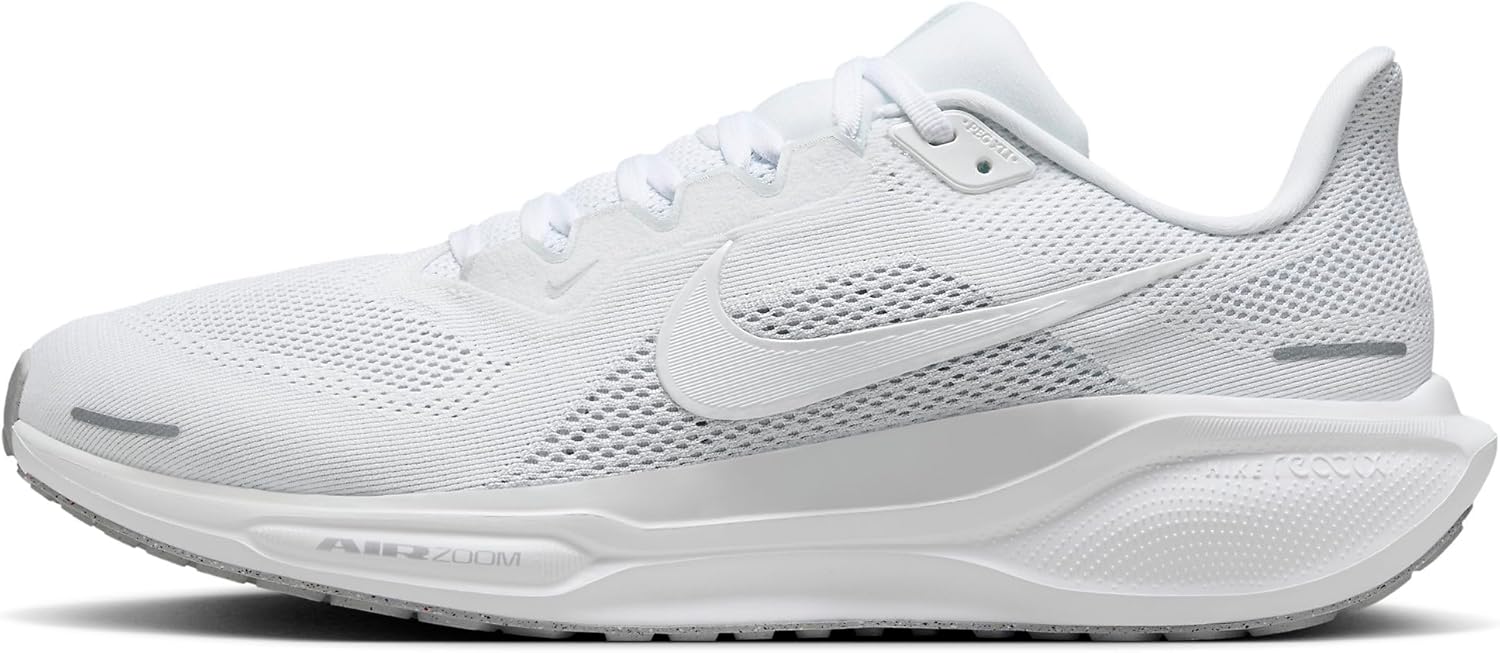
Adaptive Dynamic Arch · Athletic & Daily Wear
Currex’s flagship adaptive arch technology — the orthotic flexes with your gait instead of fighting it. Different stiffness zones along the length give you targeted support at the heel, midfoot, and forefoot. Available in three arch heights (low/medium/high).
✓ Pros
- Dynamic flex zones adapt to natural gait cycle
- Three arch heights ensure precise fit
- Lighter than rigid orthotics (no ‘heavy foot’ feel)
- Excellent for runners and athletic walkers
- European podiatric design (German engineering)
✗ Cons
- More expensive than PowerStep Original ($55-65 typically)
- Less aggressive correction than Pinnacle Maxx for severe cases
- Three arch heights means you must self-select correctly
Dr. Tom’s Recommendation: I started recommending Currex three years ago for runners who said PowerStep felt ‘too rigid.’ The dynamic flex zones respect natural gait. Best for active patients who walk 8K+ steps daily and don’t need maximum motion control.
Running-Specific · Heel Strike + Forefoot Strike Compatible
Currex’s purpose-built running orthotic. The midfoot flex zone is positioned for runner’s gait mechanics, with a flared heel cushion for heel strikers and a forefoot rocker for midfoot/forefoot strikers. Tested on 1000+ runners during product development.

✓ Pros
- Designed by German biomechanics lab specifically for runners
- Dynamic arch flexes with running gait (not static like PowerStep)
- Three arch heights (low/medium/high)
- Reduces overuse injury risk in mid-distance runners
- Lightweight (no impact on cadence)
✗ Cons
- Premium price ($60-75)
- Not aggressive enough for severe over-pronators (use Pinnacle Maxx)
- Runner-specific design = less ideal for daily walking shoes
Dr. Tom’s Recommendation: If a patient runs 20+ miles per week and has plantar fasciitis or shin splints, this is the orthotic I prescribe. The dynamic flex zones respect running biomechanics in a way that no rigid PowerStep can match. Pricier but worth it for serious runners.
Cavus Foot & High-Arch Patients
Polyurethane base with a deeper heel cup and higher arch profile than PowerStep — built for cavus (high-arched) feet that need maximum cushion and support. The 5-zone cushioning system addresses the unique pressure points of high-arch feet.

✓ Pros
- Deeper heel cup centers the heel for cavus foot stability
- Higher arch profile fills the void under high arches
- 5-zone cushioning addresses cavus foot pressure points
- Polyurethane base lasts 12+ months
- Available in Wide width
✗ Cons
- Too tall/aggressive for normal or low arches
- Won’t fit slim dress shoes
- Pricier than PowerStep Original
- Some patients find the arch height uncomfortable initially
Dr. Tom’s Recommendation: Cavus foot patients are often misdiagnosed and given low-arch orthotics — that makes everything worse. Spenco’s Total Support has the arch profile that high-arch feet actually need. About 15% of my patients have cavus feet; this is what they wear.
Cushion Layer · Standing All Day · Gel Pressure Relief
NOT a true biomechanical orthotic — this is a cushion insole. But for patients who want gel pressure relief instead of arch correction (or to add ON TOP of factory insoles in work boots), this is the best gel option on Amazon.

✓ Pros
- Genuine gel cushioning (not foam pretending to be gel)
- Targeted gel waves under heel and ball of foot
- Trim-to-fit · works in most shoe types
- Sub-$15 price (most affordable option in this list)
- Massaging texture is genuinely soothing
✗ Cons
- ZERO arch support — this is cushion only
- Won’t fix plantar fasciitis or flat-foot issues
- Compresses faster than PowerStep (4-6 months)
- Top cover wears through in high-mileage applications
Dr. Tom’s Recommendation: I recommend these to patients who tell me ‘I just want my feet to stop hurting at the end of my shift’ and who don’t have a biomechanical issue. Construction workers, factory workers, retail. Pure cushion does the job for them.
Tight-Fitting Shoes · Cycling Shoes · Hockey Skates
Superfeet’s slim version of their famous Green insole. The trademark stabilizer cap is preserved but the overall thickness is reduced — works in cycling shoes, hockey skates, ski boots, and other tight-fitting footwear that the standard Superfeet Green can’t fit into.

✓ Pros
- Stabilizer cap centers the heel (Superfeet’s signature feature)
- Slim profile fits tight athletic footwear
- Lasts 12+ months daily wear
- Excellent for cycling shoes specifically
- Built-in odor-control treatment
✗ Cons
- Premium price ($45-55)
- Less cushion than PowerStep equivalents
- Not as aggressive correction as Pinnacle Maxx for flat feet
- The signature ‘heel cup feel’ takes 1-2 weeks to adapt to
Dr. Tom’s Recommendation: If you’re a cyclist with foot numbness, hot spots, or knee pain — this is the orthotic. The stabilizer cap solves cycling-specific biomechanical issues that no other orthotic addresses. Worth the premium for athletes.
None of these solving your foot pain?
Some patients (about 30%) need custom-molded prescription orthotics. We make 3D-scanned custom orthotics in our Howell and Bloomfield Hills offices — specifically built for your foot mechanics.
Schedule a Custom Orthotic Fitting →FSA/HSA eligible · Most insurance accepted · (810) 206-1402
Schedule Your sweaty feet Visit at Balance Foot & Ankle
Two convenient locations in Michigan see same-week appointments:
- Howell office — 4330 E Grand River Ave, Howell, MI 48843
- Bloomfield Hills office — 43494 Woodward Ave #208, Bloomfield Hills, MI 48302
Frequently Asked Questions

When should I see a podiatrist?
If symptoms persist past 2 weeks, affect your normal activity, or are accompanied by red-flag symptoms (warmth, redness, swelling, inability to bear weight).
What does treatment cost?
Most diagnostic visits and conservative treatments are covered by Medicare and major insurers. Out-of-pocket costs vary by your specific plan.
How quickly can I get an appointment?
Most non-urgent cases see us within 5 business days. Urgent cases (sudden pain, possible fracture) typically same or next business day.
![Peripheral Neuropathy Home Remedies [Leg & Foot Nerve Pain Treatment]](https://www.michiganfootdoctors.com/wp-content/cache/flying-press/3b37618682a86225c936511340d993d0.jpg)
Foot pain typically responds best to early podiatrist evaluation, conservative treatments such as supportive footwear and targeted physical therapy, and—when needed—custom orthotics or in-office procedures. Most patients see meaningful improvement within 4-6 weeks of starting a structured treatment plan. Schedule an evaluation at our Howell or Bloomfield Hills office for a clinical assessment.
What is Foot pain?
Foot pain is a common foot/ankle condition that affects mobility and quality of life. Understanding the underlying cause is the first step in successful treatment. Our podiatrists at Balance Foot & Ankle perform a hands-on biomechanical exam, review your activity history, and use diagnostic imaging when appropriate to identify the root cause—not just treat the symptom. Many patients have been told to “rest and ice” without a deeper diagnostic workup; our approach is different.
Symptoms and warning signs
Common signs of foot pain include pain that worsens with activity, morning stiffness, swelling, tenderness when palpated, and difficulty bearing weight. If you experience sudden severe pain, inability to walk, visible deformity, numbness or color change, contact our office the same day or visit urgent care—these can signal a more serious injury such as a fracture, tendon rupture, or vascular compromise. Diabetics with any foot wound should seek same-day care.
Conservative treatment options
Most cases of foot pain respond to non-surgical care: structured rest, supportive footwear changes, custom orthotics, targeted stretching and strengthening protocols, anti-inflammatory medications when medically appropriate, and in-office procedures such as ultrasound-guided injections. We also offer advanced therapies including MLS laser therapy, EPAT/shockwave, regenerative injections, and image-guided procedures. Treatment is sequenced from least invasive to most invasive, and we explain the rationale at every step.
When is surgery considered?
Surgery is reserved for cases that fail 3-6 months of well-structured conservative care, when there is structural pathology (severe deformity, complete tear, advanced arthritis), or when imaging shows damage that will not heal without intervention. Our surgeons have performed 3,000+ foot and ankle procedures and prioritize minimally-invasive techniques whenever appropriate. We discuss recovery timelines, return-to-activity milestones, and realistic outcome expectations before any procedure is scheduled.
AAD: Hyperhidrosis (Sweaty Feet)
Recovery timeline and prevention
Recovery from foot pain varies based on severity and chosen treatment path. Conservative cases often improve within 4-8 weeks with consistent adherence to the protocol. Post-procedural recovery may range from a few days (in-office procedures) to several months (reconstructive surgery). Long-term prevention involves footwear assessment, activity modification, structured strengthening, and regular check-ins with your podiatrist if you have a history of recurrence. We provide written home-exercise plans and digital follow-up support.
Ready to feel better?
Same-week appointments available in Howell and Bloomfield Hills, Michigan.
Book Your Visit🧦 No-Show Liner: Ideal for Sweaty Feet
Moisture-wicking no-show liners are one of the most overlooked tools for managing hyperhidrosis of the feet. FLAT SOCKS stay hidden in dress shoes and low-cut sneakers while pulling sweat away from skin — reducing maceration, odor, and the bacterial load that drives foot funk. I recommend these to patients who can’t get away with visible socks at work.
Shop FLAT SOCKS No-Show Liners → | ~$12–18 via Foundation Wellness
Affiliate disclosure: As an Amazon Associate and Foundation Wellness partner, we earn from qualifying purchases at no extra cost to you.
Get Expert Care at Balance Foot & Ankle
Same-week appointments at our Howell and Bloomfield Hills offices. Board-certified podiatric surgeons. Most insurance accepted.
📋 Dr. Tom Biernacki, DPM, FACFAS answers:
Hyperhidrosis of the feet (plantar hyperhidrosis) is caused by overactive eccrine sweat glands responding to emotional stimuli, heat, or physical activity — the feet have the highest density of sweat glands in the body (approximately 250,000 per foot). The condition often runs in families and usually begins in adolescence. Effective treatments, from least to most invasive: (1) aluminum chloride hexahydrate 20% solution applied to dry feet nightly for 2 weeks then weekly — this is the most effective OTC/prescription topical and works by mechanically blocking sweat gland ducts; (2) Iontophoresis — passing a mild electrical current through water into the feet 3× weekly — reduces sweating in 80% of patients with consistent use; (3) Botulinum toxin (Botox) injections into the soles provide 4–6 months of dramatic dryness — highly effective but requires repeat treatment; (4) prescription oral anticholinergics for severe cases; (5) surgical sympathectomy reserved for extreme refractory cases due to irreversible side effects. Combining aluminum chloride with daily foot powder and shoe rotation addresses both the sweating and the secondary odor and fungal risk.

Dr. Tom Biernacki, DPM is a board-certified foot & ankle surgeon (ABFAS & ABPM) at Balance Foot & Ankle Specialists in Southeast Michigan. With over a decade of clinical experience, he specializes in heel pain, bunions, diabetic foot care, sports injuries, and minimally invasive surgery. Dr. Biernacki is a member of the APMA and ACFAS, and his patient education content on MichiganFootDoctors.com and YouTube has made him one of the most-followed foot & ankle educators on YouTube.