
Medically reviewed by Dr. Tom Biernacki, DPM
Board-certified podiatric surgeon | Balance Foot & Ankle, Howell & Bloomfield Hills, MI
Last reviewed: May 2026

Quick answer: Synovitis is a common foot/ankle topic that affects many patients. The 2026 evidence-based approach combines proper diagnosis, conservative-first treatment, and escalation only when needed. We treat this regularly at our Howell and Bloomfield Hills practices. Call (810) 206-1402.
When the joints in the ball of your foot are swollen, warm, and aching — especially in the morning or after activity — you may have synovitis. It’s one of the most frequently overlooked diagnoses in foot pain, often dismissed as ‘just metatarsalgia’ when it actually requires specific treatment to avoid progressive joint damage.
Here’s exactly what foot synovitis is, how it’s diagnosed, and what actually works to treat it.
The most important clinical decision with Synovitis isn’t which treatment to start with — it’s identifying the correct subtype. That changes everything. Call (810) 206-1402.
What Is Synovitis?
Every joint in the body is lined with a specialized tissue called the synovial membrane (synovium). The synovium produces synovial fluid — the joint’s natural lubricant and shock absorber. When the synovium becomes inflamed, it thickens, produces excess fluid, and releases inflammatory chemicals that damage cartilage and surrounding tissue.
In the foot, synovitis most commonly affects the 2nd metatarsophalangeal joint (the joint at the base of the second toe) — but the 1st MTP (big toe), lesser MTP joints, and ankle joint are also commonly affected. The 2nd MTP is particularly vulnerable because it bears high load and is the most common location for a plantar plate tear.
What Causes Foot Synovitis?
- Overuse and mechanical stress: Repetitive loading of the forefoot — from running, jumping, or prolonged standing — irritates the synovium. A longer 2nd metatarsal (Morton’s toe anatomy) concentrates excessive force at the 2nd MTP.
- Improper footwear: High heels load the forefoot with 2–3× normal pressure; rigid toe boxes prevent normal toe extension during push-off.
- Plantar plate pathology: A tear or strain of the plantar plate — the fibrocartilaginous tissue on the bottom of the MTP joint — is a major cause of 2nd MTP synovitis.
- Rheumatoid arthritis (RA): Synovitis is the primary mechanism of joint destruction in RA. Foot and ankle synovitis affects 90% of RA patients at some point.
- Gout: Uric acid crystals trigger intense synovitis — the ball of the foot can be affected, not just the big toe.
- Psoriatic arthritis, reactive arthritis: Seronegative spondyloarthropathies cause asymmetric, often lower-extremity synovitis.
- Infection (septic arthritis): Bacterial joint infection is rare but a medical emergency — presents with acute severe pain, warmth, fever.
Symptoms of Foot Synovitis
- Swelling at the ball of the foot — may be subtle, best noticed by comparing to the other foot
- Warmth over the affected joint(s)
- Pain with weight-bearing, especially during push-off
- Morning stiffness lasting 20–45 minutes (inflammatory) or just a few minutes (mechanical)
- ‘V-sign’ or toe splaying: The 2nd toe drifts away from the 3rd due to swelling — a classic sign of 2nd MTP synovitis
- Pain with passive dorsiflexion (pulling the toe upward) of the affected toe
- A feeling of ‘walking on a marble’ under the forefoot
⚠️ Urgent evaluation needed if synovitis involves:
- Fever, severe joint warmth, and acute pain — possible septic arthritis (joint infection)
- Multiple joints swelling simultaneously (polyarticular) — possible rheumatoid or psoriatic arthritis
- Recent joint injection followed by worsening pain and warmth — possible post-injection infection
- Toe becoming progressively deviated or crossed over neighbor toe — plantar plate tear with crossover toe
Diagnosis
Physical examination: The Lachman test for the MTP joint (vertical stress test, also called the ‘drawer test’) — pressing up on the toe while holding the metatarsal head — assesses plantar plate integrity. A positive test reproduces dorsal pain.
X-rays: May show joint space narrowing, erosions (in RA or gout), or a stress fracture.
Ultrasound: Excellent for real-time assessment of synovial thickening, joint effusion, and plantar plate integrity. Can guide aspiration and injection.
MRI: Best for plantar plate tears, cartilage assessment, and early erosive disease.
Lab work: CRP, ESR, RF, anti-CCP antibodies, uric acid, and HLA-B27 when inflammatory cause is suspected.
Treatment Options
For Mechanical/Overuse Synovitis
- Activity modification: Rest from high-impact activity during acute phase
- Metatarsal pads: Placed just proximal to the metatarsal heads to redistribute forefoot load
- Stiff-soled shoes: A rigid midsole reduces MTP joint dorsiflexion stress during push-off — dramatically reduces pain
- Orthotics with metatarsal support: Custom orthotics that offload the affected joint
- Taping: Plantar plate taping holds the toe in slight plantarflexion, reducing strain on the dorsal capsule
- Corticosteroid injection: A single well-placed periarticular injection dramatically reduces inflammatory synovitis
For Inflammatory Arthritis
Rheumatoid, psoriatic, and reactive arthritis require systemic disease management — DMARDs (methotrexate, biologics), coordinated with rheumatology. We manage the foot-specific complications while the rheumatologist controls the underlying disease.
For Plantar Plate Tear
Plantar plate tears causing chronic 2nd MTP synovitis may require surgical repair if conservative treatment fails — plantar plate advancement through a dorsal or plantar approach.
Key takeaway: The 2nd MTP is the most common location for foot synovitis. A ‘crossover toe’ — where the 2nd toe drifts over the big toe — signals advanced plantar plate failure and needs prompt evaluation.
Frequently Asked Questions
Is foot synovitis serious?
Mechanical synovitis from overuse is usually manageable and doesn’t cause permanent joint damage with proper treatment. Inflammatory synovitis from RA or other conditions, if untreated, progressively destroys cartilage and causes permanent deformity. Septic arthritis is a surgical emergency.
How long does foot synovitis take to heal?
Mild mechanical synovitis with proper treatment: 4–8 weeks. Chronic or plantar plate-related synovitis: 3–6 months. Inflammatory arthritis-related synovitis requires long-term disease management rather than a single treatment course.
Can you walk on synovitis?
Light walking is generally possible with appropriate support. High-impact activity should be avoided during acute flares. A stiff-soled shoe or rocker-bottom shoe dramatically reduces MTP joint stress and allows more comfortable ambulation.
Does synovitis show on X-ray?
Synovial inflammation itself doesn’t show on X-ray, but its consequences do — joint space narrowing, erosions, and periarticular osteopenia in inflammatory arthritis; stress fractures and bone changes in mechanical cases. MRI and ultrasound directly visualize synovial thickening.
The Bottom Line
Foot synovitis is an important and frequently underdiagnosed cause of forefoot pain. The cause — mechanical vs. inflammatory — completely determines the treatment approach. Accurate diagnosis with appropriate imaging and lab work, followed by targeted treatment, prevents the chronic joint damage that comes from treating all forefoot pain the same way.
Sources
1. Gregg J, et al. Plantar plate pathology. Foot Ankle Int. 2007;28(12):1272-1278.
2. van der Leeden M, et al. Forefoot disease in RA. Arthritis Res Ther. 2010;12(1):R3.
3. Mendicino SS, et al. Synovitis of lesser MTP joints. Clin Podiatr Med Surg. 2000;17(3):539-552.
When Shoes Aren’t Enough — Dr. Tom’s Top 9 Orthotics
About 30% of patients I see for foot pain need MORE than a great shoe — they need a structured insole. Below: my complete 2026 orthotic ranking with pros, cons, and the specific patient I’d give each one to.


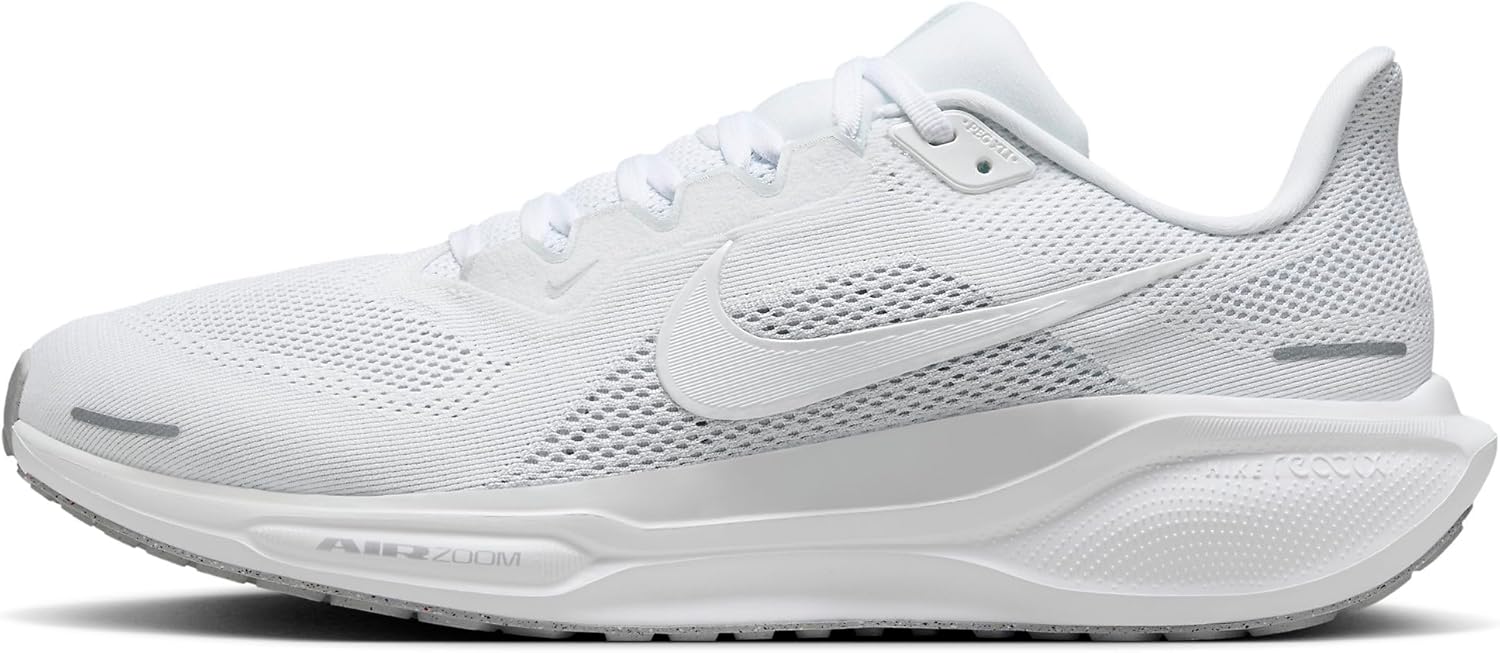


Podiatrist-Recommended Products for Foot & Ankle Synovitis
- Doctor Hoy’s Natural Pain Relief Gel — topical anti-inflammatory gel directly applied to the synovitic joint for targeted relief
- DASS Medical Compression Socks — graduated compression reduces joint effusion and synovial swelling around affected joints
- PowerStep Maxx — offloads the inflamed joint by controlling the mechanics driving synovial irritation
These are the same products Dr. Biernacki recommends in clinic. Available through our partner Foundation Wellness.
Frequently Asked Questions
When should I see a podiatrist?
If symptoms persist past 2 weeks, affect your normal activity, or are accompanied by red-flag symptoms (warmth, redness, swelling, inability to bear weight).
What does treatment cost?
Most diagnostic visits and conservative treatments are covered by Medicare and major insurers. Out-of-pocket costs vary by your specific plan.
How quickly can I get an appointment?
Most non-urgent cases see us within 5 business days. Urgent cases (sudden pain, possible fracture) typically same or next business day.
What is Foot pain?
Foot pain is a common foot/ankle condition that affects mobility and quality of life. Understanding the underlying cause is the first step in successful treatment. Our podiatrists at Balance Foot & Ankle perform a hands-on biomechanical exam, review your activity history, and use diagnostic imaging when appropriate to identify the root cause—not just treat the symptom. Many patients have been told to “rest and ice” without a deeper diagnostic workup; our approach is different.
Symptoms and warning signs
Common signs of foot pain include pain that worsens with activity, morning stiffness, swelling, tenderness when palpated, and difficulty bearing weight. If you experience sudden severe pain, inability to walk, visible deformity, numbness or color change, contact our office the same day or visit urgent care—these can signal a more serious injury such as a fracture, tendon rupture, or vascular compromise. Diabetics with any foot wound should seek same-day care.
Conservative treatment options
Most cases of foot pain respond to non-surgical care: structured rest, supportive footwear changes, custom orthotics, targeted stretching and strengthening protocols, anti-inflammatory medications when medically appropriate, and in-office procedures such as ultrasound-guided injections. We also offer advanced therapies including MLS laser therapy, EPAT/shockwave, regenerative injections, and image-guided procedures. Treatment is sequenced from least invasive to most invasive, and we explain the rationale at every step.
When is surgery considered?
Surgery is reserved for cases that fail 3-6 months of well-structured conservative care, when there is structural pathology (severe deformity, complete tear, advanced arthritis), or when imaging shows damage that will not heal without intervention. Our surgeons have performed 3,000+ foot and ankle procedures and prioritize minimally-invasive techniques whenever appropriate. We discuss recovery timelines, return-to-activity milestones, and realistic outcome expectations before any procedure is scheduled.
Recovery timeline and prevention
Recovery from foot pain varies based on severity and chosen treatment path. Conservative cases often improve within 4-8 weeks with consistent adherence to the protocol. Post-procedural recovery may range from a few days (in-office procedures) to several months (reconstructive surgery). Long-term prevention involves footwear assessment, activity modification, structured strengthening, and regular check-ins with your podiatrist if you have a history of recurrence. We provide written home-exercise plans and digital follow-up support.
PubMed: Synovitis of the Foot and Ankle
PubMed: Synovitis of the Foot and Ankle
Ready to Get Relief?
Same-day appointments available in Howell & Bloomfield Hills, MI
4.9★ | 1,123 Reviews | 3,000+ Surgeries
Or call: (810) 206-1402

Dr. Tom Biernacki, DPM is a board-certified foot & ankle surgeon (ABFAS & ABPM) at Balance Foot & Ankle Specialists in Southeast Michigan. With over a decade of clinical experience, he specializes in heel pain, bunions, diabetic foot care, sports injuries, and minimally invasive surgery. Dr. Biernacki is a member of the APMA and ACFAS, and his patient education content on MichiganFootDoctors.com and YouTube has made him one of the most-followed foot & ankle educators on YouTube.