

| Tarsal Tunnel Compression Level | Structures Compressed | Symptoms | EMG Finding | Common Cause |
|---|---|---|---|---|
| Main Tarsal Tunnel (PTN) | Posterior tibial nerve under flexor retinaculum | Medial ankle burning; plantar foot tingling; numbness all toes | Prolonged distal motor latency; decreased sensory amplitude | Space-occupying lesion (ganglion, lipoma, varicosity); post-traumatic scar |
| Medial Plantar Branch | Medial plantar nerve at knot of Henry | Medial arch burning; hallux and first 3 toes; “jogger’s foot” | Isolated medial plantar delay | Hyperpronation; repetitive plantarflexion; running |
| Lateral Plantar Branch | Lateral plantar nerve; Baxter’s nerve (inferior calcaneal) | Lateral heel; lateral 2 toes; inferior calcaneal pain | Lateral plantar delay; or normal EMG (Baxter’s) | Heel spur; abductor hallucis hypertrophy; pronation |
| Digital (Interdigital) Nerve | Common digital nerve between metatarsal heads | Web space burning; Mulder’s click; electric pain to toes | Usually normal EMG; US/MRI diagnostic | Morton’s neuroma; web space compression from tight shoes |
| Treatment | Indication | Details | Outcomes |
|---|---|---|---|
| Custom Orthotics (medial arch) | All tarsal tunnel; especially pronation-driven | Reduces tarsal tunnel volume by correcting pronation; first-line | 60–70% improvement in pronation-related tarsal tunnel |
| Corticosteroid Injection (tarsal tunnel) | Synovitis; idiopathic tarsal tunnel; failed orthotics | US-guided posterior tibial nerve sheath injection; 1–2 series | 65–75% short-term relief; diagnostic if immediate relief |
| Night Splint / Boot | Acute tarsal tunnel flare; nerve stretching | Neutral ankle position reduces tarsal tunnel tension; reduces nocturnal symptoms | Adjunct; reduces night burning in 50–60% |
| Surgical Tarsal Tunnel Release | Failed 6 months conservative; EMG-confirmed; identifiable cause (ganglion, lipoma) | Divide flexor retinaculum; decompress PTN; release medial and lateral plantar branches; excise space-occupying lesion | 70–85% significant improvement; best outcomes with discrete identifiable cause; up to 12 weeks recovery |
| Ganglion / Lipoma Excision | Space-occupying lesion compressing PTN | Concurrent with tarsal tunnel release; remove compressive mass | Excellent — best outcomes in tarsal tunnel surgery; 85–95% improvement |
Quick answer: Tarsal Tunnel Syndrome Baxter Nerve Michigan Podiatrist is a clinical condition that responds to evidence-based treatment when caught early. Symptoms include pain, swelling, and altered function. Diagnosis requires clinical exam, often imaging. Treatment ladder: conservative care first (4-6 weeks), then targeted interventions if needed. Call (810) 206-1402.
Foot pain isn't resolving?
Same-week appointments at Howell & Bloomfield Hills
Medically Reviewed | Dr. Tom Biernacki, DPM | Board-Certified Podiatric Surgeon | Balance Foot & Ankle, Michigan
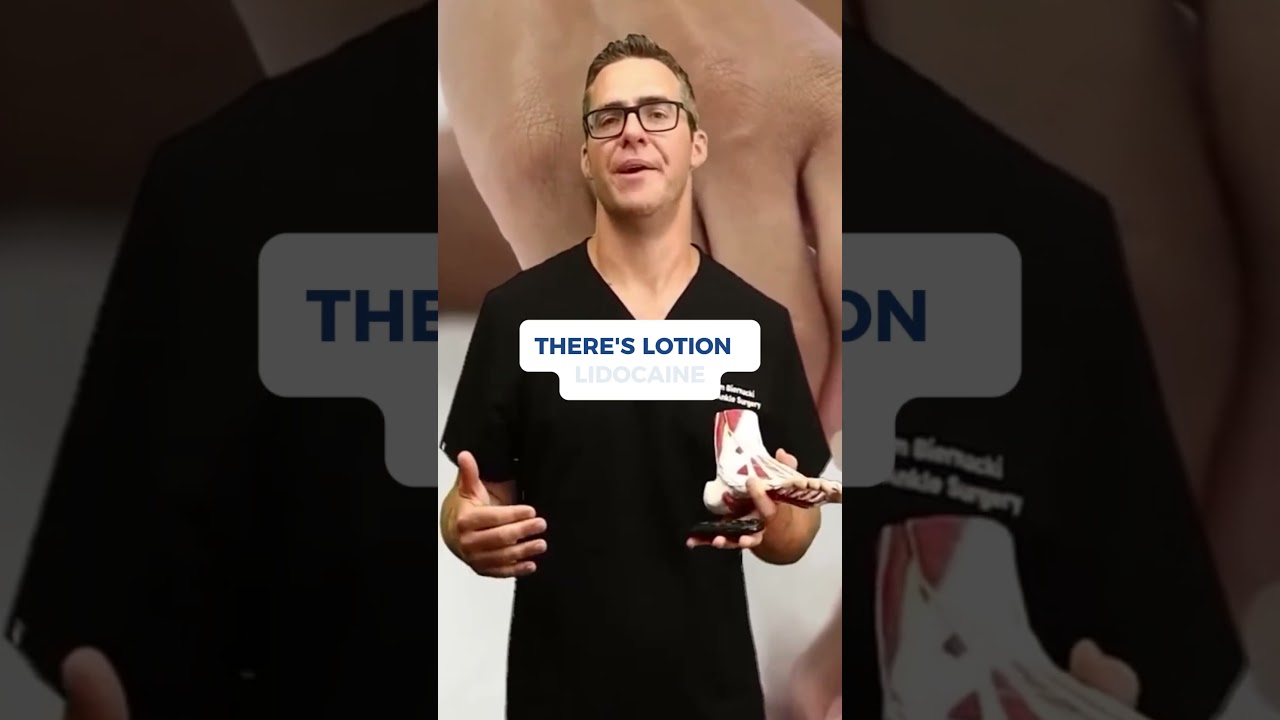

When a patient comes in with burning, tingling, or electric pain shooting into the arch and toes — especially worse at the end of the day or with prolonged standing — the first instinct is plantar fasciitis. But if standard fasciitis treatment isn’t working, the real culprit may be a nerve: specifically the posterior tibial nerve or one of its branches trapped under the flexor retinaculum behind the ankle.
At Balance Foot & Ankle PLLC, Dr. Tom Biernacki evaluates nerve entrapment syndromes of the foot and ankle at our Howell and Brighton Michigan clinics, offering comprehensive electrodiagnostic evaluation, nerve-targeted injection therapies, and coordination for surgical decompression when indicated.
Anatomy: The Tarsal Tunnel
The tarsal tunnel is a fibro-osseous canal on the medial (inner) ankle, bounded by the flexor retinaculum (a fibrous band covering the tunnel) and the medial ankle bones. Through this tunnel pass the posterior tibial nerve, the posterior tibial artery and vein, and three flexor tendons (tibialis posterior, flexor digitorum longus, flexor hallucis longus).
The posterior tibial nerve divides within or just distal to the tarsal tunnel into three branches:
- Medial plantar nerve: supplies sensation to the medial plantar foot and 1st–3rd toes
- Lateral plantar nerve: supplies sensation to the lateral plantar foot and 4th–5th toes
- Medial calcaneal nerve: supplies sensation to the medial heel and posterior heel pad
Tarsal Tunnel Syndrome
Compression or irritation of the posterior tibial nerve within the tarsal tunnel produces tarsal tunnel syndrome (TTS). Symptoms include burning, tingling, and numbness along the medial ankle, arch, and plantar foot — the specific distribution reflecting which branch is most compressed. Symptoms are typically worse with prolonged standing, walking, and at the end of the day; some patients describe symptoms at rest or at night (distinguishing it from plantar fasciitis, which is characteristically worst with the first steps in the morning).
Causes of tarsal tunnel syndrome include space-occupying lesions within the tunnel (ganglion cyst, lipoma, varicosity, accessory muscle — together representing ~60–80% of cases with an identifiable cause), posterior tibial tendon tenosynovitis, hindfoot valgus deformity (flatfoot), prior ankle fracture or dislocation with scar formation, and idiopathic (no identifiable cause, ~30% of cases).
Baxter’s Nerve Entrapment
Baxter’s nerve — the first branch of the lateral plantar nerve — is one of the most commonly missed causes of chronic heel pain. After branching from the lateral plantar nerve, Baxter’s nerve makes a 90-degree turn to travel between the abductor hallucis and quadratus plantae muscles before supplying the flexor digitorum brevis and abductor digiti minimi.
Entrapment at this anatomical turn produces deep, burning medial heel pain that is remarkably similar to plantar fasciitis on the surface — both cause medial heel pain that is worse with weight-bearing. The distinction: Baxter’s entrapment pain tends to be more burning/electric, may radiate along the lateral plantar foot, is often worse with prolonged standing rather than exclusively with first steps, and fails to improve with standard fasciitis treatment.
Baxter’s nerve entrapment is estimated to be present in 15–20% of patients diagnosed with recalcitrant plantar fasciitis — making it one of the most common undiagnosed conditions in podiatric practice.
Diagnosis
Dr. Biernacki evaluates tarsal tunnel and Baxter’s nerve entrapment with:
- Tinel’s test: percussion over the tarsal tunnel or Baxter’s nerve course reproduces electrical/tingling symptoms distally
- Compression test: sustained pressure over the tarsal tunnel for 30–60 seconds reproduces symptoms
- Nerve conduction studies (NCS) and electromyography (EMG): objective measurement of nerve conduction velocity and motor unit integrity — the gold standard for confirming tarsal tunnel syndrome. Normal NCS does not exclude the diagnosis in early cases.
- MRI: identifies space-occupying lesions within the tarsal tunnel, tenosynovitis, and intrinsic nerve pathology. Ordered when a mass lesion is suspected.
- Diagnostic nerve block: ultrasound-guided injection of local anesthetic adjacent to the posterior tibial nerve or Baxter’s nerve — if it temporarily eliminates pain, nerve entrapment is confirmed as the pain source.
Non-Surgical Treatment
Custom orthotics with medial arch support reduce hindfoot valgus and tension on the posterior tibial nerve within the tunnel. For patients with flatfoot-driven TTS, an appropriate orthotic can be significantly therapeutic.
Corticosteroid injection into the tarsal tunnel under ultrasound guidance reduces perineurial inflammation and is both diagnostic and therapeutic. Multiple injections risk perineural fibrosis and are generally limited to 2–3 in total before surgical decompression is considered.
Neuropathic pain medications (gabapentin, pregabalin, duloxetine, tricyclic antidepressants) reduce peripheral nerve sensitization and are useful adjuncts for patients with significant neuropathic pain symptoms while undergoing conservative management.
Surgical Decompression
When conservative care fails after 3–6 months, surgical decompression of the tarsal tunnel (release of the flexor retinaculum with neurolysis of the posterior tibial nerve and its branches) reliably improves or eliminates symptoms in 75–85% of appropriately selected patients. Excision of space-occupying lesions (ganglion cysts, varicosities) simultaneously with retinaculum release is particularly successful. Results are somewhat less predictable in idiopathic TTS without an identifiable structural cause. Baxter’s nerve decompression involves releasing the fascia of the abductor hallucis muscle where the nerve is compressed.
Dr. Tom's Product Recommendations
PowerStep Pinnacle Maxx Orthotic Insoles — Medial Arch Support
⭐ Highly Rated
Semi-rigid OTC orthotic with medial arch support that reduces hindfoot valgus — directly reducing tensile stress on the posterior tibial nerve within the tarsal tunnel. A useful interim measure while custom orthotics are evaluated.
Dr. Tom says: “”My tarsal tunnel symptoms improved noticeably when I started wearing these insoles. My podiatrist explained it takes pressure off the nerve.””
Best for: Flatfoot-driven tarsal tunnel syndrome, medial ankle nerve compression symptoms
Not ideal for: Patients with high-arch (cavus) foot contributing to TTS
Disclosure: We earn a commission at no extra cost to you.
Biofreeze Professional Topical Analgesic Gel — Nerve Pain
⭐ Highly Rated
Topical menthol-based analgesic with TRPM8 receptor action for peripheral nerve pain. Applied along the medial ankle and plantar arch to temporarily reduce burning and tingling from tarsal tunnel and Baxter’s nerve entrapment.
Dr. Tom says: “”The burning in my arch from tarsal tunnel was constant. Applying Biofreeze before I go to bed gives me a few hours of relief from the tingling.””
Best for: Burning, tingling nerve pain along the medial ankle and plantar foot
Not ideal for: Open wounds or skin with loss of sensation (neuropathy — temperature perception may be altered)
Disclosure: We earn a commission at no extra cost to you.
Lace-Up Ankle Support Brace — Medial Arch Stability
⭐ Highly Rated
Lace-up ankle brace with medial strapping that restricts hindfoot valgus and reduces posterior tibial nerve tension in the tarsal tunnel. Useful for tarsal tunnel patients during prolonged standing, walking, and athletic activity.
Dr. Tom says: “”I wear this brace when I’m on my feet all day at work. My medial ankle nerve pain is much more manageable with the support.””
Best for: Tarsal tunnel syndrome with hindfoot valgus component, prolonged standing occupations
Not ideal for: High-arch (cavus) TTS patients who need different biomechanical management
Disclosure: We earn a commission at no extra cost to you.
✅ Pros / Benefits
- Baxter’s nerve decompression has excellent outcomes when correctly identified — many ‘recalcitrant plantar fasciitis’ cases are actually this
- Diagnostic nerve block definitively confirms entrapment before surgical commitment
- Tarsal tunnel decompression for identifiable structural causes (ganglion, varicosity) has 85%+ success rates
❌ Cons / Risks
- Tarsal tunnel syndrome is frequently misdiagnosed as plantar fasciitis — delayed diagnosis allows nerve damage to progress
- Idiopathic TTS (no structural cause) has less predictable surgical outcomes than structural TTS
- Nerve conduction studies may be normal in early TTS — clinical examination and diagnostic blocks are essential supplements
Dr. Tom Biernacki’s Recommendation
Baxter’s nerve entrapment is probably the most under-diagnosed condition in podiatric medicine. I see a steady stream of patients who’ve been treated for plantar fasciitis for 6–12 months — stretching, orthotics, cortisone — without improvement. When I do a Tinel’s test along the abductor hallucis and get electric radiation into the lateral arch, that’s Baxter’s nerve, not the fascia. The treatment changes completely. Similarly, tarsal tunnel is the burning, end-of-day arch pain that gets worse with standing and has that electric tingling quality — it’s the nerve, not the tendon or fascia. Getting these diagnoses right the first time saves patients months of ineffective treatment.
— Dr. Tom Biernacki, DPM | Board-Certified Podiatric Surgeon | Balance Foot & Ankle
Frequently Asked Questions
What does tarsal tunnel syndrome feel like?
Tarsal tunnel syndrome typically produces burning, tingling, numbness, or electric-shock sensations along the medial ankle, arch, and plantar foot — in the distribution of the affected nerve branch. Symptoms are characteristically worse with prolonged standing and walking, often building throughout the day. Night symptoms (burning at rest) distinguish it from plantar fasciitis, which is classically worst with the first steps in the morning. Some patients describe a feeling of swelling inside the ankle even without visible edema.
How is Baxter’s nerve entrapment different from plantar fasciitis?
Both cause medial heel pain, but the quality, timing, and treatment response differ. Plantar fasciitis pain is classically worst with first-morning steps (post-static dyskinesia), is sharp and tight in character, and improves with warmup. Baxter’s nerve entrapment tends to produce burning, electric, or deep aching pain that builds with prolonged standing, may radiate into the lateral arch, and does NOT improve with standard plantar fasciitis treatment. When plantar fasciitis treatment fails repeatedly, Baxter’s nerve entrapment must be evaluated.
How is tarsal tunnel syndrome diagnosed?
Diagnosis combines clinical examination (Tinel’s percussion test, compression test) with nerve conduction studies/EMG (objective nerve function measurement), MRI (identifies structural causes), and diagnostic nerve block (confirms the nerve as the pain source). No single test is perfectly sensitive — a thorough combination approach is required. Dr. Biernacki orders NCS/EMG when TTS is clinically suspected and performs ultrasound-guided diagnostic nerve blocks in office.
How long does recovery take after tarsal tunnel surgery?
Tarsal tunnel decompression recovery involves protected weight-bearing in a surgical boot for 2–4 weeks, followed by progressive return to activity over 6–12 weeks. Return to full normal activity averages 3–4 months. Neurological symptoms (tingling, burning) may persist for several months post-operatively as the nerve recovers — this is expected and gradually improves. Full nerve recovery can take 6–18 months depending on the severity and duration of compression prior to surgery.
Michigan Foot Pain? See Dr. Biernacki In Person
4.9★ rated | 1,123 Reviews | 3,000+ Surgeries
Same-week appointments · Howell & Bloomfield Hills
📞 (810) 206-1402 Book Online →Frequently Asked Questions
What causes this condition?
Causes include mechanical stress, biomechanical imbalance, age-related changes, and sometimes systemic disease. Our clinical exam plus imaging identifies the specific driver.
Can it go away on its own?
Mild cases sometimes resolve with rest and supportive footwear. Persistent symptoms past 4-6 weeks rarely resolve without active treatment.
Is surgery required?
Most patients resolve with non-surgical care. Surgery is reserved for refractory cases or structural deformity.
OrthoInfo – AAOS: Tarsal Tunnel Syndrome
Visit Balance Foot & Ankle — Same-Day Appointments Available

Our podiatry team serves patients throughout Michigan including Howell, Brighton, and Bloomfield Hills. If you’re dealing with heel pain, ingrown toenails, or a foot injury, we have same-day appointment availability.
Same-day appointments available. (810) 206-1402
Doctor Hoy’s Natural Pain Relief Gel
Natural topical pain relief I use in our clinic. Arnica + camphor formula — apply directly to the area 3–4x daily. ($20–25)
Shop Doctor Hoy’s →Our podiatrists treat the underlying cause, not just the symptom. Same-week appointments at our Howell and Bloomfield Hills, Michigan offices.
Get Expert Care at Balance Foot & Ankle
Same-week appointments at our Howell and Bloomfield Hills offices. Board-certified podiatric surgeons. Most insurance accepted.
Same-Week Appointments in Howell & Bloomfield Hills
Three board-certified podiatric surgeons. 1,123+ five-star reviews. Most insurance accepted.

Dr. Tom Biernacki, DPM is a board-certified foot & ankle surgeon (ABFAS & ABPM) at Balance Foot & Ankle Specialists in Southeast Michigan. With over a decade of clinical experience, he specializes in heel pain, bunions, diabetic foot care, sports injuries, and minimally invasive surgery. Dr. Biernacki is a member of the APMA and ACFAS, and his patient education content on MichiganFootDoctors.com and YouTube has made him one of the most-followed foot & ankle educators on YouTube.