
Medically reviewed by Dr. Tom Biernacki, DPM
Board-certified podiatric surgeon | Balance Foot & Ankle, Howell & Bloomfield Township, MI
Last reviewed: May 2026
| Grade | Tissue Injury | Clinical Finding | Weight-Bearing | Return to Sport |
|---|---|---|---|---|
| Grade I | Plantar plate stretched; no tear | Mild tenderness; minimal swelling; full ROM | Pain with push-off only | Days to 1 week |
| Grade II | Partial plantar plate / capsule tear | Moderate pain; swelling; bruising; limited dorsiflexion | Painful; antalgic gait | 2–6 weeks with taping + rigid insole |
| Grade III | Complete tear; sesamoid fracture possible | Severe pain; marked swelling; significant motion loss | Unable without assistance | 6–12 weeks; surgery if sesamoid fractured |
| Treatment | Indication | Duration | Key Technique / Detail |
|---|---|---|---|
| RICE + NSAIDs | All grades; acute phase | 72 hours | Ice 20 min on/off; compression wrap; elevation |
| Buddy Taping (Big Toe) | Grade I–II | 2–4 weeks | Tape 1st toe to 2nd in slight plantarflexion to protect plantar plate |
| Rigid Insole / Carbon Fiber Plate | Grades I–III | Until pain-free push-off | Eliminates MTP dorsiflexion; allows return to play earlier |
| Dorsiflexion Restriction Taping | Grade II–III; return to play | Game-by-game | Limits MTP dorsiflexion to <20° to protect healing plantar plate |
| Boot Immobilization | Grade III; sesamoid injury | 4–6 weeks NWB or partial WB | Protects plantar structures during initial healing |
| Surgical Repair | Grade III with sesamoid fracture; complete plantar plate tear; failed conservative | NWB 4–6 weeks post-op; full sport 4–6 months | Direct plantar plate repair ± sesamoid excision or ORIF |
Quick answer: Treatment for turf toe injury treatment recovery follows a stepwise approach: 1) conservative care first (rest, ice, supportive footwear, OTC anti-inflammatories), 2) physical therapy and targeted exercises, 3) in-office treatments (injections, custom orthotics) if conservative fails at 4-6 weeks, 4) surgery for refractory cases. Most patients resolve at step 1 or 2. Call (810) 206-1402.
Medically Reviewed | Dr. Tom Biernacki, DPM | Board-Certified Podiatric Surgeon | Balance Foot & Ankle, Michigan
Watch: #1 Big Toe Joint Pain Cure [Arthritis? Sesamoiditis? Turf Toe? Gout?] — MichiganFootDoctors YouTube
The most important clinical decision with Turf Toe Injury Treatment Recovery isn’t which treatment to start with — it’s identifying the correct subtype. That changes everything. Call (810) 206-1402.
The most important clinical decision with Turf Toe Injury Treatment Recovery isn’t which treatment to start with — it’s identifying the correct subtype. That changes everything. Call (810) 206-1402.
What Is Turf Toe?
Turf toe is a common sports injury involving a sprain or tear of the plantar plate and surrounding soft tissue structures at the first metatarsophalangeal (MTP) joint — the large joint at the base of the big toe. The injury typically occurs when the forefoot is planted while the heel is raised and an external force drives the big toe into hyperextension beyond its normal range of motion, stretching or tearing the plantar-side ligamentous structures.
The name “turf toe” reflects its original association with athletes competing on artificial turf surfaces, which are harder and less forgiving than natural grass — and combined with flexible athletic shoes, create higher loads on the first MTP joint. However, turf toe can occur on any surface and in many sports including football, soccer, basketball, gymnastics, dance, and wrestling.
Turf Toe Grading System
Turf toe injuries are classified by severity using a standard grading system. Grade I injuries involve stretching of the plantar capsuloligamentous complex without tearing — resulting in mild pain, minimal swelling, and full range of motion preserved. Grade II injuries involve a partial tear with moderate pain, swelling, bruising, and restricted range of motion. Grade III injuries are complete tears of the plantar plate with severe pain, significant swelling and bruising, inability to bear weight, and markedly restricted big toe motion. Grade III injuries may also involve dislocation of the MTP joint or associated sesamoid fracture.
Diagnosing Turf Toe
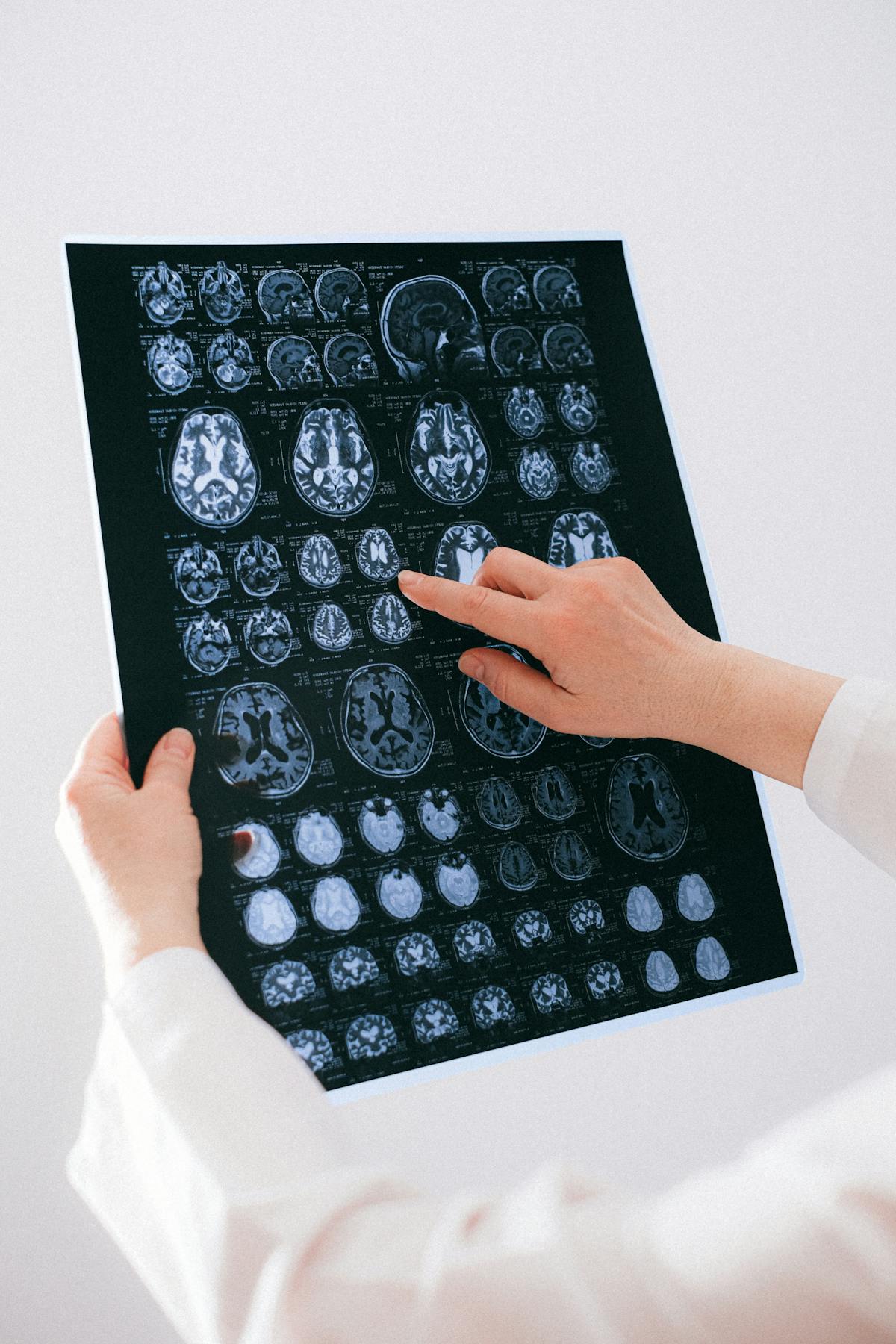
Clinical examination reveals tenderness and swelling at the plantar aspect of the first MTP joint, pain with passive dorsiflexion of the big toe, and a positive dorsiflexion stress test reproducing the injury mechanism. Weight-bearing X-rays evaluate for associated sesamoid fractures, diastasis of bipartite sesamoids, or chondral injuries. MRI is the gold standard for characterizing plantar plate and sesamoid-suspensory ligament integrity and determining injury grade, which is critical for treatment decision-making and return-to-sport planning.
Non-Surgical Treatment for Turf Toe
Grade I turf toe is managed with the RICE protocol, buddy taping of the great toe, and a brief period of activity modification. Return to sport is typically possible within a few days with taping and appropriate footwear (a stiff carbon fiber plate insert that restricts first MTP dorsiflexion significantly reduces pain and re-injury risk).
Grade II injuries require a more extended period of protected activity — typically a walking boot for 1–2 weeks followed by progressive return to activity over 4–6 weeks. A rigid-sole shoe orthosis is essential for return to sport. Physical therapy focuses on maintaining range of motion while protecting the healing structures, then progressive strengthening and proprioceptive training for return to sport.
Surgery for Grade III Turf Toe
Complete plantar plate tears (Grade III) with instability, dislocation, or associated sesamoid fractures may require surgical repair. Surgical options include plantar plate repair with suture anchors, sesamoid excision for non-healing fractured sesamoids, and capsular reconstruction. Return to sport after Grade III surgical repair typically requires 4–6 months of rehabilitation.
Long-Term Consequences of Untreated Turf Toe
Athletes who return to sport too quickly or who fail to adequately treat turf toe often develop chronic first MTP joint problems — persistent pain, progressive joint stiffness, hallux limitus (restricted big toe motion), and eventually post-traumatic arthritis. Proper initial treatment and appropriate return-to-sport timing dramatically reduce these risks and preserve long-term athletic function.
Dr. Tom's Product Recommendations
PowerStep Pinnacle Orthotic Insoles
⭐ Highly Rated
Firm orthotics that reduce first MTP joint motion and stress — key for turf toe recovery when returning to activity.
Dr. Tom says: “”These provided the rigid support I needed to get back on the field after my turf toe.” — Verified buyer”
Turf toe recovery, first MTP protection, return-to-sport phase
Acute Grade III turf toe requiring strict immobilization
Disclosure: We earn a commission at no extra cost to you.
Dr. Hoy’s Natural Pain Relief Gel
⭐ Highly Rated
Topical pain relief for acute big toe joint swelling and soreness during turf toe recovery — non-greasy formula absorbs quickly.
Dr. Tom says: “”Took the edge off my turf toe pain during the early recovery phase.” — Verified buyer”
Acute turf toe pain, first MTP joint swelling, early recovery phase
Grade III injuries requiring specialist evaluation and immobilization
Disclosure: We earn a commission at no extra cost to you.
✅ Pros / Benefits
- Graded treatment approach matches injury severity
- MRI available for accurate grade determination
- Stiff carbon plate orthotics allow earlier return to sport
- Surgery available for complete plantar plate tears
- Comprehensive rehabilitation planning for athletes
❌ Cons / Risks
- Grade III injuries require months of rehabilitation
- Premature return to sport risks chronic joint damage
- Sesamoid complications may require additional procedures
Dr. Tom Biernacki’s Recommendation
Turf toe is one of those injuries that athletes try to play through because it doesn’t seem as dramatic as a broken bone. But I’ve seen professional careers significantly shortened by turf toe that wasn’t properly treated — the joint stiffness and early arthritis that develops from a chronic turf toe is much harder to deal with than the original injury. Get it evaluated, understand what grade injury you have, and follow the right return-to-sport protocol. A few extra weeks of proper recovery is worth years of healthy joint function.
— Dr. Tom Biernacki, DPM | Board-Certified Podiatric Surgeon | Balance Foot & Ankle
Frequently Asked Questions
How long does turf toe take to heal?
Grade I injuries heal in days to one week. Grade II injuries take 4–6 weeks of rehabilitation. Grade III complete tears may require 4–6 months including surgical recovery.
Can you play with turf toe?
Grade I injuries may allow limited play with taping and stiff-soled shoes, but Grade II and III injuries should not be played through — doing so risks complete tear and long-term joint damage.
Is turf toe the same as a bunion?
No — turf toe is an acute ligament sprain at the first MTP joint, while a bunion is a chronic structural deformity of the same joint. They both affect the big toe joint but have entirely different causes, presentations, and treatments.
Do I need an MRI for turf toe?
MRI is strongly recommended for any Grade II or III turf toe injury to accurately characterize the plantar plate and sesamoid injury and guide treatment decisions, particularly for competitive athletes.
What shoes prevent turf toe?
Shoes with a stiffer forefoot and less flexible toe box reduce the risk of turf toe. Carbon fiber plate inserts can be added to existing athletic shoes to restrict first MTP hyperextension.
Michigan Foot Pain? See Dr. Biernacki In Person
4.9★ rated | 1,123 Reviews | 3,000+ Surgeries
Same-week appointments · Howell & Bloomfield Township
📞 (810) 206-1402 Book Online →In-Office Treatment at Balance Foot & Ankle
If home treatment isn’t providing relief for your turf toe injury treatment recovery, our podiatry team at Balance Foot & Ankle can help with same-day evaluations and advanced in-office care.
Ready to Get Relief?
Same-day appointments available in Howell & Bloomfield Township, MI
4.9★ | 1,123 Reviews | 3,000+ Surgeries
Or call: (810) 206-1402

Dr. Tom Biernacki, DPM is a board-certified foot & ankle surgeon (ABFAS & ABPM) at Balance Foot & Ankle Specialists in Southeast Michigan. With over a decade of clinical experience, he specializes in heel pain, bunions, diabetic foot care, sports injuries, and minimally invasive surgery. Dr. Biernacki is a member of the APMA and ACFAS, and his patient education content on MichiganFootDoctors.com and YouTube has made him one of the most-followed foot & ankle educators on YouTube.