


This page covers the clinical evaluation, evidence-based treatment options, and recovery timeline for wart on foot at Balance Foot & Ankle in Michigan. For same-week appointments at our Howell or Bloomfield Hills offices, call (810) 206-1402.
| Wart Type | Appearance | Location | Size | Treatment Challenge |
|---|---|---|---|---|
| Solitary plantar wart | Discrete, cauliflower surface, black dots, painful with direct pressure | Heel, ball of foot, toes | 3–10 mm typically | Low; responds well to standard therapy |
| Mosaic wart (cluster) | Multiple coalescing warts in a plaque | Ball of foot, heel | 1–5 cm cluster | High; requires multiple/combined treatments |
| Periungual wart | Around or under toenail; disrupts nail | Nail margins and under nail | Variable | High; nail involvement complicates treatment |
| Flat wart (verruca plana) | Flat, smooth, skin-colored lesions | Dorsum of foot, toes | 1–3 mm; often multiple | Moderate; often autoinoculates |
| Filiform wart | Finger-like projections | Periungual, toe folds | Small projections | Low; responds to cryotherapy |
| Treatment | Setting | Mechanism | Cure Rate | Ideal For |
|---|---|---|---|---|
| Salicylic acid 17–40% (daily) | Home / DPM | Keratolytic + mild immune stimulation | 50–70% (8–12 weeks) | Single warts; motivated patients |
| Liquid nitrogen cryotherapy | DPM office | Freeze-thaw cycle destroys tissue; immune activation | 60–75% (3–6 sessions) | Most warts; fast in-office |
| Candida antigen injection | DPM office | Intralesional immune stimulation; clears distant warts too | 70–80% (3–5 injections) | Multiple warts; mosaic warts |
| Swift microwave therapy | DPM office | Microwave denatures HPV proteins; strong systemic immune response | 80–85% (3–4 sessions) | Recurrent, mosaic, large warts |
| Bleomycin injection | DPM / derm | Cytotoxic; disrupts HPV-infected cell division | 75–90% (1–3 injections) | Resistant single warts |
| CO2 or Nd:YAG laser | DPM / derm | Vaporizes wart tissue and capillary blood supply | 70–85% (1–3 sessions) | Periungual; resistant mosaic warts |
| Surgical excision | OR / office | Physical removal; scarring possible | High single session; recurrence possible | Large isolated warts; tissue needed for diagnosis |
In This Article
- Quick Answer
- What Is a Plantar Wart
- Wart vs. Callus vs. Corn — How to Tell Them Apart
- Types of Plantar Warts
- Symptoms of a Plantar Wart
- Causes & Risk Factors
- Which HPV Strains Cause Plantar Warts
- What Else Could It Be — Differential Diagnosis
- How a Podiatrist Diagnoses a Plantar Wart
- Treatment Ladder: From Home to Surgery
- Plantar Warts in Diabetics — A Different Game
- Warning Signs — When to See a Podiatrist
- The Most Common Mistake Patients Make
- Prevention — How to Stop Warts Coming Back
- Frequently Asked Questions
- The Bottom Line
- Sources
- Same‑Week Plantar Wart Treatment in Howell & Bloomfield Hills
- What is Plantar wart?
- Symptoms and warning signs
- Conservative treatment options
- When is surgery considered?
- Recovery timeline and prevention
Quick Answer
A wart on the foot is a plantar wart caused by human papillomavirus (HPV‑1, 2, 4, 27, or 57) entering through tiny cracks in the sole. Look for tiny black dots (thrombosed capillaries) inside the lesion and pain with side‑to‑side pinching, not direct pressure. Most clear with in‑office cryotherapy, cantharidin, or salicylic acid 40% — but a wart that won’t heal in an adult over 50 needs a biopsy to rule out verrucous carcinoma.
If you’ve been picking at a stubborn rough spot on the bottom of your foot, watching it slowly grow, and quietly wondering whether it’s a callus, a splinter you can’t see, or something that needs to be cut out — you are not overthinking it. Plantar warts are one of the most commonly misdiagnosed lesions on the bottom of the foot, and the wrong treatment can make them spread, scar, or hide a more serious diagnosis underneath.
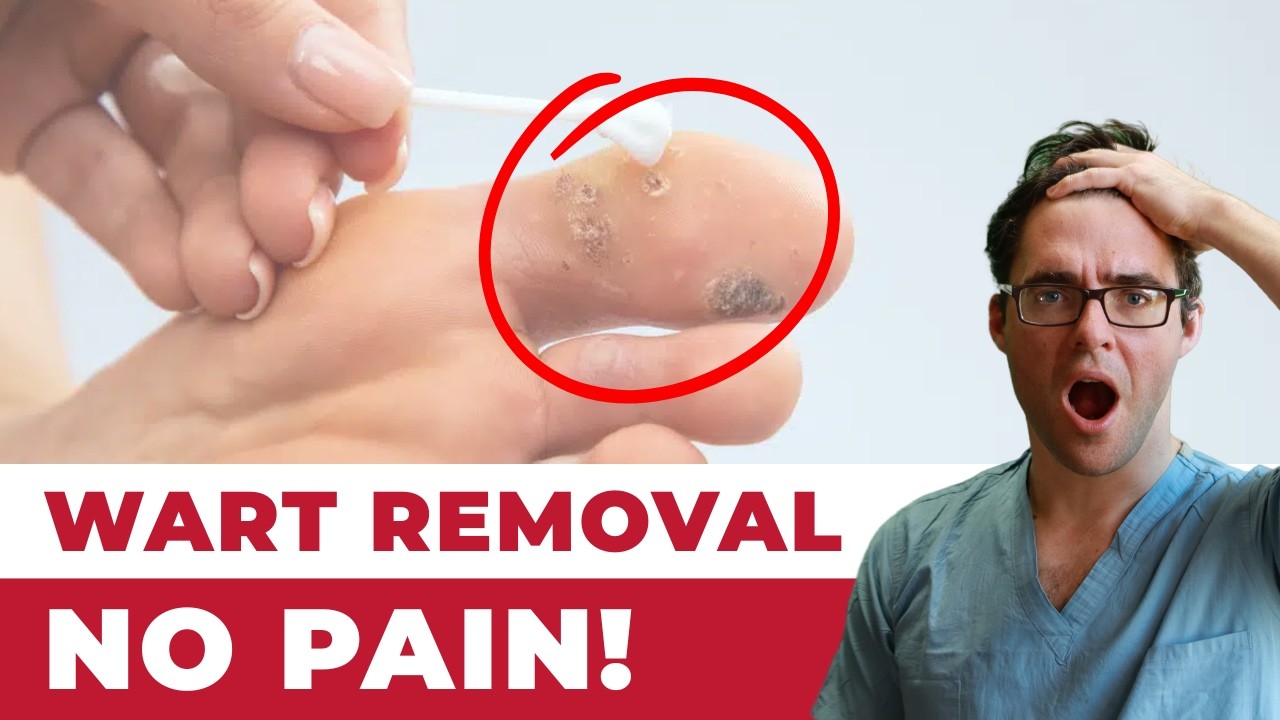
Watch: Plantar Wart Removal: How to Get Rid of a Foot Wart with No PAIN! — MichiganFootDoctors YouTube
I’m Dr. Tom Biernacki, DPM, founder of Balance Foot & Ankle in Howell and Bloomfield Hills. In our clinic we see plantar warts every single day — in elementary school athletes, in college wrestlers, in 70‑year‑old gardeners, in immunocompromised chemotherapy patients. The wart itself is rarely dangerous. The damage usually comes from months (or years) of incorrect home treatment. This guide walks you through exactly how a podiatrist thinks about a plantar wart — what we look for, why a paring blade tells us more than any device, and the full treatment ladder from drugstore acids to surgical excision.
What Is a Plantar Wart
A plantar wart (verruca plantaris) is a benign skin growth on the sole of the foot caused by human papillomavirus infecting the outermost layer of skin (the stratum corneum) through a microscopic crack. Because the wart grows on a weight‑bearing surface, body weight pushes it inward — instead of forming a cauliflower‑shaped bump like a wart on a finger, a plantar wart grows flat, callused, and inward into the dermis, which is why it hurts more and is harder to treat than warts elsewhere on the body.
HPV is a DNA virus with over 200 known subtypes. Plantar warts are most commonly caused by HPV‑1, with HPV‑2, HPV‑4, HPV‑27, and HPV‑57 also implicated. The virus does not live in the bloodstream and does not cause cervical cancer (a different family of HPV strains). It survives on damp surfaces — pool decks, locker‑room floors, communal showers, hotel bathrooms — and enters the skin through a hangnail, paper cut, athlete’s foot crack, or aggressive callus shaving.
In our clinic we see two distinct populations: school‑age athletes (HPV exposure on shared mats and pool decks) and adults over 50 (impaired cell‑mediated immunity allowing latent virus to reactivate). Knowing which group you fall into matters — kids often clear with watchful waiting, adults rarely do.
Wart vs. Callus vs. Corn — How to Tell Them Apart
The single most useful clinical test for a plantar wart is the paring test. With a sterile #15 blade, a podiatrist shaves off the surface callus until the underlying tissue is visible. A wart will reveal pinpoint black dots (thrombosed capillaries supplying the wart’s blood) and small bleeding points; a callus or corn will show only uniform white skin with no vascular pattern. This single observation distinguishes the three most common painful lesions on the bottom of the foot.
| Feature | Plantar Wart | Callus | Corn |
|---|---|---|---|
| Skin lines | Interrupted (lines stop at edge) | Continuous through lesion | Continuous, central core |
| Black dots | Yes (thrombosed capillaries) | No | No (white core) |
| Pain pattern | Pinch (side‑to‑side) | Direct pressure | Direct pressure |
| Location | Anywhere, often non‑weight‑bearing | Pressure points only | Pressure points only |
| Spreads | Yes (HPV virus) | No | No |
| Cause | Virus | Friction/pressure | Bone prominence |
Types of Plantar Warts
Plantar warts come in five clinical patterns, and the type matters because each responds differently to treatment. A solitary wart on a non‑weight‑bearing arch usually clears with a single cryotherapy treatment; a mosaic cluster covering an entire heel may need 6–8 in‑office sessions; a periungual wart wrapped around a toenail can scar the nail matrix permanently if treated too aggressively. Type identification happens at the first visit and dictates the entire treatment ladder.
- Solitary plantar wart — single round lesion, easiest to treat, 70–80% clear in 1–3 office visits.
- Mosaic plantar warts — clusters of small warts (2–10mm each) merging into a plaque; often resistant to monotherapy, require combination treatment.
- Periungual warts — around toenail folds; treatment must avoid the nail matrix to prevent permanent dystrophy.
- Subungual warts — under the toenail; may require partial or temporary nail removal for direct treatment.
- Filiform warts — thread‑like or finger‑shaped; uncommon on the foot but appear on tops of toes.
Symptoms of a Plantar Wart
Plantar wart symptoms differ from other plantar skin lesions in three ways: the lesion grows over weeks to months, the pain is worst when the wart is pinched side‑to‑side rather than pressed straight down, and the surface shows interrupted skin lines instead of continuous fingerprint patterns. Most patients describe walking on the foot like they are stepping on a small pebble, even when no pebble is in the shoe.
- Rough, cauliflower‑like or grainy bump on the bottom of the foot.
- Tiny black dots within the lesion (thrombosed capillaries — pathognomonic).
- Pain with side‑to‑side pinching, not direct pressure (the “pinch test”).
- Thick callused skin built up over the wart from body weight.
- Skin line interruption — fingerprint‑like lines stop at the edge of the lesion.
- Usually not red, hot, or draining — if any of these are present, suspect infection.
- Multiple lesions in a cluster pattern (mosaic warts).
- Lesions appearing weeks after a pool, locker room, or shared‑shower exposure.
Causes & Risk Factors
Plantar warts are caused by direct contact with HPV‑contaminated surfaces combined with a microscopic break in the skin. The virus cannot penetrate intact skin — there must be a portal of entry, even if it is invisible to the naked eye. This is why plantar warts cluster in environments where damp surfaces and minor skin trauma overlap: pool decks, gym showers, wrestling mats, dance studios, and hotel bathrooms.
- Communal damp surfaces — pool decks, locker rooms, gym showers, dance studios.
- Microscopic skin breaks — paper cuts, hangnails, athlete’s foot fissures, callus shaving cuts.
- Sharing footwear — borrowed shoes, sandals, or skates.
- Hyperhidrosis (sweaty feet) — softens skin, increases viral entry.
- Compromised immunity — chemotherapy, HIV, organ transplant, biologic medications.
- Eczema or atopic dermatitis — disrupted skin barrier.
- Age 12–16 — peak incidence in school‑age athletes.
- Walking barefoot in public spaces.
- Skin picking or biting — autoinoculation spreads warts to other sites.
- Recent athlete’s foot infection — broken skin from tinea pedis is the most common entry point we see.
Which HPV Strains Cause Plantar Warts
The HPV strains that cause plantar warts are a completely separate family from the high‑risk strains that cause cervical, oropharyngeal, or anal cancers. Plantar wart strains are cutaneous HPV types, almost exclusively HPV‑1, with HPV‑2, HPV‑4, HPV‑27, and HPV‑57 occasionally identified. None of these strains have an oncogenic risk in healthy hosts, and the HPV vaccine (Gardasil) does not protect against plantar warts because it targets mucosal types (HPV‑6, 11, 16, 18, etc.).
Key takeaway: A plantar wart is contagious, but the virus that causes it does not cause cervical cancer and is not the same family of HPV that the Gardasil vaccine targets. Different strains. Different risk profile.
What Else Could It Be — Differential Diagnosis
Not every rough lesion on the bottom of the foot is a plantar wart, and not every “wart” turns out to be benign. The differential includes benign mimics that respond to entirely different treatment, plus rare malignancies that look exactly like a stubborn wart for years before being diagnosed. This is why a wart that has not responded to 6 months of treatment, or that bleeds spontaneously, or appears in an adult over 50 with no obvious source of infection, deserves a punch biopsy — not another round of cryotherapy.
| Mimic Diagnosis | Why It Looks Like a Wart | How We Tell Them Apart |
|---|---|---|
| Callus / Corn | Painful, hyperkeratotic lesion | Skin lines continuous, no black dots, pain on direct pressure |
| Foreign body granuloma | Firm raised lesion, history of “rough spot” | X‑ray or ultrasound shows splinter, glass, or hair fragment |
| Eccrine poroma | Rough nodule on sole, may bleed | Solitary, bright pink-red, biopsy required |
| Porokeratosis (plantar) | Punched‑out lesion mimicking corn or wart | Histology shows cornoid lamella |
| Amelanotic melanoma | Slow‑growing skin lesion in older adult | Asymmetry, irregular border, dermoscopy + punch biopsy |
| Verrucous carcinoma | “Wart that won’t heal” for years in adults | Cauliflower‑like, locally invasive, punch biopsy diagnostic |
| Subungual exostosis | Hard nodule pushing up nail or skin | X‑ray shows bony outgrowth from distal phalanx |
How a Podiatrist Diagnoses a Plantar Wart
Diagnosing a plantar wart is almost always clinical. We do not need a virology lab — we need a sterile #15 blade, a magnifying loupe, and a few minutes. The history, the skin pattern under loupe magnification, and the response to careful paring tell us the diagnosis 95% of the time. The remaining 5% — adult onset, atypical color, refractory to treatment, bleeding spontaneously — get a punch biopsy.
- History — duration, exposure (pool, gym, locker room), prior treatment, immunosuppression, family history.
- Visual inspection with loupe magnification — interrupted skin lines, surrounding callus, lesion shape.
- Pinch test — squeezing the lesion side‑to‑side hurts more than pressing it directly.
- Paring with #15 blade — exposes thrombosed black‑dot capillaries (pathognomonic for HPV).
- Dermatoscopy — confirms vascular pattern; reveals melanoma red flags if present.
- X‑ray — only if foreign body, exostosis, or deep infection is suspected.
- Ultrasound — useful for splinter or glass foreign body.
- Punch biopsy — mandatory for adult‑onset, atypical, refractory, or bleeding lesions.
Treatment Ladder: From Home to Surgery
The treatment ladder for a plantar wart starts with watchful waiting (because two‑thirds of warts in immunocompetent children clear within two years on their own) and escalates through topical acids, in‑office cryotherapy, immunotherapy injections, lasers, and finally surgical excision. The right starting point depends on patient age, lesion size, prior treatment failures, and whether you can tolerate the 4–6 week salicylic acid commitment most kids cannot.
- Watchful waiting — appropriate for asymptomatic warts in healthy children; ~65% spontaneous resolution within 2 years.
- Salicylic acid 17–40% (Compound W, PowerStep Pinnacle’s, Mediplast pads) — daily application after warm soak and pumice debridement; 4–8 weeks.
- Duct tape occlusion — covering the wart with duct tape for 6 days, removing, soaking, debriding, repeating; modest evidence in kids.
- OTC freeze kits (Compound W Freeze Off, PowerStep Pinnacle’s Freeze Away) — dimethyl ether/propane reaches –57°C, less effective than office liquid nitrogen.
- In‑office cryotherapy with liquid nitrogen (–196°C) — gold standard first‑line; 2–4 freeze cycles with 1‑minute thaw, every 2–3 weeks; 60–80% clearance.
- Cantharidin 0.7% blistering agent — painless application by physician, blister forms in 24–48 hours; useful in young children.
- Intralesional bleomycin — chemotherapy injection directly into wart; high success rate (70–90%) for refractory warts.
- Intralesional Candida antigen — triggers immune response; clears injected and distant warts in 50–70%.
- Pulsed dye laser (PDL) — targets feeding vessels; useful for periungual and refractory warts.
- CO₂ laser ablation — vaporizes wart tissue; reserved for resistant warts; carries scar risk.
- Topical 5‑fluorouracil (5‑FU) cream — antimetabolite; effective but irritating, off‑label.
- Oral cimetidine (high dose) — H2 blocker with immunomodulatory effect; mixed evidence, useful adjunct.
- Surgical curettage and electrodesiccation — for solitary refractory warts; carries scar risk.
- Wide local excision with biopsy — when verrucous carcinoma or melanoma is suspected.
Foundation Wellness & OTC Products We Actually Recommend
For surrounding skin discomfort during a cryotherapy course, we recommend Doctor Hoy’s Natural Pain Relief Gel applied to the perimeter of the lesion (not into the wart itself) — it reduces post‑freeze tenderness without the cooling agents in Biofreeze that can interfere with wound healing. To off‑load weight pressure during treatment and prevent autoinoculation from gait compensation, we recommend a structured insole like PowerStep Pinnacle Maxx. For the salicylic acid pathway, Mediplast 40% pads are our preferred OTC option because they deliver acid through occlusion at a controlled dose. (Affiliate disclosure: We may earn a small commission on Amazon links — it does not change the price you pay or our clinical recommendation.)
Plantar Warts in Diabetics — A Different Game
Plantar wart treatment in a diabetic foot is fundamentally different from treatment in a healthy adult. Salicylic acid, cantharidin, and aggressive cryotherapy can all cause ulceration in a diabetic with neuropathy or peripheral arterial disease, and a wart‑treatment ulcer can become a limb‑threatening infection in days. In our clinic, we never start a diabetic patient on home wart treatment. Cryotherapy, if used, is gentle and limited; salicylic acid is contraindicated in patients with poor sensation or reduced perfusion.
The mistake we see most often: a diabetic patient buys an OTC freeze kit, follows the directions, develops a small blister, ignores it because they cannot feel it, and presents three weeks later with a 2 cm ulcer down to subcutaneous fat with surrounding cellulitis. If you are diabetic and have a plantar wart, do not treat it at home — full stop.
Warning Signs — When to See a Podiatrist
- The lesion has been present for more than 2 months despite OTC treatment.
- Bleeding spontaneously or weeping clear/yellow fluid.
- Black or brown pigmentation within or around the lesion (rule out melanoma — ABCDE).
- Adult onset over age 50 with no clear exposure source — biopsy to rule out verrucous carcinoma.
- Spreading to multiple sites or a mosaic pattern covering more than 1 cm².
- Diabetes, peripheral neuropathy, or peripheral arterial disease — never self‑treat.
- Immunocompromised (chemotherapy, HIV, transplant, biologics) — refractory warts need clinical management.
The Most Common Mistake Patients Make
The most common mistake we see in our clinic is treating a callus or corn as a wart, or treating a wart as a callus, for months before seeking diagnosis. Patients with calluses buy OTC freeze kits and burn perfectly normal skin; patients with warts shave them down with a callus shaver and inadvertently autoinoculate the virus into the bloody pumice surface, seeding new satellite warts within weeks. The second most common mistake is quitting salicylic acid at week 3 because “it’s not working” — the literature shows 70% of responders need 6–12 weeks of consistent daily application.
The third mistake — and the most dangerous — is treating a stubborn “wart” in an adult over 50 for years without a biopsy. Verrucous carcinoma is a slow‑growing squamous cell variant that looks exactly like a refractory plantar wart for 5–10 years before being diagnosed. Any wart in an adult that has not cleared with two correctly delivered treatment courses gets biopsied, every time, no exceptions.
Prevention — How to Stop Warts Coming Back
Plantar warts come back because the HPV that caused them is still on your pool deck, in your gym shower, on your wrestling mat, or on your child’s flip‑flops. The recurrence rate after successful treatment is 30–50% within five years if exposure habits do not change. Prevention is largely behavioral — break the chain of contact, keep the skin barrier intact, and treat athlete’s foot aggressively because cracked tinea skin is the single most common entry point we see in our clinic.
- Wear shower sandals in pool decks, locker rooms, hotel showers, gym showers.
- Treat athlete’s foot promptly with terbinafine cream (broken skin = HPV entry portal).
- Do not share footwear, socks, towels, or pumice stones.
- Manage hyperhidrosis — dry feet thoroughly, change socks midday if needed, use clinical antiperspirant on soles.
- Cover existing warts with waterproof tape during pool, gym, or shower use.
- Avoid skin picking — autoinoculation spreads warts to fingers, knees, other foot.
- Disinfect bath mats and shower surfaces with bleach solution if a household member has warts.
- Do not aggressively shave calluses — micro‑trauma creates HPV entry points.
Frequently Asked Questions
Can I get rid of a plantar wart at home?
For a small solitary wart in a healthy adult or child, salicylic acid 17–40% applied daily after a warm soak and pumice debridement clears about 40–60% of warts within 6–12 weeks. OTC freeze kits are less effective than office cryotherapy because consumer kits reach only –57°C versus –196°C for liquid nitrogen. If a wart has not improved after 8 weeks of correct home treatment, see a podiatrist.
Will my plantar wart go away on its own?
About 65% of plantar warts in immunocompetent children spontaneously resolve within two years. In adults the rate is much lower — most adult‑onset warts persist for years without treatment because cell‑mediated immunity declines with age. If your wart is painful, growing, or spreading, do not wait it out.
Are plantar warts contagious?
Yes. The HPV virus that causes plantar warts spreads through direct skin contact and contact with contaminated surfaces — pool decks, locker rooms, shared shoes, towels, and bath mats. The virus needs a microscopic skin break to enter, which is why athletes with cracked athlete’s foot skin are especially susceptible. Cover existing warts with waterproof tape in shared damp environments to reduce shedding.
What’s the fastest way to get rid of a plantar wart?
The fastest in‑office option for a stubborn wart is intralesional bleomycin injection — 70–90% clearance in 1–3 sessions in published series. For a typical first‑presentation wart, in‑office cryotherapy with liquid nitrogen is faster than home salicylic acid, clearing 60–80% of warts in 2–4 sessions spaced 2–3 weeks apart. Combination therapy (cryotherapy plus daily salicylic acid) outperforms either alone.
Can a plantar wart turn into cancer?
The HPV strains that cause plantar warts (HPV‑1, 2, 4, 27, 57) are not oncogenic in healthy hosts. However, a chronic non‑healing “wart” in an adult — especially over age 50, present for years, slowly enlarging, occasionally bleeding — can be verrucous carcinoma, a slow‑growing squamous cell variant that mimics a wart for years. Any wart in an adult that fails two correct treatment courses needs a punch biopsy.
Why does my plantar wart keep coming back?
Recurrence happens for three reasons: residual virus in skin around the treated wart (common with cryotherapy), ongoing exposure to HPV‑contaminated surfaces (pool decks, locker rooms), or impaired immunity that lets the virus reactivate. If your wart has come back twice, we use combination therapy (cryotherapy plus immunotherapy or bleomycin) and review your environmental exposure and athlete’s foot history.
The Bottom Line
A wart on the bottom of the foot is a viral skin infection caused by HPV, distinguished from calluses and corns by interrupted skin lines, pinpoint black‑dot capillaries, and pain on side‑to‑side pinching. Most clear with in‑office cryotherapy or salicylic acid given enough time, but a wart that has not responded to two correct treatment courses in an adult — especially over 50 — needs a punch biopsy to rule out verrucous carcinoma. Diabetics should never self‑treat. If your wart is growing, painful, or spreading, call us at (810) 206‑1402 and we will get you scheduled the same week.
Sources
- Sterling JC, Gibbs S, Haque Hussain SS, et al. British Association of Dermatologists’ guidelines for the management of cutaneous warts 2014. Br J Dermatol. 2014;171(4):696‑712. Reference
- Kwok CS, Gibbs S, Bennett C, Holland R, Abbott R. Topical treatments for cutaneous warts. Cochrane Database Syst Rev. 2012;(9):CD001781. Reference
- Bruggink SC, Gussekloo J, Berger MY, et al. Cryotherapy with liquid nitrogen versus topical salicylic acid application for cutaneous warts in primary care: randomized controlled trial. CMAJ. 2010;182(15):1624‑1630. Reference
- Salk RS, Grogan KA, Chang TJ. Topical 5% 5‑fluorouracil cream in the treatment of plantar warts: a prospective, randomized, and controlled clinical study. J Drugs Dermatol. 2006;5(5):418‑424. Reference
- Schwartz RA. Verrucous carcinoma of the skin and mucosa. J Am Acad Dermatol. 1995;32(1):1‑21. Reference
Related Conditions
Same‑Week Plantar Wart Treatment in Howell & Bloomfield Hills
Stubborn wart? Diabetic with a wart? Spreading lesion you’re not sure about? We treat plantar warts every day with cryotherapy, cantharidin, intralesional bleomycin, and biopsy when warranted. Call (810) 206‑1402 or book online — Howell (4330 E Grand River Ave) and Bloomfield Hills (43494 Woodward Ave #208) both keep same‑week wart appointments.
Ready to feel better?
Same-week appointments available in Howell and Bloomfield Hills, Michigan.
Book Your VisitFrequently Asked Questions
When should I see a podiatrist?
See a podiatrist if: foot or ankle pain has lasted more than 2–4 weeks without improvement, you’re changing your gait to avoid pain, you have an open wound or sore that isn’t healing, you notice nail discoloration or thickening, you have diabetes and any foot concern, or pain is severe enough to wake you at night. Most foot conditions are easier and cheaper to treat early — what starts as a minor issue can become a surgical problem with months of delay.
What is the difference between a podiatrist and an orthopedic surgeon?
Podiatrists (DPM — Doctor of Podiatric Medicine) specialize exclusively in the foot, ankle, and lower leg. Orthopedic surgeons (MD/DO) have broader musculoskeletal training but variable foot/ankle subspecialization. For foot and ankle-specific problems, a podiatrist often has more focused training and experience. For injuries involving the leg above the ankle, complex pediatric cases, or multi-level reconstruction, orthopedic consultation may be appropriate. We frequently co-manage patients with orthopedic colleagues.
How do I know if my foot pain is serious?
Signs that warrant same-day or next-day evaluation: severe pain that appeared suddenly without clear cause, swelling, redness, and warmth that appeared suddenly (possible gout, infection, or Charcot fracture), an open wound that looks infected (redness spreading, pus, warmth), inability to bear weight, or any foot problem in a diabetic patient. Pain that’s been present for weeks and is stable is important but not an emergency — schedule within 1–2 weeks.
Can foot problems cause back and knee pain?
Yes — this is a kinetic chain effect. Abnormal foot mechanics (overpronation, supination, leg length discrepancy) cause compensatory changes in knee, hip, and lumbar alignment. Roughly 30% of patients presenting to our clinic with knee pain have a treatable foot-level biomechanical cause. Correcting foot mechanics with orthotics or appropriate footwear often provides significant knee and back relief. If you have chronic knee or back pain and haven’t had your foot mechanics evaluated, it’s worth a consult.
Are orthotics worth it?
For the right conditions, yes — custom orthotics are among the most cost-effective interventions in podiatry. They’re most effective for: plantar fasciitis, flat feet with secondary knee/back pain, leg length discrepancy, metatarsalgia, posterior tibial tendon dysfunction, and diabetic foot pressure management. Quality OTC orthotics ($35–60) resolve symptoms for 60% of patients with mild-to-moderate conditions. Custom orthotics are appropriate when OTC options have failed or when the biomechanical problem is complex. We cast custom orthotics in-office.
How do I choose the right running shoes?
Start with your foot type (flat, neutral, high arch) and running pattern (overpronator, neutral, supinator). Flat feet and overpronators do best in stability or motion-control shoes. Neutral feet do well in neutral-cushioned shoes. High arches need maximum cushioning with flexible soles. Always buy running shoes at the end of the day (foot swelling peaks then), get properly fitted by a specialist, and replace every 300–500 miles. If you’ve been injured repeatedly, a gait analysis can identify the mechanical flaw driving your injury pattern.
What is the difference between a sprain and a fracture?
A sprain is a ligament injury (the tissue connecting bones); a fracture is a break in the bone itself. Both can occur with the same trauma (ankle roll, fall). The old test — ‘if you can walk, it’s not broken’ — is wrong; many fractures are initially weight-bearable. Key differences: a fracture typically produces localized bone tenderness along the bone itself, while a sprain is tender over the ligament. X-ray is the standard to differentiate. High-grade sprains without proper treatment can be as disabling as fractures.
How do I prevent foot and ankle injuries?
The four most impactful prevention strategies: (1) Supportive, appropriately fitted footwear for your foot type and activity. (2) Gradual activity progression — the 10% rule (never increase weekly mileage or intensity by more than 10%). (3) Regular calf and ankle mobility work. (4) Strengthening the posterior tibial tendon, peroneals, and intrinsic foot muscles. Most overuse injuries are preventable; most acute injuries are not — but ankle sprain recurrence (60–70% without rehab) is prevented by balance and proprioception training.
Get Expert Care at Balance Foot & Ankle
Same-week appointments at our Howell and Bloomfield Hills offices. Board-certified podiatric surgeons. Most insurance accepted.
In-Office Treatment at Balance Foot & Ankle
If home treatment isn’t providing relief for your plantar warts, our podiatry team at Balance Foot & Ankle can help with same-day evaluations and advanced in-office care.
Same-day appointments available. (810) 206-1402
Same-Week Appointments in Howell & Bloomfield Hills
Three board-certified podiatric surgeons. 1,123+ five-star reviews. Most insurance accepted.
📋 Dr. Tom Biernacki, DPM, FACFAS answers:
Plantar warts are caused by the human papillomavirus (HPV) entering through small cuts or breaks in the skin, typically on weight-bearing areas of the sole. At our clinic we offer several removal options: cryotherapy (liquid nitrogen), topical salicylic acid protocols, cantharone application, and surgical excision for resistant warts. Most plantar warts respond within 2 to 4 treatments. Home remedies often fail because they do not penetrate deep enough to destroy the viral core. If a wart is painful, spreading, or has persisted for more than 3 months, it is time to see a podiatrist. No referral is needed.

Dr. Tom Biernacki, DPM is a board-certified foot & ankle surgeon (ABFAS & ABPM) at Balance Foot & Ankle Specialists in Southeast Michigan. With over a decade of clinical experience, he specializes in heel pain, bunions, diabetic foot care, sports injuries, and minimally invasive surgery. Dr. Biernacki is a member of the APMA and ACFAS, and his patient education content on MichiganFootDoctors.com and YouTube has made him one of the most-followed foot & ankle educators on YouTube.