
Medically reviewed by Dr. Tom Biernacki, DPM · Board-Certified Podiatric Surgeon · Last reviewed: April 2026 · Editorial Policy
Quick Answer
Best Compression Socks for Travel, Standing & Circulati relates to foot pain — typically caused by overuse, footwear, or biomechanics. Most patients improve in 6-12 weeks with conservative care. Same-week appointments in Howell + Bloomfield Twp: (810) 206-1402.

▶ Watch

Medically Reviewed by Dr. Tom Biernacki, DPM — Board-Certified Podiatrist, Balance Foot & Ankle Specialists, Michigan. Last updated April 2026.
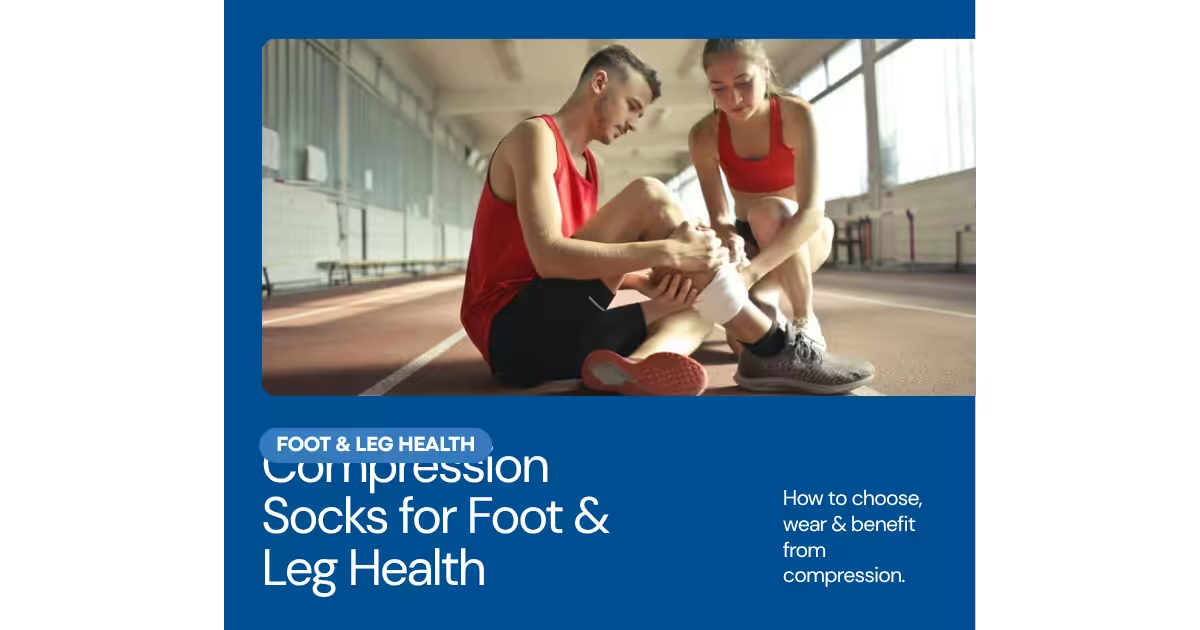
Why Compression Socks Work — A Podiatrist’s Explanation
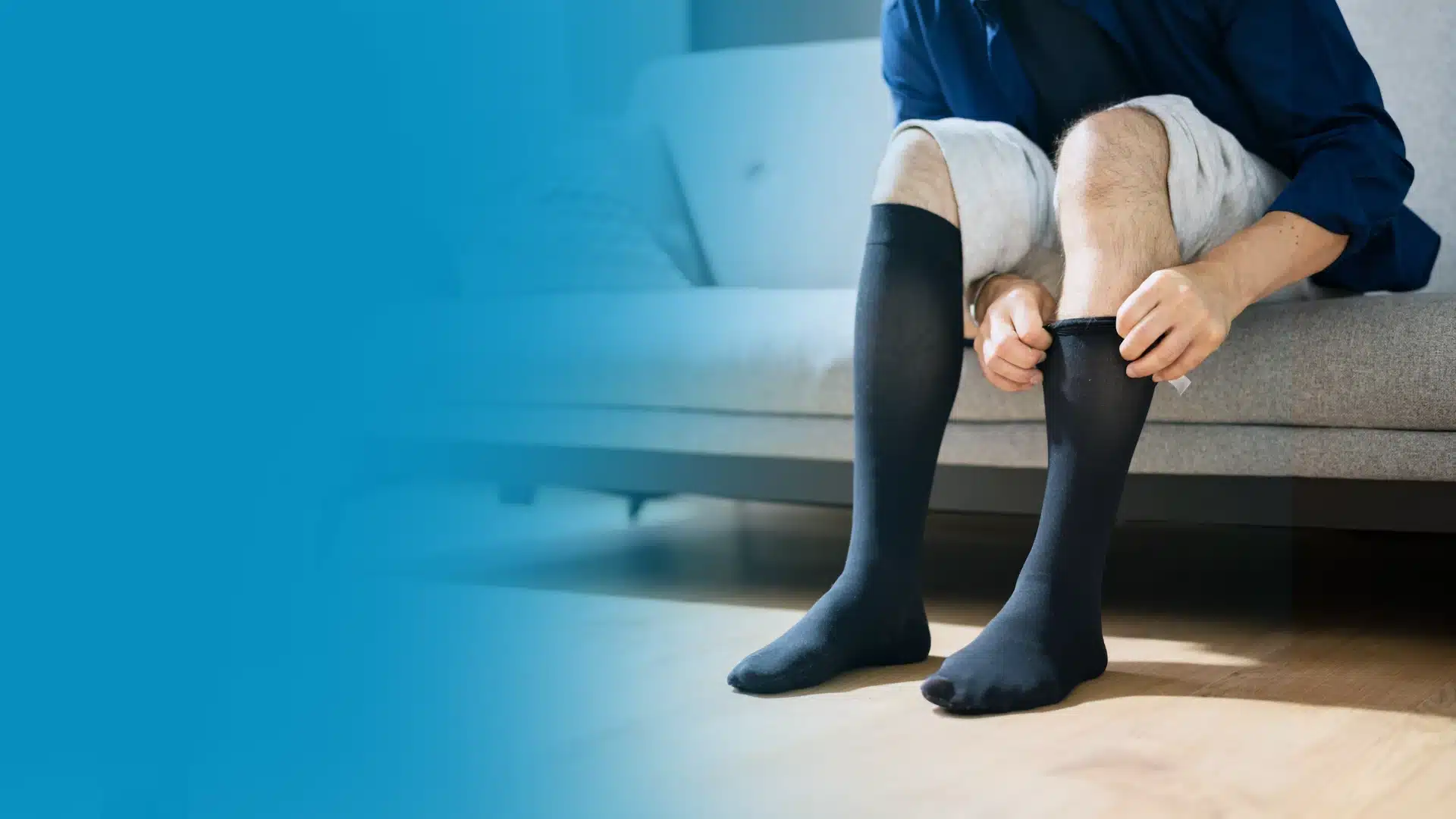
Graduated compression socks apply the most pressure at the ankle (typically 20–30 mmHg) and gradually decrease up the calf. This gradient mimics the calf muscle pump, pushing venous blood and lymphatic fluid upward against gravity. The result: less pooling in the lower leg, reduced swelling, and improved oxygenation of the foot tissues. As a podiatrist treating foot swelling, neuropathy, and chronic venous insufficiency daily at Balance Foot & Ankle in Howell and Bloomfield Hills, Michigan, I recommend compression socks to a large proportion of my patients — but the right sock depends on your specific condition and compression level needed.
Compression Levels — Which mmHg Do You Need?
15–20 mmHg (mild): Ideal for travel, prolonged sitting, mild fatigue and swelling. Available over the counter without a prescription. Suitable for most healthy adults during flights or long drives. 20–30 mmHg (moderate): The most commonly recommended level for varicose veins, chronic standing jobs (nurses, teachers, retail), mild chronic venous insufficiency, and post-surgical recovery. Most insurance-covered compression socks are in this range. 30–40 mmHg (firm): Prescribed for significant chronic venous insufficiency, deep vein thrombosis (DVT) prevention, lymphedema, and post-thrombotic syndrome. Requires proper measurement and physician prescription. Do not self-prescribe 30–40 mmHg — improper use can compromise arterial circulation.
Best Compression Socks for Long Flights & Travel 2026
📍 Located in Michigan?
Our board-certified podiatrists treat this condition at two convenient locations. Same-day appointments often available.
For travel, the priority is sustained graduated compression, breathability, and a comfortable non-constrictive top band that won’t dig in during hours of sitting. The Sockwell Circulator Moderate Graduated Compression Sock delivers 20–30 mmHg with merino wool for temperature regulation — ideal for long-haul flights where cabin temperature fluctuates. The CEP Progressive+ Compression Run Socks are excellent for active travelers who walk extensively at their destination.
Best Compression Socks for Standing Jobs — Nurses, Teachers & Retail Workers 2026
Healthcare workers and others standing on hard floors for 8–12 hours need durable compression that maintains its gradient wash after wash. The Jobst Sport Knee High Compression Sock 20-30 mmHg is the clinical standard in many hospitals for its durability and consistent gradient. For nurses specifically seeking additional foot cushioning, the Physix Gear Sport Compression Socks add padded heel and ball-of-foot zones that reduce plantar fasciitis pain during long shifts.
Best Compression Socks for Diabetic Patients 2026
Diabetic patients require non-binding tops and seamless toe boxes to prevent pressure injuries — but mild graduated compression (15–20 mmHg) can still benefit diabetic patients with mild edema and intact arterial circulation. Never use compression socks in diabetic patients with peripheral arterial disease (PAD) without a physician’s assessment — reduced arterial flow combined with external compression can lead to tissue damage. The Viasox Diabetic Compression Socks 15-20 mmHg feature a loose-fitting top band and seamless toe — safe for most diabetic patients with normal arterial flow.
Best Compression Socks for Swollen Ankles & Varicose Veins 2026
For chronic venous insufficiency and varicose veins, 20–30 mmHg is the standard of care. Put socks on in the morning before standing — when swelling is at its minimum — for maximum effectiveness. The Sigvaris Well Being Compression Sock 20-30 mmHg is a medical-grade option with excellent durability. For patients with significant chronic edema, our office provides proper sizing to ensure correct gradient pressure — improperly sized compression socks are ineffective or counterproductive.
The Most Common Compression Sock Mistake
The most common mistake: wearing compression socks that are too small in the foot/ankle but too large in the calf. This creates a tourniquet effect at the ankle rather than a gradient. Always size by ankle circumference and calf circumference together — not shoe size. Most manufacturers provide detailed sizing charts. If the top band leaves deep indentations after removal, the sock is too tight in the calf. If the ankle band slides down, it’s too large.
When Compression Socks Are Not Enough
Persistent foot and ankle swelling despite consistent compression sock use warrants a podiatric evaluation to identify the underlying cause. Causes include: chronic venous insufficiency requiring medical management; lymphedema requiring specialized decongestive therapy; cardiac or kidney conditions causing systemic fluid retention; medications (calcium channel blockers, steroids) causing dependent edema; and post-traumatic swelling from incompletely healed ankle sprains. Book an evaluation at Balance Foot & Ankle — same-day appointments available in Howell and Bloomfield Hills, MI — call (810) 206-1402.
🧦 Dr. Tom’s Pick: DASS Medical Compression Socks
Medical-grade 15-20 mmHg graduated compression. DASS socks are the brand I recommend most to patients with swollen feet, poor circulation, and post-surgery recovery. Graduated compression means tightest at the ankle, gradually releasing up the leg — promoting upward venous blood flow.
View DASS Compression Socks on Amazon →📧 Get Dr. Tom’s Free Lab Test Guide
Discover the 5 lab tests every person over 35 should ask their doctor about — explained in plain English by a board-certified physician.
Affiliate disclosure: As an Amazon Associate, Balance Foot & Ankle earns from qualifying purchases.
Join 950,000+ Learning About Foot Health
Dr. Tom shares honest medical advice, supplement reviews, and treatment guides you won’t find anywhere else.
Subscribe on YouTube →🔗 Related Care & Resources
Treated by Dr. Tom Biernacki DPM — Board-certified podiatric surgeon at Balance Foot & Ankle in Howell & Bloomfield Hills, MI.
Schedule an Appointment → or call (810) 206-1402Insurance Accepted
BCBS · Medicare · Aetna · Cigna · United Healthcare · HAP · Priority Health · Humana · View All →

Howell Office
3980 E Grand River Ave, Suite 140
Howell, MI 48843
Get Directions →
Bloomfield Hills Office
43700 Woodward Ave, Suite 207
Bloomfield Hills, MI 48302
Get Directions →
Your Board-Certified Podiatrists



Ready to Get Back on Your Feet?
Same-week appointments available at both locations.
Book Your AppointmentMore Podiatrist-Recommended Compression Essentials
OS1st FS4 Compression Sock

- Provides continuous support of the Plantar Fascia by gently stretching the fascia tissue.
- Compression zones promote circulation, reduce impact vibration, boost recovery and strengthen feet.
- Lightweight, seamless design with extra cushioning provides support while still being comfortable.
- Supports the heel/arch and overall foot structure while stabilizing the tendon for better performance
- Made from high quality materials, the socks are moisture wicking and breathable.
Graduated compression — reduces swelling and fatigue for heel pain and PF.
Arch-Supportive Insole

- The Pinnacle Full length insoles for men & women provide maximum cushioning, from high activity to moderate support. The PowerStep arch support shape provides stability to the foot and ankle, helping to relieve foot pain.
- When you spend all day on your feet, every step counts. PowerStep insoles are a podiatrist-recommended orthotic to help relieve & prevent foot pain related to athletes, runners, Plantar Fasciitis, heel spurs & other common foot, ankle & knee injuries
- The Pinnacle plantar fasciitis insoles offer superior heel cushioning and arch support. The dual-layer cushioning is designed to reduce stress and fatigue, while PowerStep premium arch support is designed for plantar fasciitis relief.
- The PowerStep Pinnacle arch support inserts for men & women can be worn in a variety of shoe types such as; athletic, walking, running, work & some casual shoes. Orthotic Inserts are ordered by shoe size, no trimming required.
- Made in the USA & backed by a 30-day money-back guarantee. PowerStep orthotic inserts for men & women are designed for shoes where the factory insole can be removed. HSA & FSA Eligible
PowerStep Pinnacle — works with compression to distribute pressure.
Calf Foam Roller

- Patented foam roller design offers a superior, multi-density exterior constructed over a rigid, hollow core
- Constructed from quality materials that won’t break down or lose shape from repeated use
- Includes access to free online instructional video library on foam rolling best practices from the experts at trigger point
- Trusted foam roller of physical and massage therapists, coaches, trainers and athletes
- Original Grid: Standard density, 13 x 5.5 inches, 500 pound weight limit; 1 year manufacturer's warranty

TriggerPoint foam roller — release calf tension that drives foot compression issues.
As an Amazon Associate, Balance Foot & Ankle earns from qualifying purchases. Product recommendations are based on clinical experience; prices and availability shown above update live from Amazon.
When to See a Podiatrist
Compression stockings only work if they’re the right pressure (15-30 mmHg typically), the right length, and worn consistently. Balance Foot & Ankle measures your legs in-office and prescribes medical-grade compression that fits and actually works. If you’ve been wearing store-bought tights without improvement, we can fix that fast.
Call Balance Foot & Ankle: (810) 206-1402 · Book online · Offices in Howell & Bloomfield Hills
Watch: Dr. Tom explains

Podiatrist-recommended products
As an Amazon Associate, Dr. Tom earns from qualifying purchases.
Supports venous and nerve health during prolonged standing.
View on Amazon →Arch support reduces lower-leg fatigue during long travel days.
View on Amazon →Swelling control after long-haul flights.
View on Amazon →Topical relief for heavy-legged feeling after standing.
View on Amazon →Related resources
Ready to solve this? Book today.
Same-week appointments · Howell & Bloomfield Hills · 4.9★ (1,123+ reviews)
☎ (810) 206-1402Book Online →Pros & Cons of Conservative Care for foot care
Advantages
- ✓ Conservative care first
- ✓ Same-week appointments
- ✓ Multiple insurance accepted
Considerations
- ✗ Self-treatment can mask issues
- ✗ See a podiatrist if pain >2 weeks
Dr. Tom’s Recommended Products for foot care
Affiliate disclosure: As an Amazon Associate, Balance Foot & Ankle earns from qualifying purchases. We only recommend products we use with patients.


Footnanny Heel Cream Dr. Tom’s Pick
Best for: Daily moisturizer for cracked heels
Ready to Get Back on Your Feet?
Same-day appointments in Howell + Bloomfield Twp. Most insurance accepted. Dr. Tom Biernacki, DPM & team.
Book Today — Same-Day Appointments Available
Call Now: (810) 206-1402
About Your Care Team at Balance Foot & Ankle
Dr. Tom Biernacki, DPM · Board-Certified Foot & Ankle Surgeon. Specializes in conservative-first care, minimally invasive bunion surgery, and complex reconstruction.
Dr. Carl Jay, DPM · Accepting new patients. Specializes in sports medicine, athletic injuries, and routine podiatric care.
Dr. Daria Gutkin, DPM, AACFAS · Accepting new patients. Specializes in surgical reconstruction and pediatric podiatry.
Locations: 4330 E Grand River Ave, Howell, MI 48843 · 43494 Woodward Ave Suite 208, Bloomfield Twp, MI 48302
Hours: Mon–Fri 8:00 AM – 5:00 PM · (810) 206-1402

Dr. Tom Biernacki, DPM is a double board-certified podiatrist and foot & ankle surgeon at Balance Foot & Ankle Specialists in Southeast Michigan. With over a decade of clinical experience, he specializes in heel pain, bunions, diabetic foot care, sports injuries, and minimally invasive surgery. Dr. Biernacki is a member of the APMA and ACFAS, and his patient education content on MichiganFootDoctors.com and YouTube has reached over one million views.
- Plantar Fasciitis: Diagnosis and Conservative Management (PubMed)
- Plantar Fasciitis (APMA)
- Diagnosis and Treatment of Plantar Fasciitis (PubMed / AAFP)
- Heel Pain (APMA)